
Anyone who has spent a season living and working on a ranch knows that safety out there looks different than it does anywhere else. There’s no streetlight on the property line, no neighbor within shouting distance, and no guarantee that help will arrive quickly if something goes wrong. Coyotes slip through fence gaps at dusk, rattlesnakes sun themselves on the same trail the kids use to get to the barn, and a stranger’s truck idling near the equipment shed can mean real trouble. This is exactly the kind of environment where a good hound earns its keep.
Hounds don’t get talked about as guard dogs nearly as often as breeds like German Shepherds or Rottweilers, and for good reason — most hounds were never bred to bite an intruder or square off against a threat. What they were bred for, over centuries of selective breeding on farms and hunting grounds, is arguably more useful for a working ranch: extraordinary noses, tireless stamina, a instinct to track anything that moves through their territory, and a voice loud enough to wake the whole property. A hound won’t necessarily stop a threat with force, but it will almost always tell you a threat exists before you’d otherwise know — and on a ranch, that early warning is often the entire ballgame.
This guide walks through the hound breeds best suited to ranch life, what each one actually brings to the table in terms of safety, and how to think about matching a breed to your specific piece of land.
What “Ranch Safety” Really Means
Before getting into specific breeds, it helps to define what ranch safety actually requires, because it’s a broader job description than most people expect from a single dog.
Perimeter alerting. A ranch dog needs to notice when something enters the property — a vehicle, a person on foot, a predator, or livestock that’s gotten loose — and make enough noise that the humans inside the house know about it. This is the single most valuable safety function most ranch dogs perform, and it’s one hounds are exceptional at thanks to their baying, deep-chested bark that carries across open land.
Predator deterrence. Coyotes, bobcats, and occasionally larger predators like mountain lions pose a real threat to livestock, poultry, and even pets. A hound with a strong prey drive and a loud, sustained bark can discourage predators from lingering near barns and pens, even without ever making physical contact.
Scent tracking. If livestock go missing, a predator makes off with a chicken, or a person wanders off in unfamiliar terrain, a hound’s nose is often the fastest way to figure out what happened and where to look next. This is a safety function that’s easy to overlook until the day you desperately need it.
Vermin and snake awareness. Smaller hounds bred for burrow work are often quick to notice snakes, rodents, and other small animals that pose bite or disease risks around barns and outbuildings.
Companionship and presence. A dog that’s simply always present and alert changes the character of a property. Would-be trespassers are less likely to linger, and family members feel more comfortable working alone in remote corners of the land.
No single hound breed does all five of these jobs equally well, so the right choice depends heavily on your ranch’s terrain, the predators common to your region, and how much of a working role versus a companion role you want the dog to play.
The Top Hound Breeds for Ranch Work
1. Rhodesian Ridgeback
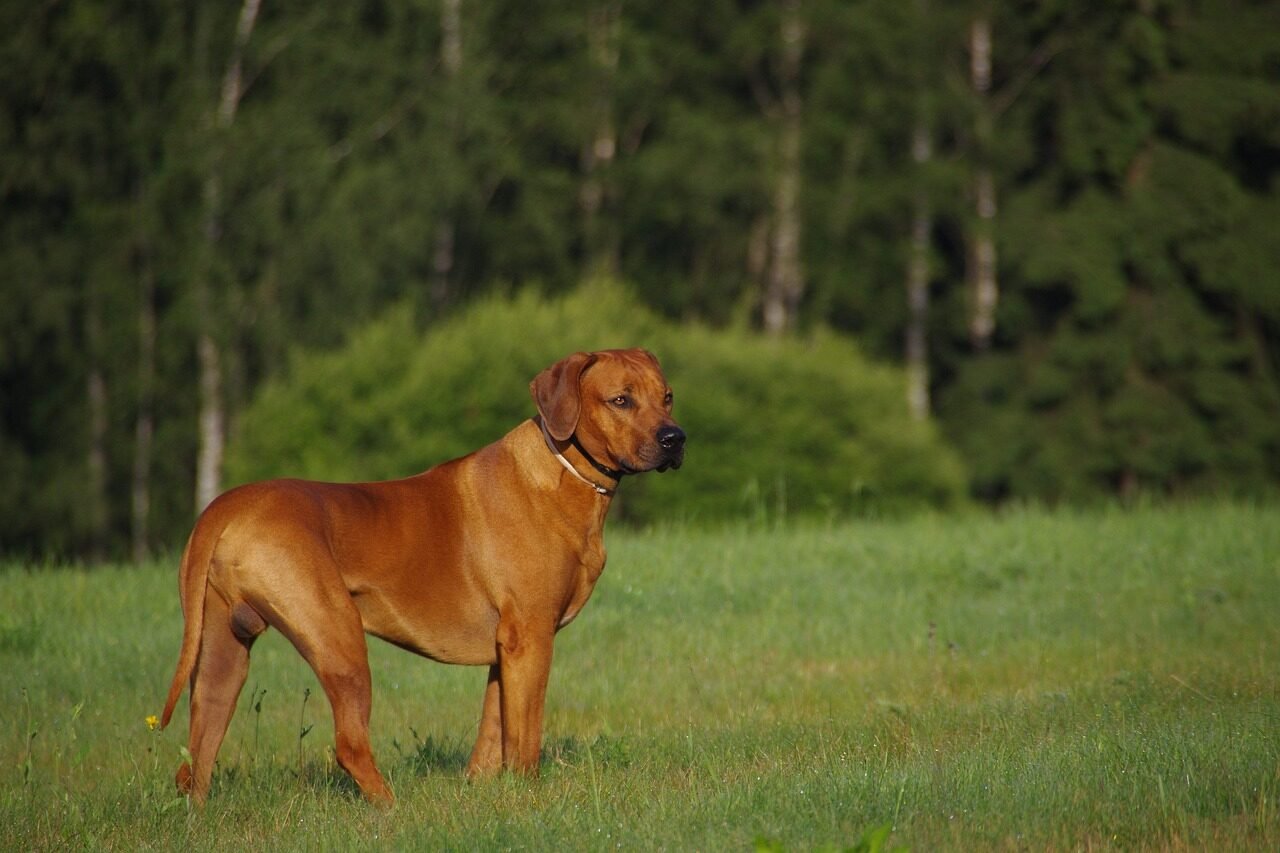
The Ridgeback occupies a unique spot among hounds. Originally developed in southern Africa to help hunters track and hold large game — including lions — this breed combines a hound’s independence and tracking ability with genuine physical presence and protective instinct that most scent hounds lack.
On a ranch, Ridgebacks tend to bond closely with one family and take a naturally watchful attitude toward the property. They’re not constant barkers like many coonhounds, which some ranch owners actually prefer, but when something is genuinely wrong, they let you know. Their short coat handles heat well, they’re athletic enough to patrol acreage without tiring, and their size (typically 70 to 85 pounds) gives them a physical presence that discourages both two-legged and four-legged trouble.
The tradeoff is trainability. Ridgebacks are intelligent but strong-willed, and they do best with an owner who’s consistent and confident rather than permissive. They’re not a breed to hand to a first-time dog owner expecting an easy pushover.
2. Black and Tan Coonhound
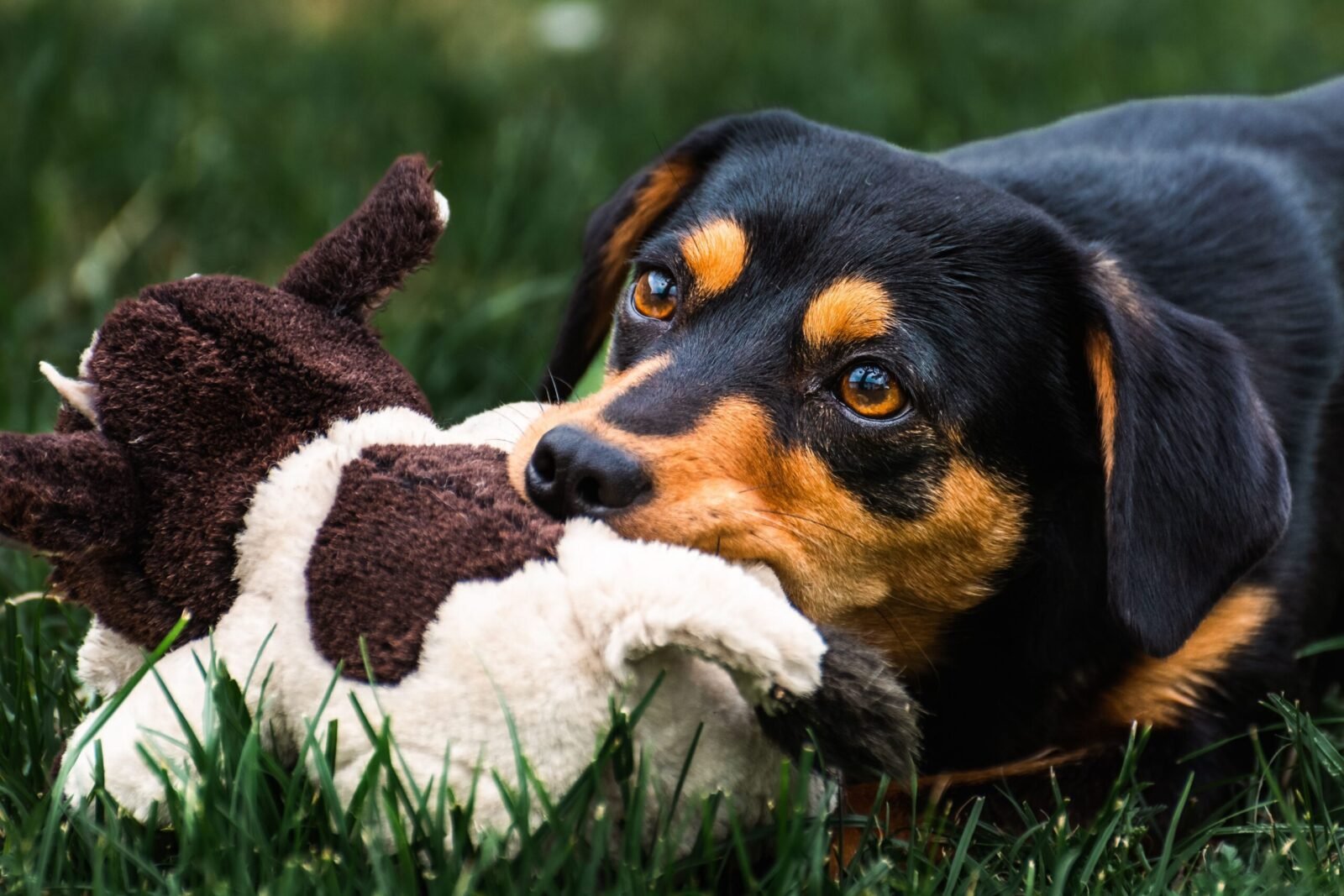
Built specifically for night hunting in dense terrain, the Black and Tan Coonhound has one of the most useful noses in the entire hound group and a bawling, deep bark that’s nearly impossible to ignore. This breed was developed to trail raccoons and other game through swamps and woodland in complete darkness, which happens to translate directly into skills a ranch can use: excellent night vision behavior, comfort working alone in low light, and a bark loud enough to alert a household from a considerable distance.
Weighing in between 65 and 110 pounds, Black and Tans are large enough to hold their ground against smaller predators and imposing enough in silhouette to make coyotes think twice. They’re friendly with people, which makes them poor choices if you want a dog that bites intruders, but excellent choices if what you want is an early-warning system with a nose that can track a predator’s path back to wherever it’s denning.
3. Treeing Walker Coonhound
If speed and endurance across large acreage matter to your operation, the Treeing Walker is worth serious consideration. Descended from Foxhound lines, this breed was bred to cover ground quickly and tree game with focus and drive. On a working ranch, that translates into a dog capable of patrolling large perimeters, chasing off predators before they reach livestock pens, and covering rough terrain that would exhaust less athletic breeds.
Treeing Walkers are vocal, with a distinctive bark that hunters can identify from long distances — a trait that works just as well for alerting ranch families to activity near the property line. They do best with a job to do; a Treeing Walker left with nothing to occupy its considerable energy will find its own entertainment, which rarely aligns with what a rancher wants.
4. Bluetick Coonhound
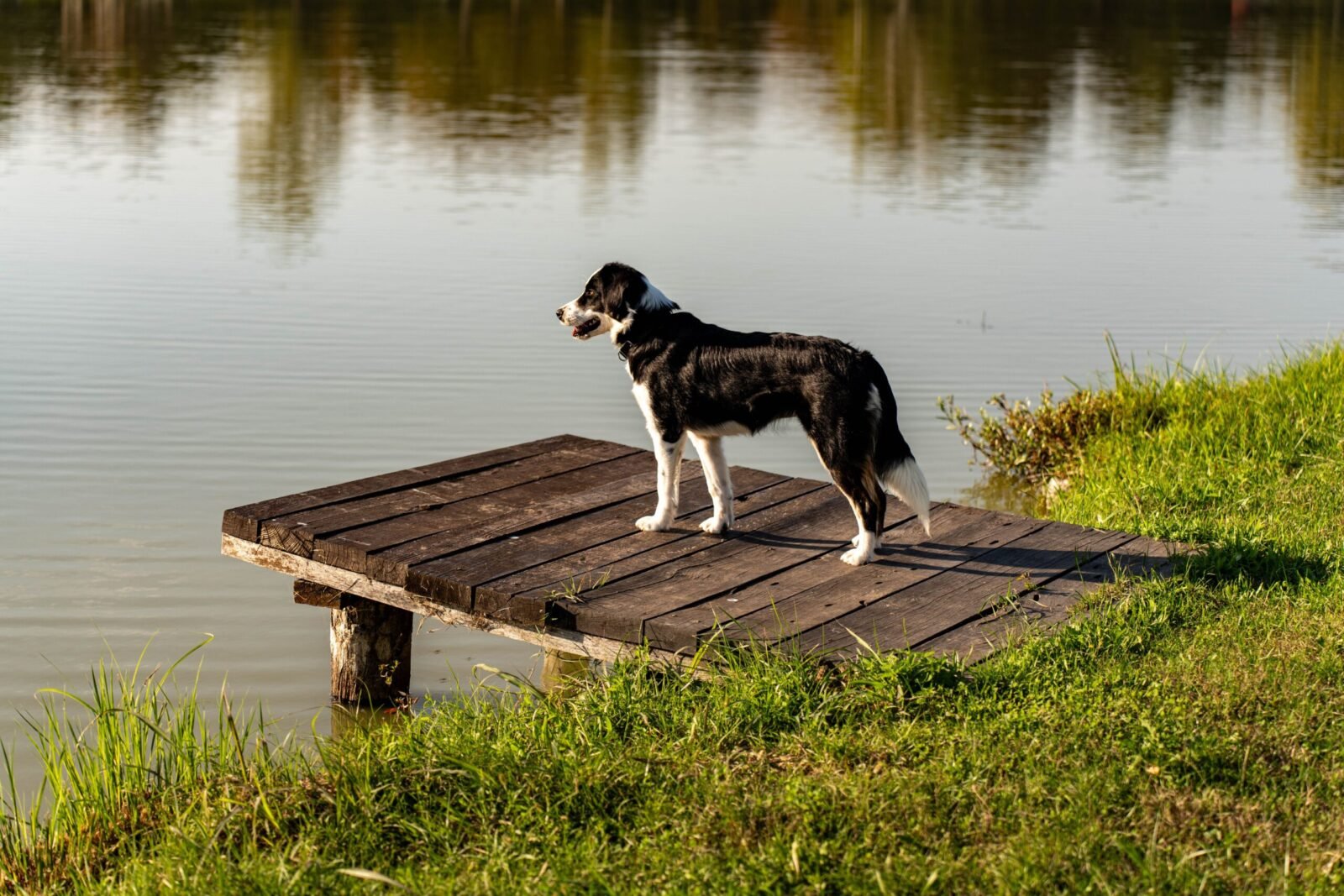
Named for the mottled blue-black coat pattern that develops as puppies mature, the Bluetick Coonhound brings a particularly cold, determined nose to the table — meaning it can pick up and hold a scent trail even when it’s old or faint, which is valuable when tracking a predator that’s already left the scene by the time damage is discovered.
Blueticks tend to be a bit more laid-back around the house than some other coonhound breeds, making them a reasonable fit for families who want a dog that can settle indoors at night but still patrol and alert during the day. Their stamina is considerable, and they handle heat and humidity better than some northern breeds, which matters for ranches in the South.
5. Redbone Coonhound
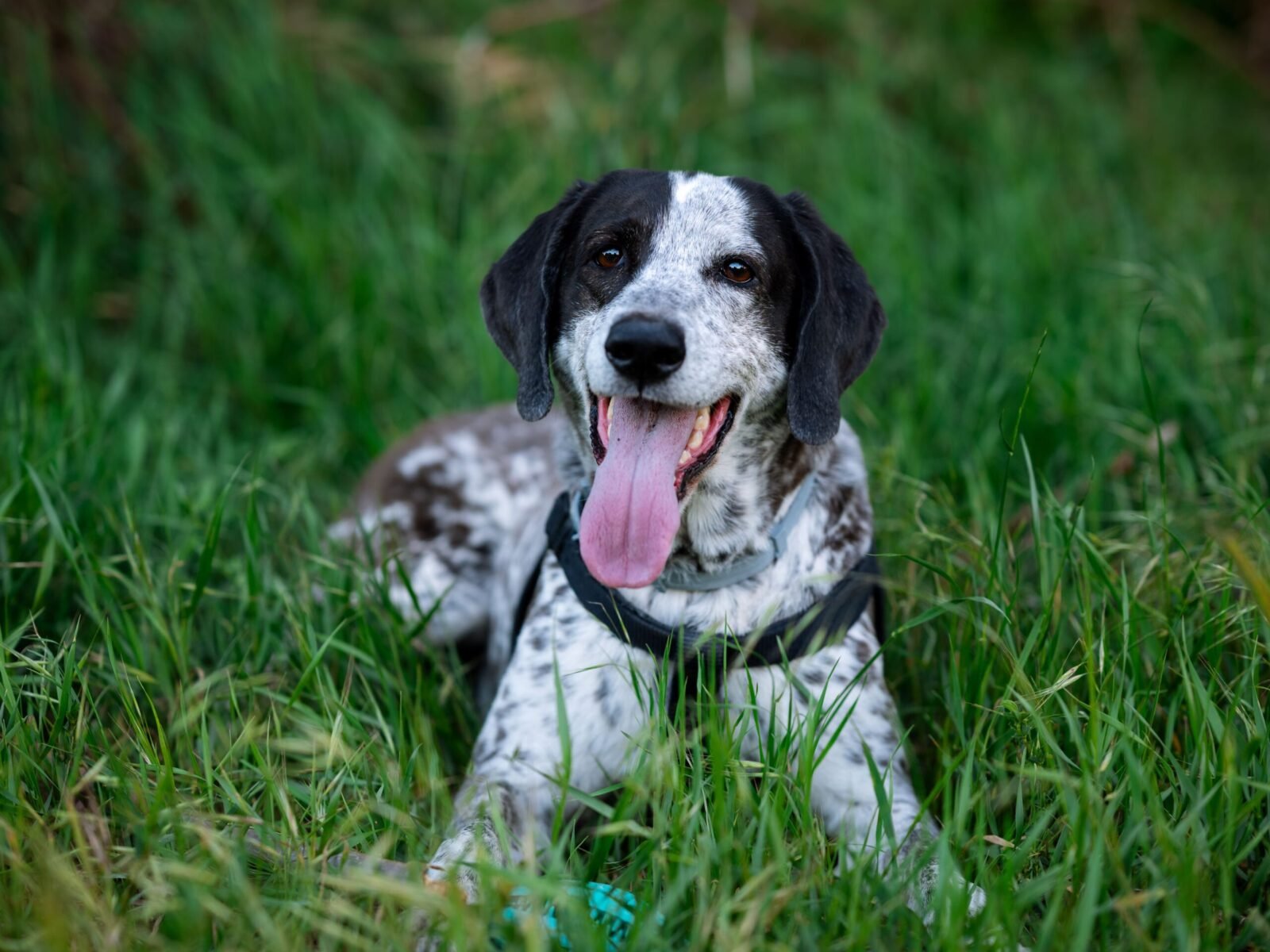
The Redbone is often described as the most biddable of the coonhound breeds — easier to train, generally calmer in temperament, and a bit more adaptable to family life than its cousins. That doesn’t mean it lacks working ability; Redbones were bred to hunt everything from raccoons to bears and mountain lions, and they retain serious tracking and treeing drive.
For a ranch, a Redbone’s balance of trainability and natural alertness makes it a strong all-around choice, especially for families who want a dog that fits into daily household life while still pulling its weight as an early-warning and predator-deterrent presence. Their coat is short and low-maintenance, and their solid red color makes them easy to spot in open fields, which is a small but genuinely useful safety feature — you can see your dog from a distance in daylight or under headlights.
6. Plott Hound
The Plott Hound is North Carolina’s state dog and one of the few coonhound-type breeds developed in America without English Foxhound ancestry, instead descending from German boar hounds brought over by early settlers. Plotts were bred specifically for grit — the willingness to trail and hold large, dangerous game like wild boar and bear without backing down.
This makes the Plott arguably the toughest and most confrontational of the hounds on this list when it comes to actual predator encounters. They’re intensely loyal to their families, highly territorial, and less likely than other coonhounds to be indiscriminately friendly with strangers, which gives them a bit more genuine protective value. Plotts need an experienced handler, though; their intensity and drive can become a management challenge without enough physical work and consistent structure.
7. American Foxhound
Slightly less common as a household pet than some other hounds on this list, the American Foxhound is nonetheless a solid ranch candidate for properties that need a dog comfortable covering enormous distances. Bred for endurance fox hunting across open countryside, Foxhounds can patrol large acreages that would wear out smaller or less conditioned breeds.
They’re pack-oriented dogs, historically kept and worked in groups, and they tend to do well with other dogs and livestock when properly socialized. Their bark isn’t as deep or booming as a coonhound’s, but their persistence and stamina in tracking make them valuable for locating missing livestock or following a predator’s trail over long distances.
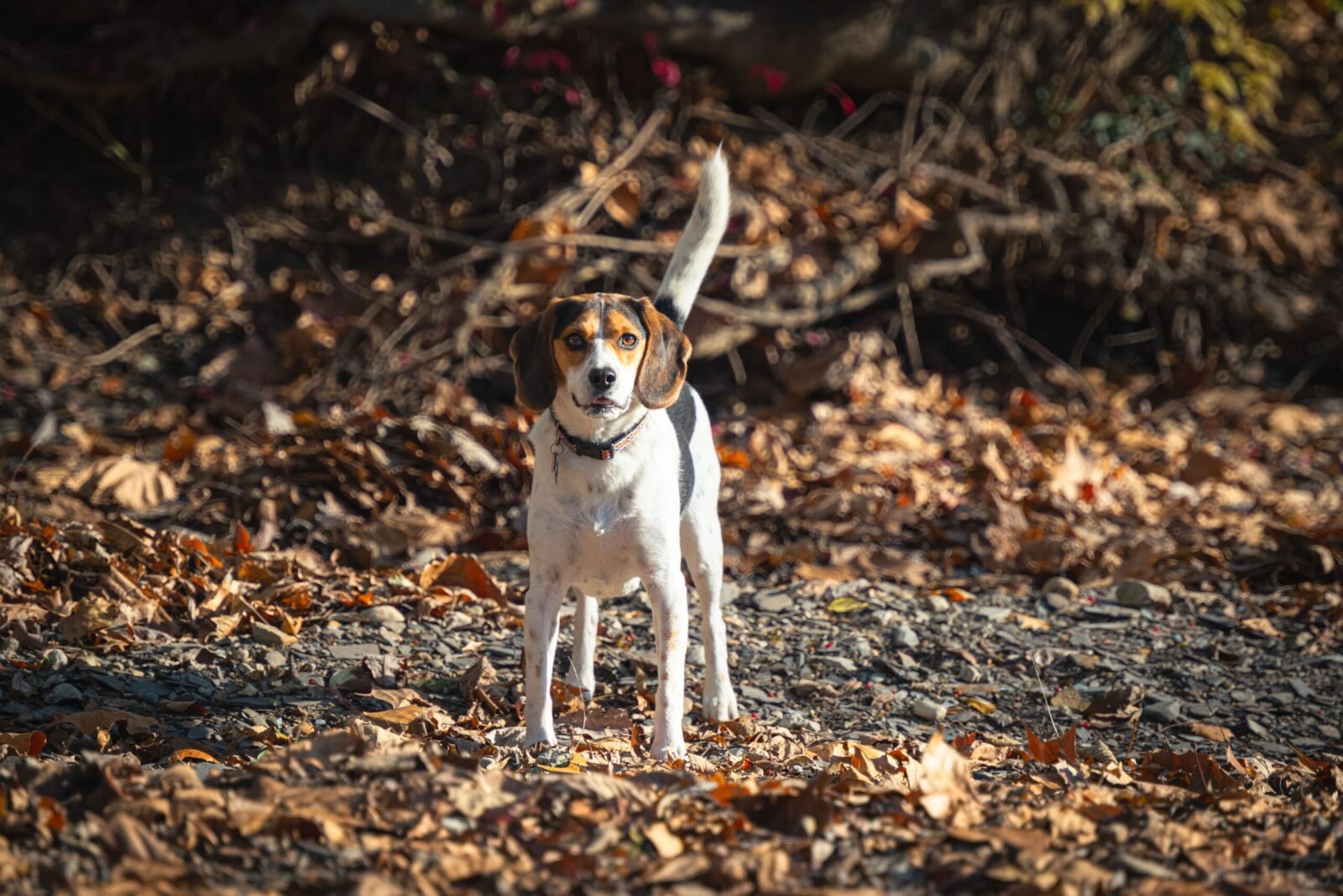
8. Basset Hound
The Basset brings a different kind of value to ranch safety than the larger scent hounds. Short-legged and low to the ground, Bassets were bred to trail rabbits and other small game at a pace hunters on foot could keep up with, and that low build comes with one of the most sensitive noses in the entire dog world — some estimates rank it second only to the Bloodhound.
On a ranch, a Basset isn’t going to outrun a coyote or patrol fifty acres in an afternoon, but it excels at close-range vigilance: noticing snakes near the porch, alerting to rodents in the barn, and sounding off loudly the moment something unfamiliar approaches the house. Their surprisingly loud, deep bay is disproportionate to their size and startles people who don’t expect it from a dog with such short legs. Bassets also tend to be calmer and more content with a smaller territory, which suits ranch families who want a devoted homestead watchdog rather than a wide-ranging patrol animal.
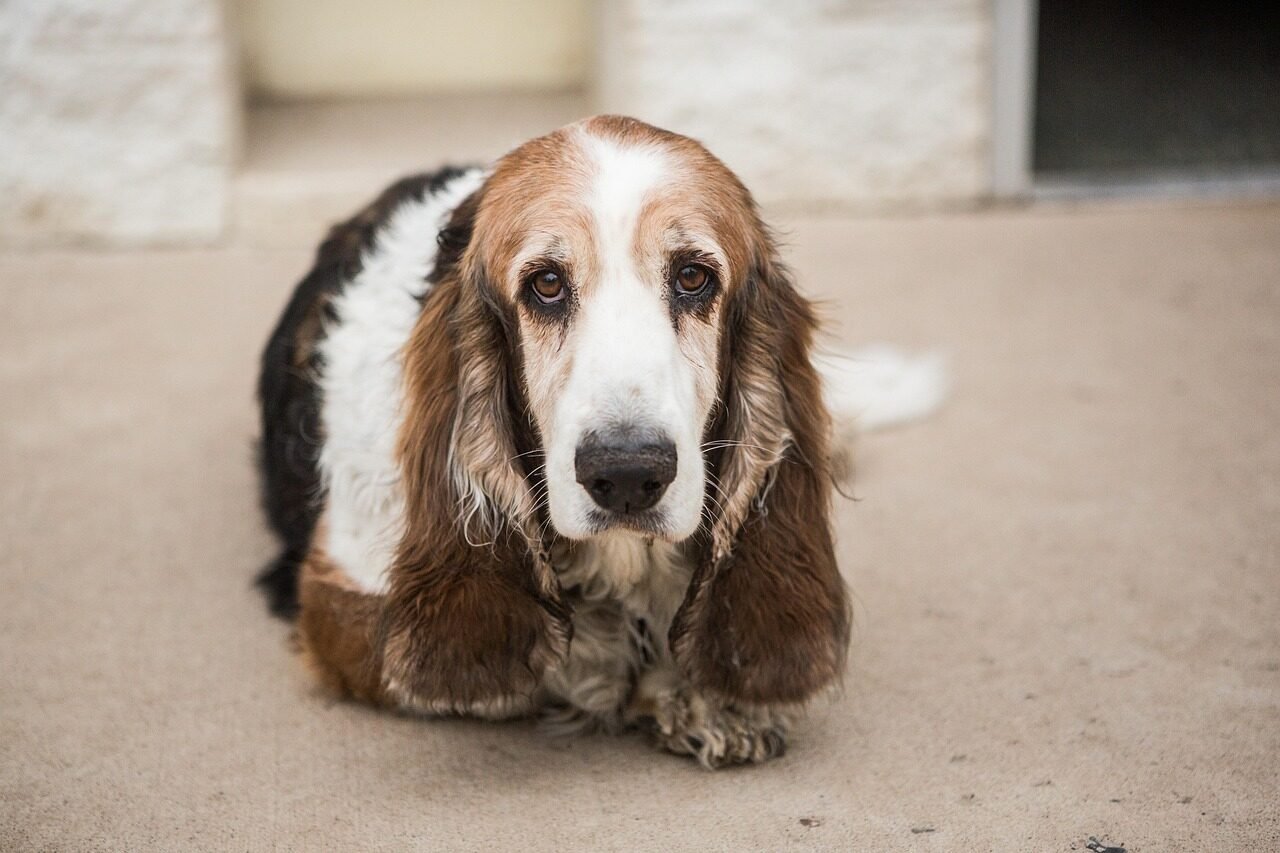
9. Beagle
Beagles are the smallest breed commonly recommended for ranch work, and they earn their place through sheer alertness and vocal persistence rather than size or speed. Their nose is remarkably capable for their size, and they’re quick to notice and announce anything unusual — footsteps on gravel, an unfamiliar vehicle, a snake in the grass.
Because of their size, Beagles aren’t going to physically deter a determined predator, and they’re better suited to smaller hobby ranches or as a secondary dog paired with a larger breed than as a sole safety solution on a large working operation. Where they shine is vermin control around barns and grain storage, where their tracking instinct and small size let them get into spaces larger hounds can’t.
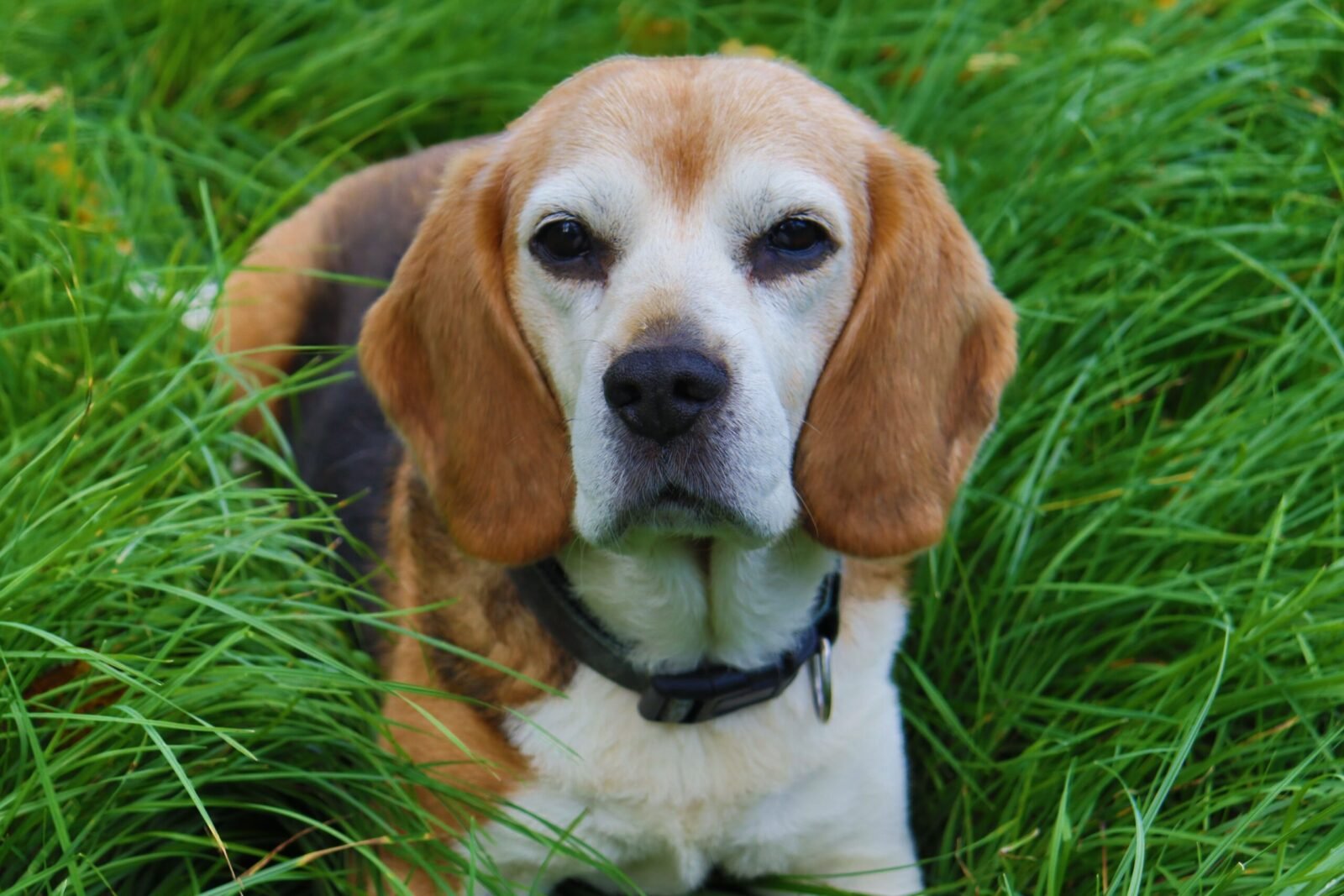
10. Norwegian Elkhound
Though not part of the American coonhound tradition, the Norwegian Elkhound is a true hound breed with a long history of protecting Scandinavian farms from bears, wolves, and other large predators — not merely tracking them, but standing ground and barking aggressively to hold a predator in place until hunters arrived. That instinct to confront rather than simply trail makes the Elkhound one of the more genuinely protective hounds available.
Elkhounds are compact, thickly coated for cold climates, and fiercely loyal to their families. They tend to be excellent watchdogs around the homestead, alert to any change in their environment, and confident enough to stand between their family and a perceived threat. Ranches in colder climates, in particular, benefit from a breed built to work outdoors through harsh winters without losing effectiveness.
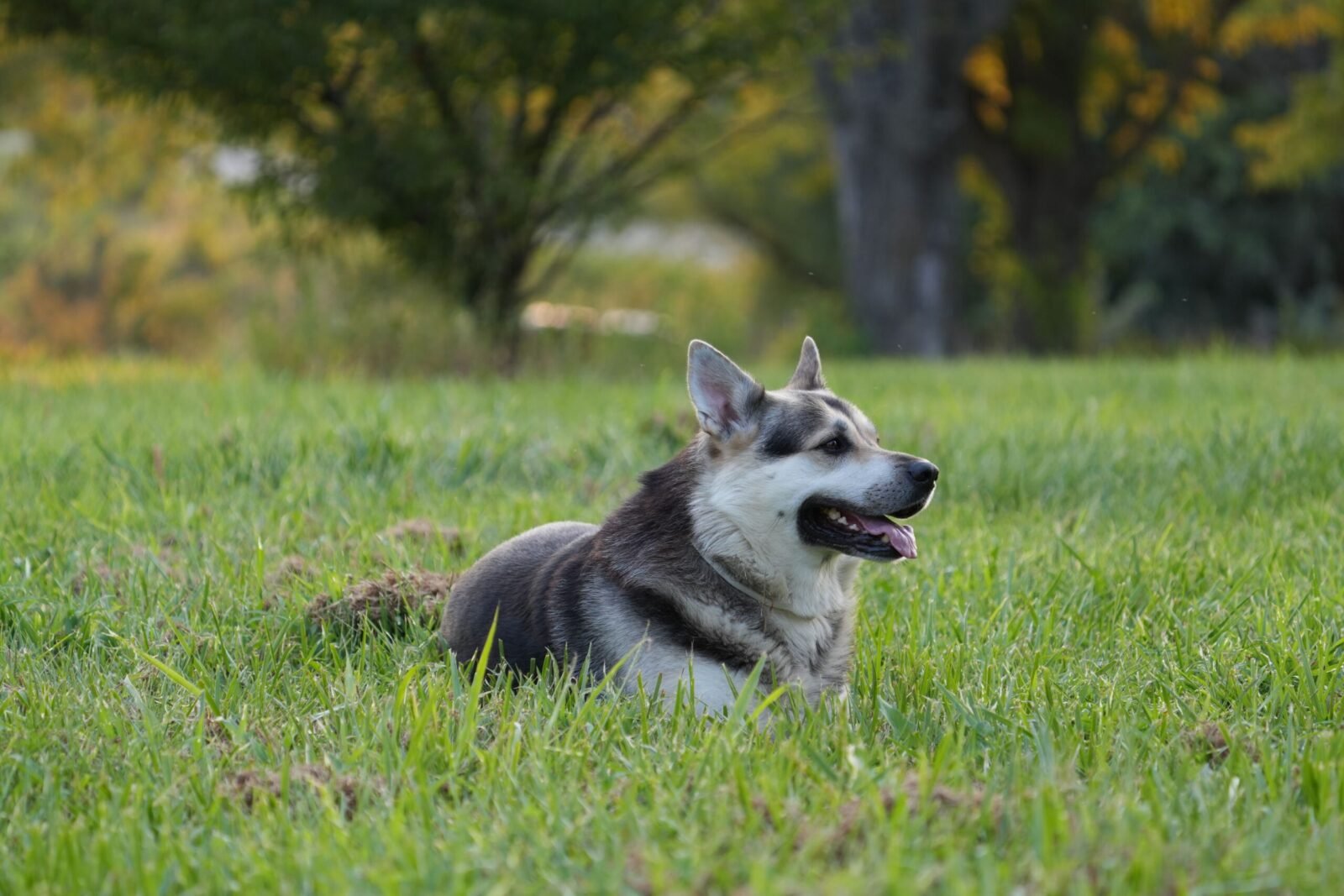
Comparing the Breeds at a Glance
| Breed | Size | Best At | Bark Volume | Trainability |
|---|---|---|---|---|
| Rhodesian Ridgeback | Large | Watchfulness, physical presence | Moderate | Moderate |
| Black and Tan Coonhound | Large | Night alerting, tracking | Very high | Moderate |
| Treeing Walker Coonhound | Large | Perimeter patrol, endurance | High | Moderate |
| Bluetick Coonhound | Large | Cold-trail tracking | High | Moderate |
| Redbone Coonhound | Large | All-around family/ranch fit | High | High |
| Plott Hound | Large | Predator confrontation, grit | High | Low-Moderate |
| American Foxhound | Large | Long-distance stamina | Moderate | Moderate |
| Basset Hound | Small-Medium | Close-range vigilance, vermin | High | Moderate |
| Beagle | Small | Vermin, secondary alert dog | High | Moderate |
| Norwegian Elkhound | Medium | Predator confrontation, cold climates | High | High |
Training a Hound for Ranch Work
Hounds present a specific training challenge that’s worth understanding before bringing one home: their nose and prey drive were bred to override almost everything else, including recall commands. A hound that catches an interesting scent will often follow it regardless of what you’re calling from the porch. This isn’t stubbornness for its own sake — it’s centuries of selective breeding doing exactly what it was designed to do.
For ranch safety purposes, this means a few things in practice. First, secure fencing matters more with hounds than with many other breeds, since an interesting trail can lead a hound well off the property before it thinks to turn back. Second, recall training needs to start early and be reinforced constantly, ideally paired with high-value rewards that can compete with the pull of a scent trail. Third, hounds generally respond better to positive reinforcement than to harsh correction; their independent streak tends to shut down under heavy-handed training rather than yield to it.
Socializing a ranch hound around livestock early and often is equally important. A young hound that’s never been properly introduced to chickens, goats, or cattle may treat them as prey rather than as animals to protect, which defeats the entire purpose of having the dog. Most breeders and trainers recommend structured, supervised introductions well before a hound is given any unsupervised access to livestock areas.
Finally, give the dog a job. Hounds bred for tracking and endurance work are, almost without exception, happiest and best-behaved when they have a task that engages their nose and body. A bored hound with nothing to trail will often invent its own version of the job — which might mean escaping the property to follow an interesting scent for miles. Regular exercise, scent work games, and structured patrol routines around the property go a long way toward keeping a working hound content and reliable.
Health and Care Considerations
Most hound breeds are working dogs at heart, and keeping them healthy on a ranch means paying attention to a few breed-specific concerns.
Ear health is a recurring issue across the coonhound and Basset families, since their long, low-hanging ears trap moisture and debris, particularly after time spent trailing through brush or water. Regular ear checks and cleaning help prevent infections that can otherwise go unnoticed until they’re serious.
Joint health matters for the larger, heavier hounds — Bloodhounds, Foxhounds, and Ridgebacks in particular — since hip and elbow dysplasia can appear in these breeds. Reputable breeders test breeding stock for these conditions, and it’s worth asking about health clearances before choosing a puppy.
Weight management is worth watching in breeds like the Basset Hound and Beagle, both of which have a reputation for putting on pounds easily, especially if their ranch role doesn’t naturally involve much exercise. Extra weight puts strain on their already unusually built frames and shortens working life considerably.
Heat tolerance varies significantly across the group. Short-coated breeds like the Ridgeback, Redbone, and Black and Tan Coonhound handle warm climates reasonably well, while thicker-coated breeds like the Norwegian Elkhound are built for cold and will struggle in extreme heat without shade, water, and careful activity scheduling during the hottest parts of the day.
Matching a Hound to Your Ranch
The right hound breed depends less on which one is objectively “best” and more on the specific demands of your land and operation.
A large, open cattle ranch with significant predator pressure from coyotes or larger wildlife benefits most from breeds built for stamina and confrontation — Treeing Walker Coonhounds, Plott Hounds, or Norwegian Elkhounds are all strong fits depending on climate.
A smaller hobby farm focused more on chickens, goats, and a garden than on cattle might do better with a Basset Hound or Beagle paired with better fencing, since these breeds provide excellent close-range alerting without needing the acreage larger hounds require to stay content.
Families who want a dog that functions as both a working ranch hound and a genuine household companion tend to gravitate toward Redbone Coonhounds or Rhodesian Ridgebacks, both of which balance working drive with a temperament suited to daily family life.
And ranches in colder, more predator-heavy regions — particularly areas with wolves, bears, or mountain lions — should give serious consideration to the Norwegian Elkhound, whose entire breeding history was built around exactly that scenario.
Pairing Hounds with Livestock Guardian Dogs
Many working ranches don’t rely on a single dog to handle every safety task, and hounds are often at their best when paired with a breed built specifically for physical confrontation, such as a Great Pyrenees, Anatolian Shepherd, or Akbash. In this kind of two-dog system, the guardian breed lives among the livestock full-time and is prepared to physically engage a predator, while the hound patrols the wider perimeter and alerts the household the moment something unusual enters the property.
This division of labor plays to each breed’s strengths. Guardian breeds are bred to be calm, low-energy, and constantly present, which suits a job that mostly involves waiting and occasionally escalating to a fight. Hounds, by contrast, are bred to move, track, and vocalize, which suits a job built around detection and communication rather than direct confrontation. A ranch that tries to ask a single dog to do both jobs well is often asking for more than any one breed can reliably deliver, so larger operations in particular tend to benefit from combining a hound’s nose and voice with a guardian breed’s size and temperament.
Common Questions Ranch Owners Ask
Will a hound actually bite an intruder? Generally, no. Most hound breeds were never selected for aggression toward people, and the majority are naturally friendly, even with strangers. Their safety value comes almost entirely from detection and alerting rather than physical deterrence against a human threat. Breeds like the Plott Hound and Rhodesian Ridgeback carry more natural wariness of strangers than most, but even they aren’t a substitute for a dog specifically trained in protection work.
How many acres does a hound need to stay content? This varies widely by breed and individual dog, but as a general rule, the larger scent hounds — Treeing Walkers, Foxhounds, Blueticks — do best with several acres to patrol and regular off-property exercise such as hiking or structured tracking sessions. Smaller hounds like Beagles and Bassets can thrive on considerably less land, provided they get consistent daily activity.
Can a hound live indoors, or does it need to stay outside? Most hounds do well with a mixed arrangement: access to the outdoors during the day to patrol and alert, with time indoors as part of the family in the evening. Purely outdoor living can work for hardier breeds in moderate climates, but most hounds are social animals that benefit from regular contact with their family, and isolation can lead to excessive barking or escape attempts driven by boredom.
What about coyotes specifically — will a hound actually keep them away? A hound’s loud, sustained bark and evident presence on the property is often enough to make coyotes choose an easier target elsewhere, since coyotes are naturally risk-averse animals that avoid confrontation when possible. That said, a lone hound is not a guaranteed deterrent against a determined or hungry predator, and ranches with serious coyote pressure often need to combine a hound’s alerting ability with secure fencing, closed livestock housing at night, and sometimes a livestock guardian breed as well.
Final Thoughts
A hound will rarely be the last line of defense on a ranch — that job usually falls to fencing, firearms, and good land management practices. What a hound provides is something almost as valuable: advance warning, tireless vigilance, and a nose capable of solving problems long after the fact, whether that means finding a lost calf or tracking the path a predator took through the brush.
Choosing the right breed comes down to being honest about your land, your climate, your predator pressure, and how much of a working role versus a family role you want the dog to play. Whichever hound ends up on your porch, the trade you’re making is the same one ranchers have been making with these dogs for centuries: in exchange for food, shelter, and a bit of patience during training, you get a set of ears, eyes, and a nose that never really clocks out.