
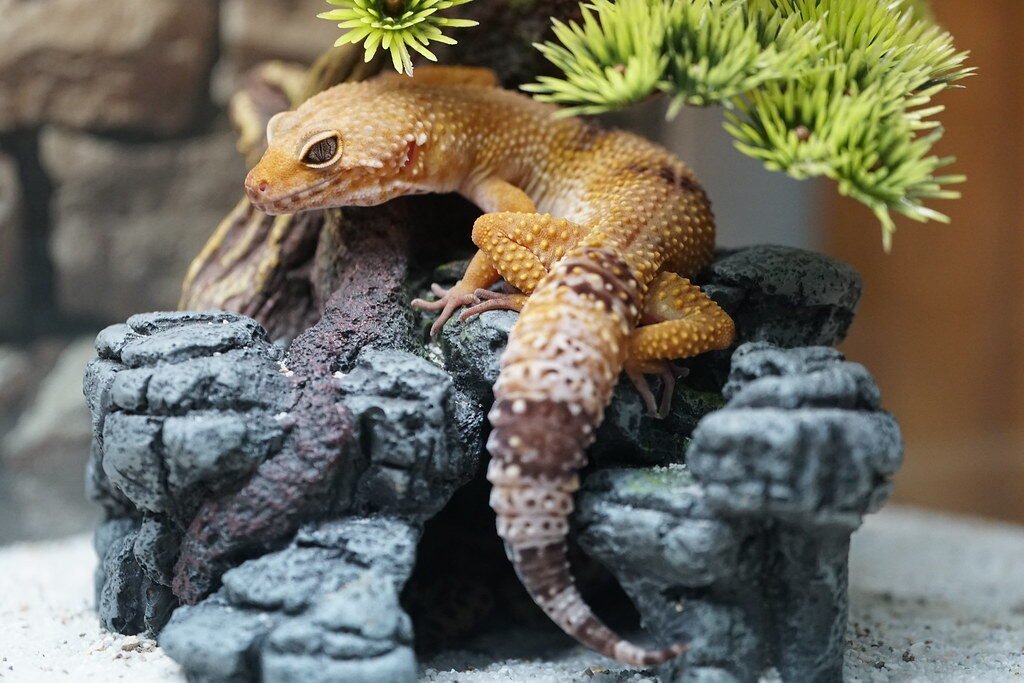

There’s a moment almost every reptile keeper remembers: the first time they saw a leopard gecko so orange it looked like it had been dipped in paint. That’s usually a Tangerine. Among the hundreds of morphs that leopard gecko breeders have developed over the past few decades, Tangerines hold a special place because they manage to look both natural and slightly unreal at the same time, like someone took the classic leopard gecko pattern and turned the saturation all the way up.
If you’re considering adding one to your home, or you’ve already brought one back from a reptile expo and you’re figuring out how to care for it, this guide covers everything from what actually makes a Tangerine a Tangerine, to daily care, feeding, enclosure setup, health concerns, and what to expect as they grow and age.
What Exactly Is a Tangerine Leopard Gecko?
Here’s something that surprises a lot of new keepers: “Tangerine” isn’t a single, clearly defined genetic morph the way something like a Blizzard or an Enigma is. It’s more of a color trait, a line-bred characteristic that describes leopard geckos with intensely orange coloring, developed over generations of selective breeding for deeper, richer background color.
Leopard geckos in the wild, and in typical pet store lines, tend to have a yellowish or tan base color with dark spots. Breeders noticed that some individuals naturally leaned more orange than yellow, and by selectively pairing those individuals together generation after generation, they gradually intensified that trait until entire lines of geckos consistently produced vivid tangerine-orange offspring.
Because of this, you’ll often see Tangerines combined with other terms, like “Tangerine Tremper,” “Tangerine Albino,” or “Super Hypo Tangerine Carrot-tail,” referring to specific breeding lines or combined traits. The Tremper line in particular, developed by breeder Ron Tremper, is one of the most well-known sources of high-quality tangerine coloring in the hobby, and it’s often used as a foundation for other combined morphs.
What this means practically is that not all Tangerines look identical. Some are a warm, pumpkin-like orange. Others lean closer to a deep rust or blood-orange shade. Some have heavily reduced spotting for a cleaner look, sometimes called “Carrot-tail” when the tail specifically shows a concentrated orange coloring, while others retain the classic dark leopard-style spots over a vivid orange background. Part of the fun of shopping for one is seeing just how much individual variation exists even within the same general morph category.
Appearance and What to Look For
A quality Tangerine leopard gecko typically has a rich, saturated orange base color running along its back and sides, with the classic dark brown or black spotting pattern layered on top. Younger geckos often show banding, alternating light and dark stripes, that breaks up into spots as they mature, a completely normal part of a leopard gecko’s growth and coloring process.
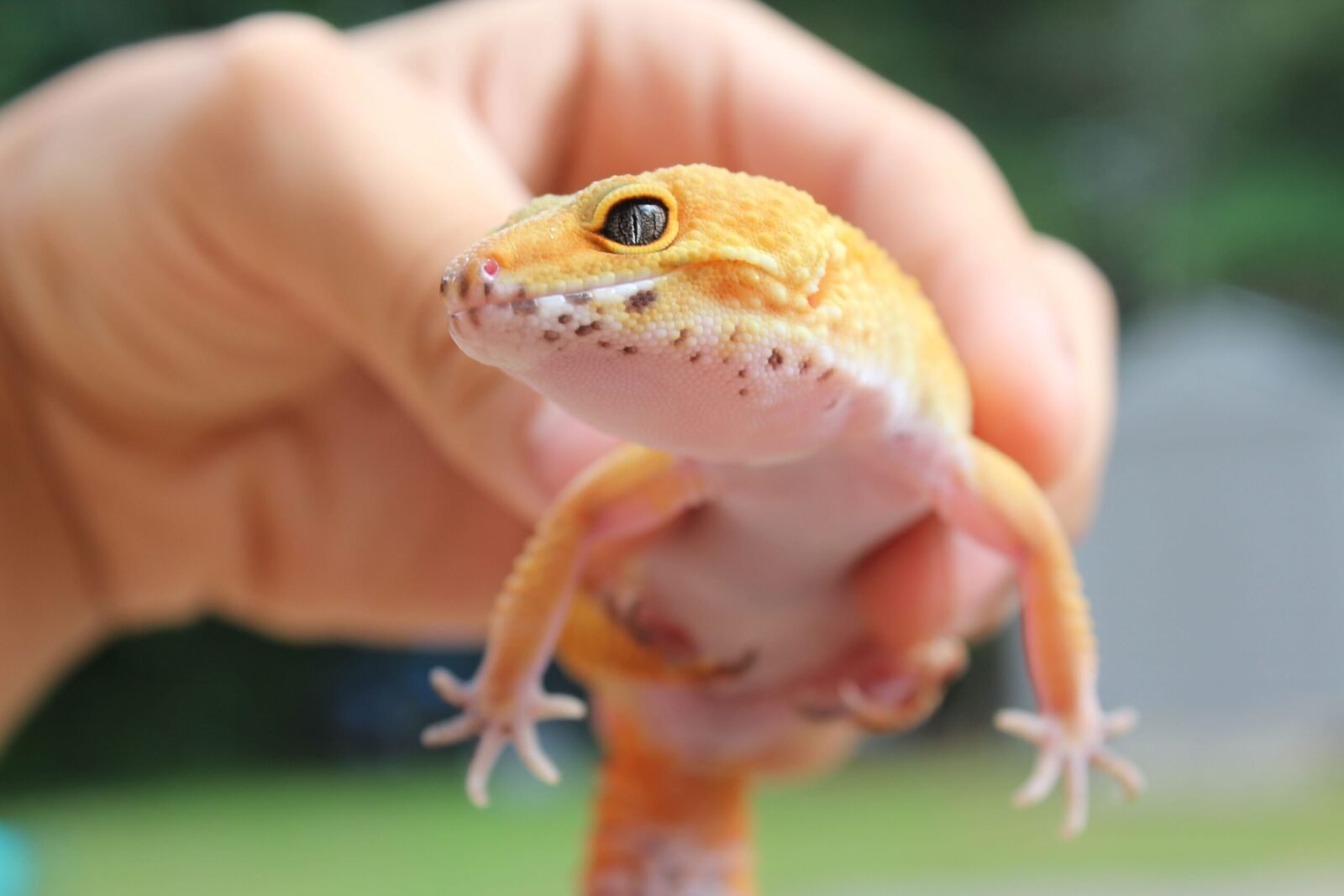
When you’re evaluating one, either in person at an expo or through photos and videos from a breeder, a few things are worth paying attention to. The intensity and evenness of the orange color matters a lot to serious collectors, since some lines produce a much deeper, more uniform color than others. The tail is another area worth checking closely; a healthy, well-fed leopard gecko should have a plump, fat tail, since that’s where they store energy reserves, and it should ideally show good color continuity with the rest of the body if you’re going for that carrot-tail look.
Eyes should be clear and alert, the body should look proportional without visible ribs or a sunken appearance, and the toes and tail tip should be intact and healthy, without signs of stuck shed.
Setting Up the Right Enclosure
Leopard geckos, Tangerine or otherwise, are a fairly forgiving species when it comes to enclosure needs compared to a lot of other reptiles, but that doesn’t mean you can skip the basics.
For a single adult, a 20-gallon long tank is generally considered the minimum, though many experienced keepers now recommend starting at 30 or 40 gallons, especially since larger enclosures make it easier to maintain a proper thermal gradient and give the gecko more room to explore and exhibit natural behaviors. Front-opening enclosures designed specifically for reptiles have also become popular, since they make daily maintenance and handling considerably easier than a top-opening tank.
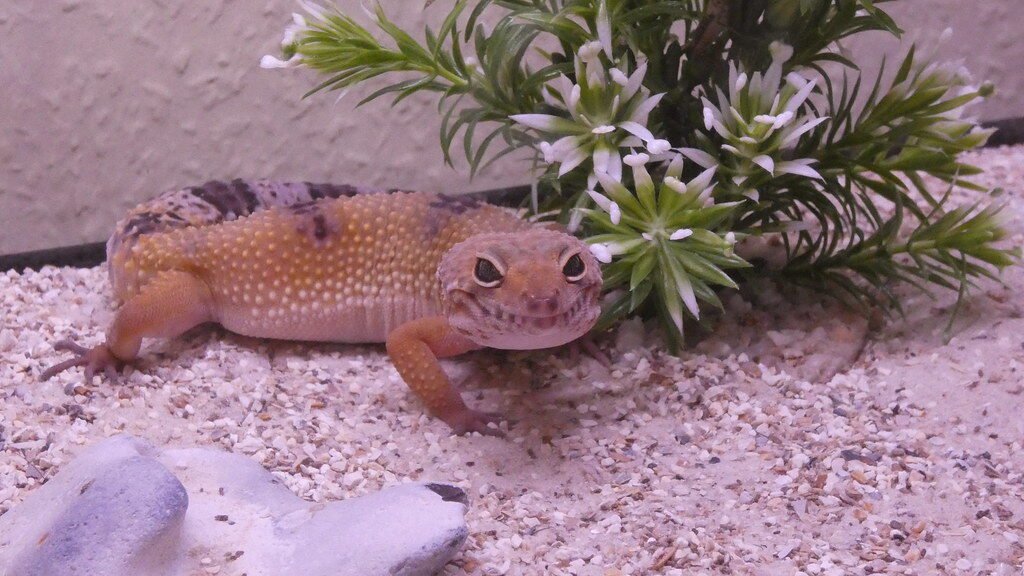
Substrate is one of those topics that gets debated endlessly in reptile keeping circles, and for good reason, since the wrong choice can genuinely harm your gecko. Loose substrates like sand, especially calcium sand, have fallen out of favor because of impaction risks, particularly in younger geckos who might accidentally ingest substrate while hunting. Many keepers now prefer reptile carpet, paper towels for juveniles or quarantine setups, or fine, compacted soil-like substrates specifically designed for burrowing species, which allow for more natural digging behavior while posing less impaction risk when a gecko does accidentally ingest a small amount.
Temperature management is critical for leopard geckos since they’re ectothermic and rely entirely on their environment to regulate body temperature. You’ll want to create a gradient across the enclosure, with a warm side sitting around 88 to 92 degrees Fahrenheit on the belly-heat side, typically achieved through an under-tank heater or heat mat controlled by a thermostat, and a cooler side dropping down to around 75 to 80 degrees. Nighttime temperatures can drop a bit further, generally not below the low 70s.
A thermostat isn’t optional here, it’s essential. Heat mats and heat lamps left running without thermostatic control are one of the most common causes of burns and heat stress in captive reptiles, so investing in a quality thermostat from the start will save you a lot of trouble.
While leopard geckos are crepuscular, meaning they’re most active at dawn and dusk and don’t require intense UVB lighting the way many diurnal reptiles do, recent research and evolving best practices in the reptile community have shifted toward recommending a low-level UVB bulb anyway. Studies have shown that even crepuscular and nocturnal species benefit from some UVB exposure for proper vitamin D3 synthesis and calcium metabolism, so a low-output UVB bulb, generally in the 2.0 to 5.0 range depending on the fixture’s distance from the basking area, has become increasingly common practice among experienced keepers.
Hides are non-negotiable. At minimum, you’ll want three: one on the warm side, one on the cool side, and a humid hide, typically filled with damp moss or paper towels, positioned somewhere in the enclosure to help with shedding. Leopard geckos that don’t have access to a proper humid hide often struggle with retained shed, particularly around the toes and tail tip, which can lead to serious complications if left unaddressed.
Feeding Your Tangerine Leopard Gecko
Leopard geckos are insectivores, and their diet should reflect that throughout their entire life. The most common staple feeders in the hobby are crickets and mealworms, though many keepers also rotate in dubia roaches, black soldier fly larvae, and waxworms as occasional treats.
Gut-loading feeder insects, meaning feeding the insects a nutritious diet before offering them to your gecko, is one of the most important habits to build. Whatever the insect has eaten gets passed along nutritionally to your gecko, so feeding your crickets or roaches a diet of fresh vegetables and commercial gut-load products in the day or two before feeding makes a real difference in your gecko’s overall nutrition.
Dusting feeder insects with calcium powder is essential for preventing metabolic bone disease, one of the most common and preventable health issues in captive reptiles. Most keepers dust with plain calcium (without vitamin D3) at most feedings, and use a calcium powder with D3 along with a multivitamin supplement once or twice a week, though exact schedules vary depending on whether your gecko has UVB access, since UVB exposure affects how much supplemental D3 is needed.
Juvenile leopard geckos, generally under a year old, should be fed daily or every other day, offering as many appropriately sized insects as they’ll eat in a ten to fifteen minute window. Adults typically do well being fed every other day to three times a week, depending on their body condition and activity level. Feeder insects should always be sized appropriately, generally no larger than the width of the gecko’s head, to avoid choking or digestive issues.
A shallow dish of fresh water should always be available, and it’s worth changing it daily to keep it clean, since geckos will sometimes walk through or defecate in water dishes.
Handling and Temperament
One of the reasons leopard geckos, including Tangerines, remain such a popular choice for both beginners and experienced keepers is their generally docile, easygoing temperament. Most individuals tolerate regular, gentle handling quite well once they’ve settled into their environment, though it’s worth giving a new gecko at least a week or two to acclimate to its new home before starting regular handling sessions.
When you do handle your gecko, it’s best to let them walk from hand to hand rather than grabbing or restraining them, and to always support their body rather than picking them up by the tail. Leopard geckos, like many gecko species, can drop their tails as a defense mechanism if they feel threatened or are handled roughly. While the tail will regrow over time, it typically comes back shorter, stubbier, and often a different color or texture than the original, so it’s best avoided when possible.
Younger geckos tend to be a bit more skittish and quick to run, while adults who’ve been handled consistently often become remarkably calm, sometimes even seeming to seek out attention or exploration time outside their enclosure. Every individual has its own personality, though, and some geckos remain more reserved throughout their lives regardless of handling frequency.
Shedding and Common Care Milestones
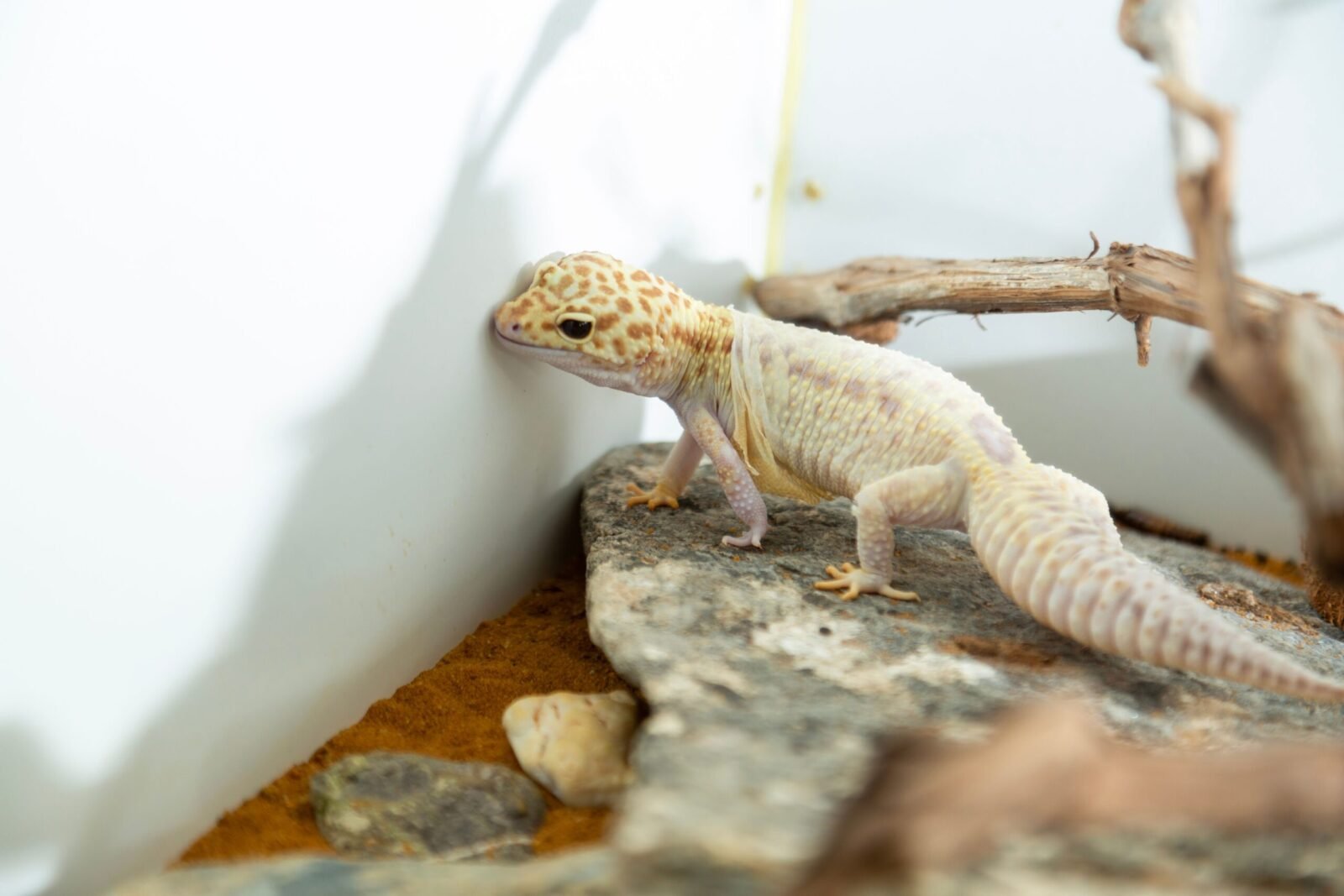
Leopard geckos shed their skin regularly throughout their lives, more frequently as juveniles during their rapid growth phase, and less often as adults, typically once every four to eight weeks depending on age and growth rate. You’ll usually notice their color dulling slightly and their skin taking on a grayish, almost cloudy appearance a day or two before a shed, along with their eyes looking a bit hazy.
During this period, most geckos benefit from extra access to their humid hide, and some keepers choose to lightly mist the enclosure or increase humidity slightly to help the shedding process along. Leopard geckos typically eat their own shed skin in the wild and in captivity, which is completely normal behavior and not something to worry about.
Retained shed, particularly around the toes, tail tip, or eyes, is one of the more common minor health issues in the species and is usually preventable with proper humidity and a good humid hide setup. If you notice shed skin that hasn’t come off within a day or two after a shedding cycle, particularly on the toes where it can restrict blood flow if left too long, a warm, damp cloth applied gently to the area or a brief soak in shallow lukewarm water can help loosen it.
Health Concerns to Watch For
Tangerine leopard geckos, being genetically the same species as any other leopard gecko color morph, share the same general health considerations as the species overall.
Metabolic bone disease, caused by inadequate calcium or vitamin D3, remains one of the most serious and most preventable conditions in captive leopard geckos. Signs include soft or rubbery jaw bones, difficulty walking, tremors, or visibly bowed limbs. Consistent calcium supplementation and appropriate UVB access are the best prevention.
Impaction, typically caused by ingesting loose substrate or oversized feeder insects, can cause a gecko to stop eating, appear lethargic, or show a swollen abdomen. This is largely preventable through appropriate substrate choices and properly sized feeders.
Tail issues, including stuck shed or injury from mishandling, and general shedding problems around the toes are common but manageable with proper humidity and attentive care.
Leopard geckos can also develop respiratory infections if kept in an environment that’s too cold or too damp for extended periods, so maintaining that proper thermal gradient really does matter for long-term health, not just comfort.
With proper care, leopard geckos are a genuinely long-lived pet. Many individuals live between fifteen and twenty years in captivity, with some well-documented cases living even longer, making them a serious long-term commitment rather than a short-lived novelty pet.
Growth and Life Stages
Tangerine leopard gecko hatchlings emerge quite small, typically around three to four inches including the tail, and grow relatively quickly over their first year, often reaching adult or near-adult size, generally seven to ten inches for males and slightly smaller for females, by around ten to twelve months of age.
Sexing leopard geckos becomes possible around this age, generally by examining the presence of pre-anal pores and hemipenal bulges, which are more pronounced in males. Many breeders and sellers will provide sexing information at the time of purchase, particularly for geckos old enough to be reliably sexed.
As they mature, their color often deepens and stabilizes, meaning the vivid tangerine coloring a hatchling shows may actually intensify further as it reaches adulthood, one of the fun aspects of watching a young Tangerine grow into its full coloring over its first one to two years.
Where to Find a Tangerine Leopard Gecko
Tangerine leopard geckos are widely available through both reptile expos and reputable online breeders, making them one of the more accessible specialty morphs in the hobby.
Reptile expos, like those run through organizations such as Repticon, held in cities across the country throughout the year, are a great place to see geckos in person before buying, ask breeders questions directly, and often get better pricing than online since there’s no shipping involved.
Online, well-established breeders with strong reputations in the community, verifiable health guarantees, and clear photos or videos of the actual animal for sale, rather than stock photos, are generally the safest bet. Reputable sellers will typically offer live arrival guarantees and ship using temperature-controlled overnight shipping methods to protect the animal in transit.
Pricing for Tangerine leopard geckos varies quite a bit depending on the specific line, color intensity, and any combined traits. Basic Tangerines from pet stores or less specialized breeders might run anywhere from $40 to $80, while high-quality, line-bred Tangerines from well-known breeders, especially those combined with other desirable traits or from proven high-color lineages, can range from $100 well into the $300 to $500 range or higher for particularly striking or rare combinations.
It’s worth being cautious of extremely cheap listings that seem too good to be true, since these sometimes come from breeding operations that don’t prioritize health testing or proper care standards. Asking about the parent geckos’ health history, requesting current photos or video of the specific animal you’re considering, and reading reviews or reputation within reptile keeping communities and forums can help you find a trustworthy source.
Final Thoughts
Tangerine leopard geckos offer something genuinely special in the reptile hobby: a pet that combines an easygoing, beginner-friendly temperament with a level of visual vibrancy that rivals much more demanding or expensive species. They don’t require elaborate lighting setups, complicated diets, or oversized enclosures, but they do reward attentive, consistent care with a long lifespan, a calm and engaging personality, and, of course, that unmistakable burst of orange color that makes them stand out in any collection.
Whether you’re a first-time reptile keeper drawn in by their manageable care requirements or a longtime hobbyist adding another striking morph to your collection, a well-cared-for Tangerine leopard gecko has a way of becoming a genuine, long-term companion, one that’s likely to still be greeting you at feeding time well over a decade from now.