 By Admin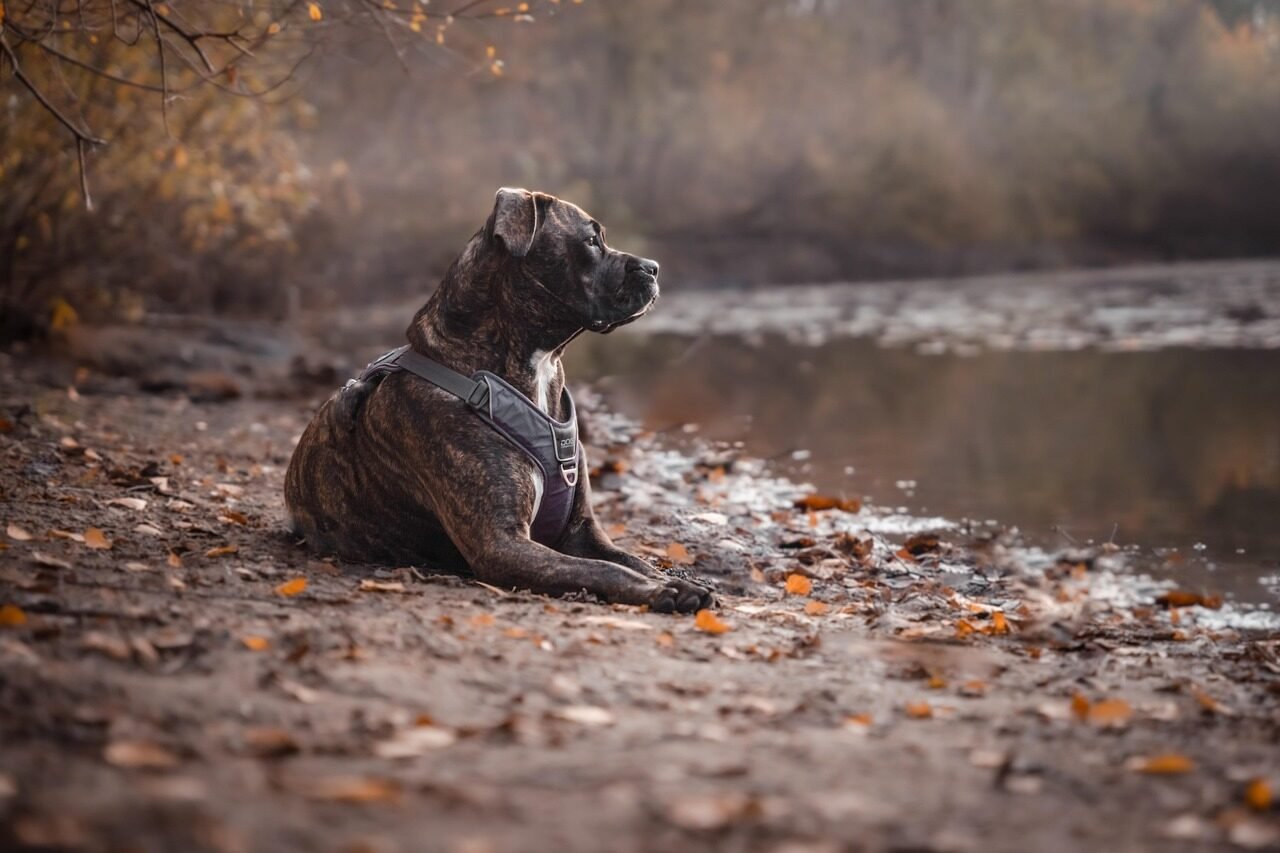
Few dogs carry as much baggage — good and bad — as the pitbull. Ask ten different people what they think of the breed and you’ll likely get ten different answers, ranging from “sweetest dog I’ve ever owned” to “I’d never let one near my kids.” The truth, as it usually is, sits somewhere in the middle of the stereotypes and lives in the details: genetics, upbringing, training, and the individual dog in front of you.
“Pitbull” isn’t actually a single breed — it’s an umbrella term that typically includes the American Pit Bull Terrier, American Staffordshire Terrier, and sometimes Staffordshire Bull Terrier and American Bully, along with countless mixed-breed dogs that get lumped into the category based on appearance alone. This matters more than most people realize, because a lot of what gets attributed to “pitbulls” as a monolith actually varies significantly between these types and, even more, between individual dogs.
This guide walks through where these dogs came from, what they’re actually like to live with day to day, feeding, health, housing, and an honest assessment of who this breed genuinely fits — because pitbull ownership done right is enormously rewarding, and done carelessly, it can go badly for the dog, the owner, and the breed’s already complicated reputation.
Breed Background
The pitbull-type dog’s history traces back to 19th-century England, where Old English Bulldogs and various terriers were crossed to create dogs used in bull-baiting and, after that was banned in 1835, in the illegal blood sport of dog fighting. This history is uncomfortable, but it’s also directly responsible for two traits that shape a lot of modern pitbull behavior: extreme physical tenacity and, somewhat paradoxically, historically low aggression toward humans, since handlers needed to be able to reach into a fighting pit and separate dogs safely.
Immigrants brought these dogs to the United States in large numbers through the late 1800s and early 1900s, where they were rebranded and repurposed as farm dogs, catch dogs for hunting and livestock work, and family companions. For a stretch of American history, the pitbull-type dog was practically the default image of a loyal family dog — Petey from the Little Rascals was an American Pit Bull Terrier, and Sergeant Stubby, one of the most decorated dogs in U.S. military history, was a pit bull-type dog who served in World War I.
The shift in public perception happened gradually from the 1980s onward, driven by a combination of media coverage of high-profile attacks (often involving poorly bred or poorly raised dogs, or misidentified breeds), the association with dog fighting rings and irresponsible breeding for aggression within that underground world, and a wave of breed-specific legislation that both reflected and amplified public fear. Today, pitbull-type dogs are banned or restricted in various cities, counties, and even entire countries, and many home insurance policies and rental properties exclude them by name — something worth researching thoroughly before you commit to one.
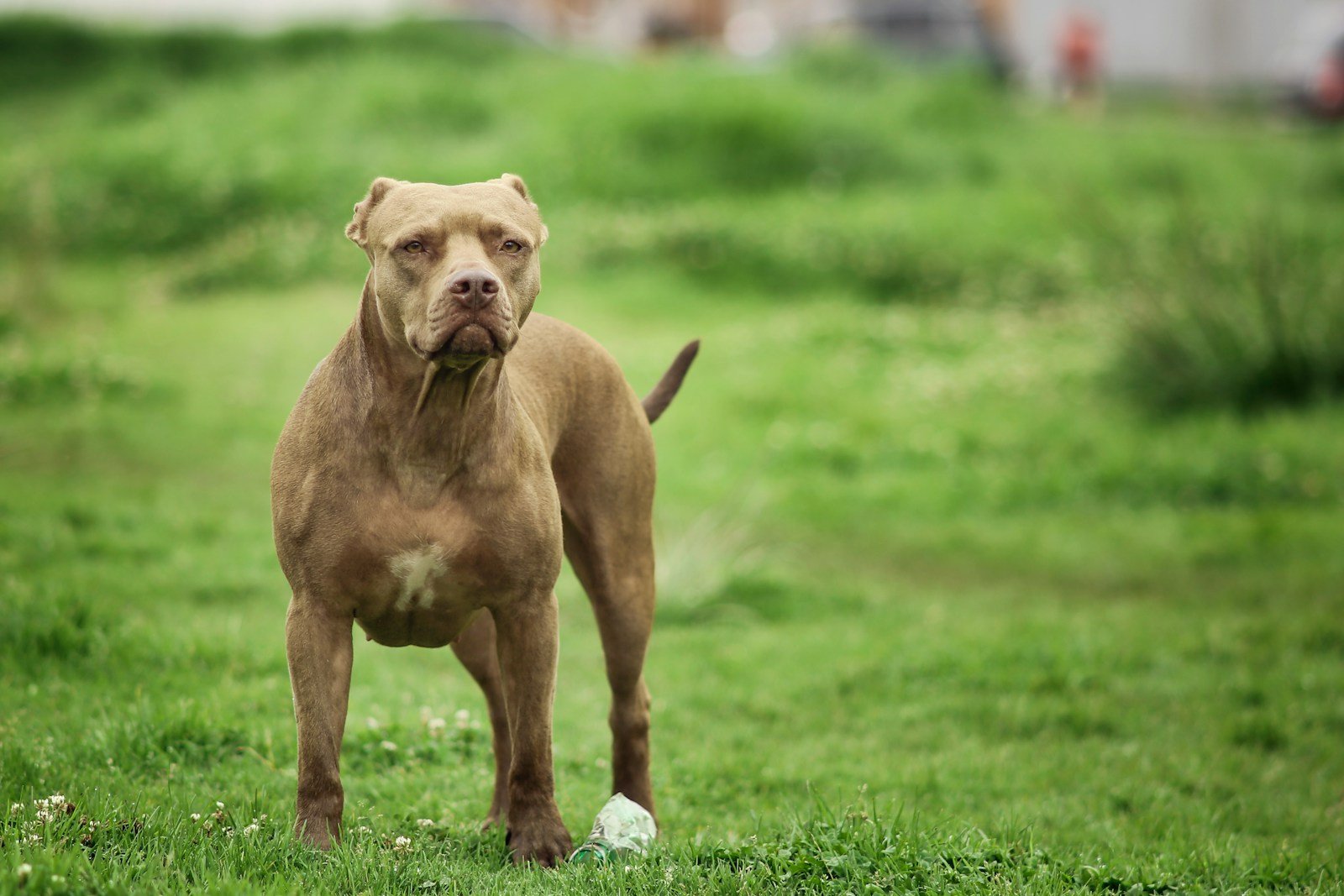
Physically, pitbull-type dogs are medium-sized, muscular, and short-coated, typically standing 17-21 inches at the shoulder and weighing 30-65 pounds depending on the specific type and individual dog, though American Bullies in particular can run considerably heavier and stockier. Their broad heads, strong jaws, and athletic build are often what people fixate on, but these same traits also make them impressively agile, fast, and capable working and sport dogs.
Temperament
This is the section where the gap between reputation and lived reality with actual owners tends to be widest, so it’s worth being thorough and honest here.
They are, on average, extremely people-oriented. Pitbull-type dogs were historically bred to be handled safely by humans even in high-arousal situations, and that legacy shows up today as a breed type that’s frequently described by trainers and behaviorists as eager to please, affectionate, and often described somewhat jokingly as “velcro dogs” for how closely they want to stay near their people. Many pitbulls actively seek out laps, physical contact, and attention well into adulthood, regardless of their size.
They can be dog-selective or dog-aggressive. This is the trait that’s most consistently documented in the breed type’s history and genetics, separate from human-directed aggression. Many pitbulls, even well-socialized ones, become less tolerant of unfamiliar dogs as they mature, sometimes starting around 1-2 years of age. This doesn’t mean every pitbull will have dog aggression, but responsible owners plan for the possibility rather than assuming it won’t happen, which typically means careful, controlled introductions, avoiding unsupervised dog parks, and being attentive to body language during any interaction with unfamiliar dogs.
Prey drive can be significant. Depending on lineage, some pitbull-type dogs have a notable prey drive toward small animals, a trait more pronounced in lines bred for catch work or hunting. This is highly individual, but it’s worth being cautious and gradual when introducing a pitbull to cats or small pets, and some individual dogs simply won’t be safe to house with them regardless of training.
They’re physically powerful and need an owner who can manage that. A strong, athletic 50-60 pound dog that hasn’t been taught leash manners can be genuinely difficult to control, and this isn’t unique to pitbulls, but their strength-to-size ratio makes early training and consistent handling more important than it might be with a less physically powerful breed.
They’re generally not naturally aggressive toward humans. This is backed by both historical breeding purpose and modern behavioral evaluation data — pitbull-type dogs have consistently scored at or above the average pass rate for all breeds tested in the American Temperament Test Society’s evaluations, which assess stability, shyness, and aggression under a range of controlled stimuli. This doesn’t mean an individual dog can’t be human-aggressive due to poor breeding, abuse, or lack of socialization, but it does mean the “inherently dangerous to people” framing isn’t well supported by the data we actually have.
Socialization and training make an outsized difference. More than almost any other widely owned breed type, how a pitbull turns out behaviorally is shaped heavily by early socialization, consistent training, and the specific environment it’s raised in. A pitbull puppy that gets structured exposure to a variety of people, dogs, sounds, and situations during the critical socialization window (roughly 3 to 14 weeks) and continues with basic obedience training tends to grow into a stable, confident adult. Skipping this step, or worse, raising the dog in a chaotic or abusive environment, produces the kind of outcomes that feed the breed’s negative reputation.
Energy levels run high. Most pitbull-type dogs are athletic and need real physical outlets — this isn’t a breed that thrives being left in a backyard alone all day. Under-exercised pitbulls are more prone to destructive behavior, excessive barking, and general frustration, not because they’re inherently unruly, but because they’re a working-line breed type without an outlet for that energy.
Feeding
Pitbulls don’t have particularly exotic dietary needs compared to other medium-to-large athletic dog breeds, but their muscular build and activity level do shape a few practical considerations.
A high-quality commercial dog food is the foundation for most owners. Look for a formula where a named animal protein (chicken, beef, lamb, fish) is the first ingredient, and choose a formula appropriate to life stage — puppy, adult, or senior — since nutritional needs shift meaningfully across a dog’s life. Given their muscular build, many owners lean toward moderate-to-high protein formulas, though extremely high-protein diets aren’t necessary for a dog that isn’t doing intense working or competitive activity.
Portion control matters given their build. Pitbull-type dogs can pack on weight quickly if overfed, and because their muscle mass can mask early weight gain, it’s easy for owners to underestimate a growing waistline until it’s fairly advanced. Regularly checking body condition — being able to feel (not see) ribs with light pressure, and seeing a visible waist tuck from above — is a more reliable gauge than the dog’s weight number alone.
Puppies need controlled growth, not maximum growth. This is especially important for a muscular, medium-large breed type — feeding a puppy formula that promotes excessively rapid growth (or simply overfeeding a growing puppy) is linked to joint problems later in life, including hip and elbow issues. A measured, steady growth curve is healthier long-term than a puppy that “grows fast.”
Food allergies and sensitivities show up somewhat commonly in the breed type, often presenting as skin issues (itching, hot spots, ear infections) rather than digestive symptoms. If a pitbull is dealing with chronic skin problems, a limited-ingredient diet trial, done under veterinary guidance, is often one of the first diagnostic steps.
Treats and training rewards should be factored into daily calorie totals, not treated as separate from the main diet — this is especially relevant for pitbulls, since their trainability and food motivation often means owners lean heavily on treat-based training, which is great for the training relationship but easy to overdo calorically.
Fresh water should be available at all times, and like any athletic breed, exercise timing relative to meals matters — avoiding vigorous exercise right before or after a large meal reduces the (rare but serious) risk of bloat, a concern more associated with deep-chested breeds but worth being generally aware of.
Health
Pitbull-type dogs are generally a robust, hardy group without the extreme structural exaggerations that plague some purebred lines, but they do have some breed-associated health considerations worth knowing.
Hip and elbow dysplasia can occur, as in many medium-to-large breeds, where the joint doesn’t form correctly and leads to arthritis and discomfort over time. Reputable breeders health-test breeding dogs for hip and elbow scores, which is one of many reasons buying from a health-tested line (or adopting and simply being aware) matters.
Skin conditions and allergies are relatively common in the breed type, given their short coat and, in some lines, a genetic predisposition to atopic dermatitis and food sensitivities. Regular grooming, prompt attention to hot spots, and identifying and managing triggers (environmental or dietary) go a long way.
Heart conditions, including a heightened risk of aortic stenosis in some lines, are worth screening for, particularly in dogs from breeders who don’t health-test.
Cerebellar ataxia, a rare inherited neurological condition affecting coordination, has been documented in some pitbull-type lines and is another reason genetic health testing matters when acquiring a puppy from a breeder.
Obesity-related issues are a practical, everyday concern more than a breed-specific genetic one, but given their muscular frame masking weight gain, it’s worth flagging again here — a pitbull carrying extra weight is at meaningfully higher risk for joint stress, diabetes, and a shortened lifespan, the same as any breed.
Routine veterinary care — annual checkups, standard vaccinations, heartworm and flea/tick prevention, and dental care — follows the same general protocol as most medium-large dog breeds, without special exotic considerations. This is genuinely one of the more accessible breed types from a veterinary standpoint compared to something like a fennec fox or chameleon, since virtually every general practice vet is well equipped to treat them.
With good care, pitbull-type dogs typically live 12 to 16 years, which is on the longer end for a dog of their size, and a meaningful, long-term commitment to factor in.
Housing and Exercise
Pitbulls are adaptable in terms of living space — plenty do well in apartments — but their exercise and mental stimulation needs are non-negotiable regardless of square footage.
Space matters less than activity level. A pitbull in a house with a yard but no regular structured exercise will likely be more restless and harder to live with than a pitbull in an apartment who gets daily runs, walks, and playtime. That said, secure fencing is important if you do have yard access — pitbulls are strong, athletic, and can be surprisingly good jumpers and occasional escape artists, especially if under-exercised and looking for an outlet.
Daily exercise is essential, not optional. Most adult pitbull-type dogs do well with 45 minutes to over an hour of real physical activity daily — brisk walks, jogging, fetch, structured play, or dog sports like weight pulling, agility, or flirt pole work, which many pitbulls take to enthusiastically given their athleticism and drive.
Mental stimulation matters as much as physical exercise. Puzzle feeders, obedience and trick training sessions, and scent work all help satisfy the breed type’s intelligence and eagerness to work with their owner. A physically tired but mentally under-stimulated pitbull can still develop problem behaviors.
Secure, thoughtful management around other dogs is part of responsible housing, not an afterthought — this means secure fencing that prevents accidental encounters with neighboring dogs, careful supervision at home if there are other pets, and generally avoiding free-for-all dog parks, which carry real risk for many pitbull-type dogs regardless of how well-socialized they are.
Breed-specific legislation directly affects housing options. Because of restrictions on pitbull-type dogs in certain cities, counties, and rental housing, it’s worth researching local laws and any housing you’re considering — including future moves — before committing to ownership, since this is one of the more practical, unglamorous realities of owning this breed type that catches people off guard later.
Training
Training deserves its own section here because it matters more for this breed type’s real-world outcomes than almost any other single factor.
Early, consistent socialization is the foundation. Puppy socialization classes, controlled exposure to a variety of people and situations, and positive experiences with other calm, well-mannered dogs during puppyhood set the trajectory for adult temperament more than almost anything else an owner does.
Basic obedience training isn’t optional for this breed type — it’s a responsibility. Given their strength and the disproportionate scrutiny pitbull-type dogs face in public, solid leash manners, a reliable recall, and basic commands (sit, stay, leave it) aren’t just convenience — they’re part of being a responsible owner in a world where this breed type is watched more closely and judged more harshly than most.
Positive reinforcement methods tend to work exceptionally well, given how food-motivated and eager to please most pitbulls are. Harsh or punishment-based training methods are both less effective and more likely to damage trust with a breed type that’s already prone to being handled roughly by people who misunderstand them.
Bite inhibition and impulse control work matter, as they do with any dog, but carry extra weight here given how disproportionately a single bite incident from a pitbull-type dog gets reported and generalized compared to the same incident from another breed.
Many pitbull owners find that their dogs excel in structured activities beyond basic obedience — therapy dog work (a growing and increasingly visible role for well-trained pitbulls specifically, partly as counter-programming to the breed’s reputation), agility, and various dog sports, all of which channel their intelligence and drive productively.
Cost of Ownership
Pitbull-type dogs are one of the more affordable breed types to acquire, especially through adoption — many shelters have a significant number of pitbull and pitbull-mix dogs available, often for a fraction of the cost of a breeder puppy, and adoption fees frequently include spay/neuter, initial vaccinations, and microchipping. Breeder puppies from health-tested lines typically range from $500 to $2,000+ depending on lineage and region. Ongoing annual costs — food, routine vet care, flea/tick and heartworm prevention, training — generally fall in line with any medium-large breed, roughly $1,000 to $2,000 per year, though this can climb with health issues, breed-specific insurance premiums (some insurers charge more or exclude the breed entirely), or higher pet deposits and liability insurance sometimes required by landlords or homeowners’ insurance specifically because of the breed.
Choosing a Pitbull: Adoption vs. Breeder
Given how many pitbull-type dogs end up in shelters — they’re consistently among the most surrendered and euthanized breed types in the U.S. — adoption deserves serious consideration alongside the breeder route.
Adoption. Shelters and breed-specific rescues typically have staff or volunteers who’ve observed a dog’s temperament over weeks or months, which can actually give you more real-world behavioral information than meeting an eight-week-old breeder puppy whose adult personality is still mostly unknown. Many rescues also offer foster-to-adopt programs, letting you trial the relationship before committing, which is particularly valuable given how much individual variation exists within the breed type. Adoption fees are typically far lower than breeder prices and often bundle in spay/neuter, vaccines, and microchipping.
Buying from a breeder. If you go this route, prioritize breeders who health-test for hip/elbow dysplasia and heart conditions, can show you the puppy’s parents (temperament is partly heritable, and meeting the parents tells you a lot), and are transparent and unbothered by detailed questions about their breeding practices. Be wary of anyone breeding specifically for extreme size, an unusually “intimidating” look, or gameness/aggression — these are red flags regardless of how the breeding is marketed.
Red flags regardless of source: a dog with an unknown or vague history, visible signs of neglect or poor health, extreme fearfulness or reactivity during a meet-and-greet that isn’t explained by an obvious recent trauma, or a seller/shelter unwilling to let you spend real time with the dog before committing.
Puppy or adult? Adult dogs, particularly from shelters, often come with the temperament groundwork already somewhat established, which can actually be an advantage for first-time pitbull owners who want fewer unknowns. Puppies require more investment in socialization and training but let you shape those experiences directly from the start.
Frequently Asked Questions
Are pitbulls more dangerous than other dog breeds? The data here is genuinely contested and often complicated by inconsistent breed identification (many dogs labeled “pitbull” in bite statistics or news reports are visually misidentified, since it’s a type rather than a single verifiable breed). What’s better supported is that individual dog behavior is shaped heavily by upbringing, socialization, and management, and that breed-specific legislation has not been shown to reliably reduce dog bite incidents in the cities and countries that have implemented it, which is why many veterinary and animal behavior organizations have moved away from supporting such bans in favor of responsible-ownership-focused policies instead.
Can pitbulls be good with children? Many are, and the breed type has a long history of being specifically valued as a family and “nanny” dog in earlier eras of American pet ownership. That said, no dog of any breed should be left unsupervised with young children, and teaching kids to respect a dog’s space and body language matters as much as the dog’s own temperament.
Do pitbulls have locking jaws? No — this is a persistent myth without anatomical basis. A pitbull-type dog’s jaw structure is not meaningfully different from other dogs of similar size in terms of “locking” mechanism. Their bite strength and tenacity during a hold (a trait linked to their historical use) are real, but the “locking jaw” claim specifically has been debunked by veterinary anatomists repeatedly.
Why do some insurance companies and landlords exclude pitbulls? This is largely driven by breed-specific legislation history, insurance industry risk modeling based on breed-labeled bite claim data (which carries the same misidentification issues mentioned above), and simple reputational caution rather than a precise, individualized risk assessment. It’s a frustrating reality for many responsible owners, but a very practical one to research before committing to the breed.
What’s the difference between an American Pit Bull Terrier, American Staffordshire Terrier, and American Bully? Broadly, American Pit Bull Terriers tend to be more athletic and moderate in build, American Staffordshire Terriers are a related but separately recognized breed with similar temperament tendencies, and American Bullies have been selectively bred more recently for a stockier, heavier build and, in most lines, an even more laid-back temperament. All three (along with mixes) commonly get grouped under the “pitbull” umbrella in everyday conversation, even though they have some real differences in build and, to a lesser extent, temperament tendencies.

Honest Ownership Assessment
Pitbulls occupy a strange space in American pet culture — simultaneously one of the most commonly available dogs in shelters and one of the most stereotyped and restricted. Here’s a realistic look at who this breed type actually suits.
A pitbull might be right for you if:
- You want an affectionate, people-focused dog that genuinely enjoys close physical contact and closeness with its family
- You’re committed to daily exercise and mental enrichment, not just occasional walks
- You’re prepared to manage interactions with unfamiliar dogs carefully and skip unsupervised dog parks
- You’ve verified that local laws, your housing situation, and your insurance policy actually allow the breed
- You’re comfortable with consistent, positive-reinforcement-based training as an ongoing part of life with the dog, not a one-time puppy class
- You’re willing to be a visible, responsible ambassador for a breed type that faces more public scrutiny than most
- You don’t have small pets in the home, or you’re prepared for careful, gradual, closely supervised introductions with no guarantee of success
A pitbull is probably not right for you if:
- You’re not able or willing to provide substantial daily exercise
- You live somewhere with breed-specific legislation restricting or banning the breed, or your insurance/landlord won’t allow it
- You have unfamiliar dogs regularly in close, unsupervised proximity (a dog park-heavy lifestyle, for instance) and aren’t prepared to change that
- You’re drawn to the breed mainly for image or protection purposes rather than genuine compatibility with your lifestyle
- You’re not prepared to invest time in training and socialization, particularly during puppyhood
- You have small pets and aren’t willing to accept the uncertainty and management that mixing them with a prey-driven dog can require
The gap between the pitbull stereotype and the pitbull most owners actually live with day to day is enormous, and that gap is largely explained by genetics interacting with environment — the same dog raised by a neglectful or abusive owner and by a committed, attentive one can turn out very differently. If you’re seriously considering a pitbull, spend time with adult dogs of the type (many shelters allow extended visits or foster-to-adopt arrangements specifically for this reason), talk to current owners honestly about both the rewards and the real management responsibilities, and go in with your eyes open about the legal and social realities that come with the breed, not just the loyal, goofy companion you’ll likely find waiting for you at home.