 By Admin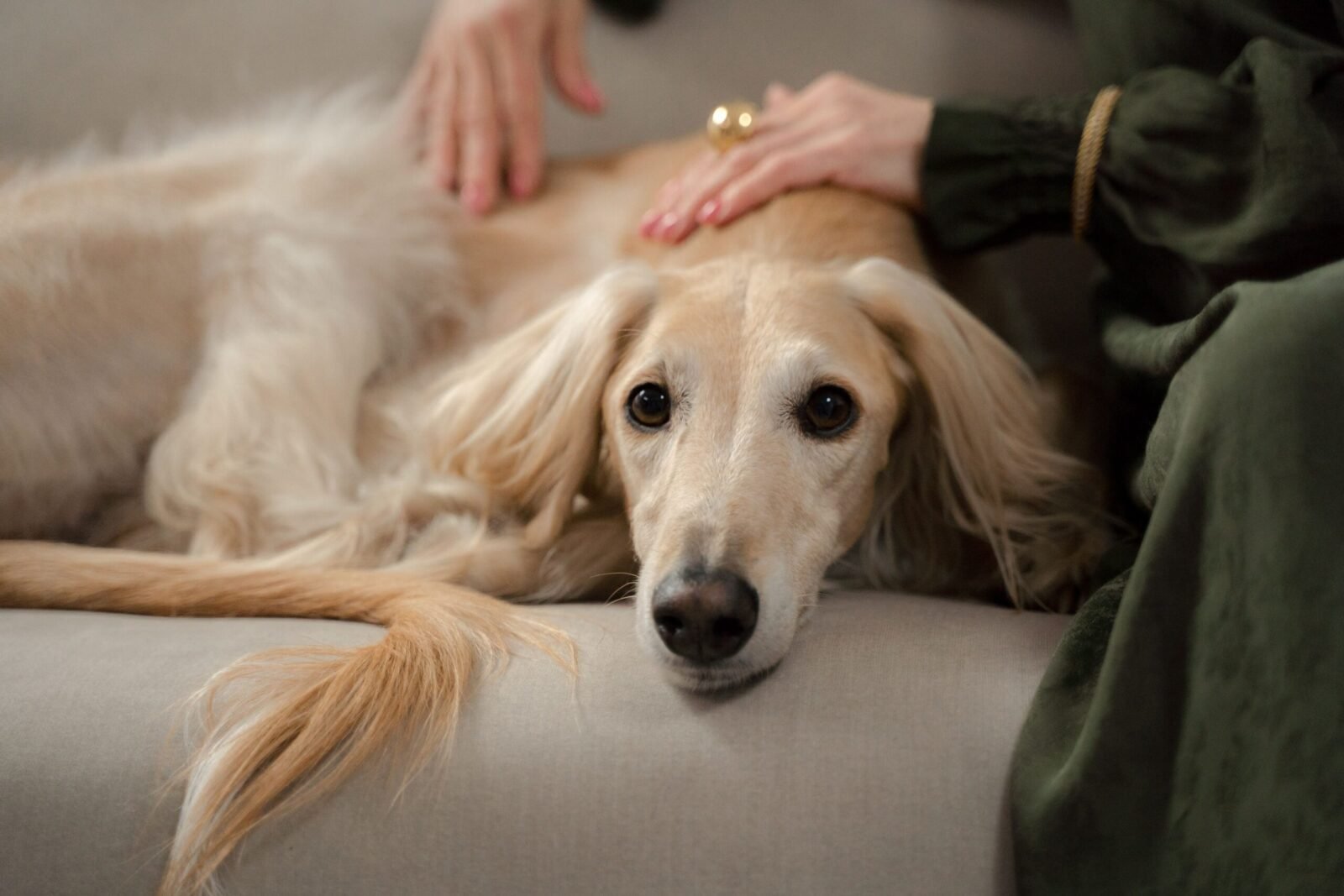
There’s a moment that happens to almost everyone the first time they see an Afghan Hound in person. It’s not quite recognition, because most people have never seen one up close, and it’s not quite disbelief either. It’s more like watching a horse walk into a room where you were expecting a dog. The silky curtain of hair, the impossibly narrow face, the way the whole animal seems to move in slow motion even when it’s covering ground fast — Afghan Hounds have a presence that photographs never quite capture. You have to see the ears swing, the topknot bounce, the tail curl up over the back like a question mark, to understand why this breed has been called the “king of dogs” in some circles for centuries.
But here’s the thing about Afghan Hounds that doesn’t show up in the glamour shots: this is one of the most misunderstood breeds in the show ring and one of the most demanding to actually live with. People fall for the coat and the cheekbones and end up completely unprepared for what’s underneath — a genuinely ancient, genuinely independent, genuinely aloof sighthound that was never bred to care what you think of it. If you’re considering one, or you already share your home with one and are trying to figure out why your dog acts like royalty that tolerates you, this guide is for you.
A Breed With a Real History, Not a Marketing Story
Afghan Hounds are old. Not “old” in the loose way breed descriptions throw the word around, but genuinely ancient — there are depictions of sighthounds resembling Afghans on artifacts and in regions of the Middle East and Central Asia going back thousands of years. The breed as we know it developed in the mountainous terrain of Afghanistan, where the climate swings from brutal winter cold to scorching summer heat, and the landscape is a mix of rocky highlands and open plains.
This matters because it explains almost everything about the dog you bring home today. The Afghan Hound wasn’t bred as a companion animal or a lap dog. It was bred by nomadic and tribal peoples to hunt — and not just rabbits. Afghans were used to course gazelle, hare, and even larger predators like wolves and snow leopards in some regions, working in tandem with hunters on horseback or on foot across difficult terrain. A dog doing that job needs several things: extraordinary speed, the endurance to sustain a chase across rough ground, keen eyesight to spot movement at a distance, and — critically — the independent judgment to make split-second decisions without waiting for instructions from a human who is nowhere nearby.
That last point is the one people underestimate. Herding breeds and retrievers were bred to work closely with people, taking cues constantly. Sighthounds like the Afghan were bred to work at a distance, spot prey, and chase it down using their own instincts. There was no time for “sit” and “stay” during a hunt across a mountainside. This is baked into the breed’s temperament, and no amount of modern suburban living has bred it out.
The dense, silky coat also isn’t decorative — it evolved to insulate the dog against the extreme temperature swings of the Afghan highlands, while the short, smooth hair on the face and front of the saddle likely helped reduce overheating and kept the coat from becoming impossibly matted during a chase through brush.
Afghan Hounds were brought to the West gradually through the early twentieth century, with British officers and travelers bringing dogs back from Afghanistan and neighboring regions, and the breed was eventually refined and standardized in the UK before catching on in the United States by the 1930s and 40s. Once they arrived in Western show rings, their striking looks made them an instant sensation, and they’ve held a devoted, if niche, following ever since.
What an Afghan Hound Actually Looks Like
The AKC and other kennel clubs describe the Afghan as a large, elegant, aristocratic-looking hound, standing roughly 25 to 27 inches at the shoulder for males, with females running slightly smaller, and weighing somewhere between 50 and 60 pounds depending on the individual. But raw measurements undersell the visual effect of the breed. Everything about an Afghan Hound’s structure is built for speed and endurance: a long, level back, a deep chest with plenty of room for lung capacity, and powerful, well-muscled hindquarters that give the dog its explosive acceleration.
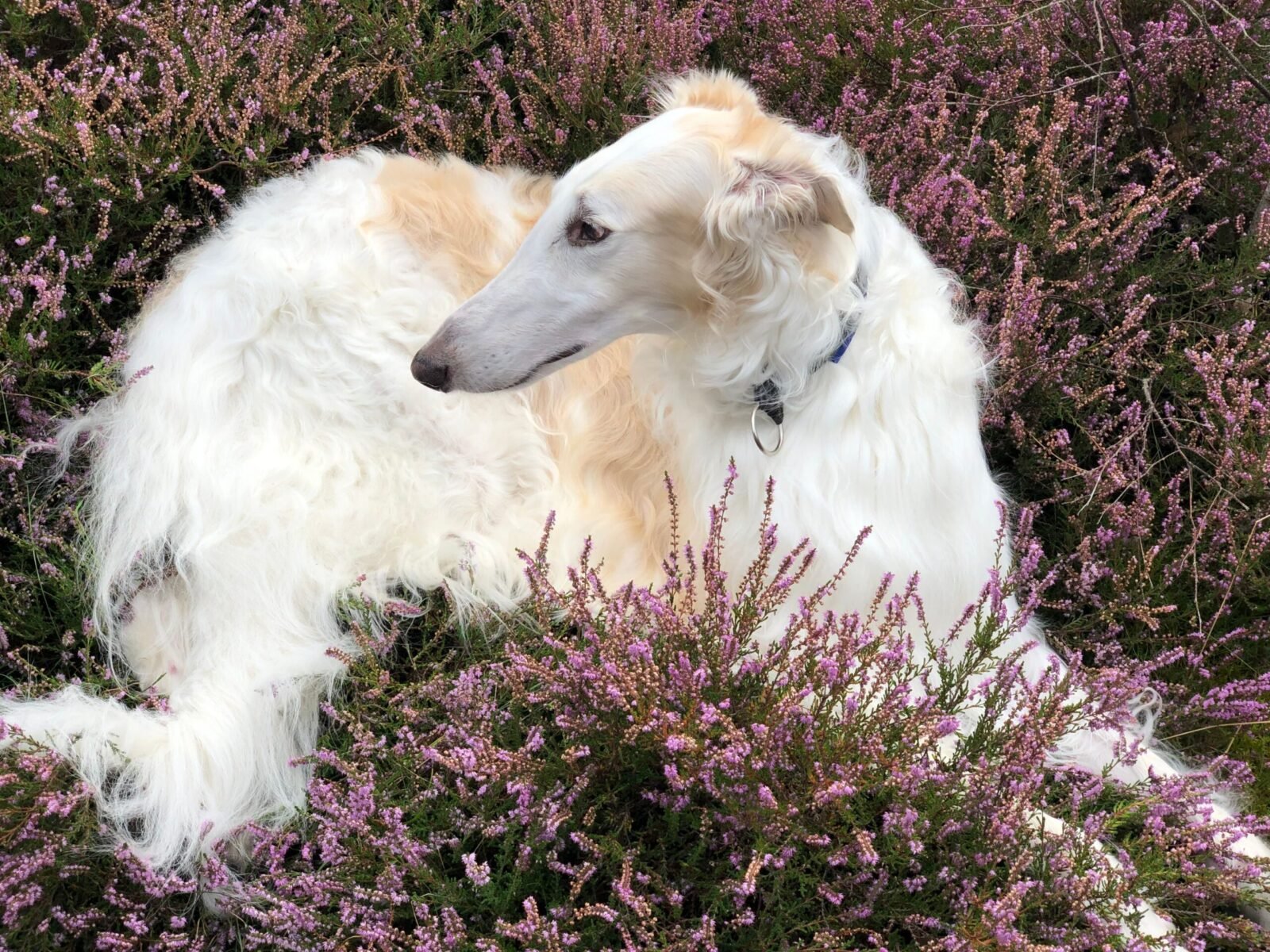
The head is where the breed becomes unmistakable. Afghans have a long, narrow skull with a pronounced occiput (that bump at the back of the head), a straight muzzle, and dark, almond-shaped eyes that give the dog an almost otherworldly, distant expression. Combined with the long silky topknot and the way the ears hang in loose curls, the overall look is often described as “regal” or “dignified” — and it’s not just marketing language. Even Afghan Hound puppies, before their adult coats fully come in, tend to carry themselves with an odd sort of poise.
Then there’s the coat, which is really the breed’s calling card. It comes in nearly every color imaginable — black, cream, red, blue, silver, brindle, domino patterns, and combinations thereof — and it’s long, fine, and silky over most of the body, with a distinctly shorter, smoother saddle of hair along the back from the shoulders down. This saddle is actually a breed hallmark; a mature, correctly coated Afghan should have that smooth strip visible even under all the flowing hair elsewhere. The tail is long, low-set, and carries a curl at the end — famously described as looking like a “ring” when the dog is moving or excited.
Temperament: Elegant, Independent, and Not Terribly Interested in Your Opinion
If there’s one word that shows up in nearly every serious description of Afghan Hound temperament, it’s “aloof.” This isn’t code for unfriendly or aggressive — most well-socialized Afghans are perfectly civil, even affectionate on their own terms — but it does mean this is not a breed that lives to please you. Afghans tend to form a strong bond with their household but express it quietly, in their own time, rather than with the constant, eager check-ins you’d get from a Labrador or a Golden Retriever.
Around strangers, Afghans are frequently reserved, sometimes to the point of seeming standoffish. They’re not typically the dog barreling across the dog park to make new friends. Many Afghan owners describe their dogs as almost cat-like in their social calculus — affectionate when they decide to be, content to observe from a distance the rest of the time. This isn’t a flaw; it’s just who the breed is, and people who want a dog that greets every visitor like a long-lost friend are usually happier with a different breed entirely.
Where the Afghan Hound temperament gets genuinely tricky for new owners is the independence and the intelligence combination. Afghans are smart — but their intelligence isn’t the obedience-school kind of smart. It’s the kind of intelligence that made a dog useful chasing gazelle across a mountainside without human direction, which translates in a modern household into a dog that is perfectly capable of learning commands and simply choosing, in a given moment, whether following them serves any purpose to him. Trainers and long-time owners often joke that Afghans understand exactly what you’re asking — they just don’t always see the point.
This independence pairs with the breed’s sighthound instincts to create the single most important behavioral fact anyone considering an Afghan needs to internalize: this dog will chase things, and once it commits to a chase, recall becomes largely theoretical. A squirrel, a cat, a jogger, a plastic bag blowing across a field — anything that moves erratically can trigger the prey drive, and an Afghan at full speed is one of the fastest dogs in the world, capable of covering huge distances before you’ve finished shouting its name. Off-leash freedom in unfenced areas is genuinely dangerous for this breed, not because the dog is disobedient in a general sense, but because the instinct to chase overrides almost everything else in the moment it fires.
None of this makes the Afghan a bad companion — it makes it a specific kind of companion, one suited to owners who want a dignified, low-drama presence in the home rather than a velcro dog glued to their side.
Living With an Afghan Hound Day to Day
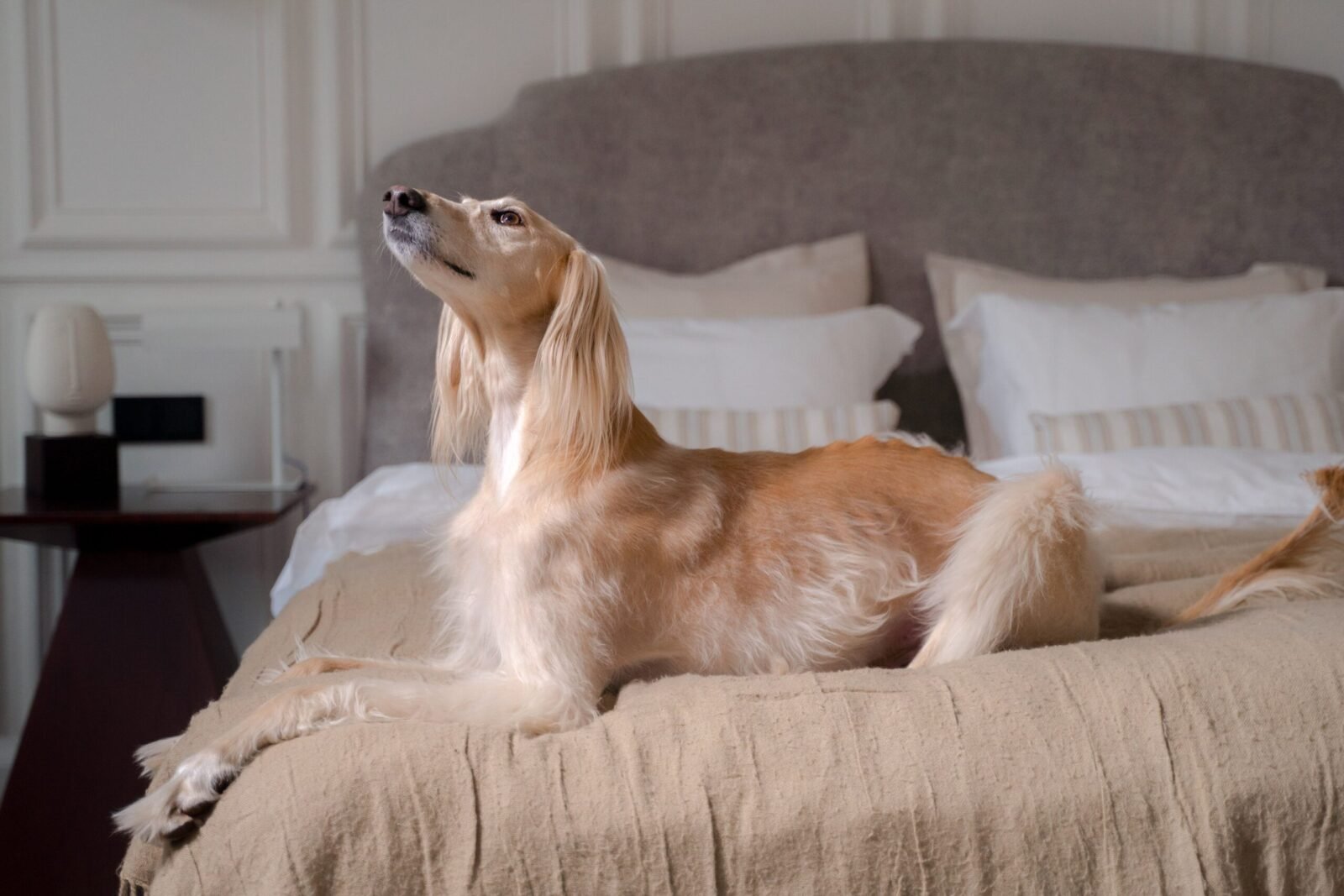
Despite the racing pedigree, Afghan Hounds are not the constant-motion, bouncing-off-the-walls type of athletic dog. In the house, a well-exercised adult Afghan is often surprisingly calm — content to drape himself across furniture (they do love furniture) and observe the household with detached interest. This “couch potato with a switch” quality — mellow indoors, explosive outdoors — is common across sighthound breeds, and Afghans fit the pattern well.
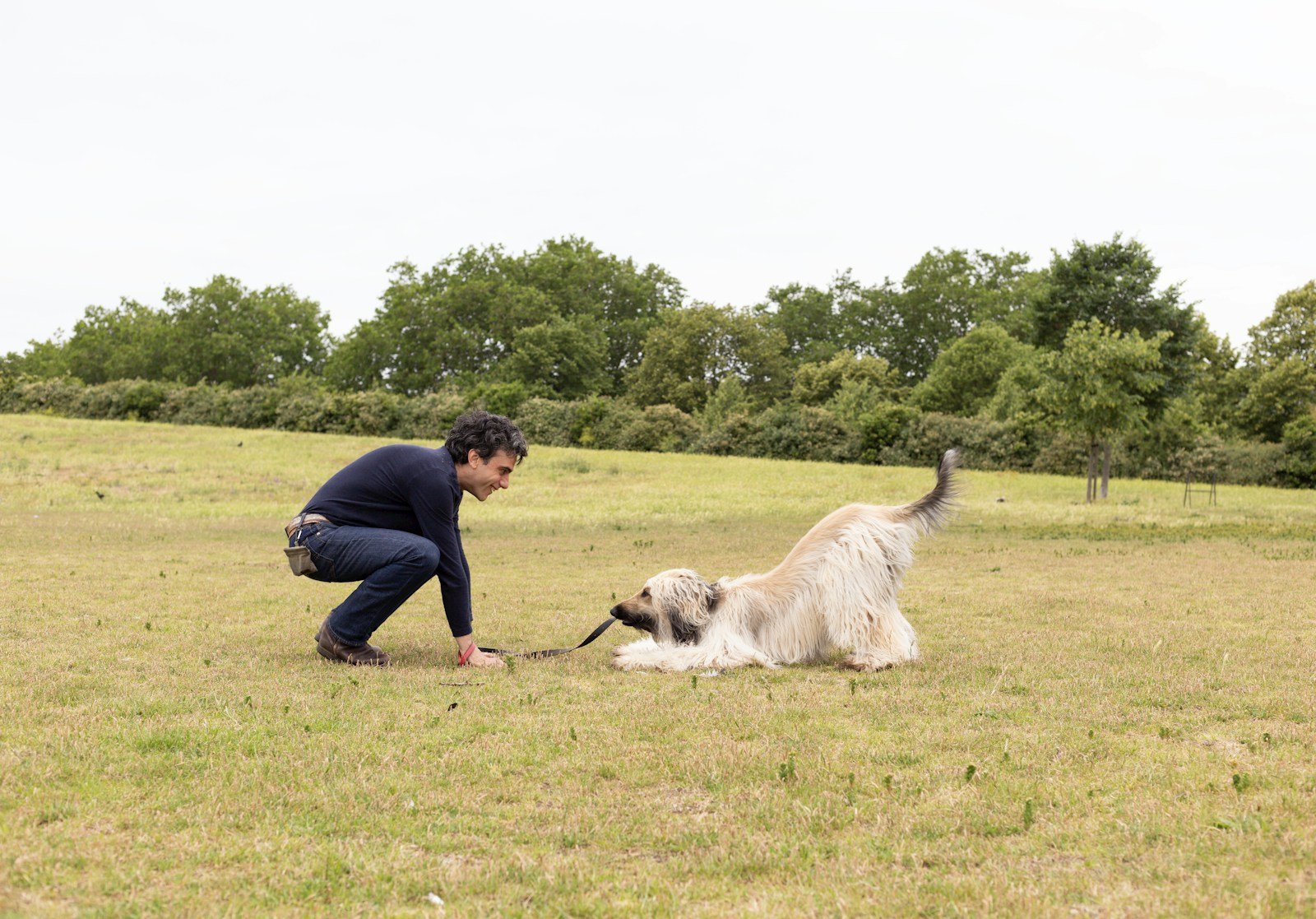
That said, they do need real exercise. A daily walk around the block isn’t enough to satisfy a dog built for distance running. Afghans benefit enormously from securely fenced yards where they can stretch their legs, and many owners find that structured activities like lure coursing — a sport specifically designed around a sighthound’s instinct to chase a mechanically operated lure — give the dog an outlet that a simple walk never could. Some Afghans also do well in agility or obedience competition, provided the handler brings a good deal of patience and treats the training as a negotiation rather than a command structure.
Because of their size and coat, Afghans aren’t particularly well suited to tiny apartments unless the owner is committed to getting the dog out for real activity multiple times a day. They also don’t tolerate extreme heat well despite their desert-adjacent ancestry — that thick coat, ironically, can make hot climates uncomfortable, and owners in warmer regions need to be thoughtful about exercise timing and cooling.
The Coat: Beauty That Comes With a Price
Let’s talk honestly about the grooming, because this is where a lot of Afghan Hound ownership either becomes a genuine joy or a genuine burden, depending on the owner’s temperament and time.
That flowing coat requires brushing several times a week at minimum — daily is often recommended for dogs kept in full show coat — using a proper pin brush and a wide-tooth comb to work through mats before they set in. Afghan hair mats easily, particularly behind the ears, under the front legs, and around the hindquarters, and once a mat sets into that fine silky texture, it can be genuinely painful to remove without cutting it out. Bathing is also frequent for the breed, often every one to two weeks for dogs in full coat, using a quality conditioning shampoo, because a dry or dirty coat mats faster and looks dull rather than glossy.
Many pet owners — as opposed to show owners — opt to keep their Afghan in a shorter “puppy cut” or “pet trim,” which dramatically reduces the grooming burden while sacrificing some of the breed’s signature glamour. This is a completely reasonable choice, and it’s worth discussing with a groomer familiar with the breed before you commit to maintaining a full show coat at home, because underestimating this commitment is one of the most common reasons Afghan Hounds end up in rescue.
Beyond brushing and bathing, routine care includes regular nail trims, ear checks (those low-hanging, furry ears can trap moisture and debris), and dental care like any other breed. None of this is exotic, but the sheer time investment in the coat alone puts Afghan grooming in a different category from most breeds people are used to.
Health and Lifespan
Afghan Hounds are generally a long-lived breed for their size, with a typical lifespan in the range of 12 to 15 years, and many are relatively healthy dogs when sourced from a reputable breeder who screens for known issues.
That said, there are a handful of conditions prospective owners should know about. Hip dysplasia occurs in the breed, as it does in many larger dogs, and reputable breeders will have hip evaluations on their breeding stock. Hypothyroidism shows up periodically in Afghans and can cause weight gain, coat changes, and lethargy — fortunately, it’s manageable with medication once diagnosed. Cataracts and other eye conditions are worth screening for as well, given the breed’s reliance on keen eyesight historically.
One health consideration that’s specific to the sighthound family broadly, including Afghans, is sensitivity to anesthesia. Sighthounds tend to have low body fat and a different metabolism for certain anesthetic drugs compared to other breeds, which means it’s worth discussing sighthound-specific anesthesia protocols with your veterinarian before any surgery, including routine spay or neuter procedures. A vet unfamiliar with sighthounds may not know to adjust dosing, and this is a genuinely important detail to raise proactively.
As with any purebred dog, working with a breeder who health-tests their breeding stock — hips, thyroid function, and eye exams at minimum — dramatically improves the odds of ending up with a healthy dog, and it’s worth the extra research and the likely longer wait and higher price tag involved.
Training an Afghan Hound Without Losing Your Mind
If you come into Afghan Hound ownership expecting the trainability of a Border Collie or a Poodle, you are going to have a rough time and probably blame the dog for something that’s really just breed temperament. Afghans can absolutely be trained — they compete in obedience, they walk nicely on leash, they learn household rules — but the process looks different from training a breed bred for eager cooperation.
Positive reinforcement is essential here, arguably more than with almost any other breed. Afghans respond poorly to harsh corrections or repetitive drilling; a dog with this much independence and this little interest in pleasing you for its own sake will simply disengage if training feels like a battle of wills, and once an Afghan checks out of a training session, you’ve lost the session. Short, high-value, food-motivated sessions tend to work far better than long drilling, and building training into games rather than formal obedience drills often gets better results.
Recall training deserves special mention, mostly because it needs an honest asterisk next to it. You can absolutely train solid recall in controlled, low-distraction settings, and a well-trained adult Afghan can be quite reliable around the house and yard. But because of the sighthound prey drive discussed earlier, most experienced Afghan owners never fully trust off-leash recall in open, unfenced spaces where a squirrel or rabbit could appear. This isn’t a training failure — it’s a realistic acknowledgment of what several thousand years of purpose-breeding for independent hunting looks like in practice. Treat leashes and secure fencing as non-negotiable rather than a failure of training, and you’ll save yourself heartbreak.
Early socialization matters enormously for this breed, given the natural reserve around strangers. Puppy classes, varied exposure to people, environments, and other dogs during the critical early months help an Afghan grow into a confident, appropriately social adult rather than an overly shy or reactive one.
Feeding an Afghan Hound
Afghan Hounds do well on a high-quality commercial diet appropriate for large, active breeds, and portion control matters — their lean, athletic build is part of the breed standard, and it’s easy to overfeed a dog whose coat can hide early weight gain until it’s fairly advanced. Most adult Afghans do well on two measured meals a day rather than free-feeding, both for weight management and because large, deep-chested breeds carry an elevated risk of bloat (gastric dilatation-volvulus), a genuine emergency condition.
Speaking of which, that deep chest is a real risk factor worth taking seriously. Feeding smaller meals rather than one large meal, avoiding vigorous exercise immediately before or after eating, and knowing the warning signs of bloat — a distended abdomen, unproductive retching, restlessness, and obvious distress — are worth every Afghan owner’s attention, because bloat can become life-threatening within hours.
Afghan Hounds and Families, Kids, and Other Pets
Afghans can do well in families with older, respectful children who understand not to treat the dog like a stuffed toy or chase it around, but their reserved, sometimes touch-sensitive nature makes them a poorer match for households with very young or boisterous kids who might grab, tug, or startle the dog. This isn’t unique to Afghans, but it’s worth flagging given their independent temperament and lower tolerance for being pestered compared to a more classically patient family breed.
With other dogs, Afghans generally do fine, particularly when raised together or properly introduced, though their aloofness means they’re not always the dog initiating play. With small pets — cats, rabbits, small dogs the Afghan didn’t grow up with — caution is warranted. Sighthound instincts don’t distinguish neatly between a squirrel and the neighbor’s cat, and small, fast-moving animals can trigger prey drive regardless of how gentle the individual dog otherwise is. Careful, gradual introductions and ongoing supervision matter here, and some Afghans simply never become fully trustworthy around small animals, no matter the training investment.
An Honest Ownership Assessment
Here’s where we need to step back from the glamour and talk plainly, because there’s a real gap between the Afghan Hound of magazine covers and the Afghan Hound of daily life, and that gap catches a lot of well-meaning people off guard.
The coat alone rules this breed out for anyone who isn’t prepared to either commit real, recurring time to brushing and bathing, or to accept a much shorter, easier-to-maintain trim that sacrifices the breed’s signature look. There is no version of Afghan ownership where the coat takes care of itself. If brushing a dog several times a week sounds like a chore rather than something you’d genuinely enjoy, this isn’t your breed, full stop.
The temperament question is just as important and less obvious to first-time sighthound owners. If what you want is a dog that greets you at the door in a frenzy of joy, curls up against you on the couch every evening, and lives for your approval, an Afghan Hound will likely disappoint you — not because something is wrong with the dog, but because you’re expecting a personality this breed was never built to have. Afghans give affection on their own schedule, in their own understated way, and owners who can appreciate that rather than resent it tend to be genuinely happy with the breed. Owners looking for constant emotional reciprocation usually end up frustrated.
The exercise and containment needs are non-negotiable too. A secure fence isn’t optional hardware for this breed — it’s closer to a requirement, given how fast and how far an Afghan can travel once prey drive kicks in, and how genuinely difficult recall becomes in that moment regardless of training quality. If you live somewhere without access to safely enclosed space, or you’re not willing to keep this dog leashed in open areas indefinitely, you’re setting both yourself and the dog up for a dangerous situation, not an occasional inconvenience.
Financially, Afghans are not a budget breed. Between the grooming costs (many owners who don’t groom at home pay for professional grooming every few weeks), quality food appropriate for an active large breed, and the higher upfront cost of a health-tested puppy from a reputable breeder, this is a dog that asks for a real financial commitment on top of the time commitment.
None of this means the Afghan Hound is a bad choice — for the right person, this is an extraordinary, deeply rewarding breed to share a home with. But the right person here is specifically someone who wants a calm, dignified household presence rather than a clingy companion, who finds grooming meditative rather than tedious, who has the space and fencing to let the dog run safely, and who won’t take the breed’s natural reserve personally. If that sounds like you, an Afghan Hound might be one of the most striking, singular dogs you’ll ever share your life with. If it doesn’t sound like you, there’s no shame in that either — better to know now than after you’ve brought home a dog who deserves an owner suited to who he actually is, not who you hoped he’d be.
Final Thoughts
The Afghan Hound occupies a strange space in the dog world: instantly recognizable, widely admired, and genuinely misunderstood by most people who’ve never lived with one. Behind the flowing coat and the runway-model bone structure is a dog with thousands of years of purpose-built independence, a hunting instinct that hasn’t gone anywhere despite generations in Western living rooms, and a personality that rewards patience and respect far more than it rewards insistence.
Owning an Afghan Hound isn’t like owning most other large breeds. It asks more of you in specific, predictable ways — the coat, the containment, the emotional patience — and gives back something genuinely different in return: a quietly elegant companion who chose, in his own way and on his own timeline, to let you into his world. For the right owner, that trade is more than worth it.