
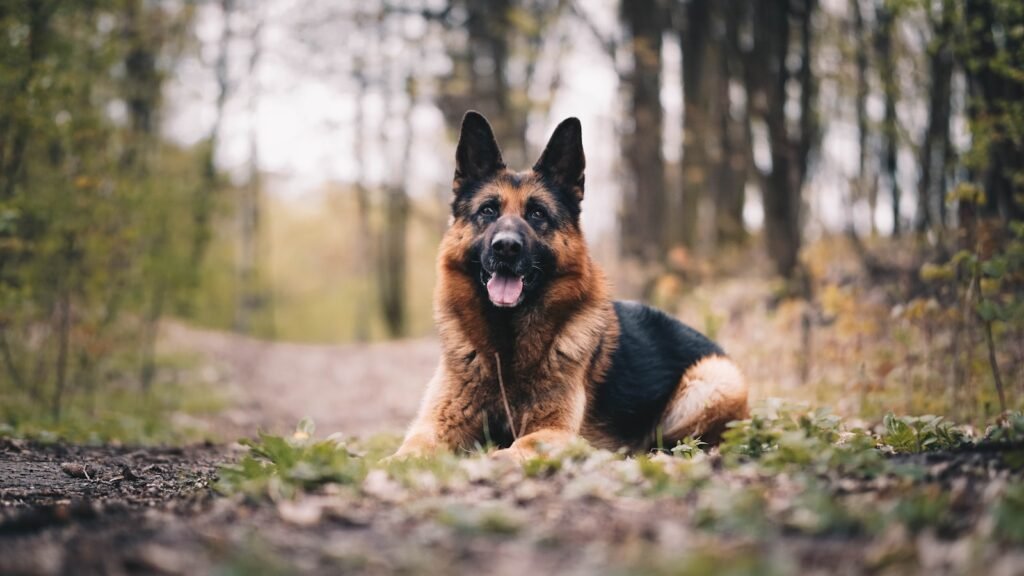

If you’ve ever watched a German Shepherd work a room, you already understand the appeal. There’s something about the way they move, alert but unhurried, confident without being showy, that makes people stop and stare. Ask anyone who has owned one and you’ll hear a version of the same story: they didn’t just get a dog, they got a shadow, a co-pilot, a four-legged family member who seemed to understand them better than some humans do.
But German Shepherds aren’t a “set it and forget it” breed. They’re smart, they’re active, and they need an owner who’s genuinely ready for the responsibility that comes with a dog this capable. This guide walks through what it’s really like to live with a German Shepherd, how to take care of one properly, and where you can actually find one if you’re in the United States and thinking about bringing one home.
A Quick Look at the Breed’s Background
German Shepherds were developed in Germany in the late 1800s, largely thanks to a cavalry officer named Max von Stephanitz, who wanted to create the ideal herding dog. He got more than he bargained for. The breed turned out to be so versatile that it moved far beyond farms and pastures into police work, military service, search and rescue, guide dog work, and, of course, family homes.
That versatility is baked into their temperament. These are dogs bred to think on their feet, work closely with a handler, and problem-solve without constant direction. It’s part of what makes them extraordinary companions, and it’s also part of what makes them a handful if their needs aren’t met.
What It’s Actually Like to Live With One
People often picture German Shepherds as serious, no-nonsense working dogs, and in a professional setting, that’s often true. At home, though, most owners will tell you they’re closer to goofballs with an off switch that takes years to find. They lean on you. They follow you from room to room. Many of them are convinced they’re lap dogs despite weighing eighty pounds.

They’re also famously loyal, sometimes to a fault. A well-socialized German Shepherd will typically be warm with family and reserved with strangers, which is exactly the balance most people are looking for in a protective but non-aggressive pet. Poor socialization, on the other hand, can tip that reserve into wariness or even fear-based reactivity, which is why the first year of a Shepherd’s life matters so much.
They are, without question, intelligent. German Shepherds regularly rank near the top of canine intelligence studies, right up there with Border Collies and Poodles. That intelligence is a double-edged sword. A bored German Shepherd doesn’t just nap through the afternoon; it will find a project. Sometimes that project is your couch cushions.
Exercise: The Non-Negotiable Part
If there’s one area where new German Shepherd owners get caught off guard, it’s exercise. This isn’t a breed that’s satisfied with a short walk around the block. Most adult German Shepherds need somewhere between sixty and ninety minutes of physical activity a day, and that number climbs even higher for dogs bred from working or high-drive lines.
But here’s the part people miss: it’s not just about tiring out their bodies. Mental exercise matters just as much, sometimes more. A fifteen-minute training session or a puzzle toy can wear out a Shepherd’s brain in a way that a jog around the neighborhood never will. Owners who combine physical activity with mental challenges, like nose work, obedience training, or agility, tend to end up with calmer, more settled dogs at home.
Without enough outlets, that intelligence and energy has to go somewhere, and it usually shows up as destructive chewing, excessive barking, digging, or a dog that seems perpetually restless. This is one of the main reasons German Shepherds end up in shelters: not because they’re bad dogs, but because their needs outpaced what their household could offer.
If you’re someone who enjoys running, hiking, or just being outside regularly, a German Shepherd can become an incredible partner in that lifestyle. If your day-to-day life is mostly sedentary, it’s worth being honest with yourself about whether this is the right breed, or whether you’re prepared to build more activity into your routine to meet its needs.
Training: Where the Relationship Really Forms
German Shepherds are famously trainable, which is exactly why they dominate fields like police and military work. But trainability isn’t the same as an easy dog. They need consistency, clear boundaries, and an owner who’s willing to put in the time, especially during puppyhood and adolescence.
Early socialization is critical. Puppies should be introduced to a wide variety of people, environments, sounds, and other animals well before they hit the fear periods that show up around eight weeks and again in adolescence. Puppy classes, calm exposure to new places, and positive experiences with strangers all help build a dog that’s confident rather than suspicious later in life.
Positive reinforcement training tends to work best with this breed. German Shepherds are eager to please and food-motivated, which makes reward-based training highly effective. Harsh corrections or punishment-heavy methods can backfire, sometimes creating a dog that’s either shut down or defensive rather than obedient.

Basic obedience should start early and continue consistently, ideally with commands like sit, stay, come, leave it, and loose-leash walking mastered well before the dog reaches full size and strength. A seventy-pound Shepherd who hasn’t learned leash manners is a genuinely difficult thing to manage, so it pays to get ahead of that early.
Many owners find that continuing into more structured training, like AKC Canine Good Citizen classes or even sport disciplines like Schutzhund, IPO, or dock diving, gives their Shepherd a job to focus on. These dogs tend to thrive when they have a sense of purpose, and channeling that drive into structured activities usually produces a more balanced pet at home.
Grooming and the Shedding Reality
Let’s talk about the shedding, because there’s no way around it: German Shepherds shed. A lot. They have a double coat, a soft undercoat and a coarser outer layer, and they blow that undercoat twice a year during seasonal shedding periods, on top of a steady baseline of shedding year-round.
Regular brushing is the best defense. Most owners find that brushing two to three times a week keeps loose fur under control, while daily brushing during heavy shedding seasons in spring and fall makes a noticeable difference. Tools like an undercoat rake or a slicker brush tend to work well for pulling out loose fur before it ends up on your floors and furniture.
Bathing doesn’t need to happen often, usually every six to eight weeks unless your dog gets into something messy, since over-bathing can strip natural oils from their skin and coat. Nail trims should happen every few weeks, and regular ear checks are important too, since their upright ears can still trap debris and moisture.
Dental care is another piece that’s easy to overlook. Regular tooth brushing, dental chews, or professional cleanings when needed can help prevent the periodontal disease that affects a lot of dogs as they age.
Feeding a German Shepherd Properly
Nutrition plays a bigger role in a German Shepherd’s long-term health than a lot of owners realize, particularly because the breed is prone to certain joint and digestive issues.
Puppies benefit from a large-breed puppy formula specifically designed to support controlled growth. Feeding a regular puppy food that promotes rapid growth can actually increase the risk of joint problems later, since large breeds need slower, steadier bone development.
Adult German Shepherds generally do well on a high-quality diet with real meat as the primary ingredient, balanced fats, and moderate carbohydrates. Portion sizes depend heavily on the individual dog’s size, age, and activity level, but many adults do well eating two measured meals a day rather than free-feeding, partly because German Shepherds are at increased risk for a life-threatening condition called bloat, or gastric torsion.
Speaking of bloat, it’s worth knowing the basics: this condition happens when the stomach fills with gas and potentially twists on itself, and it can turn fatal within hours without emergency treatment. Deep-chested breeds like German Shepherds are more prone to it. Feeding smaller, more frequent meals, avoiding vigorous exercise right after eating, and using slow-feed bowls for dogs that gulp their food are all commonly recommended precautions. If you ever notice a dog with a distended abdomen, unproductive retching, or sudden restlessness after eating, that’s an emergency vet situation, not a wait-and-see one.

Common Health Issues to Know About
German Shepherds are a generally healthy breed but they do have some well-documented predispositions worth understanding before you bring one home.
Hip and elbow dysplasia are probably the most well-known issues associated with the breed. These are developmental conditions where the joint doesn’t form correctly, which can lead to arthritis and mobility problems over time. Reputable breeders screen their breeding dogs for hip and elbow health, which is one of the biggest reasons working with a responsible breeder matters so much.
Degenerative myelopathy is another condition seen in the breed, a progressive disease affecting the spinal cord that eventually impacts a dog’s hind end mobility. There’s a genetic test available for this now, and responsible breeders often screen for it.
Other things to keep an eye on include exocrine pancreatic insufficiency, certain allergies and skin sensitivities, and the bloat risk mentioned earlier. None of this means every German Shepherd will develop these problems, but it does mean regular veterinary checkups, a good diet, and sourcing your dog responsibly all matter more than they might for some other breeds.
With good care, German Shepherds typically live between nine and thirteen years, and plenty of well-cared-for individuals live even longer.
Living Situation: Do You Need a Farm?
Not necessarily, though space and activity level go hand in hand for this breed. German Shepherds can absolutely adapt to apartment living if their exercise and mental stimulation needs are met consistently, but it takes real commitment from the owner to make that work. A house with a securely fenced yard makes life easier, giving the dog room to move and reducing some of the daily pressure to get outside exercise elsewhere.
What matters more than square footage is companionship. German Shepherds bond deeply with their families and don’t do well being left alone for long stretches on a regular basis. They can develop separation anxiety if isolated too often, which sometimes shows up as destructive behavior, excessive barking, or house soiling. This is a breed that wants to be included in daily life, not one that thrives being left in a backyard or a crate for hours on end.
Where to Get a German Shepherd in the USA
Once you’ve decided a German Shepherd is the right fit, the next question is where to actually find one. There are several legitimate paths, and each comes with its own pros and cons.
Reputable Breeders
If you want a puppy with known lineage, health testing, and a predictable temperament, a responsible breeder is usually the way to go. The German Shepherd Dog Club of America (GSDCA) maintains breeder referral resources and can point you toward breeders who follow the club’s code of ethics, which includes health testing for hips, elbows, and other known genetic concerns.
Good signs of a responsible breeder include:
- They health test both parents for hip and elbow dysplasia, typically through OFA (Orthopedic Foundation for Animals) or PennHIP evaluations.
- They’re willing to show you where the puppies are raised and let you meet at least the mother.
- They ask you just as many questions as you ask them, since responsible breeders care where their puppies end up.
- They provide health guarantees and are willing to take a dog back at any point in its life if you’re unable to keep it.
- They don’t have puppies available year-round or in large numbers, since responsible breeding is limited and intentional.
Red flags include breeders who have multiple litters constantly available, won’t let you visit in person, can’t produce health testing documentation, or seem more interested in a quick sale than a good match. Prices from reputable breeders typically range from around $1,500 to $3,500 or more, especially for puppies from working or show lines with strong health clearances.
Rescue Organizations and Shelters
Adoption is a fantastic option if you’re open to an adult dog or don’t need a specific pedigree. There are breed-specific rescues across the country dedicated entirely to German Shepherds, many of which foster dogs in homes so they can give you accurate, real-world information about temperament before adoption.
Some well-known German Shepherd rescue organizations in the US include:
- German Shepherd Rescue of Northern California
- Southeast German Shepherd Rescue
- GSD Rescue of New England
- Yankee German Shepherd Rescue
- Various regional chapters listed through the GSDCA’s rescue network
Local animal shelters and organizations like the ASPCA or Petfinder.com are also worth checking regularly, since German Shepherds and Shepherd mixes show up in shelters more often than you’d expect. Adoption fees are typically far lower than breeder prices, often in the $150 to $500 range, and many rescues will already have done health checks, vaccinations, and sometimes even basic training assessments.
Adopting an adult dog also comes with a hidden benefit: you skip the unpredictable puppy stage and can often get a much clearer picture of the dog’s actual personality before bringing them home.
Things to Watch Out For
Regardless of which path you choose, be cautious of a few common pitfalls. Puppy mills and backyard breeders often advertise German Shepherds at suspiciously low prices with puppies always in stock, and they frequently skip health testing entirely. Online marketplaces and classified ads can be risky if you can’t verify the breeder or rescue’s legitimacy, so it’s worth doing a little research, checking reviews, and, when possible, visiting in person before making a decision.
It’s also worth thinking carefully about working line versus show line German Shepherds if you’re going through a breeder. Working lines tend to have higher drive and energy, often suited for dogs bred for police, military, or sport work, while show lines are generally bred with a calmer household temperament in mind, though there’s plenty of variation within both categories. Being upfront with a breeder about your lifestyle and expectations helps them match you with a puppy suited to your home.
Bringing Your German Shepherd Home
Once you’ve found your puppy or adopted your dog, the first few weeks matter enormously for setting the tone of your life together. Puppy-proofing your home, setting up a consistent routine, and starting basic training early all help build good habits from day one. If you’re bringing home a puppy, enrolling in a puppy socialization class as early as your vet allows can make a real difference in how confident and well-adjusted your dog becomes as an adult.
For adopted adult dogs, patience is key. Many rescue dogs take weeks or even months to fully settle in and show their true personality, so it’s worth giving them grace and consistency rather than expecting instant results.
Final Thoughts
German Shepherds are, in a lot of ways, one of the most rewarding breeds you can bring into your life, provided you’re ready for what they actually need. They want a job to do, a family to belong to, and an owner willing to put in real time and effort, especially early on. In exchange, you get a dog that’s remarkably loyal, endlessly capable, and, for most owners, worth every bit of the effort it takes.
Whether you go the breeder route for a puppy with known lineage or open your home to a rescue dog who needs a second chance, doing your research beforehand and understanding what daily life with a German Shepherd looks like will set you both up for a genuinely great relationship, one that tends to last for years and leaves a real mark on the people lucky enough to share their home with one.