 By Admin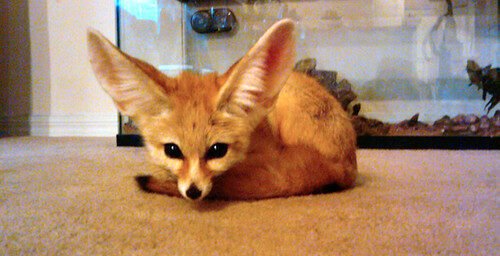
With their enormous ears, tiny bodies, and undeniably cute faces, fennec foxes have become one of the most sought-after exotic pets in recent years. Social media has played a huge role in this — a fennec fox mid-yawn or “talking” to its owner is the kind of clip that racks up millions of views. But behind the viral charm is an animal that is, at its core, still very much a wild species. Owning one is nothing like owning a dog or cat, and it comes with legal hurdles, behavioral quirks, and care demands that catch a lot of new owners off guard.
This guide covers everything you need to know before bringing a fennec fox into your home — their background, feeding needs, health concerns, housing requirements, temperament, and an honest look at whether this animal actually fits your lifestyle.
Species Background
The fennec fox (Vulpes zerda) is the smallest member of the canid family, native to the sandy deserts of North Africa, including the Sahara. Everything about their body is built for desert survival. Their signature oversized ears — which can reach up to 6 inches, nearly a third of their body length — aren’t just for show. They radiate heat to help the fox regulate its body temperature in extreme heat, and they give fennecs exceptional hearing, allowing them to detect prey moving underground.
Adult fennec foxes are tiny, typically weighing between 2 and 3.5 pounds and standing about 8 inches tall at the shoulder. Their thick, sand-colored coat provides insulation against both scorching days and cold desert nights, and dense fur on the soles of their feet lets them walk across hot sand without discomfort.
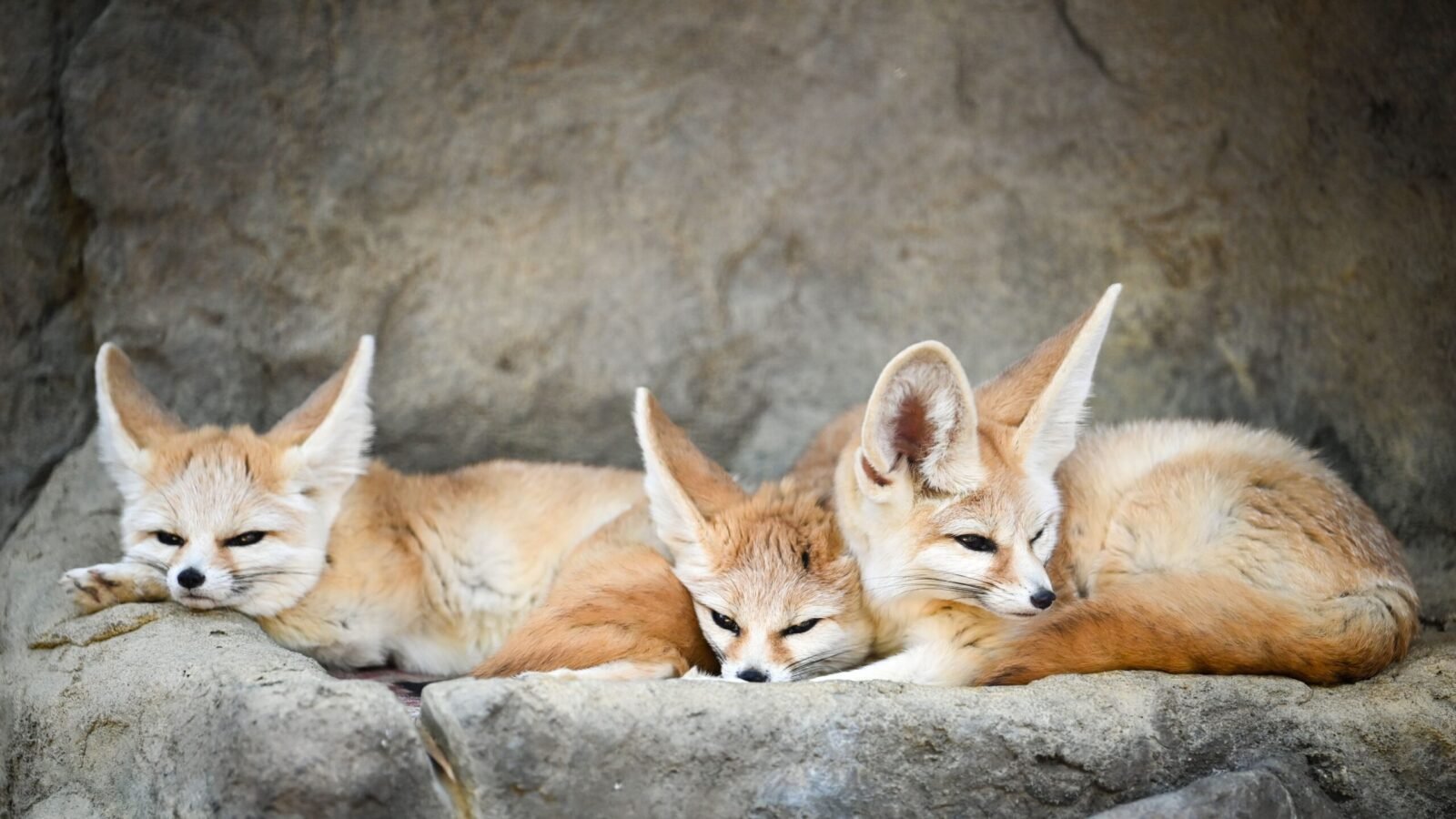
In the wild, fennec foxes are nocturnal and live in family groups within underground burrows they dig themselves — sometimes with tunnel systems extending over 100 feet. They’re omnivorous opportunists, eating insects, small rodents, eggs, and plant matter depending on what’s available. This background matters a lot for pet ownership, because captive fennecs retain nearly all of these instincts: digging, nocturnal activity, and a strong prey drive haven’t been bred out of them the way they have in domesticated species.
Fennec foxes are legal to own in some U.S. states and illegal or restricted in others, and regulations can vary by county or city even within a “legal” state. Before doing anything else, check your local exotic pet ordinances and only buy from a reputable, USDA-licensed breeder. Wild-caught or improperly documented animals are both an ethical and legal problem.
Temperament
This is the section that surprises most first-time owners the most. Fennec foxes are not dogs with big ears. They’re closer in behavior to a cross between a cat and a ferret, with a healthy dose of wild unpredictability thrown in.
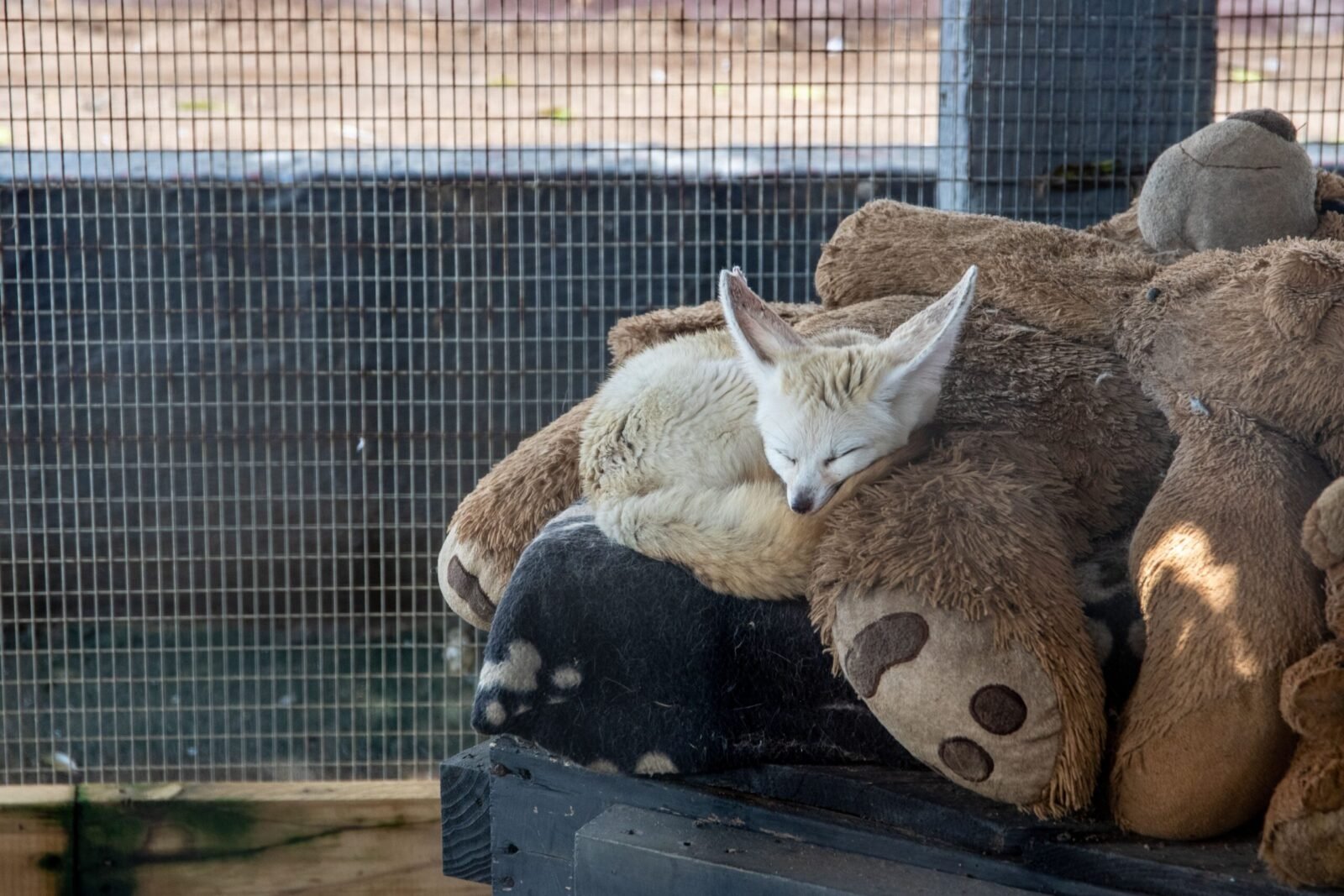
They bond, but on their terms. A hand-raised fennec fox that’s been properly socialized from a young age can become deeply attached to its owner, following them around, seeking cuddles, and even sleeping in bed with them. But that bond typically forms with one or two people, and fennecs are often standoffish or outright fearful of strangers. Don’t expect a fennec to greet guests the way a dog would.
They’re nocturnal and vocal. Fennecs are most active from dusk through the night, which means your quiet nights might be interrupted by digging, running, and their distinctive vocalizations — a range of sounds from soft chirps to a sharp, high-pitched screech that can be startling if you’re not expecting it. Some owners describe the nighttime activity as one of the hardest adjustments.
They dig. A lot. This is instinct, not a behavioral problem to train away. A fennec fox will dig at carpets, furniture, bedding, and any soft surface it can find, mimicking the burrowing behavior it would use in the wild. Providing a dedicated digging box filled with sand or shredded material helps redirect this, but it won’t eliminate the behavior entirely.
They have a strong prey drive. Small pets like birds, hamsters, or reptiles are not safe around a fennec fox. Even cats can be at risk depending on the individual fox’s temperament and the size of the cat.
Litter training is possible but inconsistent. Many owners have success litter training fennecs, especially if started young, but even well-trained individuals may occasionally miss the box, particularly when scent-marking territory (more common in unneutered males).
Fennec foxes are intelligent and curious, which is part of their appeal, but that intelligence also means they get bored easily and can become destructive without enough mental stimulation.
Feeding
Feeding a fennec fox correctly is one of the more technical parts of ownership, because there’s no “one size fits all” commercial food made specifically for them. Most experienced owners build a diet plan around a few core components:
- High-quality dry cat food or specially formulated fox/exotic carnivore kibble as a base, typically making up a portion of daily intake
- Live or freeze-dried insects such as crickets, mealworms, and dubia roaches — a major and important part of their natural diet
- Lean proteins like cooked chicken, turkey, or occasionally raw meat sourced safely, mimicking the small prey they’d eat in the wild
- Fruits and vegetables in moderation — grapes, berries, melon, and cooked sweet potato are commonly used
- Occasional eggs, which fennecs relish and which provide good protein
Portion control matters enormously. Because fennecs are so small, it’s easy to overfeed them, and obesity is a real problem in captive fennecs that leads to joint stress and a shortened lifespan. Most adult fennecs do well on small, frequent meals rather than one large feeding, which also mirrors their natural grazing and foraging behavior.
Fresh water should always be available. Some owners note their fennecs drink surprisingly little, a holdover from their desert physiology, but water should never be withheld or assumed unnecessary.
A word of caution: chocolate, onions, garlic, grapes in large quantities, and anything high in sugar or processed for human consumption should be avoided, same as with dogs. If you’re unsure about a specific food, it’s worth consulting an exotic vet before offering it.

Health
Fennec foxes are generally hardy animals, but their exotic status means veterinary care requires more planning than it would for a cat or dog.
Finding a vet is step one, before you even bring one home. Not every veterinarian is licensed or experienced with exotic canids. You’ll need to locate an exotic animal vet in your area — ideally one with specific fennec or fox experience — before acquiring the animal, not after a problem arises.
Common health concerns in captive fennec foxes include:
- Dental disease, often linked to diet, since a lot of soft or sugary food can lead to tartar buildup and gum issues
- Obesity, as mentioned above, which puts strain on their small joints and organs
- Parasites, both internal (worms) and external (fleas, mites), which should be monitored the same way you would with a dog
- Ear infections, given how large and exposed their ears are
- Stress-related issues, since fennecs are sensitive animals and chronic stress from inadequate space, isolation, or a poor environment can manifest as illness or self-destructive behavior like excessive digging or fur pulling
Vaccinations for fennec foxes generally follow a modified version of canine protocols (rabies, distemper), but because fennecs are an off-label species for most vaccines, this absolutely needs to be handled by a vet experienced with exotics rather than a general practice.
Spaying or neutering is strongly recommended for pet fennecs, both for health reasons (reducing certain cancer risks and eliminating heat-related behavior in females) and because it significantly reduces musky scent-marking behavior in males, which can become a serious household issue with an intact fox.
With proper care, fennec foxes typically live 10 to 14 years in captivity — sometimes longer — which is a substantial commitment to weigh before bringing one home.
Housing
Because fennecs are small, nocturnal, natural diggers, their housing setup needs to account for all three of those traits at once.
Space requirements. Fennec foxes need significantly more room than their size suggests. A large, secure enclosure — indoor, outdoor, or a combination — with vertical and horizontal space to run is essential. Many owners use a large dog crate or pen as a “home base” but allow supervised free-roam time in a fox-proofed room or house, since fennecs are far too active and curious to spend all their time caged.
Digging outlets. A dedicated digging box (a large container filled with sand, soil, or shredded paper) helps satisfy natural burrowing instincts and can save your furniture and carpets from becoming the alternative outlet.
Fox-proofing. Fennecs are escape artists. They can jump surprisingly high, squeeze through small gaps, and chew through weaker materials. Enclosures need secure latches, sturdy fencing (both above and below ground level if outdoors, since they’ll dig under fences), and no small gaps they could squeeze through.
Climate control. Despite their desert origins, pet fennecs kept outdoors need protection from both extreme cold and extreme heat, since captive-bred foxes often lack the full range of natural adaptations wild fennecs rely on. Indoor climate-controlled housing is generally safer and more practical for most owners outside of consistently warm regions.
Enrichment. Puzzle feeders, chew toys, tunnels, and rotating novel objects help combat boredom. An under-stimulated fennec is far more likely to become destructive or stressed.
If you’re keeping a fennec fox primarily indoors, treat the fox-proofing process the way you would for a mischievous, athletic cat crossed with a small dog — cords, houseplants, small objects, and anything chewable need to be out of reach.
Cost of Ownership
Before falling for those big-eared photos, it’s worth knowing the price tag. Fennec foxes typically cost anywhere from $2,000 to $4,000+ depending on the breeder and region, and that’s before ongoing costs like specialized food, exotic vet visits (which run higher than standard vet care), enclosure setup, and enrichment items. Annual costs, once you factor in food, vet checkups, and supplies, often land in the range that a mid-sized dog would cost — sometimes more, given the specialty diet and exotic vet fees.
Honest Ownership Assessment
Fennec foxes are not a pet for most people, and that’s not meant to be discouraging — it’s meant to be realistic. Here’s an honest breakdown of who this animal actually suits.
A fennec fox might be right for you if:
- You’ve owned high-maintenance exotic pets before and understand what “not domesticated” really means in practice
- You’re comfortable with nocturnal noise and activity disrupting your sleep schedule
- You have (or can build) a secure, escape-proof living space with room to roam
- You’ve already identified an exotic vet in your area before acquiring the fox
- You don’t have small pets like birds or rodents in the home
- You’re financially prepared for both the upfront cost and ongoing specialized care
- You can commit to a 10+ year relationship with an animal that may never be as affable as a dog
A fennec fox is probably not right for you if:
- You’re drawn in mainly because of viral videos and haven’t researched the day-to-day reality
- You live somewhere that restricts or bans fennec fox ownership
- You have young children who might not respect the fox’s need for space or handle its unpredictability well
- You want a pet that’s cuddly and social with everyone in the household, including guests
- You’re not prepared for property damage from digging or occasional accidents outside the litter box
- You don’t have the budget or access to exotic veterinary care
Fennec foxes can absolutely make rewarding companions for the right owner — someone who respects that they’re bringing a wild animal into a domestic setting and adjusts their expectations and home accordingly. But the mismatch between social media portrayal and daily reality is exactly why so many fennec foxes end up surrendered to exotic animal sanctuaries. If you’re serious about ownership, spend time with an adult fennec fox in person before committing, talk to current owners about the unfiltered reality, and make sure your local laws and your lifestyle can actually support what this animal needs.