
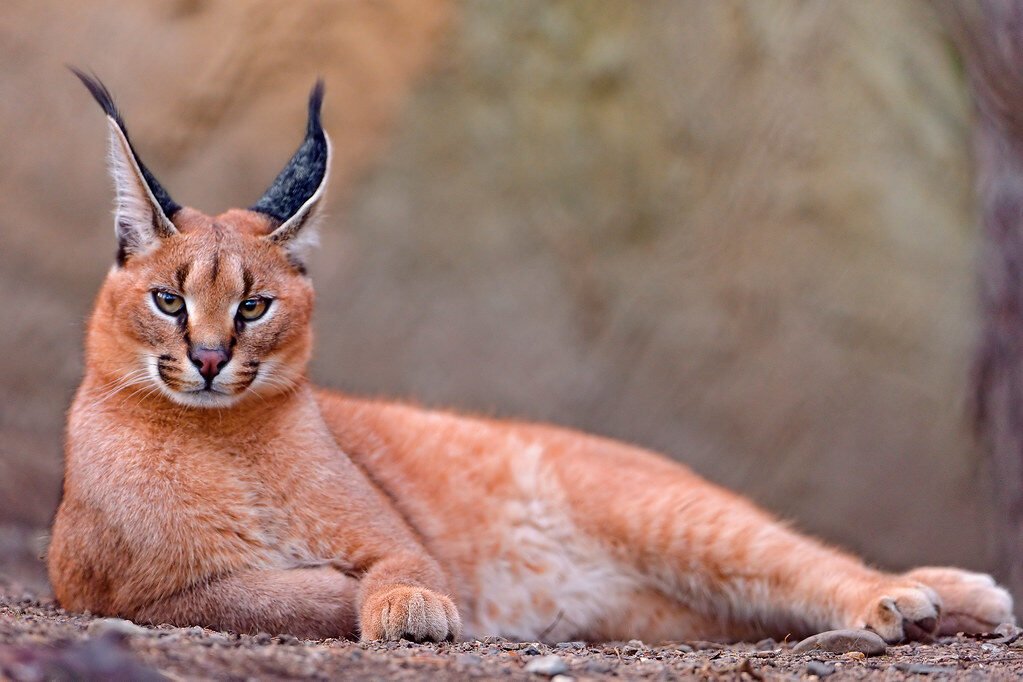

A few years ago, a single Instagram video changed the way a lot of people think about exotic pets. It showed a caracal named Cara — tufted ears twitching, legs impossibly long, leaping five feet straight up to snatch a treat out of her owner’s hand — and the internet fell hopelessly in love. Suddenly “pet caracal” was a search term trending across pet forums, Reddit threads, and DMs to exotic animal breeders.
If you’re reading this, there’s a good chance a video like that is exactly what brought you here too. And honestly? I get it. Caracals are stunning animals — sleek, athletic, almost alien in their beauty, with those black ear tufts that look like they were designed by someone who really understood drama. But before you start searching “caracal for sale near me,” I want to walk you through what owning one actually involves. Not the highlight reel. The real, day-to-day, decade-plus commitment of sharing your home with a wild cat that never fully stops being wild.
I’ve spent a long time researching this topic, talking to exotic animal owners, and reading through the experiences of people who’ve actually done it — the triumphs and the regrets both. This article is my attempt to give you the full picture, so that if you do move forward, you do it with open eyes.
What Exactly Is a Caracal?
Let’s start with the basics. The caracal (Caracal caracal) is a medium-sized wild cat native to Africa, the Middle East, Central Asia, and parts of South Asia. They’re not small house cats with fancy markings — an adult caracal typically weighs between 25 and 40 pounds, stands about 16 to 20 inches tall at the shoulder, and can leap over 10 feet vertically to knock birds straight out of the air. Their name comes from the Turkish word “karakulak,” meaning “black ear,” a nod to those unmistakable tufted ears that make them look like they belong in a fantasy novel.
In the wild, caracals are solitary, territorial hunters. They’re built for speed and precision, capable of taking down prey many times their own body weight. They’re not related to domestic cats in any meaningful genetic sense — despite superficial similarities, caracals are more closely related to servals and the African golden cat than to the tabby curled up on your couch.
This matters more than people expect. A domestic cat has had roughly 10,000 years of selective breeding to become comfortable living alongside humans. A caracal has had none of that. Every caracal in captivity, no matter how many generations removed from the wild, is still operating on wild instincts. That doesn’t mean they can’t form bonds with people — many do — but it does mean the relationship works very differently than it does with a house cat or dog.
Is It Even Legal to Own One?
This is the question you need to answer before anything else, because the honest answer is: it depends enormously on where you live, and the rules change often enough that you cannot rely on secondhand information from a forum post.
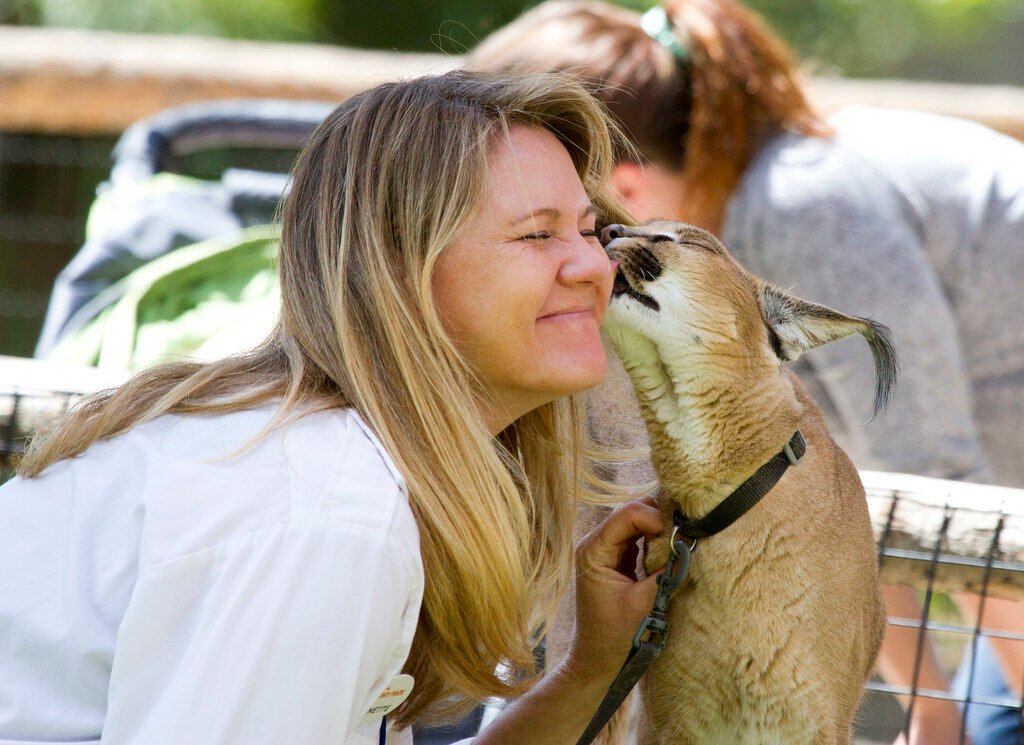
In the United States, caracal ownership is regulated at the state level, and sometimes at the county or city level on top of that. Some states allow ownership with a permit, some allow it with no permit at all, and others ban private ownership of exotic and wild cats outright. On top of state law, the federal Big Cat Public Safety Act has reshaped what’s allowed nationally in recent years, particularly around breeding, interstate transport, and public contact with big cats — and caracals can fall under scrutiny depending on how a given jurisdiction classifies them.
In the UK, caracals are considered a dangerous wild animal and require a specific license from your local council under the Dangerous Wild Animals Act. In much of the EU, ownership is either restricted or requires documentation proving the animal was legally and ethically sourced, often tied to CITES regulations since caracals are listed under CITES Appendix II.
Here’s the part that matters most: laws in this space change frequently, and enforcement varies a lot by locality. Don’t take my word for it, and don’t take a breeder’s word for it either — breeders have a financial incentive to tell you what you want to hear. Before you spend a single dollar, contact your state or provincial wildlife agency directly, and check your city and county ordinances separately, because they can be stricter than state law. A phone call now can save you from a heartbreaking situation later, where wildlife officials show up and legally require you to surrender an animal you’ve already bonded with.
The Ethical Question You Can’t Skip
I want to sit with this for a moment, because a lot of articles on this topic rush past it, and I don’t think that’s fair to you or to the animal.
Caracals are wild animals. Even the ones bred in captivity for generations still carry the full instinct set of a solitary desert predator — the need to roam large territories, the drive to hunt, the discomfort with being touched or restrained in ways that a dog or cat would tolerate without a second thought. Zoos and wildlife sanctuaries that house caracals typically give them enclosures spanning hundreds to thousands of square feet, with climbing structures, hiding spots, and enrichment designed by animal behaviorists specifically to meet these instinctual needs.
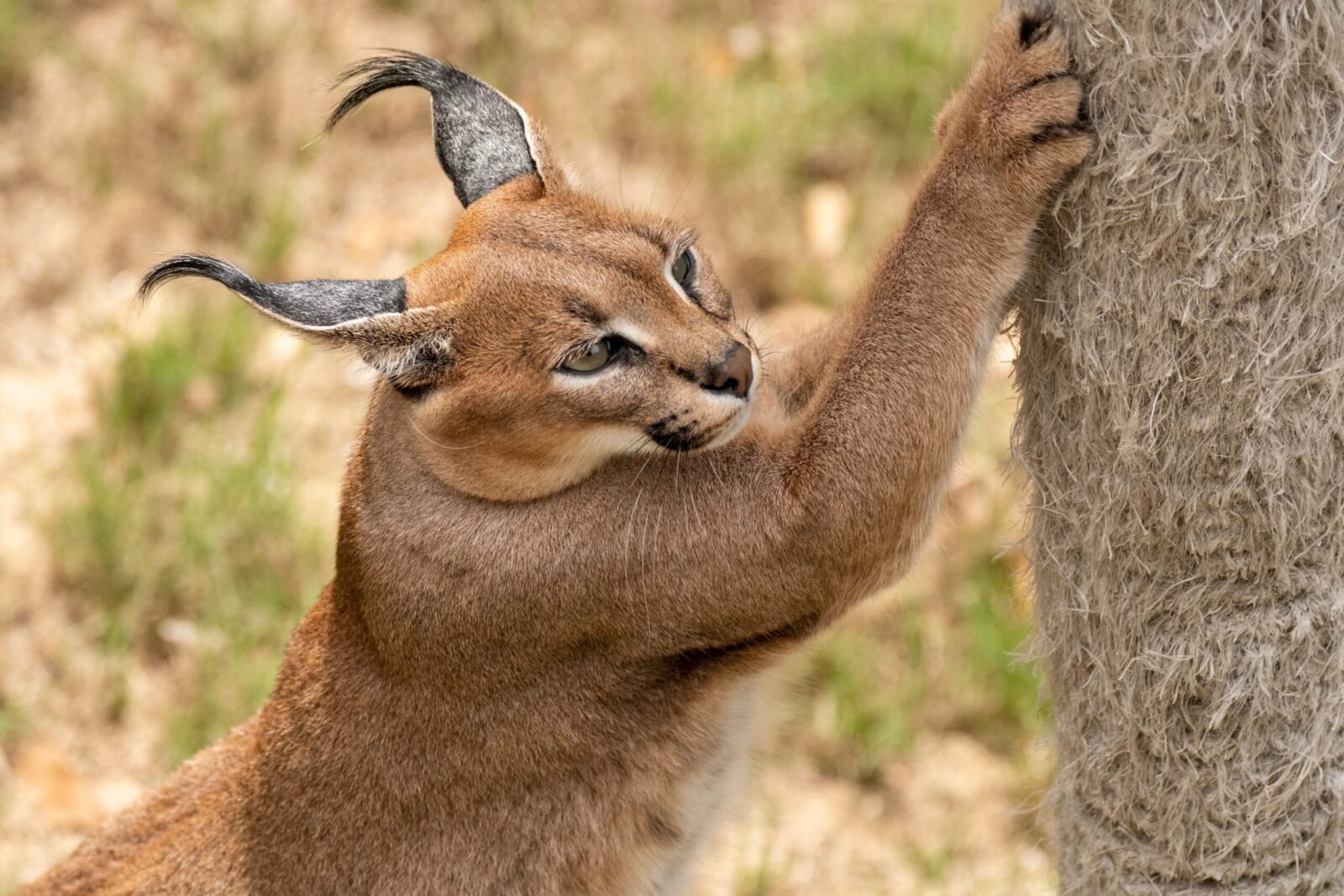
A private home, even a very large and well-intentioned one, usually cannot replicate that. This is the central tension of caracal ownership: the same qualities that make them captivating to watch — their explosive athleticism, their independence, their untamed alertness — are the very things that make them so hard to provide for in a domestic setting.
There’s also the question of where the animal actually comes from. Reputable, USDA-licensed breeders exist, and responsible breeding programs do occur. But the exotic pet trade also has a well-documented dark side involving smuggling, poor breeding practices, and animals taken from situations that caused them significant early-life stress or trauma — which often manifests later as aggression or severe anxiety in the adult cat. If you’re serious about this, tracing the exact lineage and history of the specific animal you’re considering isn’t optional due diligence — it’s a moral obligation.
None of this is meant to shame anyone for being curious. It’s meant to make sure that if you go forward, you go forward informed, and that the animal’s wellbeing is the priority driving every decision, not just the aesthetic appeal of owning something rare.
What Daily Life With a Caracal Actually Looks Like
Assuming you’ve cleared the legal hurdles and thought hard about the ethics, let’s talk about what your actual daily life would look like.
Space
Caracals need a lot of room, and I mean that literally, not as a vague suggestion. Most experienced owners recommend a secure outdoor enclosure of at least a few thousand square feet, with vertical elements — caracals are phenomenal jumpers and climbers, and a flat yard alone will bore them and stress them out. The enclosure needs to be built with escape-proof fencing, usually including a roof or angled overhang, since a caracal can clear fences that would easily contain a large dog. Indoor access matters too, both for climate control and for the emotional bond most owners want with their cat, but the enclosure is non-negotiable. A caracal that’s kept purely indoors in a normal house, without serious outdoor space to expend energy, is a caracal heading toward destructive behavior, anxiety, and a much lower quality of life.
Diet
Caracals are obligate carnivores with specific nutritional needs that go well beyond what you’d feed a dog or even a domestic cat. Most owners feed a raw diet of whole prey items — rabbits, quail, chicks — supplemented with specially formulated big-cat vitamin and mineral supplements, because a diet of muscle meat alone can lead to serious deficiencies, particularly in calcium, over time. This isn’t a diet you can put together casually from the grocery store; most caracal owners source meat from exotic animal feed suppliers and work closely with a vet who has experience in wild feline nutrition.
Budget-wise, feeding an adult caracal properly typically runs into hundreds of dollars a month, and that’s before you factor in supplements or the occasional need for specialized care.
Veterinary Care
Here’s something a lot of people don’t think about until they’re already in it: most general small-animal vets have little to no experience treating wild felines. You’ll need to find an exotic animal veterinarian, and depending on where you live, that vet might not be local — some caracal owners drive hours for routine checkups. Vaccination protocols, anesthesia dosages, and general health baselines for caracals differ from domestic cats, and using the wrong protocol can be dangerous or even fatal. Before adopting, it’s worth confirming you actually have access to a qualified exotic vet within a reasonable distance, because “I’ll figure it out later” is not a plan you want to be running on when your cat is sick.
Behavior and Temperament
This is where a lot of the viral videos are misleading. Yes, some caracals raised from very young kittenhood, with consistent, patient, knowledgeable handling, do become affectionate with their specific owners — chirping, following them around, even tolerating some petting. But that bond is usually narrow. Many caracals remain wary or reactive toward strangers, other pets, and unfamiliar environments for their entire lives. They retain a strong prey drive, which means small pets — and sometimes small children — can trigger instinctive chasing or pouncing behavior that isn’t “aggression” in the way we’d describe a dog bite, but is still genuinely dangerous given the size and power involved.
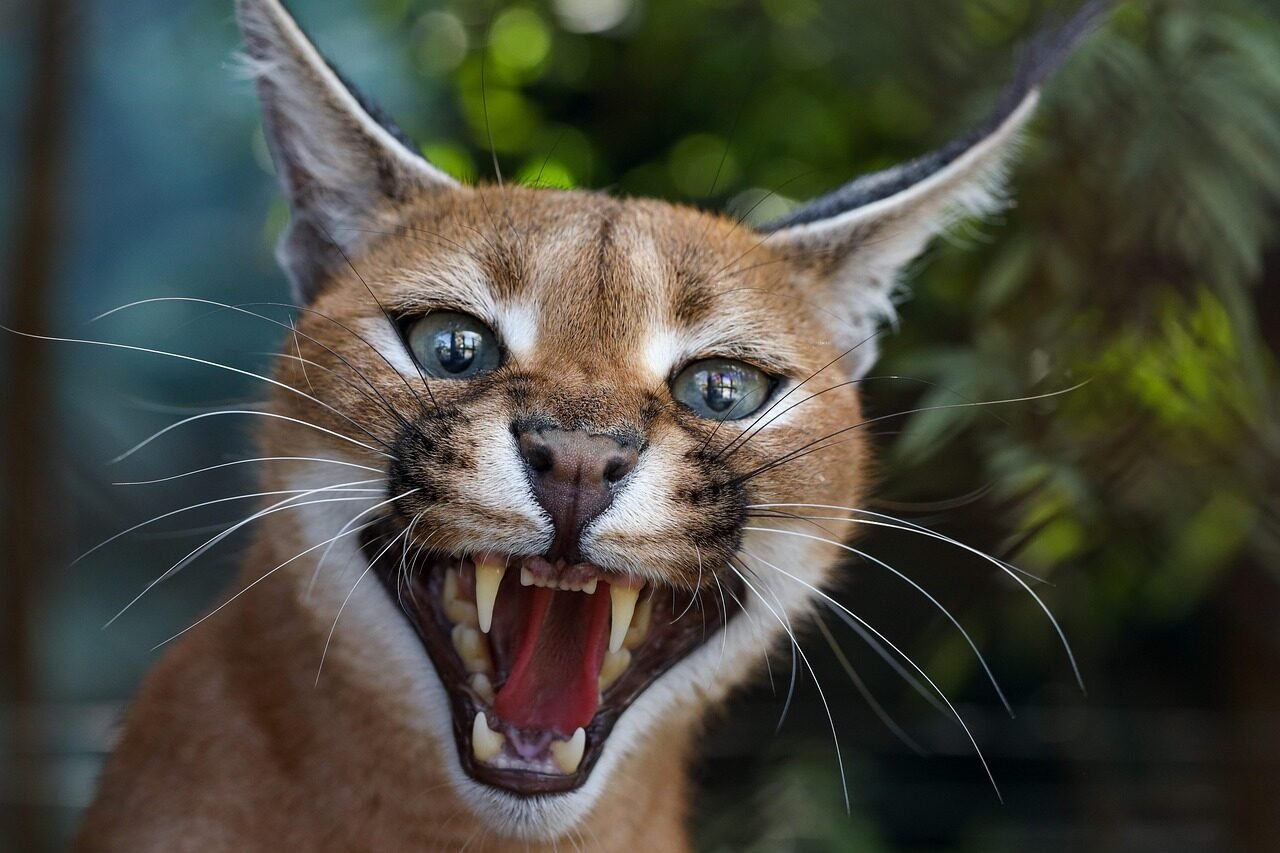
Caracals also spray to mark territory, males and females both, and neutering doesn’t eliminate this the way it often does in domestic cats. They can be vocal in ways that surprise new owners — not meowing, but hissing, growling, and a distinctive chirping sound. And because they’re crepuscular and nocturnal by nature, don’t be surprised if your caracal is at their most energetic right around the time you’re trying to sleep.
Enrichment
A bored caracal is a destructive, stressed caracal. Enrichment isn’t optional — it’s a daily requirement. Owners typically rotate toys, hide food to encourage natural hunting behavior, provide climbing structures and perches, and dedicate real time each day to interactive play that lets the cat express its predatory instincts in a safe, controlled way. Think of it less like owning a pet and more like being a part-time wildlife caretaker who happens to live with their charge.
The Financial Reality
People are often surprised by just how much a caracal costs, and not only at the point of purchase.
The upfront cost of acquiring a caracal kitten from a reputable, licensed breeder commonly runs anywhere from $1,500 to $3,000 or more, depending on lineage, location, and demand. But that number is genuinely the smallest part of the financial picture.
You’re also looking at:
- Enclosure construction, which for a properly secure, spacious setup can run into the tens of thousands of dollars depending on size and materials.
- Permitting and licensing fees, which vary by jurisdiction but can involve inspections, insurance requirements, and renewal costs.
- Monthly food costs, typically several hundred dollars for a proper raw-prey diet with supplements.
- Veterinary care, both routine and emergency, often at exotic-specialist rates that run higher than standard vet visits.
- Liability insurance, which some jurisdictions require and which many general homeowners’ policies won’t cover for exotic animals, meaning you may need a specialized policy.
When you add it all up, a realistic first-year cost for responsible caracal ownership often lands somewhere in the tens of thousands of dollars, with ongoing annual costs well beyond what most people budget for a traditional pet. If the financial side of this surprises you, that’s worth sitting with, because underfunding an exotic animal’s needs is one of the most common reasons these situations end badly for the animal.
A Long-Term Commitment
Caracals can live 15 to 20 years in captivity with proper care — comparable to or even longer than many dog breeds. That’s a long horizon to plan around. Life changes: people move, have children, change jobs, face health issues, or simply find that the reality of the animal’s needs doesn’t match what they imagined. Because caracals are such a specialized commitment, rehoming one later in life is genuinely difficult. There are only a small number of qualified sanctuaries and experienced private owners equipped to take in an adult caracal that needs a new home, and many sanctuaries are already at capacity. This is worth thinking through honestly before you bring one home: are you prepared for two decades of specialized care, even through unexpected life changes?
Questions to Ask Yourself Before Moving Forward
Rather than a simple checklist, I’d encourage you to sit with these questions honestly, ideally with anyone else who shares your household:
Do you have confirmed, verified legal clearance to own a caracal at every level — city, county, and state or national? Have you personally spoken to the relevant wildlife agency, rather than relying on what a breeder or online forum told you?
Do you have access to several thousand square feet of securable outdoor space, and the resources to build an enclosure that meets the safety standards experienced caracal owners and sanctuaries recommend?
Is there a qualified exotic animal veterinarian within reasonable distance of your home, and have you confirmed they specifically have experience with caracals or similar wild felines?
Can you comfortably absorb the ongoing costs — often several hundred dollars a month in food alone, on top of vet care, enrichment, and insurance — for the next 15 to 20 years, even through unpredictable life changes?
Are there small children, elderly relatives, or other pets in your home, and have you honestly assessed the safety implications of a powerful, prey-driven wild cat sharing that space?
Have you traced the specific animal’s origin and confirmed it comes from an ethical, legal, USDA-licensed breeding program rather than an untraceable or grey-market source?
If you find yourself hesitating on more than one of these, that hesitation is worth listening to — not as a failure, but as useful information.
If You Love Caracals But Aren’t Ready to Own One
If everything above has you more excited than deterred, that’s a real and valid reaction — these are extraordinary animals. But there are meaningful ways to engage with that love that don’t involve private ownership, and they’re worth considering seriously, even as alternatives rather than consolation prizes.
Accredited wildlife sanctuaries in caracal range countries and elsewhere often run volunteer and keeper-experience programs, where you can spend real hands-on time with caracals under expert supervision, learning from people who’ve devoted their careers to these animals. Some sanctuaries also offer “adoption” programs in the symbolic sense — you sponsor an individual animal’s care financially and receive updates, photos, and sometimes visitation rights, all without the enclosure, legal, or safety burdens of private ownership. Supporting habitat conservation organizations working in caracal range countries is another route that has a genuinely larger positive impact on the species than any single private ownership situation could — caracal populations face real pressure from habitat loss and human-wildlife conflict in parts of their range, and that’s a place where your resources can do a lot of good.
A Few Real Stories
It’s worth hearing from people who’ve actually lived this, both the ones who found it rewarding and the ones who didn’t.
Owners who’ve had positive, sustainable experiences almost universally describe a few things in common: they started with extensive research and mentorship from experienced exotic cat keepers before acquiring their animal, they built proper enclosures before bringing the caracal home rather than improvising afterward, and they treated the relationship with humility — understanding that the cat was adapting to them as much as they were adapting to the cat, and that instinctive wild behavior was something to work with, not something to expect to disappear.
The less happy stories tend to share a different pattern: an impulsive decision driven by how appealing the animal looked online, inadequate space or fencing that led to escapes or safety incidents, financial strain that led to corners being cut on diet or vet care, and eventually a difficult surrender to an already-overwhelmed sanctuary, if one could be found at all. These aren’t stories meant to scare you away reflexively — they’re meant to underline that the difference between the two outcomes is almost entirely about preparation, resources, and realistic expectations going in.
Final Thoughts
Caracals are among the most striking wild cats on the planet, and it makes complete sense that people fall for them. But a caracal is not a large house cat, and treating the decision to bring one home with anything less than the seriousness you’d give to caring for a genuinely wild animal does a disservice to the cat and, often, to yourself.
If you move forward, do it slowly. Talk to wildlife officials before you talk to breeders. Visit sanctuaries and talk candidly with people who’ve actually done this — not just the ones with polished social media accounts, but people willing to tell you about the hard parts too. Build the enclosure before you bring home the kitten. Line up your exotic vet before you need one in an emergency. And be honest with yourself about whether what you’re drawn to is the reality of daily caracal care, or the five-second version of it that shows up in a video.
Done right, with the right resources, the right space, and the right mindset, some people do build genuinely good lives alongside these animals. But it’s a narrow path, not a wide one — and the animal’s wellbeing has to be the compass you’re using at every step, not just the destination you’re picturing.
Whatever you decide, I hope this gave you a fuller picture than the highlight reel did. That’s really all any of us can ask for before making a decision this big.