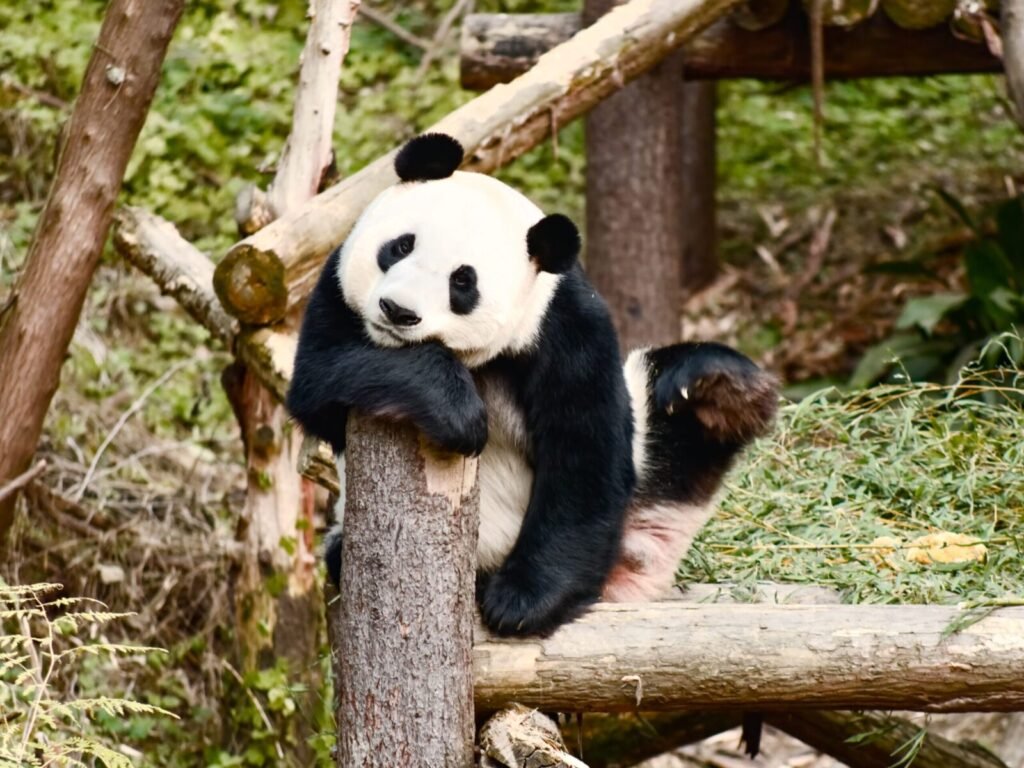

If you’ve ever watched a giant panda cub tumble down a grassy hill at a zoo, or scrolled through a video of one sneezing and startling its own mother, you already understand the appeal. Pandas are, without much competition, one of the most beloved animals on the planet. They’re gentle-looking, round, clumsy in an endearing way, and they’ve become such a powerful symbol of conservation that the World Wildlife Fund put one on its logo. It’s no surprise that “can I adopt a panda” is a genuine search people type into Google every single day.
So let’s talk about it honestly, because this is one of those topics where the answer is more interesting — and more important — than a simple yes or no. I want to walk you through why pandas aren’t pets, why that’s true for reasons that go far beyond “it’s illegal,” what “adopting” a panda actually means in the ways it’s commonly offered, and how you can build a genuine relationship with these animals and their conservation story without ever needing to own one.
This isn’t going to be a article that just shuts the door and leaves you standing there. By the end, I think you’ll understand not only why panda ownership isn’t in the cards, but also find some genuinely exciting ways to get closer to these animals than most people ever do.
Let’s Address It Directly: No, You Cannot Own a Pet Panda
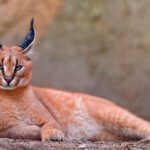
I want to be upfront about this rather than burying it, because a lot of articles online dance around the point or bury it under SEO-friendly vagueness. Private ownership of a giant panda is not legally possible anywhere in the world, for private individuals, full stop. There is no permit you can apply for, no wealthy-collector loophole, no specialty breeder who can sell you one. This isn’t a matter of regional variation the way caracal ownership laws differ from state to state — it’s a globally consistent reality, and understanding why makes the whole picture much clearer.
Pandas Are Legally the Property of China
Every giant panda alive today, wherever it lives, is considered the property of the People’s Republic of China. This isn’t a metaphor or a cultural nicety — it’s the literal legal and diplomatic arrangement that governs every panda outside of China’s own borders. Since the 1980s, China has stopped giving pandas away as outright gifts and instead loans them to zoos and conservation institutions abroad under strict agreements, commonly for about ten years at a time, with the possibility of renewal.
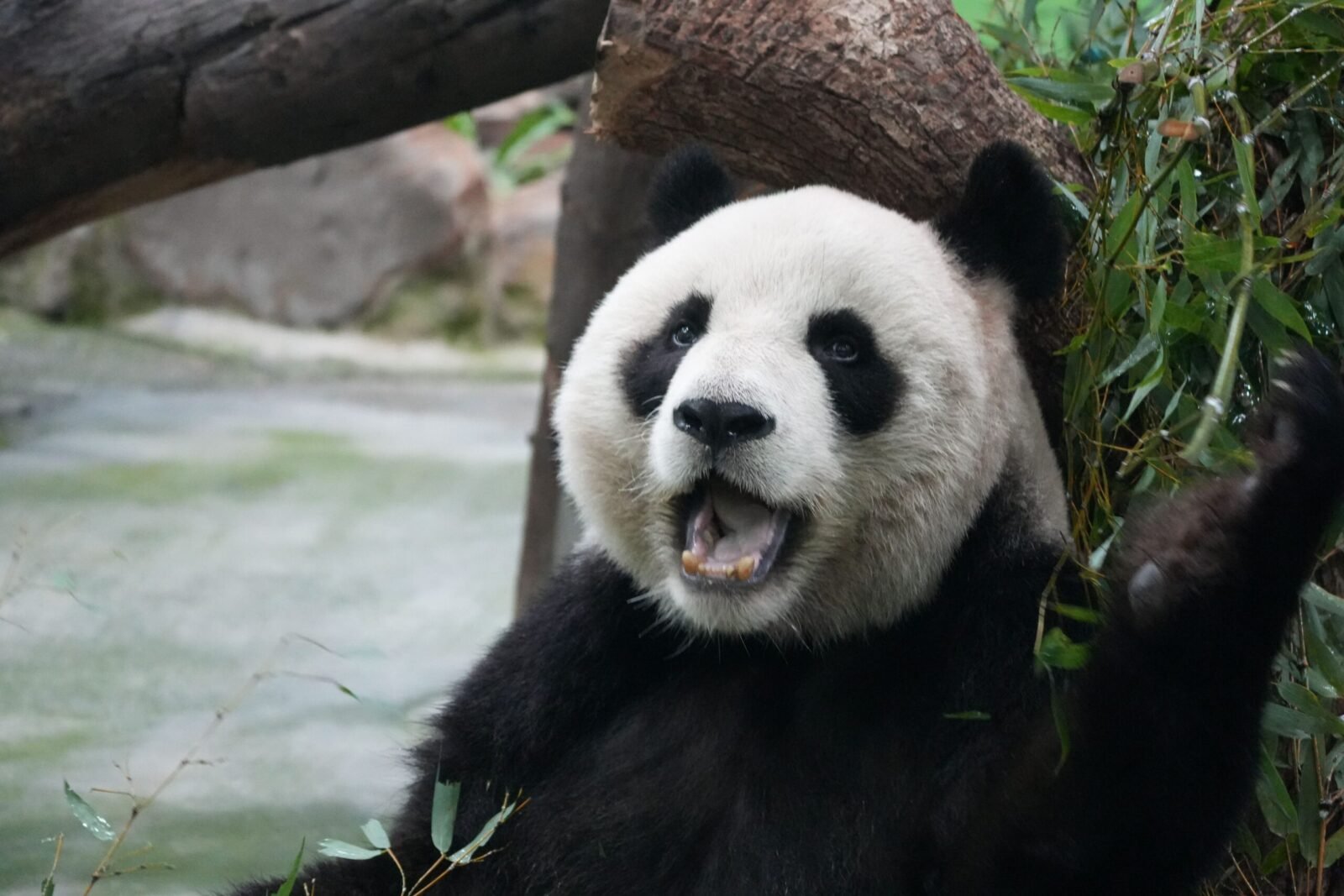
Under these agreements, the receiving institution — a zoo in Washington, D.C., Edinburgh, Tokyo, or wherever else — pays substantial fees, often over a million dollars a year, that go toward panda conservation programs in China. Any cubs born during the loan period are also considered the property of China and are typically sent to China at a certain age to join the country’s breeding program, regardless of where they were born. This arrangement, often called “panda diplomacy,” has become one of the most distinctive forms of international soft power in the modern world, and it means that not even the most prestigious zoos on Earth “own” their pandas in the traditional sense — they’re stewards, operating under a contract.
Pandas Are a Critically Protected Species
Even setting the China-specific arrangement aside, giant pandas are protected under the Convention on International Trade in Endangered Species (CITES) at the highest protection tier, Appendix I, which bans international commercial trade in the species entirely. In China itself, giant pandas are protected as a First-Class National Protected Animal, and harming, capturing, or trading one carries severe criminal penalties, including lengthy prison sentences.
Conservation status has actually improved somewhat over the past decade — the IUCN reclassified giant pandas from “endangered” to “vulnerable” in 2016 after population numbers in the wild showed meaningful recovery, largely thanks to habitat protection efforts. But “vulnerable” is still a serious conservation designation, and it reflects a population that remains fragile, fragmented across mountain habitats in a handful of Chinese provinces, and highly dependent on continued, coordinated protection. That improvement is a genuine conservation success story, and it exists specifically because private ownership and trade were never on the table.
Even Zoos Struggle With Them — Imagine a Living Room
Here’s a detail that tends to reframe the whole fantasy for people: giant pandas are notoriously difficult to keep even for institutions with essentially unlimited resources, veterinary expertise, and decades of specialized experience. Their digestive systems are a strange evolutionary puzzle — despite being classified within the order Carnivora, pandas eat almost nothing but bamboo, up to 80 or 90 pounds of it a day, yet they retain a carnivore’s digestive tract that’s poorly suited to processing plant matter. That mismatch means pandas have to eat almost constantly, extracting only a fraction of the nutritional value from what they consume, and any disruption to bamboo quality or supply can seriously affect their health.
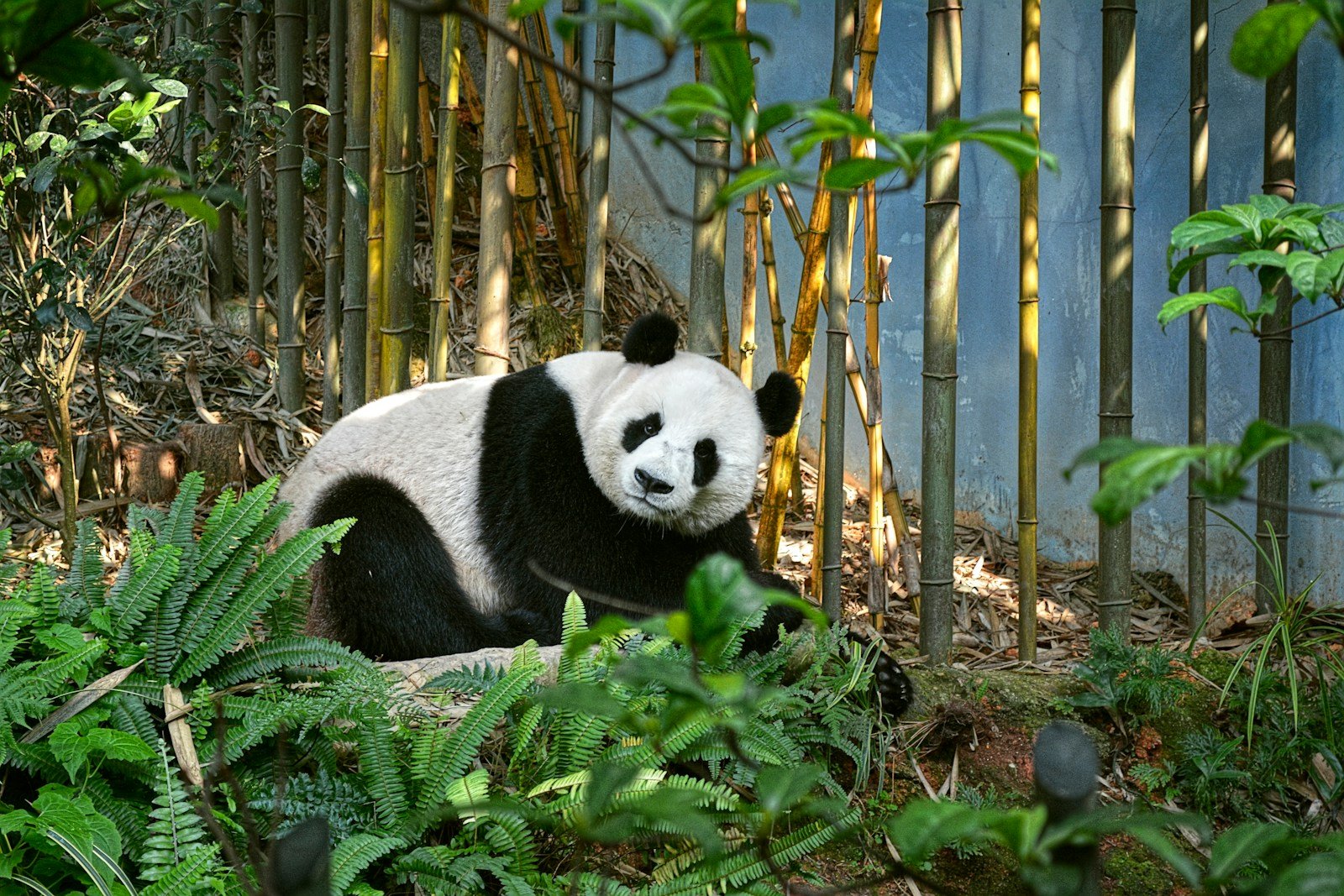
Breeding giant pandas in captivity was, for decades, famously difficult — female pandas ovulate only once a year, for a window of just a couple of days, and getting the timing right required enormous scientific effort. Facilities like the Chengdu Research Base of Giant Panda Breeding have poured decades of research into cracking this problem, and it still requires specialized expertise most veterinary teams simply don’t have. If institutions with dedicated panda nutritionists, reproductive specialists, and custom-built bamboo supply chains find pandas this demanding, there’s no version of private ownership — regardless of wealth — that could replicate the conditions these animals need to survive, let alone thrive.
Okay, So What Does “Adopt a Panda” Actually Mean?
If pandas can’t be owned, why do so many organizations advertise panda “adoption” programs? This is worth clearing up, because it’s a genuinely wonderful thing to participate in — it’s just not what the word “adopt” might suggest at first glance.
Symbolic adoption programs, run by organizations like the World Wildlife Fund, the Smithsonian’s National Zoo, and various other accredited zoos and conservation groups, let you sponsor the care of a real panda — sometimes a specific, named individual living at a partner zoo or reserve — through a donation. In exchange, you typically receive things like a certificate of adoption, a plush panda toy, photos and updates about your sponsored animal, and the knowledge that your money is going directly toward the food, veterinary care, and habitat costs associated with real panda conservation work.
This is not a legal or physical transfer of ownership in any sense. You won’t receive visitation rights beyond what any member of the public gets, and you certainly won’t be picking your panda up from an airport. But it is a meaningful way to fund conservation, and unlike a lot of charitable giving, it comes with a tangible, ongoing connection to the story of a specific animal or population, which a lot of people find more emotionally satisfying than a generic donation.
If this is something you’re drawn to, it’s worth choosing a program run by an accredited organization with transparent reporting on where funds go — the WWF and major accredited zoos publish detailed information about their conservation spending, which is a good sign you’re supporting real work rather than just merchandising.
Why the Fantasy Persists (And Why It’s Worth Examining)
I think it’s worth pausing on why “adopt a pet panda” is such a common search in the first place, because the answer says something sweet about human nature, even if the underlying premise doesn’t hold up.
Pandas trigger something close to a universal parental response in humans. Researchers who study this phenomenon point to the concept of “baby schema” — the cluster of physical traits like a large head relative to body size, big forward-facing eyes, and round, soft body proportions that trigger caretaking instincts in humans, the same traits that make human infants and puppies feel irresistibly endearing. Pandas check almost every box on that list even as full-grown adults, which is part of why they read as perpetually cute and harmless in a way that, say, a full-grown bear typically doesn’t.
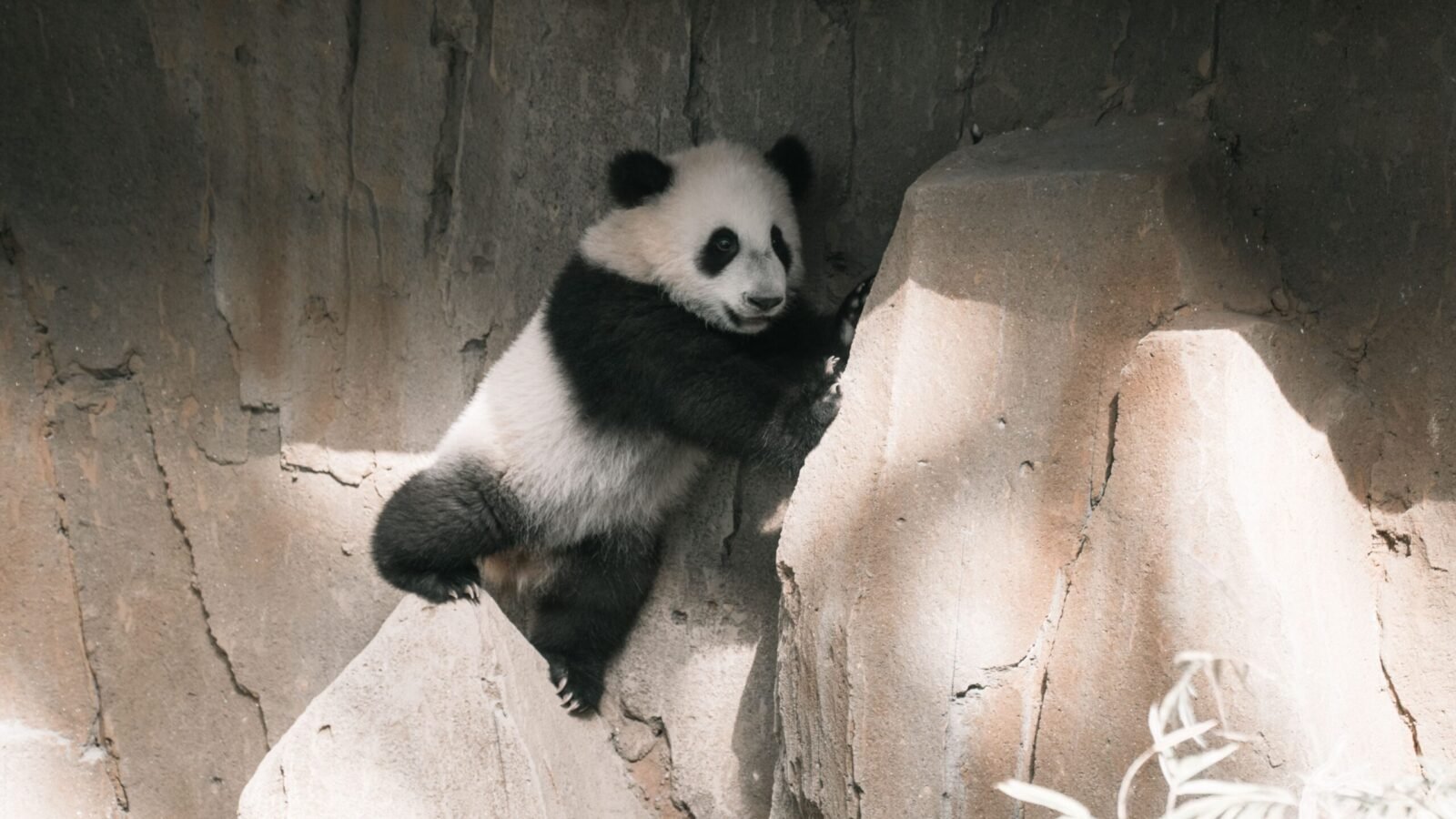
Add to that decades of gentle, family-friendly media portrayals — pandas as diplomatic gifts, as zoo mascots, as the star of animated films — and it makes complete sense that people develop real affection for them and want to imagine a closer relationship. That affection is a genuinely good thing. It’s part of why panda conservation enjoys such broad public support compared to less charismatic endangered species that arguably need just as much help. The instinct isn’t the problem — it’s just pointed at the wrong outlet if it’s pointed toward private ownership.
What You Can Actually Do If You Love Pandas
Rather than leaving things at “no,” I want to spend real time on what a panda-lover can actually do, because there are more options here than most people realize, and some of them offer experiences that go well beyond what a symbolic adoption certificate provides.
Visit an Accredited Zoo With a Panda Program
If you’re able to travel, seeing a giant panda in person at an accredited zoo is a remarkable experience, and it directly supports the conservation funding structure described earlier. Zoos with panda programs — such as those in Washington D.C., San Diego (historically), Edinburgh, Berlin, Tokyo’s Ueno Zoo, and several others — invest heavily in naturalistic habitats, enrichment, and public education alongside the conservation fees paid to China. Many of these zoos also run educational talks and keeper Q&A sessions where you can learn far more about panda biology and conservation than a five-minute viewing window would offer on its own.
Visit a Panda Reserve in China
For a genuinely once-in-a-lifetime experience, several reserves and research bases in China — most famously the Chengdu Research Base of Giant Panda Breeding and the Wolong National Nature Reserve — offer visitor programs, and some offer paid volunteer or “panda keeper for a day” experiences where visitors help prepare food, clean enclosures, and assist keepers under close supervision. These programs are popular enough that booking ahead is usually necessary, but they offer a level of hands-on involvement that goes well beyond what’s possible anywhere else, all while directly funding the institutions doing the actual conservation work.
Support Habitat Conservation Directly
Because panda survival in the wild is fundamentally a habitat story — the animals are restricted to fragmented mountain forests across a handful of Chinese provinces, primarily Sichuan, Shaanxi, and Gansu — the most impactful long-term support often goes toward habitat protection and connectivity projects rather than individual animal care. Organizations working on reforestation, corridor-building between fragmented panda populations, and anti-poaching enforcement are addressing the actual bottleneck standing between “vulnerable” and genuinely secure population numbers. If your goal is maximizing real-world impact for the species rather than personal proximity to an individual animal, this is where a donation tends to go furthest.
Watch the Livestreams
This might sound like a small thing, but it’s genuinely popular for a reason: several panda facilities, including Chengdu’s research base, run live camera feeds of pandas going about their daily lives — eating, playing, occasionally falling comically off of climbing structures. It’s a low-effort, zero-cost way to build a daily connection to real pandas that a huge community of “panda fans” around the world already participates in, often tracking individual pandas’ personalities and milestones the way people follow their favorite athletes.
Learn the Full Story
One of the more overlooked ways to build a meaningful connection to pandas is simply learning the real depth of their conservation story, which is genuinely more interesting than most people realize. The recovery of wild panda populations over the past few decades is one of the more encouraging conservation narratives of the modern era, involving decades of coordinated Chinese government policy, extensive reserve networks, and breakthroughs in captive breeding science that are still being refined today. Documentaries, books, and long-form journalism on the topic go into far more depth than a quick internet search, and for a lot of panda enthusiasts, that deeper understanding ends up being more satisfying than a surface-level fantasy of ownership ever could be.
A Word on Other “Exotic Pet” Impulses
If pandas are what drew you here, there’s a decent chance the broader category of unusual, charismatic animals appeals to you too — and I’d gently encourage some caution around that instinct in general, not just for pandas specifically. A lot of animals that look adorable or majestic in a two-minute video turn out, on closer inspection, to have needs that are genuinely incompatible with private home life: specialized diets, enormous space requirements, complex social or environmental needs, or simply a biology that doesn’t adapt well to domestic settings no matter how much money or good intention is behind the effort.
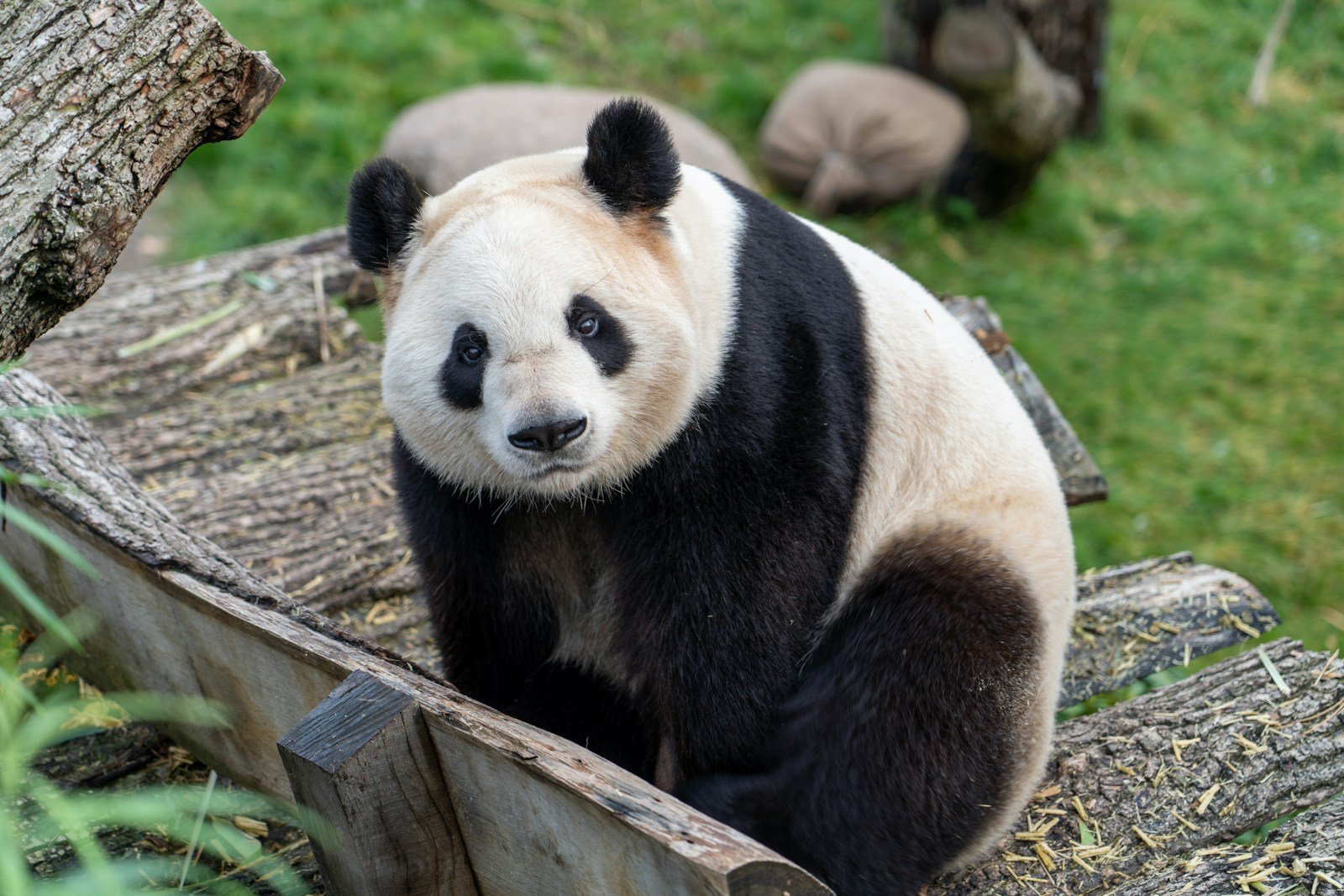
Pandas happen to be an unusually clean-cut example because ownership is flatly impossible, which removes any temptation to cut corners. But the underlying lesson generalizes: the animals that capture our hearts online are very often the ones least suited to living in our homes, and the kindest form of love for them is usually support from a respectful distance, channeled through the institutions actually equipped to care for them.
The Bigger Picture: Why This Story Matters
There’s something worth appreciating in the fact that giant pandas simply cannot be bought, sold, or privately owned anywhere in the world. It’s a rare case where an entire species has effectively been protected from the private exotic pet trade by design — a combination of Chinese national policy, international conservation law, and sheer biological difficulty that has kept pandas almost entirely within the world of accredited institutions and coordinated science.
That protection has arguably been part of why panda conservation has worked as well as it has. Compare it to species where private demand has driven poaching, smuggling, and population crashes, and the panda’s story looks notably different — a population that has grown, slowly but measurably, under a model built around research, habitat protection, and international cooperation rather than commodification.
So if you came into this article hoping to find a path toward bringing a panda into your home, I understand the disappointment, but I’d encourage you to see the full picture as something worth celebrating rather than resenting. The reason you can’t own a panda is largely the same reason pandas are still here for any of us to love in the first place.
Final Thoughts
Pandas occupy a strange and wonderful place in the human imagination — instantly recognizable, universally adored, and almost entirely inaccessible in the way people initially imagine wanting to access them. But “inaccessible” doesn’t mean “closed off.” Between symbolic adoption programs, zoo visits, reserve experiences in China, direct habitat conservation support, and the simple pleasure of a livestream on a slow afternoon, there are more ways to build a real relationship with these animals and their conservation story than most people realize when they first start searching.
If you take one thing away from this, let it be that the fantasy of owning a panda and the reality of loving pandas are actually pointing in the same direction — toward supporting the handful of institutions and conservation programs actually doing the work to keep this species around for the long haul. That’s a form of “adoption” that, unlike the private ownership version, is not only possible but genuinely open to anyone who wants to take part in it.
And honestly, watching one sneeze on a livestream costs nothing and might just make your whole week.