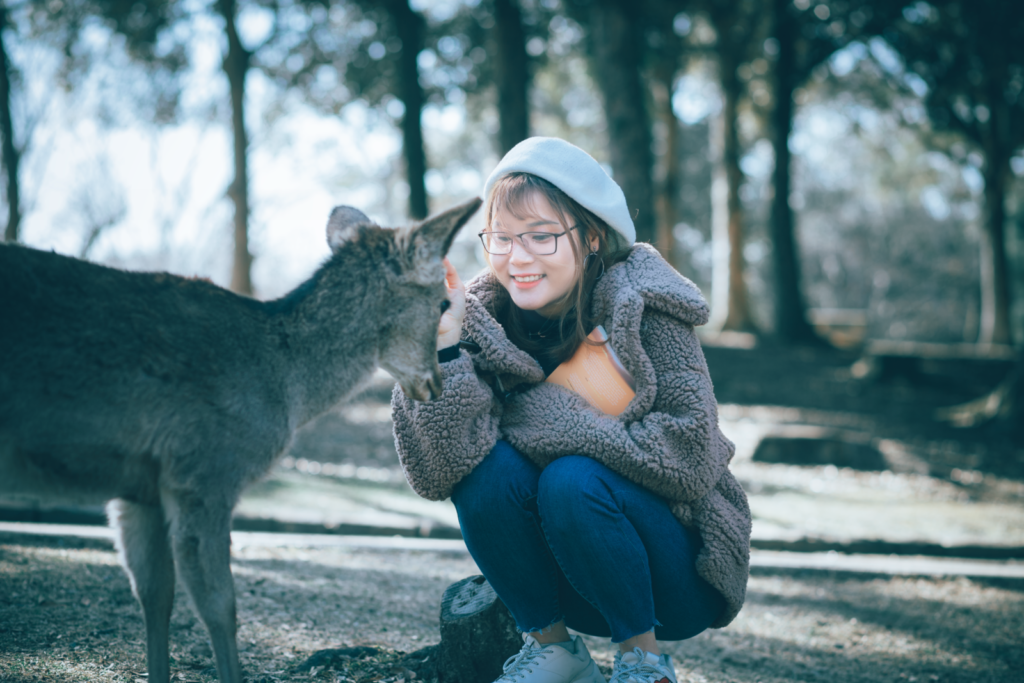

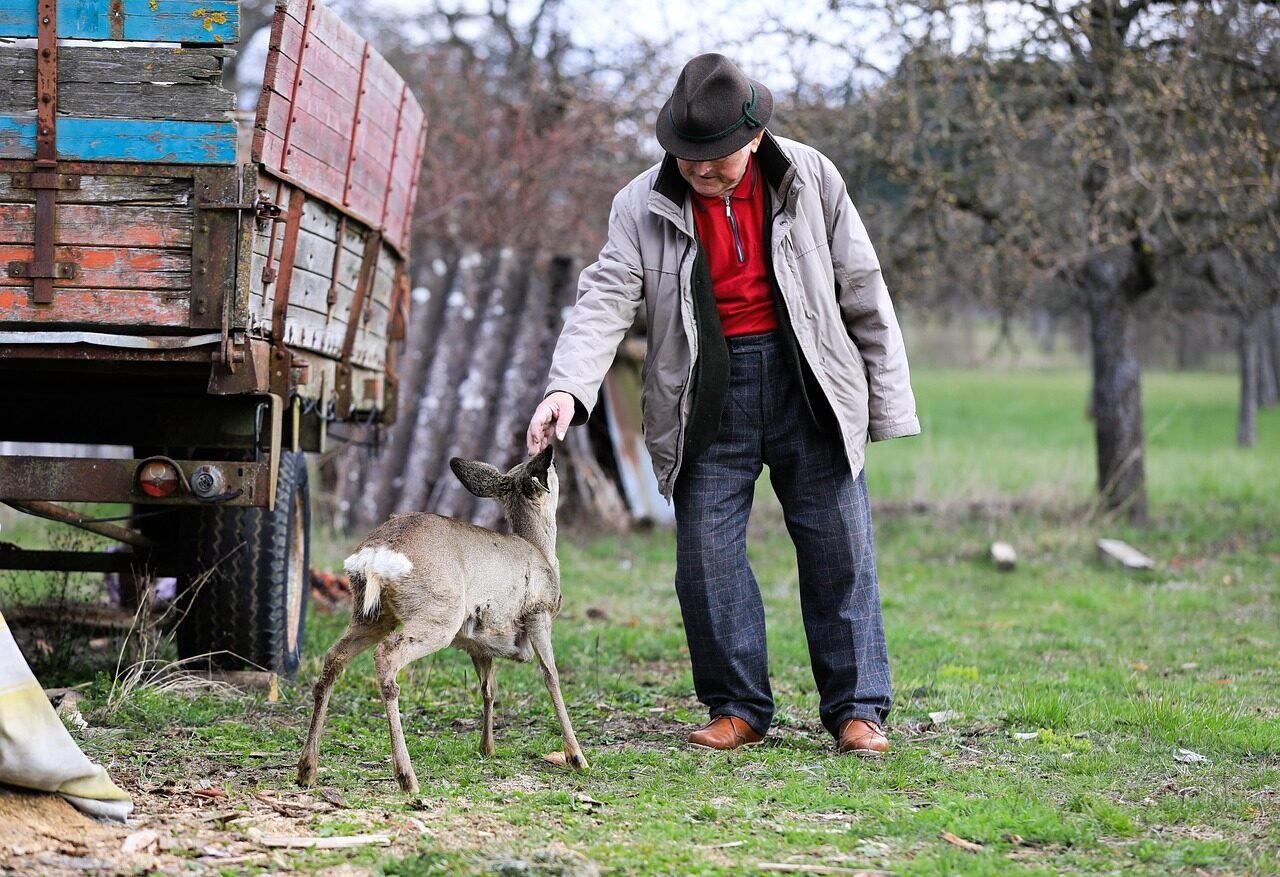
There’s a particular kind of photo that goes viral every fawning season — a spotted baby deer curled up on someone’s living room rug, or a grown doe following a farmer around like an oversized dog, nuzzling for treats. It’s easy to see why people fall for the idea. Deer look gentle. They’re graceful, quiet, undeniably beautiful, and there’s something almost magical about the idea of an animal that’s usually glimpsed for two seconds at the edge of a forest choosing to stick around your yard instead.
But if you’ve found yourself typing “can I have a pet deer” into a search bar, I want to give you the real story before you go any further — because this is one of those topics where the truth is a lot more layered than the viral photos suggest. Deer ownership sits in a strange middle ground: it’s legal in some places and firmly illegal in others, it can genuinely work in the right circumstances, and it can also go wrong in ways that are dangerous for you and heartbreaking for the animal.
I’ve pulled together everything I could find on this — the legal landscape, the practical realities of daily care, the safety considerations that don’t get talked about enough, and what it actually takes to do this responsibly if you decide to move forward. Let’s get into it.
First Things First: Is It Even Legal?
This is the single most important question, and the honest answer is: it depends entirely on where you live, sometimes down to the county level.
In the United States, deer are typically classified as wildlife and regulated by each state’s fish and wildlife agency, which means the rules vary dramatically from state to state. Some states allow private ownership of certain deer species with a permit, usually tied to licensed deer farming, hunting preserve, or wildlife rehabilitation operations. Other states ban private possession of native wild deer species outright, specifically because of disease control concerns, which I’ll get into shortly. A number of states allow ownership of non-native deer species, like fallow deer or sika deer, under farming regulations, while strictly prohibiting native whitetail or mule deer from being kept as pets at all.
On top of state law, many jurisdictions require permits specifically for “cervid” farming or possession — cervid being the biological family that includes deer, elk, and moose — and these permits often come with requirements around fencing height, record-keeping, veterinary testing, and facility inspections. Some states also draw a hard legal line between raising deer for agricultural or hunting-preserve purposes versus keeping one purely as a companion animal, and the latter is often either unregulated in a legal gray zone or explicitly banned.
Outside the U.S., rules vary just as much. In the UK, keeping deer generally falls under the Dangerous Wild Animals Act depending on species, alongside DEFRA regulations if you’re keeping them in any kind of farmed or semi-farmed setting. In much of Europe, deer farming is regulated agriculturally rather than treated as exotic pet ownership, with its own licensing structure.
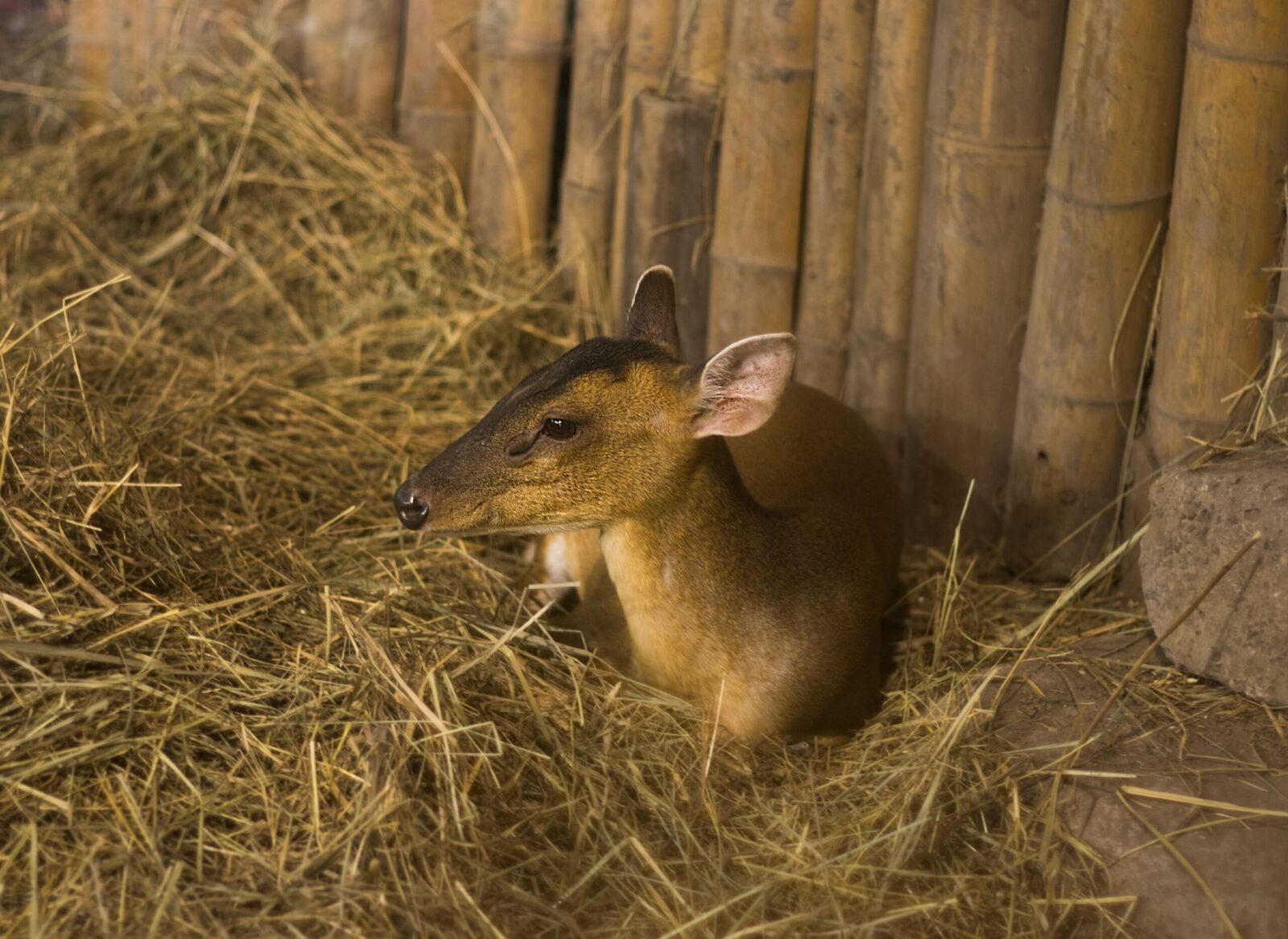
The bottom line: don’t rely on what a breeder tells you, and don’t rely on what you read in a Facebook group. Call your state or provincial wildlife agency directly, ask specifically about the species you’re considering, and get the answer in writing if you can. This is a case where the legal picture can change from one county line to the next, and getting it wrong doesn’t just risk a fine — wildlife officials can and do confiscate illegally held deer, sometimes euthanizing them on the spot due to disease-testing requirements that can’t be met after the fact.
Why the Laws Exist: It’s Not Just Bureaucracy
It’s worth understanding why deer ownership is regulated as tightly as it is, because the reasons are genuinely important and not just red tape for its own sake.
Chronic Wasting Disease
The single biggest driver of deer ownership regulation in North America is Chronic Wasting Disease, or CWD — a fatal, contagious neurological disease affecting deer, elk, and moose, caused by abnormal proteins called prions. CWD is always fatal, has no vaccine or cure, and can persist in soil and environments for years, making it extraordinarily difficult to eradicate once it takes hold in an area. It’s been detected in wild and farmed deer populations across a growing number of U.S. states and Canadian provinces, and wildlife agencies treat its containment as a serious priority, because an infected captive population can transmit the disease to wild deer through fencing contact or if animals escape.
This is precisely why so many states require CWD testing, movement permits, and strict fencing standards for anyone possessing captive deer, and why interstate transport of live deer is often tightly restricted or banned outright. If you’re considering deer ownership, understanding CWD isn’t optional background reading — it’s central to why the legal process looks the way it does, and it’s a genuine conservation issue, not just paperwork for its own sake.
Public Safety
The other major reason for regulation is safety — both the deer’s and the public’s. Deer, even ones raised by hand from birth, remain a genuinely unpredictable prey species with a powerful flight-or-fight response, and bucks in particular become significantly more aggressive and dangerous during the fall rut, when testosterone surges drive territorial and combative behavior. Every year, wildlife agencies deal with incidents involving “tame” deer that seriously injured the people who raised them, often during rut season, when a previously gentle buck can turn without much warning. This is part of why several states specifically prohibit keeping male deer past a certain age without additional permitting, or require antler removal for animals kept in proximity to people.
The Imprinting Problem
Here’s something that surprises a lot of people who are drawn to the idea of raising an orphaned or bottle-fed fawn: hand-raising a deer from a very young age doesn’t make it safer or more “tame” in the long run — in many cases, it makes things worse.
When a fawn imprints on humans instead of other deer, it loses its natural wariness of people, but it doesn’t lose its wild instincts or its adult size and strength. An imprinted buck, in particular, often treats human handlers the way it would treat a rival deer once it matures — including during rut season, when that means genuine physical challenges, not playful head-butting. Wildlife rehabilitators who work with orphaned fawns are trained specifically to minimize human bonding for this reason, often using surrogate does, minimal handling, and group housing with other fawns, precisely because an imprinted deer is considered a much harder and more dangerous animal to eventually place, whether that’s back into the wild or into a permitted captive setting.
This is a big part of why most wildlife professionals will tell you that “I found/raised an orphaned fawn and now it’s my pet” is a well-meaning but genuinely risky path, both for the person and, later, for the deer itself. If you come across an orphaned fawn, the right move in nearly every case is contacting a licensed wildlife rehabilitator rather than raising it yourself, both because it’s usually illegal to do otherwise and because professionals are trained to give that fawn the best chance at a healthy, appropriately wild life.
What Responsible Deer Keeping Actually Looks Like
Assuming you’ve confirmed it’s legal where you live, gone through the correct permitting process, and are working with a licensed breeder or farm rather than a wild-caught or improperly sourced animal, here’s what the day-to-day reality involves.
Space and Fencing
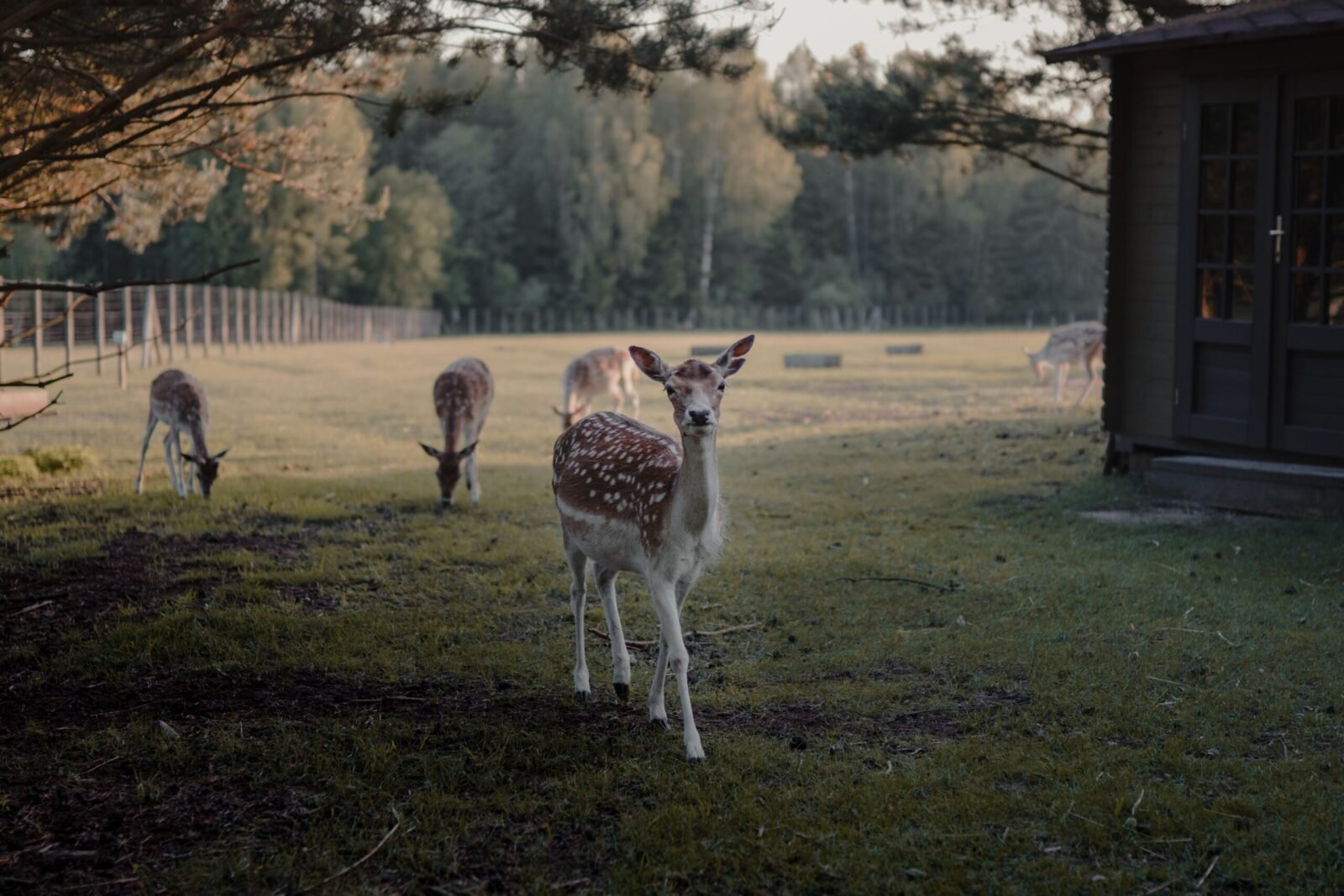
Deer need considerably more space than most people expect, and fencing has to be built to genuinely contain an animal that can clear an eight-foot fence from a standing position when startled. Most cervid-farming regulations specify fencing at least eight feet high, often woven wire, extending around the entire enclosure with no weak points, since deer test fences constantly and will find any gap. Beyond height, deer need enough acreage to move, graze, and establish their own sense of territory — a cramped enclosure leads to stress, which shows up as pacing, fence-pacing injuries, or aggressive behavior. Most experienced keepers recommend at least an acre or more per deer, with additional space for each additional animal, since deer are herd animals and shouldn’t be kept alone.
Companionship
This point deserves its own emphasis: deer are herd animals, and a solitary deer is a stressed deer, regardless of how much human attention it gets. If you’re considering deer ownership, plan for at least two, ideally kept together from a young age, because a single deer without deer companionship tends to develop anxiety-driven behaviors and, often, an unhealthy over-attachment to human handlers that circles back to the imprinting problems described above.
Diet
Deer are browsers, not grazers in the way cattle or horses are, meaning their natural diet involves a wide variety of leaves, twigs, shrubs, and forbs rather than continuous grass grazing. A responsible captive diet usually combines quality pasture or browse access with a specially formulated cervid feed, since deer have particular nutritional needs — including a sensitivity to sudden diet changes that can cause serious digestive upset, sometimes fatally, if a deer is switched abruptly from one feed type to another. Most experienced deer farmers work with a livestock nutritionist or veterinarian familiar with cervids to build an appropriate feeding plan, and treats like commercial deer corn should be given sparingly, since overfeeding grain-heavy treats is a common and serious cause of digestive illness in captive deer.
Veterinary Care
As with most less-common captive animals, finding a veterinarian with real cervid experience can be a challenge depending on where you live — many general large-animal vets have limited hands-on experience with deer specifically, since their physiology and stress responses differ meaningfully from more commonly kept livestock like goats or sheep. Regular health monitoring, parasite management, and the mandatory disease testing required in most permitted jurisdictions all depend on having this kind of vet relationship in place before you need it in an emergency.
Handling During Rut
If you keep male deer, planning around rut season is essential. Most experienced keepers either separate bucks from human contact entirely during this period, house them with does rather than allowing close human interaction, or in some cases opt to keep only does specifically to avoid the safety complications that come with an intact, hormonally driven adult buck. This isn’t a small consideration — it’s one of the most commonly cited reasons deer-keeping situations turn dangerous, and it should factor heavily into which animals you choose to keep and how you plan your facility.
The Financial Picture
Deer ownership is generally less expensive than something like caracal ownership, but it’s still a genuine financial commitment, not a casual one.
Initial costs depend heavily on species and source — a fallow or sika deer from a licensed farm might run anywhere from a few hundred to a couple thousand dollars depending on lineage and region, while permitting fees, required fencing infrastructure, and facility inspections add substantially more before you ever bring an animal home. Fencing alone, done to the standard most regulations require, can run into the thousands of dollars depending on the size of the enclosure. Ongoing costs include feed, which is relatively modest compared to something like raw-meat exotic carnivore diets but still adds up across multiple animals, plus veterinary care, disease testing where required, and ongoing permit renewal fees.
Compared to something like a caracal, the total investment is generally more accessible, but it’s still meaningfully more than most people budget for what they initially picture as “a pet deer in the backyard.”
Species Worth Knowing About
Not all deer are equal when it comes to captive suitability, and this is worth understanding before you get attached to a specific idea.
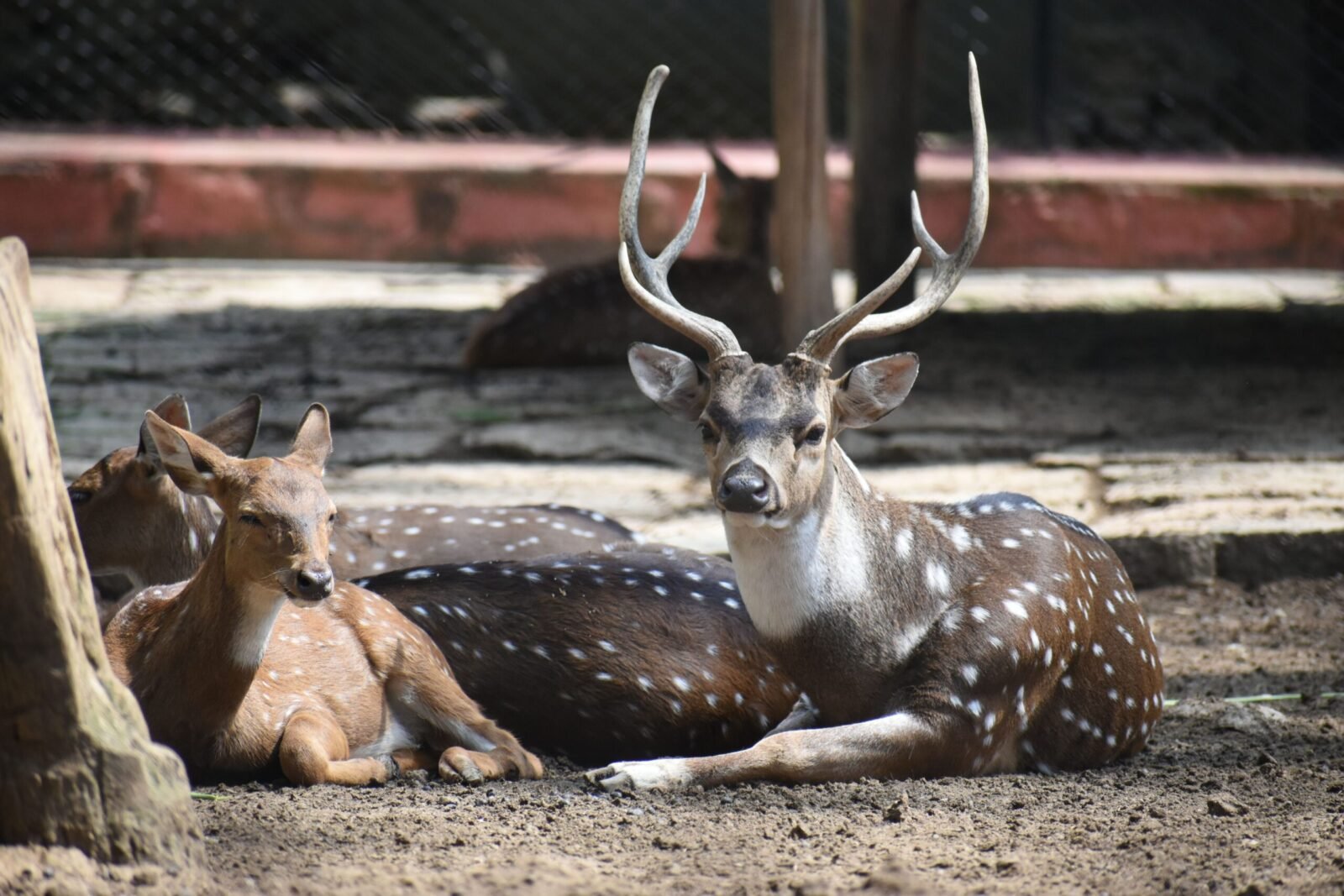
Fallow deer are among the most commonly farmed deer species worldwide, generally considered calmer and more manageable in captivity than native wild species, and widely available through licensed breeders in regions where deer farming is established. Sika deer, native to East Asia, are another commonly farmed species with a reputation for adapting reasonably well to captive settings, though bucks still require the same rut-season caution as any other species. Reindeer, interestingly, are among the few deer species with a long history of genuine domestication, thanks to thousands of years of selective breeding by Arctic and sub-Arctic peoples — though they come with their own significant climate and dietary needs that make them impractical outside cooler regions.
Native whitetail and mule deer, by contrast, are the species most tightly regulated and most often outright prohibited from private possession in North America, precisely because of the CWD concerns and because they haven’t undergone the generations of selective breeding that species like fallow deer or reindeer have.
Questions Worth Sitting With
Before moving forward, it’s worth honestly working through a few questions, ideally with anyone else in your household who’d be affected by the decision.
Have you confirmed, directly with your state or provincial wildlife agency and your county government, that owning your specific species of interest is legal where you live, and do you understand the full permitting process required?
Do you have, or can you build, fencing that genuinely meets the height and security standards required — not just what seems sufficient, but what regulations and experienced keepers actually recommend?
Are you prepared to keep at least two deer rather than one, given how much herd companionship affects their wellbeing?
Do you have access to a veterinarian with real large-animal or cervid experience, and have you confirmed they’re willing to take on a new client with this kind of animal?
Have you thought through how you’ll manage rut season safely, especially if bucks are involved, and are you comfortable with the safety planning that requires?
Is your interest coming from a place of wanting to responsibly keep an animal suited to farm-style captivity, or is it more about the romantic image of a fawn on your porch — because those two starting points tend to lead to very different, and very differently successful, outcomes?
If You Found an Orphaned Fawn
I want to address this directly, because it’s one of the most common ways people end up considering deer ownership in the first place, often unintentionally. If you come across a fawn that appears to be alone, the most important thing to know is that mother deer routinely leave fawns hidden and motionless for hours at a time while they forage, specifically because a stationary fawn is much harder for predators to detect than one following its mother around. A fawn lying quietly and calmly in the grass is very often not abandoned at all — it’s doing exactly what it’s supposed to do.
Unless you’ve observed clear signs of true abandonment or injury — the fawn crying persistently, visibly wounded, or a mother confirmed dead nearby — the right move is almost always to leave it alone and, if you’re still concerned, contact a licensed wildlife rehabilitator to make that assessment rather than intervening yourself. In most places, it’s also simply illegal for a private individual to take a wild fawn into their own care, precisely because of the imprinting and disease concerns already discussed. A rehabilitator can evaluate the situation properly and, if intervention really is needed, handle it in a way that gives the fawn the best possible chance at an appropriately wild life, or an appropriately regulated captive one if it truly can’t be released.
Final Thoughts
Deer occupy an interesting space in the world of unconventional pets — unlike something that’s flatly impossible to own, like a giant panda, or something that requires an enormous, specialized investment at every turn, like a caracal, deer-keeping is genuinely achievable for some people, in some places, done the right way. But “achievable” isn’t the same as “casual,” and the gap between a viral photo of a friendly doe and the reality of proper fencing, disease testing, rut-season safety planning, and herd companionship is bigger than it looks from the outside.
If you move forward, do it through the front door: confirm the law in writing, work with a licensed breeder rather than an informal or wild source, build the fencing before you bring an animal home, and go in understanding that even the gentlest-looking deer is still operating on instincts that a few generations of selective breeding haven’t fully softened, particularly once rut season rolls around.
Done thoughtfully, deer-keeping can be a genuinely rewarding way to share your land with an animal most people only ever see from a distance. Just make sure the decision is built on the legal and practical reality, not the version you saw in a thirty-second video — because that’s really the difference between an animal that thrives in your care and a situation that ends up hurting someone, human or deer.