
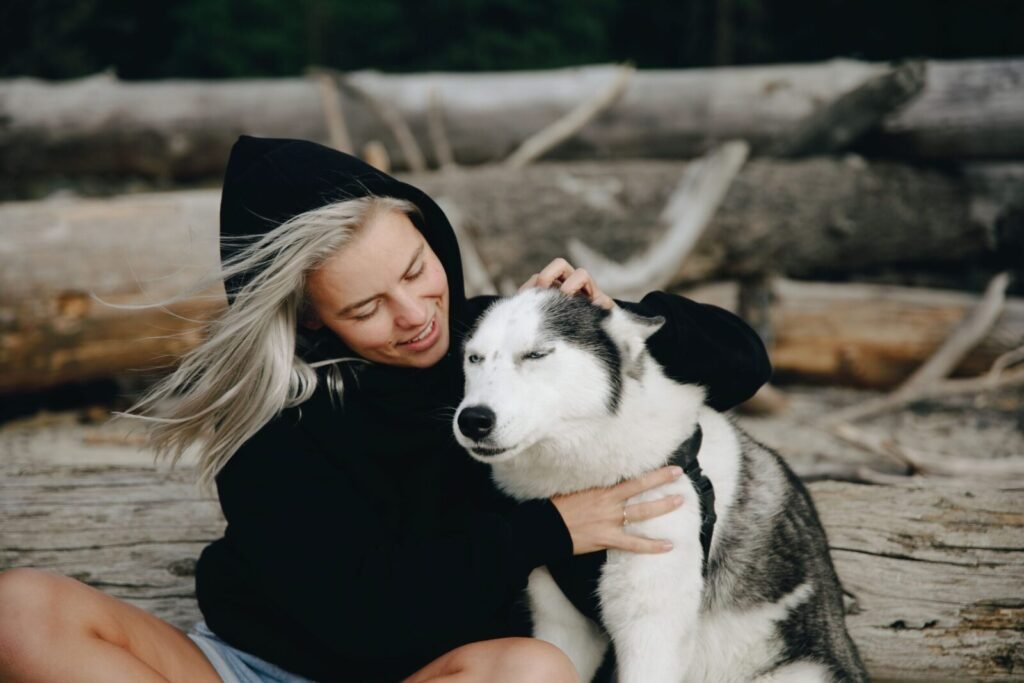

If you’ve ever locked eyes with a Siberian Husky, you already know why so many people fall for this breed instantly. Those piercing blue (or sometimes brown, or even one of each) eyes, the thick wolf-like coat, and that unmistakable “talking” howl instead of a bark make huskies one of the most recogniseable dog breeds in the world. But behind the striking looks is a working sled dog with a personality, energy level, and set of care needs that catch a lot of new owners off guard.
Huskies aren’t a low-maintenance breed dressed up in a pretty coat. They were bred by the Chukchi people of Siberia to pull sleds across brutal winter terrain for hours at a time, and that history is baked into every part of who they are today. If you’re thinking about bringing a husky home, or you already have one curled up at your feet right now, this guide walks through everything you actually need to know — from what to feed them and how to handle medications, to grooming, exercise, training, and the health issues you should watch for.
Getting to Know the Husky Temperament
Before diving into feeding schedules and vet visits, it helps to understand what makes a husky tick, because their personality shapes almost every other care decision you’ll make.
Huskies are pack animals through and through. They were never bred to work alone or guard property — they were bred to run in a team, alongside other dogs and humans, toward a shared goal. This means they tend to be incredibly social, often too friendly to make good guard dogs, and they genuinely dislike being left alone for long stretches. A bored, lonely husky is a husky that will find its own entertainment, and that entertainment usually involves your couch cushions, garden, or shoes.
They’re also famous escape artists. Huskies are diggers, jumpers, and fence-testers, and their prey drive can be strong, especially around smaller animals. None of this makes them a “bad” dog — it just means their care plan needs to account for who they naturally are, rather than trying to force them into a mold that doesn’t fit.
Vocally, huskies are unique. Instead of barking constantly like some breeds, they “talk” — a mix of howls, yips, and grumbles that many owners find hilarious and oddly conversational. If you live in an apartment building with thin walls, this is worth thinking about ahead of time.
Feeding Your Husky: What, How Much, and When
Nutrition is one of the areas where husky owners most often get tripped up, mainly because huskies don’t eat like other dogs their size.
Why Huskies Eat Less Than You’d Expect
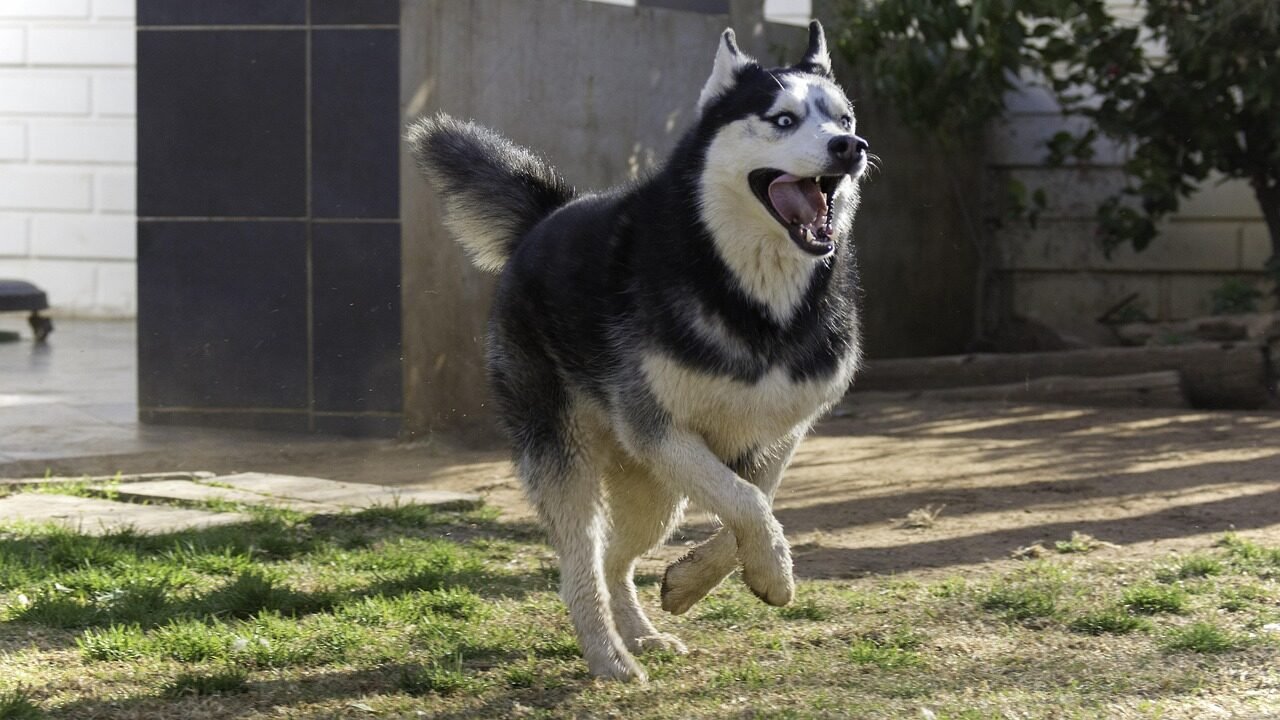
One of the most surprising things about huskies is how efficiently their bodies use food. Thanks to generations of selective breeding for endurance work in extreme cold, huskies have an unusually efficient metabolism. A husky often eats noticeably less than a Labrador or German Shepherd of similar weight, and this is completely normal — it’s not a sign of pickiness or illness. New owners sometimes panic when their husky “barely eats,” but as long as your dog maintains a healthy weight, energy level, and coat condition, lighter eating is simply part of the breed.
Choosing the Right Food
A high-quality diet built around real animal protein should be the foundation of any husky’s meals. Look for commercial dog foods where a named meat (chicken, salmon, lamb, beef) is the first ingredient, rather than vague terms like “meat by-products” or excessive fillers like corn and soy.
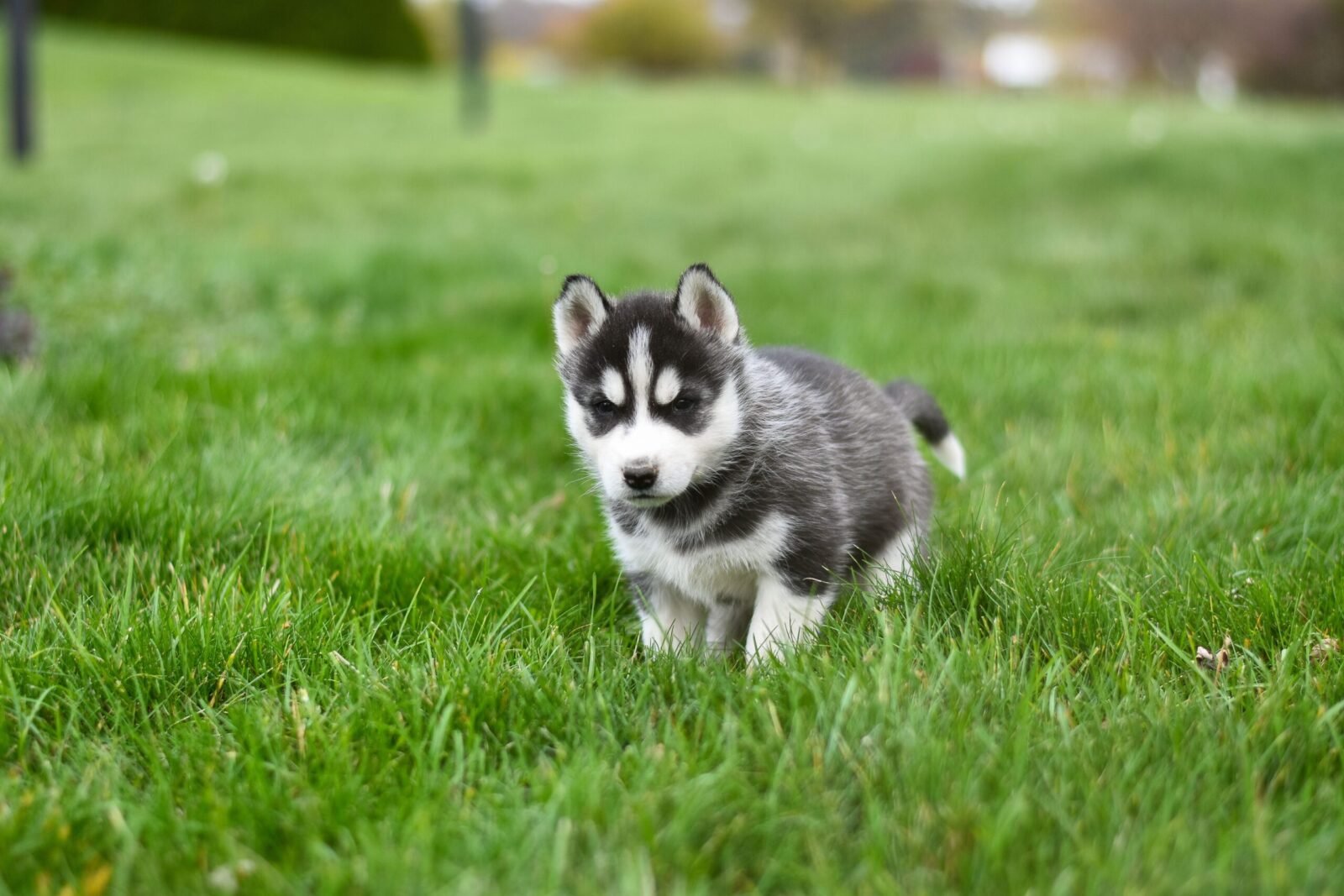
For adult huskies, a food with roughly 22–28% protein and moderate fat content (12–18%) generally supports their activity level well, though working or highly active huskies may need higher fat percentages to fuel their endurance. Puppies need a puppy-specific formula with higher calorie density to support growth, and it’s worth choosing a large-breed puppy formula to help regulate bone and joint development, since huskies can grow quickly in their first year.
Grain-free diets have become popular, but it’s worth knowing that some grain-free formulas have been linked to heart issues in dogs, so this is a conversation worth having with your vet rather than assuming grain-free automatically means healthier.
How Much to Feed
As a general starting point:
- Puppies (8 weeks–6 months): 3–4 small meals a day, following the feeding chart on your specific puppy food, adjusted based on growth and energy level.
- Adolescents (6–12 months): Transition to 2 meals a day.
- Adults (1+ years): Most adult huskies do well on 1.5–3 cups of quality dry food daily, split into two meals, though this varies enormously based on activity level, metabolism, and the specific food’s calorie density.
- Working or highly active huskies: May need noticeably more, sometimes approaching double the maintenance amount during heavy exercise periods.
Rather than treating any number as gospel, watch your dog. You should be able to feel (though not necessarily see) their ribs without pressing hard, and they should have a visible waist when viewed from above. If your husky is gaining weight, cut back gradually; if they’re losing weight without an increase in activity, that’s worth a vet visit rather than just adding more food.
Foods to Avoid
Some human foods are toxic to huskies just as they are to any dog, and huskies’ curious, food-motivated nature means they’ll often try to sneak a bite if given the chance. Keep these off the menu entirely:
- Chocolate, especially dark chocolate and baking chocolate
- Grapes and raisins
- Onions, garlic, and chives
- Xylitol (found in sugar-free gum and some peanut butters)
- Alcohol and anything containing caffeine
- Cooked bones, which can splinter and cause internal injury
- Excessive fatty scraps, which can trigger pancreatitis
Treats and Supplements
Treats should make up no more than about 10% of total daily calories. Freeze-dried meat treats, small pieces of cooked lean chicken, or commercial training treats work well. Because huskies are prone to certain joint and skin conditions (more on that below), some owners add supplements like fish oil for coat and joint health, or glucosamine/chondroitin for older dogs. Always run new supplements past your vet first, since dosing matters and some can interact with medications.
Medications and Health Management
This is the part of husky ownership that tends to worry new owners most, so let’s break it down clearly.
Core Vaccinations and Preventive Medication
Like all dogs, huskies need a standard vaccination schedule starting in puppyhood:
- 6–8 weeks: First round of DHPP (distemper, hepatitis, parainfluenza, parvovirus)
- 10–12 weeks: Second DHPP round, plus leptospirosis and Bordetella depending on your region and lifestyle
- 14–16 weeks: Final puppy round of DHPP, plus rabies vaccine (timing varies by local law)
- Annually or every three years thereafter: Booster shots as recommended by your vet, since protocols vary by vaccine type and local regulations
Beyond vaccines, most vets recommend year-round preventive medication for:
- Heartworm: A monthly oral or topical preventive is standard, and it’s a non-negotiable in most climates, since heartworm treatment (if your dog gets infected) is expensive, risky, and hard on the dog.
- Flea and tick prevention: Monthly chewables, topical treatments, or collars, depending on what your vet recommends for your area.
- Deworming: Puppies typically need deworming every 2–3 weeks until about 12 weeks old, then according to your vet’s ongoing schedule based on fecal testing.
Always give preventive medications exactly as directed and never split adult-dog doses for a puppy or vice versa without vet guidance — dosing is weight-based and getting it wrong can be dangerous in both directions.
Administering Medication at Home
If your husky needs medication beyond routine preventives — antibiotics after surgery, medication for an ear infection, or a short course of anti-inflammatories — a few practical tips make the process smoother:
- Pill pockets or food-hiding: Wrapping a pill in a small amount of soft food, cheese, or a commercial pill pocket works for most huskies, though some are suspicious enough to eat around the pill. If that happens, try crushing the pill (only if your vet confirms it’s safe to crush) and mixing it thoroughly into wet food.
- Liquid medications: Use the oral syringe provided by your pharmacy, aim toward the back and side of the mouth, and go slowly to avoid choking.
- Never adjust dosing on your own. If a medication doesn’t seem to be working, or your husky seems to be having a reaction (vomiting, unusual lethargy, swelling, difficulty breathing), contact your vet immediately rather than stopping or doubling doses.
- Finish the full course of any prescribed antibiotics even if symptoms clear up early, since stopping early can allow infections to return or contribute to antibiotic resistance.
Never Medicate With Human Drugs
It’s worth saying plainly: never give a husky human pain relievers like ibuprofen, acetaminophen (Tylenol), or aspirin without explicit vet direction. These are toxic to dogs even in small amounts and are a common cause of accidental poisoning. If your husky is in pain, call your vet for an appropriate canine-safe medication instead.
Common Health Conditions in Huskies
Huskies are a generally hardy breed, but there are a handful of conditions that show up often enough to be worth knowing about:
Hip dysplasia — a malformation of the hip joint that can cause pain and arthritis over time. Reputable breeders screen for this, but it can still occur. Keeping your husky at a healthy weight and avoiding excessive high-impact exercise as a growing puppy helps reduce risk.
Eye conditions — huskies are prone to a cluster of eye issues including cataracts, progressive retinal atrophy, and corneal dystrophy. Annual eye exams, especially as your dog ages, can catch problems early. Watch for cloudiness in the eyes, bumping into objects, or reluctance to go down stairs, which can signal vision changes.
Hypothyroidism — an underactive thyroid gland that can cause weight gain, lethargy, and coat thinning. It’s manageable with daily medication once diagnosed via bloodwork.
Zinc-responsive dermatosis — a skin condition seen more often in huskies than many other breeds, where the body has trouble absorbing zinc properly, leading to crusty, irritated skin especially around the face. This is typically managed with zinc supplementation under vet guidance.
Laryngeal paralysis — more common in older huskies, this affects the airway and can cause noisy breathing, especially during exercise or heat. It’s something to mention to your vet if you notice a change in your dog’s breathing sounds.
Routine annual (or twice-yearly for seniors) vet checkups are the best defense against most of these conditions, since early detection dramatically improves outcomes.
Exercise: The Non-Negotiable Part of Husky Care
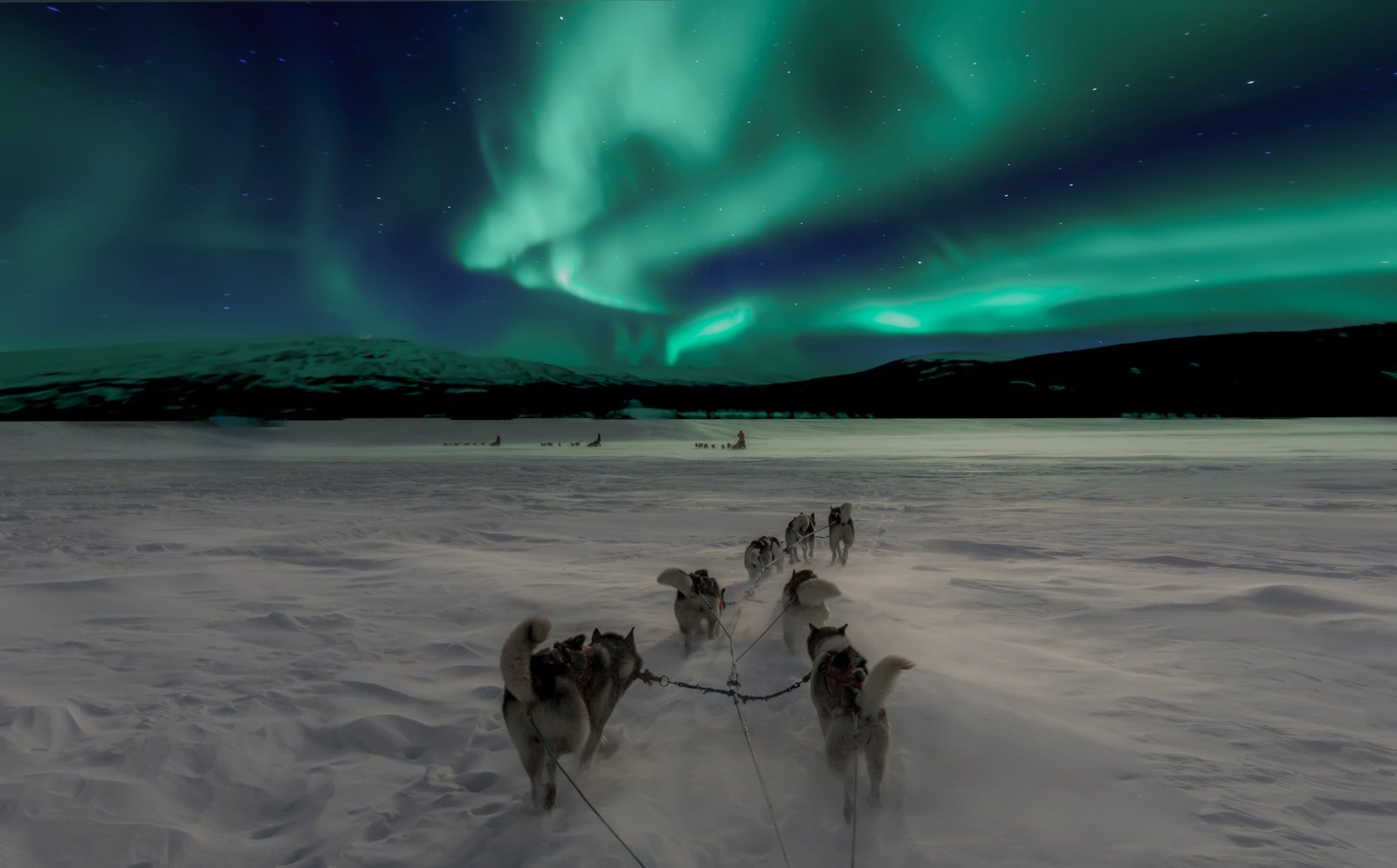
If there’s one thing that makes or breaks life with a husky, it’s exercise. These are working dogs built to run 20+ miles a day historically, and while your average pet husky doesn’t need marathon distances, they do need substantially more physical activity than most breeds.
A husky that doesn’t get enough exercise is a husky that will redirect that energy into digging, chewing, escaping, or general chaos. Aim for at least 60–90 minutes of vigorous activity daily, split across walks, runs, or structured play. Huskies also excel at activities that engage both their body and their working instincts:
- Running or jogging alongside a bike (once fully grown, to protect developing joints)
- Bikejoring or canicross, where the dog pulls a bike or runner, tapping into their natural sled-pulling instinct
- Hiking on leash, which also satisfies their love of exploring
- Dog sports like agility, which challenge them mentally as well as physically
Mental stimulation matters just as much as physical exercise. Puzzle feeders, scent games, and training sessions help tire out a husky’s sharp mind, which is often the missing piece for owners who exercise their dog physically but still deal with destructive behavior.
One important caveat: huskies overheat easily because of their thick double coat, which was built for sub-zero temperatures, not summer afternoons. In warm weather, exercise them during cooler parts of the day and always have water available.
Grooming and Coat Care
Huskies have a dense double coat consisting of a soft insulating undercoat and a longer, coarser topcoat. This coat is remarkably self-cleaning and low-odor compared to many breeds, but it does shed — a lot, and twice a year in a dramatic event owners affectionately call “blowing coat.”
Regular Brushing
During normal months, brushing 2–3 times a week with an undercoat rake or slicker brush keeps shedding manageable and prevents matting. During seasonal coat blow (typically spring and fall), daily brushing becomes almost essential, as the undercoat sheds in large clumps.
Bathing
Huskies don’t need frequent baths — every 6–8 weeks or so is usually plenty, since over-bathing can strip the natural oils that keep their coat weatherproof and healthy. Use a dog-specific shampoo, since human shampoo can disrupt their skin’s pH balance.
Nails, Ears, and Teeth
- Nails: Trim every 3–4 weeks, or whenever you hear them clicking on hard floors.
- Ears: Check weekly for redness, odor, or discharge, and clean gently with a vet-approved ear cleaner as needed. Huskies’ upright ears generally mean better airflow and fewer ear infections than floppy-eared breeds, but checks are still worthwhile.
- Teeth: Brush 2–3 times a week with dog-safe toothpaste to prevent tartar buildup and dental disease, which is one of the most common health issues across all dog breeds.
Never Shave a Husky
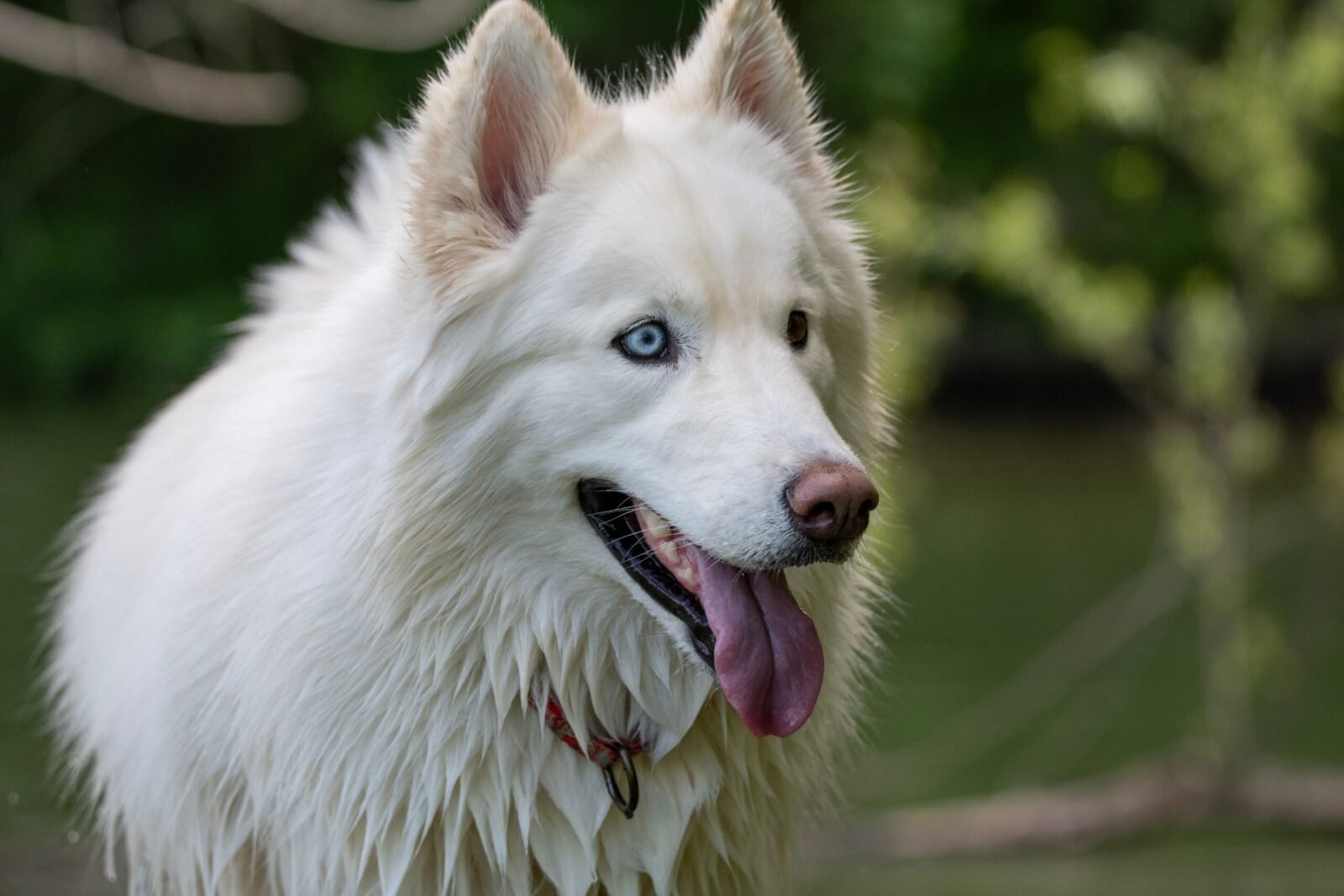
It’s worth calling out specifically: don’t shave a husky to “help them cool down” in summer. Their double coat actually insulates against heat as well as cold, and shaving can damage the coat’s regrowth pattern, remove natural sun protection, and increase the risk of sunburn and heatstroke rather than prevent it.
Training and Mental Stimulation
Huskies are intelligent, but their intelligence comes paired with independence and a strong stubborn streak, which can make training more challenging than with breeds bred to please their owner above all else. Huskies were bred to problem-solve independently while pulling a sled through unpredictable terrain, not to constantly check in with a human for direction, and that instinct shows up in training sessions.
The keys to successful husky training are consistency, positive reinforcement, and patience:
- Start early. Basic obedience, socialization, and recall training should begin the moment your puppy comes home.
- Keep sessions short and engaging. Huskies bore quickly, so 5–10 minute training bursts multiple times a day work better than long sessions.
- Use high-value rewards. Food-motivated as they are, huskies often respond best to real, exciting treats rather than routine kibble during training.
- Never rely on recall off-leash in unfenced areas, at least not without extensive, proven training. Huskies’ prey drive and independent streak mean many will simply run if something catches their interest, regardless of how well-trained they seem in the backyard.
- Secure your yard properly. A husky-proof fence needs to be tall (at least 6 feet), buried or reinforced at the base to prevent digging out, and free of gaps a determined husky could squeeze through.
Crate training, leash manners, and “settle” cues are especially valuable for this breed, given their tendency toward restlessness and escape attempts.
Living Situation and Climate Considerations
Given their heritage as Arctic sled dogs, huskies are extremely well-adapted to cold weather and can comfortably spend time outdoors in conditions that would be miserable for most breeds. However, they are pack animals and shouldn’t be kept as outdoor-only dogs isolated from family life — they need companionship as much as they need cold air.
In hot climates, extra precautions matter: access to shade and water at all times, avoiding midday exercise in summer, and never leaving a husky in a parked car, even briefly, since their coat makes them especially vulnerable to heatstroke.
Apartment living is possible with a husky, but it requires serious commitment to daily exercise and mental enrichment to offset the lack of yard space. A husky in a small space without enough outlet for their energy is far more likely to develop anxiety-driven or destructive behaviors than one with room to roam and a consistent exercise routine.
Spaying, Neutering, and Reproductive Health
Most vets recommend spaying or neutering huskies, generally somewhere between 6–18 months depending on your vet’s specific guidance and your dog’s growth pattern, since huskies’ skeletal development benefits from allowing growth plates to mature before the procedure in some cases. This is a conversation worth having directly with your vet, as timing recommendations continue to evolve and can depend on your individual dog.
Spaying and neutering can reduce the risk of certain cancers, eliminate heat cycles and related behaviors, and often reduce roaming instinct, though it won’t eliminate a husky’s fundamental energy level or independent streak — that’s simply part of the breed.
Senior Husky Care
As huskies enter their senior years, typically around 7–9 years old, their care needs shift. Metabolism slows, joints may become stiffer, and health screenings become more important. Adjustments worth considering:
- Switching to a senior-formula food with adjusted calorie and protein content to match reduced activity
- Joint supplements like glucosamine and omega-3 fatty acids to support mobility
- More frequent vet checkups, often every 6 months, to catch age-related conditions early
- Modified exercise — shorter, gentler walks rather than intense runs, while still keeping activity consistent to maintain muscle and joint health
- Dental care attention, since dental disease becomes more common and can affect overall health in older dogs
Huskies typically live 12–15 years with good care, a solid lifespan that reflects the breed’s overall hardiness when their needs are met consistently throughout life.
Frequently Asked Questions
Do huskies do well with other dogs? Generally, yes. Their pack-oriented history means most huskies genuinely enjoy canine company, and many owners find their husky is happiest with a second dog for companionship. Proper introductions and matching energy levels still matter, but huskies tend to be more dog-social than many other breeds.
Are huskies good with small children? Huskies are often gentle and tolerant with kids, and their playful nature can make them great family dogs. That said, their size, exuberance, and high energy mean supervision is important with very young children, simply because an excited husky can accidentally knock a toddler over during play.
How much does husky ownership typically cost? Beyond the initial adoption or purchase cost, ongoing expenses include quality food, routine vet care, preventive medication, grooming tools, and the occasional unexpected vet visit. Because huskies are a generally hardy breed, many owners find their long-term veterinary costs comparable to or lower than breeds with more chronic health issues, though individual results vary.
Can huskies be left alone during a work day? Short stretches (4-6 hours) are usually manageable for an adult husky who’s had proper exercise beforehand, especially with enrichment like puzzle toys available. Full 8-10 hour days alone, especially for puppies or under-exercised dogs, often lead to anxiety and destructive behavior. A midday walk from a dog walker or a doggy daycare day can make a real difference for owners with long work hours.
Why does my husky howl instead of bark? This is simply breed instinct. Huskies communicate more through howls, yips, and “talking” sounds than through traditional barking, a trait linked to their history as pack-communicating sled dogs. It’s rarely a sign of a problem unless it’s paired with obvious distress or happens excessively when the dog is otherwise alone and anxious.
Choosing a Husky: Puppy or Rescue
If you’re still deciding how to bring a husky into your life, both routes — a breeder puppy or a rescue adult — come with their own advantages.
Going through a reputable breeder means you’ll typically get health clearances for the parents (hip, eye, and thyroid screenings in particular), a clear look at the puppy’s early environment and socialization, and support from the breeder as questions come up. Avoid backyard breeders or puppy mills, which often skip health testing entirely and can pass along a higher risk of the genetic conditions mentioned earlier in this guide.
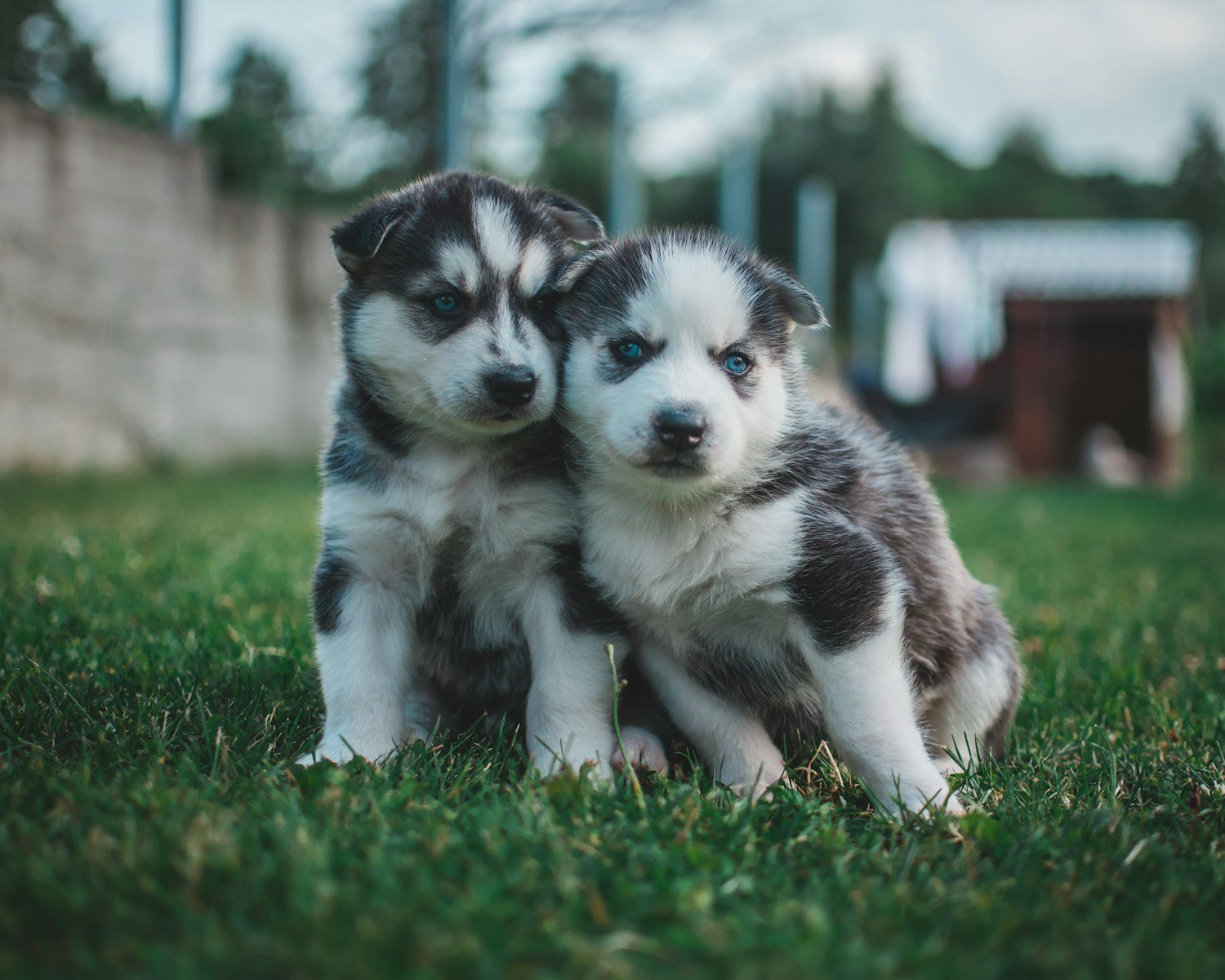
Rescuing a husky is also worth serious consideration, since huskies are, unfortunately, one of the more commonly surrendered breeds — often because owners underestimated their exercise needs and vocal nature. Husky-specific rescue organizations frequently have adult dogs with known temperaments already available, which can actually make the transition smoother than raising a puppy, especially for first-time husky owners. Many rescues also handle initial vet work, vaccinations, and spay/neuter before adoption.
Whichever path you choose, resist the pull of an impulse decision based purely on looks. Spend time with the individual dog if possible, ask detailed questions about health history and temperament, and be honest with yourself about whether your lifestyle can support a husky’s exercise and companionship needs before committing.
Building a Daily Care Routine
New husky owners often do best with a simple, repeatable daily rhythm rather than trying to remember a long list of separate tasks. A sample day might look like:
- Morning: A brisk 20–30 minute walk or run, followed by breakfast
- Midday: A mental enrichment activity — a puzzle feeder, a short training session, or a sniff-focused walk
- Evening: The main exercise session of the day (30–60 minutes of vigorous activity), followed by dinner
- Before bed: A calm wind-down period, coat brushing a few times a week, and a final bathroom break
Layering in weekly tasks (nail trims, ear checks) and monthly tasks (weight check, flea/tick and heartworm medication) around this daily rhythm makes husky care feel manageable rather than overwhelming, and consistency is genuinely one of the biggest factors in raising a well-adjusted, healthy husky.
Final Thoughts
Owning a Siberian Husky is a genuinely rewarding experience, but it’s not a passive one. These are dogs that ask a lot of their owners — consistent exercise, thoughtful nutrition, patient training, and attentive health care — and give back loyalty, humor, and companionship in equal measure. Understanding their needs before you bring one home, or deepening your understanding if you already share your life with one, is the difference between a frustrated owner and a genuinely happy husky-human household.
If you take one thing away from all of this, let it be that huskies thrive on structure paired with freedom to be who they are: active, social, vocal, and just a little bit stubborn. Feed them well, keep up with their medical care, give them the exercise their bodies were built for, and you’ll have a companion whose energy and personality make every walk, every howl-filled conversation, and every muddy paw print entirely worth it.