
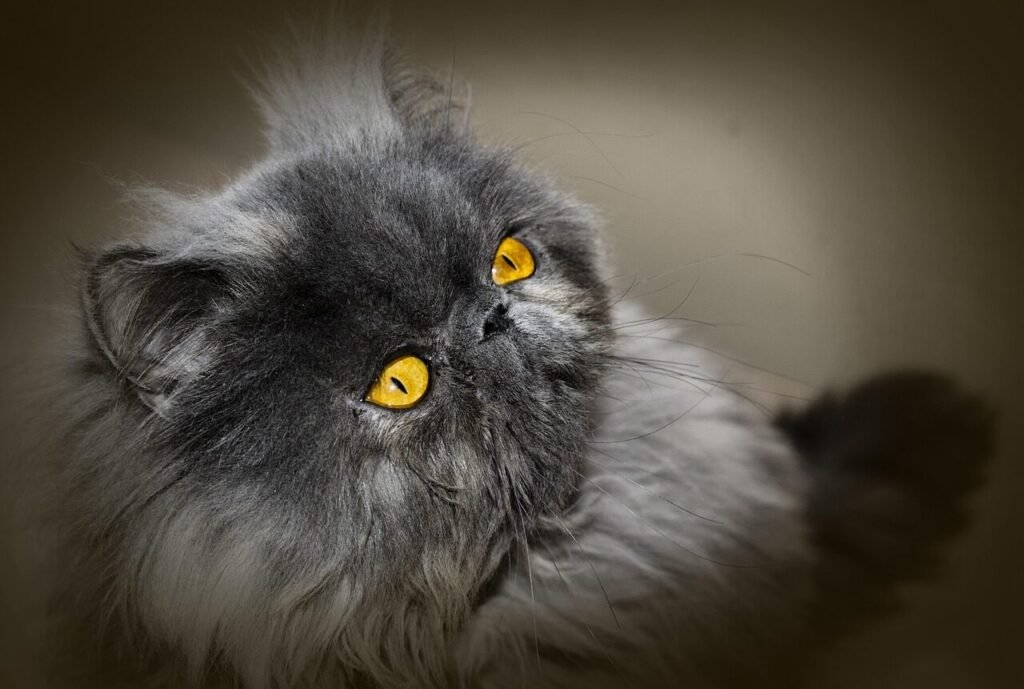

If you’ve ever scrolled through cat photos online and paused a little longer on one with a flat, sweet face, huge round eyes, and a coat so thick it looks almost unreal, chances are you were looking at a Persian cat. They’re one of the oldest and most recogniseable cat breeds in the world, and for good reason. Persians have this calm, almost regal presence about them. They don’t demand attention the way some other breeds do. They just sort of exist in a room, beautifully, like a living piece of furniture that occasionally wants a chin scratch.
But owning a Persian cat is not quite the same experience as owning your average shorthair. These cats come with a specific set of needs, and if you don’t know what you’re getting into, you can end up overwhelmed pretty quickly. This guide is meant to walk you through everything, from what makes Persians tick, to how you should be feeding them, to the health issues you genuinely need to watch out for. Think of it as the conversation a knowledgeable friend would have with you before you bring one home, or if you already have one, the conversation that helps you do right by them.
A Quick Look at Where Persian Cats Come From
Persian cats are believed to have originated in the region we now know as Iran (historically Persia), though there’s a lot of debate among historians about exactly how and when they made their way to Europe. Some accounts suggest that long-haired cats were brought from Persia to Italy in the 1600s by a traveler named Pietro Della Valle, and around the same time, similar cats were reportedly brought from Turkey to France. Whatever the exact route, by the late 1800s, Persians had become wildly popular in Britain, especially among the aristocracy, and they were among the star attractions at some of the earliest organized cat shows.
Over the decades, breeders shaped the Persian into the cat we recognize today, one with an increasingly flat face, a stockier body, and that famous luxurious coat. This selective breeding is actually a big part of why modern Persians have certain health considerations that their ancestors didn’t have to the same degree, something we’ll get into later.
What Makes a Persian a Persian
Physically, Persians are medium to large cats with a low-set, cobby body type, meaning they’re broad-chested, short-legged, and solidly built rather than lean and athletic. Their heads are round, their eyes are large and expressive, and their ears are small with rounded tips, set fairly low and wide apart on the head. Then there’s the coat: long, dense, and fine-textured, requiring regular upkeep to stay tangle-free.
Persians come in an enormous range of colors and patterns, from solid white, black, and blue, to tabby, tortoiseshell, calico, and the striking color-point pattern seen in Himalayan Persians (which are technically a Persian variant with Siamese coloring). Eye color varies too, often blue, copper, green, or odd-eyed (one blue, one another color), depending on the coat.
One important distinction within the breed is the difference between “traditional” or “doll-face” Persians and the modern “peke-face” or “ultra-typed” Persians. Doll-face Persians have a more moderate facial structure, closer to what the breed looked like decades ago, with a nose that, while still short, is not as extremely flattened. Modern show-standard Persians have a much more exaggerated flat face, sometimes described as “peke-faced” because it resembles the flat-faced Pekingese dog. This distinction matters a lot when it comes to health, because the more extreme the facial flattening, the more likely a cat is to experience breathing difficulties, eye issues, and dental problems. If you’re choosing a Persian kitten and health is a top priority for you, a doll-face type is often a gentler option.
Persian Cat Temperament: What Living With One Is Actually Like
People often describe Persians as the golden retrievers of the cat world, minus the energy. They’re famously gentle, quiet, and easygoing. They’re not usually the type to leap onto counters, knock things off shelves for fun, or demand to be the center of attention every waking moment. Instead, they tend to prefer a predictable routine, a comfortable spot to lounge, and calm, consistent affection from their people.
That said, don’t mistake calm for cold. Persians often form strong bonds with their families and enjoy being near their favorite humans, even if they’re not climbing all over you. Many owners describe their Persian as a “shadow” cat, one that follows you from room to room and curls up nearby rather than directly in your lap, though plenty of Persians are lap cats too, especially as they get older.
They tend to do well in quieter households. A home with a lot of chaos, loud noise, or unpredictable young children running around might stress a Persian out more than it would a hardier, more adaptable breed. This doesn’t mean Persians can’t live with kids, many do, quite happily, but the dynamic tends to work best when children are taught to be gentle and patient with them.
Persians are also not big talkers. They have soft, quiet voices and use them sparingly, which is a relief if you’ve ever lived with a particularly vocal Siamese or Bengal. And because of their body type and lower energy levels, they’re generally not big jumpers or climbers either. A Persian is unlikely to be found perched on top of your refrigerator; they’re more likely to be found in the sunniest patch of carpet in the house.
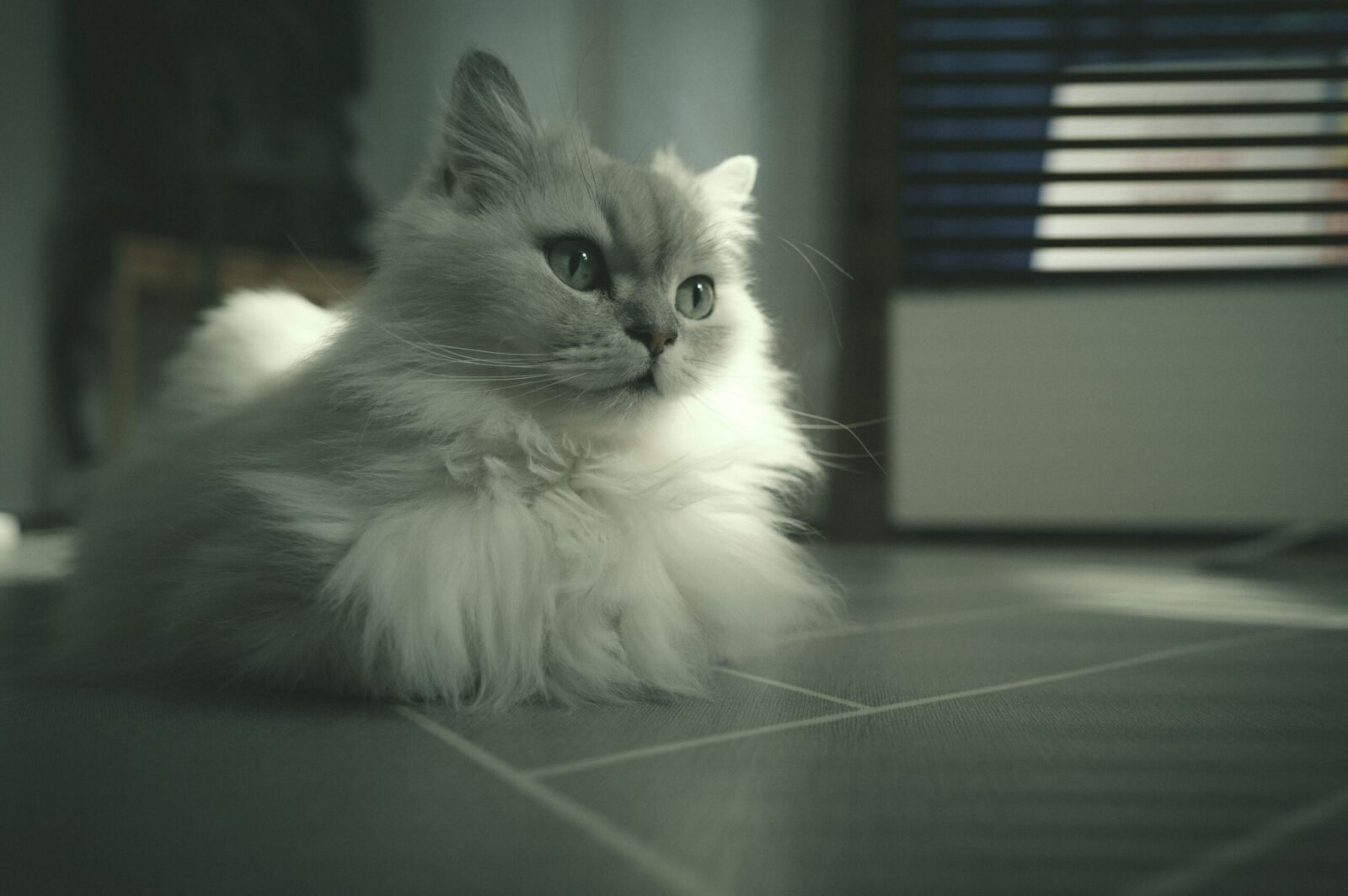
Setting Up Your Home for a Persian
Because Persians are indoor cats almost without exception (their long coats and physical characteristics make outdoor living genuinely dangerous for them, from overheating to attracting debris to increased predator risk), you’ll want to think carefully about their indoor environment.
Give them a few soft, comfortable resting spots around the house, ideally somewhere warm and away from drafts. A window perch is often appreciated since Persians enjoy watching the world go by without needing to be part of the action outside. Keep litter boxes very clean, Persians can be particular, and their long fur means they’re more prone to tracking litter or having it stick to their coat, so a low-sided, easy-access box with a fine, low-dust litter tends to work best.
Because of their flatter faces, some Persians have trouble eating and drinking from deep bowls, since their noses can bump the sides before their mouths reach the food or water. Wide, shallow bowls are a small change that makes a noticeable difference in daily comfort.
Temperature matters too. Persians, with all that fur, can overheat more easily than shorthaired cats, so keeping your home comfortably cool, especially in summer, helps prevent heat stress.
Grooming: The Non-Negotiable Part of Persian Cat Ownership
If there’s one thing that separates Persian ownership from most other breeds, it’s the grooming commitment. This is not optional, and it’s not something you can let slide for a few weeks without consequences. A Persian’s coat mats easily, and once fur mats, it can become painful, restrict movement, trap moisture and bacteria against the skin, and in severe cases require a vet visit for a full shave-down under sedation.
Daily Brushing
Most Persian owners brush their cats daily, or at the very least every other day. A steel comb with both wide and narrow teeth works well for getting through the undercoat without pulling on the skin. Start at the legs and belly, areas that mat the fastest, and work your way up. Many Persians actually come to enjoy this ritual once they’re used to it, since it feels like a massage as much as a grooming session.
Bathing
Unlike most cats, Persians often need regular baths, sometimes as often as every few weeks, depending on the individual cat and how oily their coat gets. Bathing helps remove excess oil, loose fur, and debris that brushing alone can’t fully address. Use a cat-specific shampoo (human shampoo can irritate their skin and strip natural oils), and make sure to rinse thoroughly, since leftover soap residue can cause skin irritation and dull the coat.
Eye and Face Care
Because of their flat faces, Persians are prone to tear duct issues that cause staining around the eyes, often a rust or brown discoloration in the fur beneath the eyes. Gently wiping the area daily with a damp, soft cloth or a vet-approved eye wipe helps prevent buildup and reduces the risk of skin irritation or infection in that area. Some owners keep the fur around the eyes trimmed short to reduce staining and irritation, though this should be done carefully or by a professional groomer to avoid injury.
Ear Cleaning
Checking and gently cleaning the ears every week or two with a vet-recommended ear cleaner helps prevent wax buildup and reduces the risk of ear infections.
Nail Trims
Like all cats, Persians need regular nail trims, roughly every two to three weeks, to prevent overgrown nails that can curl into the paw pad or make scratching posts less effective.
Professional Grooming
Many Persian owners opt for professional grooming every four to eight weeks, particularly for a “sanitary trim” (trimming the fur around the rear to prevent fecal matter from sticking) and a “lion cut” or shorter trim during hot months to reduce matting and overheating risk. This isn’t a sign of failure as an owner, it’s simply a practical choice many people make given how demanding the coat can be.
Feeding a Persian Cat: What They Actually Need
Nutrition is one of the areas where Persian owners sometimes get a little lost, mostly because there’s so much conflicting information out there about cat food in general. Let’s break it down simply.
The Basics of Feline Nutrition
Cats are obligate carnivores, meaning their bodies are built to run on animal protein. Unlike dogs, cats can’t thrive on a plant-based diet, they need specific nutrients like taurine, arachidonic acid, and vitamin A that are found almost exclusively in animal tissue. So whatever you feed your Persian, the foundation should be a high-quality diet where a named animal protein (chicken, turkey, fish, etc.) is the first ingredient, not a generic “meat by-product” or a grain listed first.
Wet Food vs. Dry Food
Both have their place, and many owners do a mix of the two. Wet food has a big advantage for Persians specifically: it has high moisture content, which supports urinary and kidney health, and its softer texture is easier on a flat-faced cat’s mouth and jaw structure, since Persians can sometimes struggle with the mechanics of chewing dry kibble due to their shortened jaw.
Dry food isn’t off the table, some Persians do fine with it, and it can help with dental tartar control if formulated for that purpose, but it shouldn’t be the only source of hydration in their diet. If you do feed dry food, make sure fresh water is always available and consider a pet water fountain, since moving water often encourages cats to drink more.
Kibble Shape Matters More Than You’d Think
Because of their facial structure, some Persians have a genuinely harder time picking up small, round kibble pieces. Several cat food brands actually make kibble specifically shaped and sized for flat-faced breeds, larger, more oval-shaped pieces that are easier for a Persian to grasp and chew. It sounds like a small detail, but it can make mealtime noticeably less frustrating for your cat.
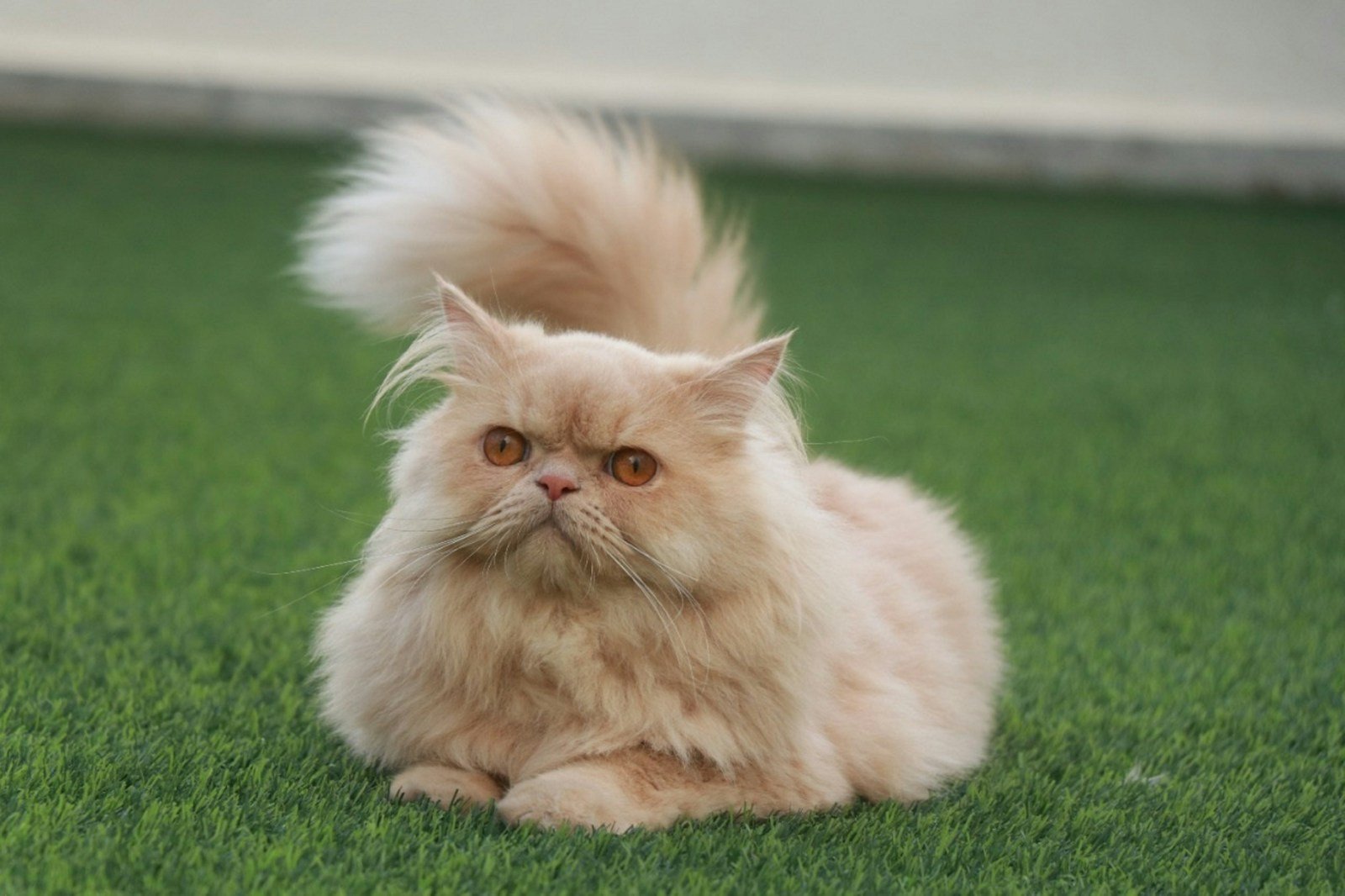
How Much to Feed
Feeding amounts depend on your cat’s age, weight, activity level, and the specific food’s calorie density, so it’s worth checking the feeding guidelines on your chosen food and adjusting based on your vet’s guidance and your cat’s body condition. Because Persians are a lower-energy breed and prone to weight gain if overfed, portion control matters. A cat carrying extra weight is at higher risk for joint stress, diabetes, and a shortened lifespan overall.
A rough general guideline for an average adult Persian (around 4 to 5 kg or roughly 9-11 lbs) eating a typical commercial wet food is somewhere in the range of one to two small cans a day, split into two or more meals, but this varies enough between individual cats and food brands that checking with your vet and reading the specific product’s guidelines is the smarter approach than relying on a single number.
Treats and Table Scraps
Treats are fine in moderation, ideally making up no more than about 10% of daily caloric intake. Avoid feeding table scraps from your own meals regularly, human food is often too high in salt, fat, or seasoning for a cat’s system, and some common foods (onion, garlic, chocolate, grapes) are outright toxic to cats.
Kittens, Adults, and Seniors
Persian kittens need kitten-formulated food that’s higher in calories and protein to support their growth, generally until around 12 months of age. Adult Persians do well on a maintenance formula, and once they reach senior age, typically around 7 to 10 years and up, a senior formula that’s easier to digest and often lower in calories (since older cats tend to be less active) can help support healthy aging. Senior cats may also benefit from joint-supporting nutrients like glucosamine, and kidney-supportive diets become especially relevant if your vet detects early signs of kidney changes, which brings us to the health section.
Persian Cat Health: What to Watch For
This is the part that deserves real attention, because Persians, largely as a result of decades of selective breeding for their distinctive look, are prone to a handful of specific health conditions more than the average mixed-breed cat. Knowing about these in advance means you can catch problems early, or in some cases, avoid them altogether by choosing a responsibly bred cat.
Brachycephalic Airway Issues
The flat face that gives Persians their signature look also shortens their airway passages, which can lead to breathing difficulties, especially in cats with the more extreme “peke-face” structure. Signs to watch for include noisy breathing, snoring, difficulty during exercise or in hot weather, and in severe cases, a bluish tint to the gums during exertion. Doll-face Persians tend to have fewer issues here than ultra-typed show Persians. If your cat shows signs of labored breathing, it’s worth a vet visit to assess the severity and discuss options, which in some serious cases can include surgical correction of the airway.
Polycystic Kidney Disease (PKD)
This is probably the single most well-known genetic health issue in the Persian breed. PKD is an inherited condition where fluid-filled cysts develop in the kidneys over time, gradually impairing kidney function. It’s estimated that a significant portion of the Persian population historically carried this gene before responsible breeders began screening for it via ultrasound or genetic testing.
Signs of PKD often don’t show up until middle age, sometimes even later, and can include increased thirst and urination, weight loss, poor appetite, and lethargy as kidney function declines. There’s no cure for PKD, but management through diet, medication, and monitoring can slow its progression and support quality of life. If you’re getting a Persian kitten from a breeder, ask specifically whether the parents have been tested and cleared for PKD. Reputable breeders should have no issue sharing this information.
Eye Conditions
Those big, beautiful Persian eyes are, unfortunately, also somewhat prone to problems. Because of the shape of the skull and the shallow eye sockets in more extreme facial types, Persians can be prone to:
- Excessive tearing (epiphora): due to shallow tear ducts and facial structure, leading to the staining mentioned earlier in the grooming section.
- Entropion: a condition where the eyelid rolls inward, causing the eyelashes to rub against the cornea, which can be painful and lead to corneal ulcers if untreated.
- Corneal ulcers and irritation: sometimes a result of entropion, sometimes from trauma, since Persian eyes are more exposed and prominent than those of cats with a more typical facial structure.
Keeping the eye area clean and watching for excessive redness, squinting, or discharge that seems unusual (thick, colored, or foul-smelling rather than the normal light tearing) is a good habit. Any of those signs warrant a vet visit.
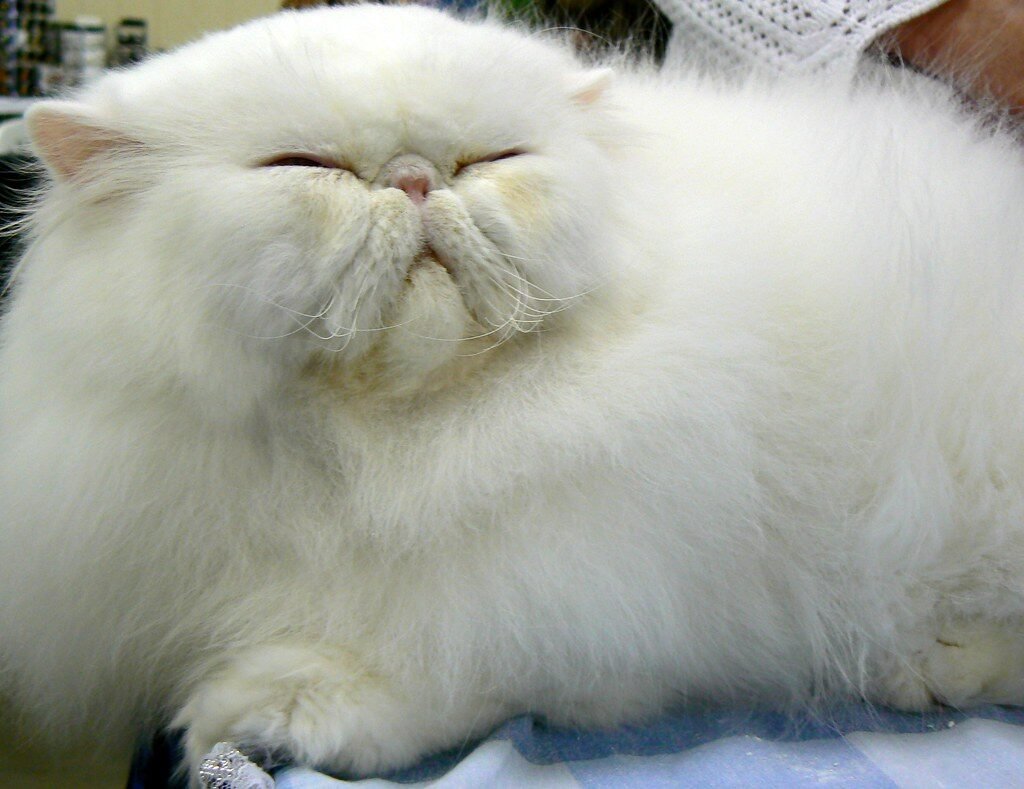
Dental Issues
The shortened jaw of a Persian means their teeth are often more crowded than in cats with a longer muzzle, which can lead to malocclusion (a bad bite) and a higher tendency toward plaque and tartar buildup, gum disease, and tooth decay over time. Regular dental checkups, and in some cases professional cleanings under anesthesia, help manage this. Some owners also brush their cat’s teeth with a cat-safe toothpaste a few times a week, which, while it takes patience to introduce, can meaningfully reduce dental issues over a lifetime.
Skin Conditions
The dense coat that requires all that grooming also creates a warm, somewhat enclosed environment on the skin, which can make Persians more prone to conditions like seborrhea (an oily or flaky skin condition) and skin infections if the coat isn’t kept clean and mat-free. Regular grooming isn’t just about looking nice, it’s genuinely a health necessity for this breed.
Heat Sensitivity
Their thick coat, combined with a shortened airway that makes panting-based cooling less effective, means Persians are more vulnerable to heat stress and heatstroke than many other breeds. In hot climates or during summer months, keeping them in a cool, air-conditioned environment and providing plenty of fresh water is important. Watch for signs of overheating like excessive panting, drooling, lethargy, or collapse, which require immediate veterinary attention.
Weight Management
Given their lower activity levels, Persians can gain weight fairly easily if overfed or under-exercised. Obesity in cats increases the risk of diabetes, joint problems, liver issues, and generally shortens lifespan. Encouraging gentle play, even short sessions with a wand toy or a rolling ball, helps keep a Persian at a healthy weight without requiring the kind of high-energy activity they’re not really built for.
Regular Veterinary Checkups
Given the breed-specific risks above, many vets recommend that Persian owners schedule checkups at least once or twice a year, with some vets suggesting more frequent visits, or specific screenings like kidney ultrasounds, as the cat ages. Annual bloodwork starting in middle age can catch early signs of kidney or other organ changes before symptoms become obvious, which matters a lot for a breed prone to PKD.
Persian Cat Lifespan
With good care, a healthy diet, and attentive management of the breed-specific health risks, Persian cats often live somewhere between 10 and 17 years, with many living well into their teens. Cats from health-tested lines, particularly those cleared of PKD, and those with a more moderate (doll-face) facial structure, often have an easier time of it health-wise and may lean toward the longer end of that range.
Choosing a Persian Kitten Responsibly
If you’re getting a Persian for the first time, where you get your kitten matters. A responsible breeder will:
- Test breeding cats for PKD (either through genetic testing or ultrasound)
- Be transparent about the health history of the kitten’s parents
- Avoid breeding for the most extreme flat-faced look, or at least be honest about the associated health tradeoffs
- Allow you to meet the kitten’s parents and see where the kittens are raised
- Provide documentation of vaccinations and initial vet checks
Alternatively, plenty of Persians and Persian mixes end up in shelters or breed-specific rescues, often adult cats who are already litter-trained and past the more chaotic kitten phase, which can be a wonderful option if you’re open to an older cat.
Final Thoughts
Persian cats ask for more from their owners than a lot of other breeds do, more grooming time, more attentiveness to specific health risks, more thoughtfulness about their environment. But in exchange, they offer a kind of steady, undemanding companionship that a lot of people find deeply rewarding. They’re not going to shred your curtains at 3 a.m. or yowl at the door. They’re going to find the coziest spot in the house, settle in, and simply be there, quiet, soft, and content, for years.
If you’re considering bringing a Persian into your home, go in with your eyes open about the grooming commitment and the health monitoring involved, and you’ll likely find that the relationship is more than worth the extra effort. And if you already share your home with one, a little extra attention to their coat, their diet, and their regular vet visits goes a long way toward giving them the long, comfortable life they’re so well suited for.