 By Admin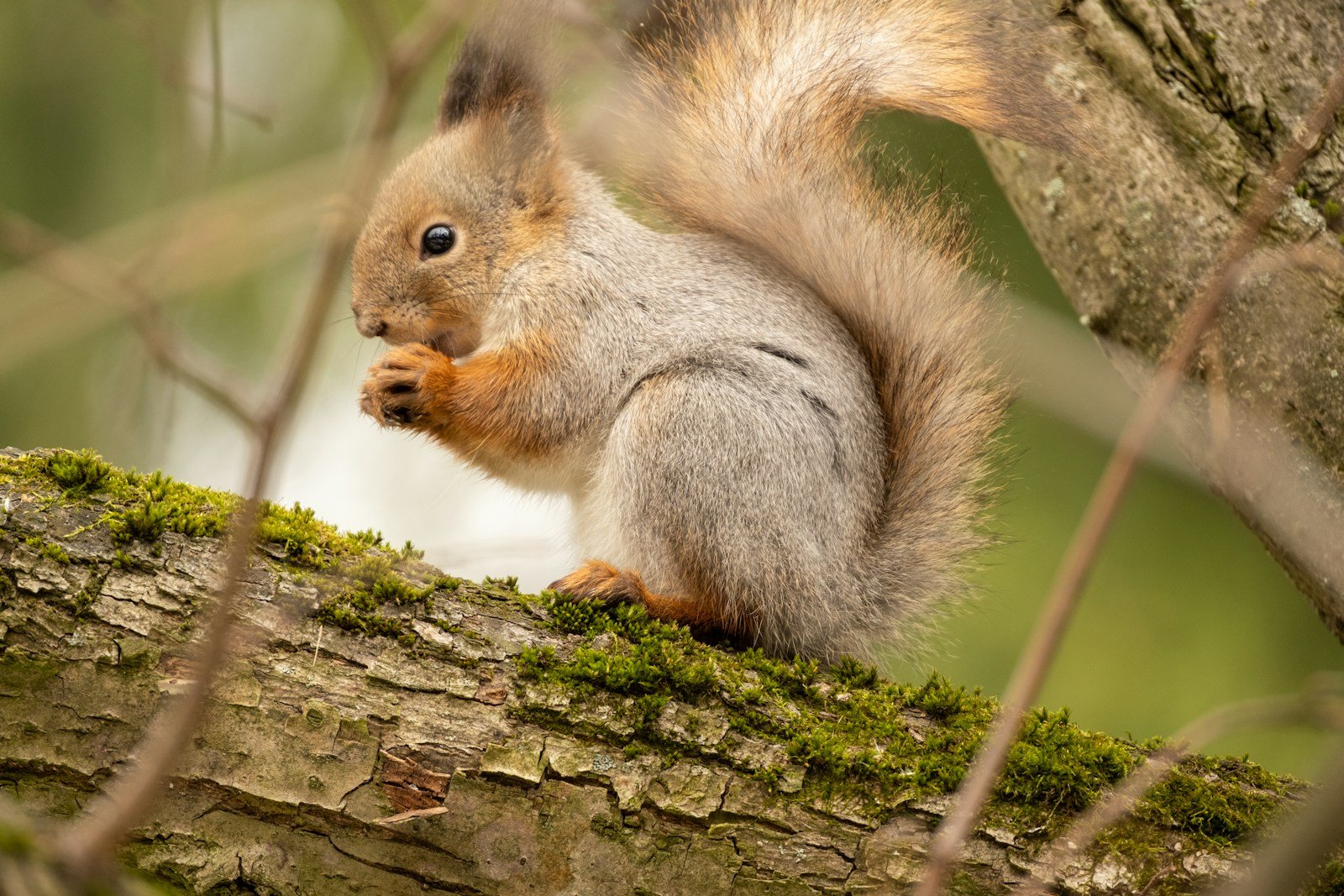
There’s a particular moment that seems to happen to almost everyone who ends up with a pet squirrel. It usually starts small — a baby squirrel falls out of a nest during a storm, or gets separated from its mother after a tree gets cut down, or a neighbor’s cat brings one home half-alive. Someone scoops it up, intending only to keep it warm for a night or two until “someone official” can take it. And then, somewhere between the first bottle feeding and the first time it falls asleep curled into the crook of an elbow, that someone becomes attached in a way they didn’t see coming.
That’s how most pet squirrel stories begin. Very few people wake up one morning and decide, out of nowhere, “I would like to own a squirrel.” It’s almost always circumstantial. And that origin story matters, because it shapes almost everything about what it actually means to live with one of these animals — the legal gray areas, the wild instincts that never fully switch off, the strange mix of affection and chaos that squirrel owners talk about with a kind of exhausted fondness.
This isn’t a puppy. It isn’t even really comparable to a hamster or a rabbit, despite superficially similar size. A squirrel is a wild animal that has been raised around humans, and that distinction never entirely disappears. If you’re considering bringing one into your life — or you already have, and you’re trying to figure out what you’ve gotten yourself into — here’s an honest look at what that actually involves.
Is It Even Legal?
Before anything else, this is the question that trips people up the most, and the answer is frustratingly inconsistent depending on where you live.
In the United States, squirrel ownership is regulated at the state level, and the rules vary wildly. Some states allow certain squirrel species with a permit. Others ban wild-caught squirrels but allow captive-bred ones. A handful of states, including places like California and Georgia, generally prohibit keeping native squirrels as pets at all, treating them the same as any other wildlife. Other states are far more relaxed, and squirrels show up in exotic pet stores or through breeders without much fanfare.
The confusion gets worse because enforcement is inconsistent. Someone might raise an orphaned squirrel for years without any issue, while a neighbor two towns over gets a visit from a wildlife officer for doing the exact same thing. In many places, the deciding factor isn’t really the law on paper but whether anyone reports it.
Outside the US, the picture shifts again. In the UK, for instance, it’s illegal to release a grey squirrel back into the wild once it’s been in captivity, which paradoxically means that once someone takes one in, they may be legally obligated to keep it rather than free it. Other countries have their own patchwork of wildlife protection laws that treat squirrels as protected native species, exotic invasive species, or something in between.
The practical takeaway: anyone thinking about this seriously needs to actually look up their specific state or country’s wildlife regulations, not just assume it’s fine because a pet store sells squirrel food or because someone found a forum thread from 2011 saying it was legal. Laws change, and “I saw someone else do it” has never held up well as a legal defense.
Not All Squirrels Are the Same Animal
When people picture a “pet squirrel,” they’re usually picturing one of a few specific species, and the differences between them matter more than most first-time owners expect.
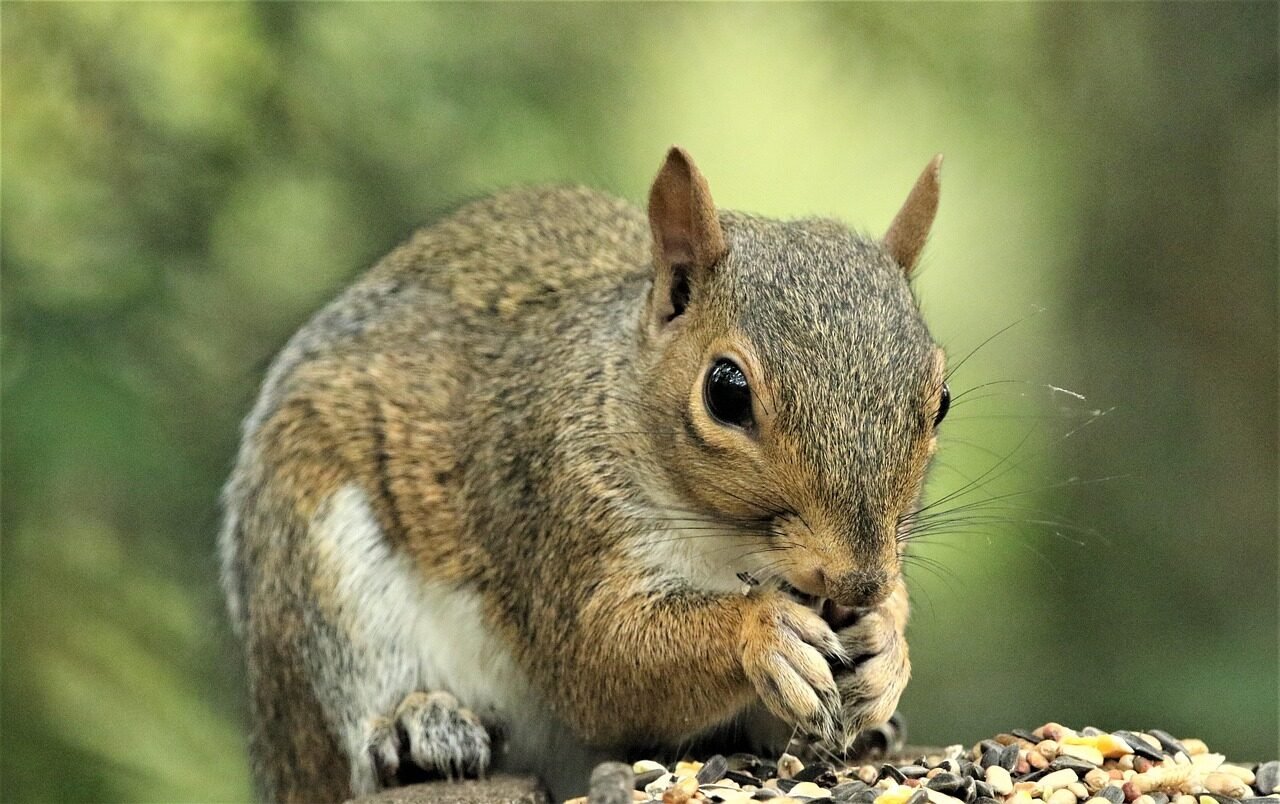
Eastern grey squirrels are the most commonly kept in North America, largely because they’re the most commonly found — orphaned greys are what most rescuers stumble across. They’re intelligent, food-motivated, and famously destructive when bored, which is often. Fox squirrels are similar but larger and, according to people who’ve kept both, somewhat calmer in temperament. Flying squirrels — southern flying squirrels in particular — have become popular in the exotic pet trade specifically because they’re smaller, more nocturnal, and in many owners’ experience, more consistently affectionate and bondable than tree squirrels. They’re also legal to own in more states than grey or fox squirrels, since they’re less commonly viewed as a native nuisance species.
This matters because a lot of the general advice floating around online doesn’t distinguish between these species, and their needs genuinely differ. A flying squirrel is going to want to be active at night and sleep tucked into a pocket or a shirt during the day. A grey squirrel is going to want to be awake with the sun, gnawing on something, and probably burying food in your couch cushions.
The Baby Phase Is a Full-Time Job
If a squirrel comes into someone’s life as an orphaned infant — eyes still closed, no fur, small enough to fit in a teacup — the first several weeks are genuinely intense. Baby squirrels need to be bottle-fed on a strict schedule, sometimes every two to three hours around the clock, using a specialized formula because cow’s milk and standard puppy formula can cause fatal complications in their digestive systems. Getting this wrong is one of the most common reasons orphaned squirrels don’t survive their first month, and it’s a big part of why wildlife rehabilitators exist in the first place.
Beyond feeding, infant squirrels need to be kept warm — they can’t regulate their own body temperature yet — and they need to be stimulated to urinate and defecate, something their mother would normally handle, because their bodies don’t do this automatically at that age. It’s not glamorous work. Anyone who has hand-raised an infant squirrel will describe those early weeks less like pet ownership and more like caring for a fragile, demanding newborn that happens to be the size of a thumb.
This phase is also where the deepest bonding tends to happen. A squirrel raised from infancy by a human often imprints in a way that shapes its entire personality — it may genuinely see that person as its parent figure, which is part of why so many people who go through this process end up unable to imagine letting the animal go, even when release back into the wild is the “correct” outcome by wildlife standards.
What Daily Life With a Squirrel Actually Looks Like
Once past infancy, a squirrel’s daily needs settle into a rhythm, but it’s not a quiet one.
Diet is a bigger deal than people expect. A squirrel can’t just eat a bag of mixed nuts and be fine — that’s actually one of the more common mistakes new owners make, and it can lead to serious health problems over time, including metabolic bone disease from calcium deficiency, since most nuts are high in phosphorus and low in calcium. A proper squirrel diet leans heavily on a base of specially formulated rodent blocks or squirrel-specific pellets, supplemented with fresh vegetables, limited fruit, and nuts and seeds as occasional treats rather than the main course. Getting the calcium-to-phosphorus ratio right is something serious squirrel owners talk about the way dog owners talk about grain-free kibble — it’s a recurring, slightly obsessive topic in owner communities.
Housing is another area where expectations often collide with reality. A squirrel needs significant vertical space, branches or shelving to climb and leap between, a secure nest box, and enough enrichment to keep it from destroying everything else in the house out of boredom. Many owners end up building elaborate multi-level cages or converting entire rooms into squirrel-proof spaces, because a squirrel that’s under-stimulated will chew through drywall, cables, furniture, and pretty much anything else it can get its teeth into. This isn’t misbehavior in the way it might be with a dog — it’s simply what a squirrel does. Gnawing is instinctive and necessary for keeping their constantly growing teeth at a manageable length.
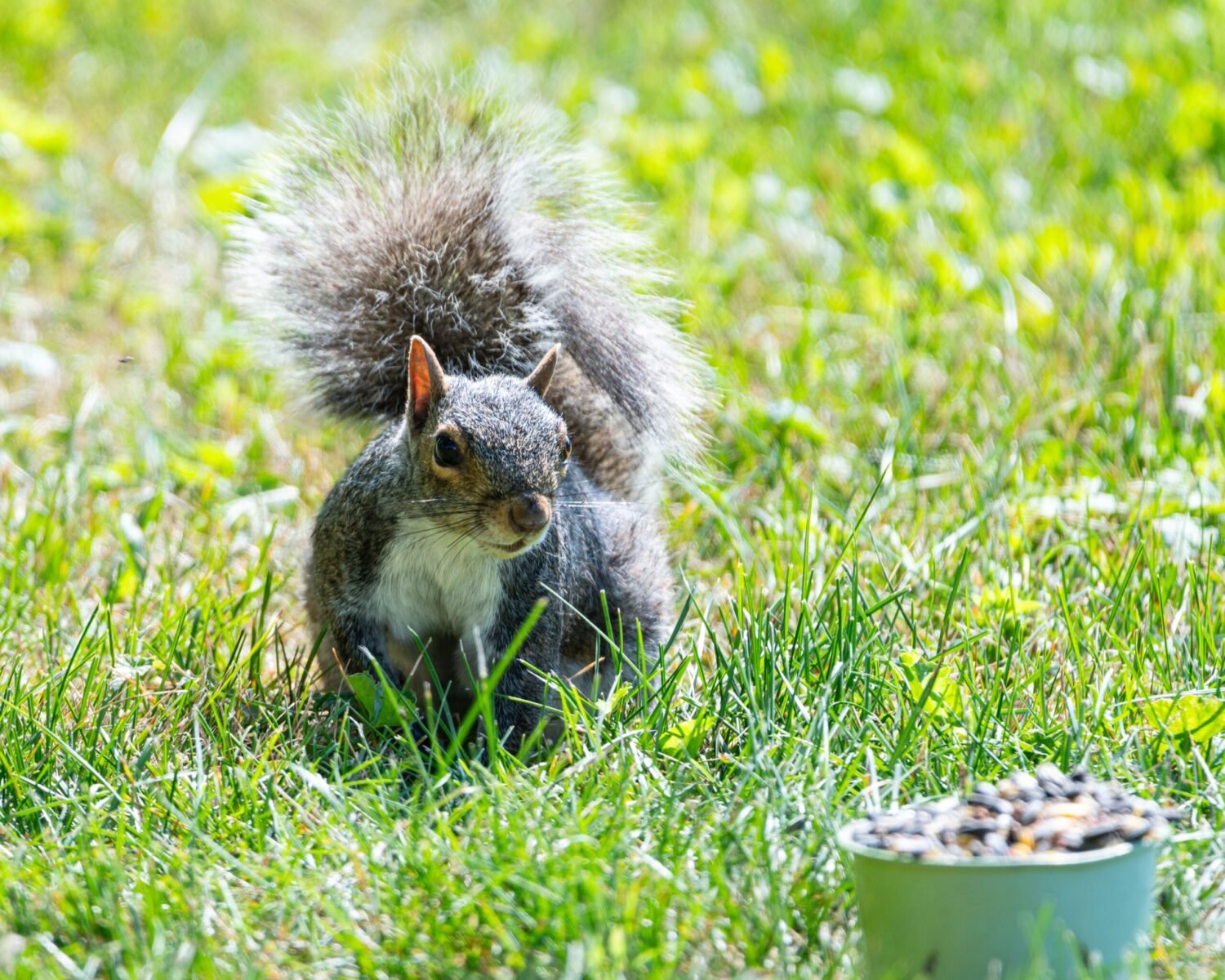
Then there’s the matter of free-roaming versus caging. Plenty of pet squirrels are allowed to free-roam a house, at least part of the day, and this is often when the strongest bonding moments happen — squirrels running up an owner’s arm to bury a nut in their collar, tucking into a hoodie pocket for a nap, following someone from room to room. But free-roaming squirrels also mean squirrel-proofing an entire living space the way someone might baby-proof a home for a very determined toddler with claws.
The Instinct That Never Goes Away
Here’s the part that catches a lot of people off guard, sometimes years into having a pet squirrel: no matter how tame, how bonded, how hand-raised an individual squirrel is, the wild instincts don’t disappear. They just get channeled differently.
Caching behavior is the classic example. Squirrels are hardwired to hoard food, and a pet squirrel will absolutely bury nuts, seeds, and sometimes non-food items in couch cushions, plant pots, shoes, and drawers, regardless of how well-fed it is. It’s not a sign of neglect or hunger; it’s simply what the species does, and no amount of taming changes that particular wiring.
Seasonal aggression is a bigger issue, and it’s one that catches a lot of first-time owners genuinely off guard. Male squirrels in particular can become noticeably more aggressive during breeding seasons, sometimes biting or attacking even owners they’ve bonded with for years. Female squirrels can show similar shifts around their own reproductive cycles. This isn’t a personality flaw or a training failure — it’s hormonal, seasonal, and largely unavoidable, and it’s one of the main reasons responsible owners often discuss neutering with an exotic-animal veterinarian, both to reduce aggression and to prevent unwanted litters if more than one squirrel is kept together.
And then there’s the bite itself. Squirrel teeth are built for cracking nut shells, and even a “gentle” bite from an otherwise sweet, affectionate squirrel can break skin easily. Long-term owners tend to develop a kind of philosophical acceptance about this — nips and small bites are simply part of the deal, the same way a cat owner accepts the occasional scratch.
The Emotional Side Owners Rarely Talk About Up Front
Something that comes up again and again in squirrel owner communities, almost as a quiet undercurrent beneath all the practical advice, is how emotionally complicated the relationship can become.
Squirrels are genuinely intelligent and can form real, specific bonds with their human caregivers — recognizing voices, showing clear preferences for certain people, seeking out physical closeness, even displaying what looks a lot like distress when separated from a bonded owner. That closeness is part of what makes the whole experience so compelling for the people who go through it.
But squirrels also have relatively short lifespans compared to the emotional investment involved — often somewhere in the range of five to ten years for a captive squirrel, sometimes longer with excellent care, but still a fraction of a typical dog’s lifespan relative to the intensity of the bond. And because so many pet squirrels start out as rescued orphans, there’s frequently an added layer of grief or guardianship anxiety baked into the relationship from the very beginning — a sense that this animal is alive today specifically because of one person’s intervention, which raises the emotional stakes of everything that follows.
There’s also a quieter tension that a lot of long-term owners describe: the awareness that this is, underneath the domestication, still a wild animal — one that in a different set of circumstances would be living an entirely different kind of life outdoors, in trees, with other squirrels, doing squirrel things that a house, however enriched, simply can’t replicate. Some owners make peace with this. Others describe it as something that sits with them permanently, a low-grade bittersweetness threaded through an otherwise joyful relationship.
Finding the Right Veterinary Care
This is a practical point that’s easy to overlook until it becomes urgent: not every veterinarian treats squirrels, and finding one who does — and does it well — often takes real effort. Squirrels fall into the “exotic” or “wildlife” category at most veterinary practices, and general small-animal vets may not have the specific knowledge needed for their unique physiology, from bone density issues to their particular sensitivity to certain anesthesia protocols.
Experienced squirrel owners tend to build a relationship with an exotic-animal vet well before an emergency happens, precisely because scrambling to find one during a crisis is its own kind of nightmare. This is also worth factoring into the decision to take on a pet squirrel in the first place: veterinary access isn’t guaranteed everywhere, and rural areas in particular can leave owners with very few options if something goes wrong.
Should Someone Actually Get a Pet Squirrel?
For most people, the honest answer is no — not because squirrels aren’t wonderful, fascinating, genuinely lovable animals, but because the mismatch between what people imagine and what the reality demands is often significant. This is an animal that requires specialized diet knowledge, serious enclosure investment, tolerance for property damage, acceptance of unpredictable seasonal behavior shifts, and access to veterinary care that isn’t available everywhere.
For the people who end up with one anyway — usually through the circumstantial route of an orphaned baby needing help — it tends to become less of a choice and more of a responsibility that was simply handed to them. And for that group, the relationship that follows is often described in strikingly personal terms: not as pet ownership in the conventional sense, but as something closer to guardianship of a small, wild, endlessly curious creature that never quite stops being what it was born to be, even while it’s asleep in someone’s shirt pocket.
If there’s one piece of advice that comes up more than any other in squirrel owner circles, it’s this: talk to a local wildlife rehabilitator before doing anything else. They can offer real guidance on legality, care, and — in cases where release is genuinely possible — help make sure the animal that started this whole journey gets the best possible outcome, whether that’s staying in a human home for good or eventually finding its way back to the trees where it belongs.