 By Admin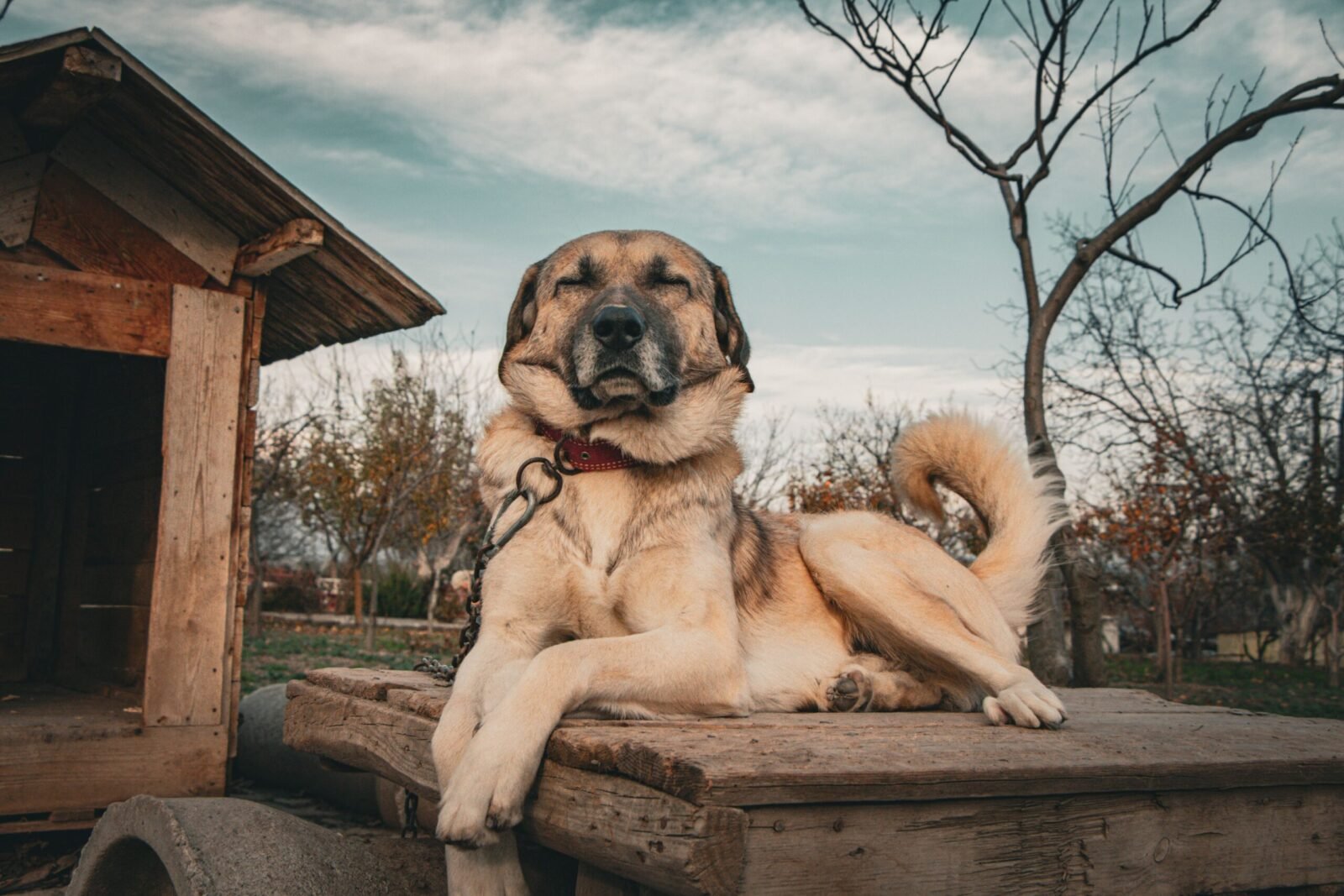
If you’ve stumbled across the name “Albanian Shepherd” while researching guardian dog breeds, you’re looking into one of Europe’s least-known but most fascinating working dogs. This isn’t a polished show-ring breed with a long AKC pedigree. It’s a mountain dog that’s been shaped by centuries of hard, practical work in the rugged terrain of the Balkans, guarding sheep and goats from wolves and bears long before anyone thought to write a breed standard for it.
Also referred to in various sources as the Illyrian Shepherd, the Qen Stani, or grouped alongside the closely related Šarplaninac (Sharplanina), the Albanian Shepherd is a livestock guardian dog through and through. It’s not a breed you buy on a whim after seeing a cute photo online. It’s a serious commitment, and honestly, it’s not the right fit for most households. But for the right owner — someone with land, patience, and respect for a dog that thinks for itself — it can be an extraordinary companion.
Let’s get into what this breed actually is, what it needs, and whether it belongs in your life.
Where the Albanian Shepherd Comes From
The Albanian Shepherd’s roots trace back to the mountainous regions of Albania and the wider Balkan peninsula, an area that also produced the Šarplaninac in North Macedonia and Serbia, the Karaman in North Macedonia, and various other Molosser-type guardian breeds. Some breed historians believe these dogs descend from ancient Epirian and Illyrian herding dogs, animals that worked alongside shepherds in this region for thousands of years, well before national borders existed in anything like their current form.
Because the Balkans were historically home to shifting borders, overlapping ethnic groups, and largely rural, isolated shepherd communities, these livestock guardian dogs developed regionally rather than through any centralized breeding program. A village in one valley might have dogs that look slightly different from a village two mountains over, even though they’re doing the exact same job and come from the same general stock. This is why you’ll see the Albanian Shepherd’s identity overlap so much with the Šarplaninac and other Balkan mountain dogs — the lines between these populations were never rigid, and breeders in the region focused on working ability rather than uniform appearance.
The dog’s job was never glamorous. It lived outdoors with the flock, bonded closely to the sheep or goats it protected, and was expected to fend off wolves, bears, and the occasional human predator without any help from its shepherd, who might be a considerable distance away. That history is baked into the breed’s temperament today, even in dogs several generations removed from actual flock work.
It’s worth noting this breed isn’t recognized by major kennel clubs like the AKC, and even FCI recognition tends to fall under the closely related Šarplaninac / Illyrian Shepherd Dog standard rather than a separately codified “Albanian Shepherd.” If you’re looking to acquire one, you’re much more likely to find a dog through regional breeders, rescue organizations working with Balkan livestock guardian breeds, or import connections than through a conventional breeder directory. That alone should tell you something about how niche and specialized this breed is.
What an Albanian Shepherd Looks Like
Picture a large, powerfully built mountain dog with a thick double coat, a broad head, and an expression that reads as calm but alert rather than eager to please. Most dogs in this family stand somewhere in the range of 22 to 26 inches at the shoulder, with males typically larger than females, and weigh anywhere from 65 to over 100 pounds depending on the individual line.
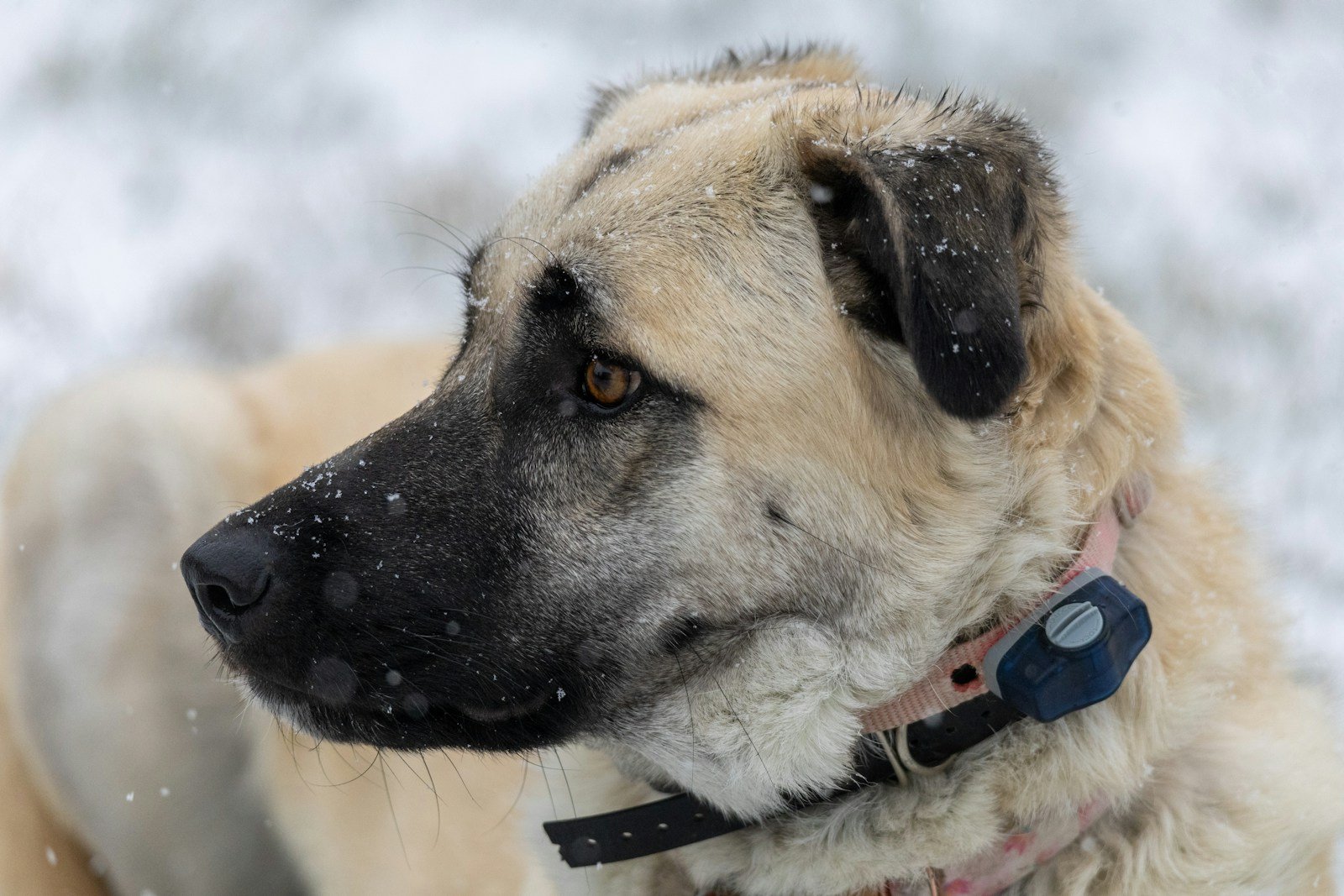
The coat is dense, weather-resistant, and built for mountain winters — a coarse outer layer over a thick, insulating undercoat. Coloring varies more than you might expect. While iron grey and dark grey tend to be the most commonly described and preferred shades in related standards, you’ll also see fawn, black, brindle, and combinations with white markings on the chest, legs, or muzzle, particularly in older regional lines that weren’t bred to a strict color standard. The tail is usually bushy and carried low, sweeping upward when the dog is alert.
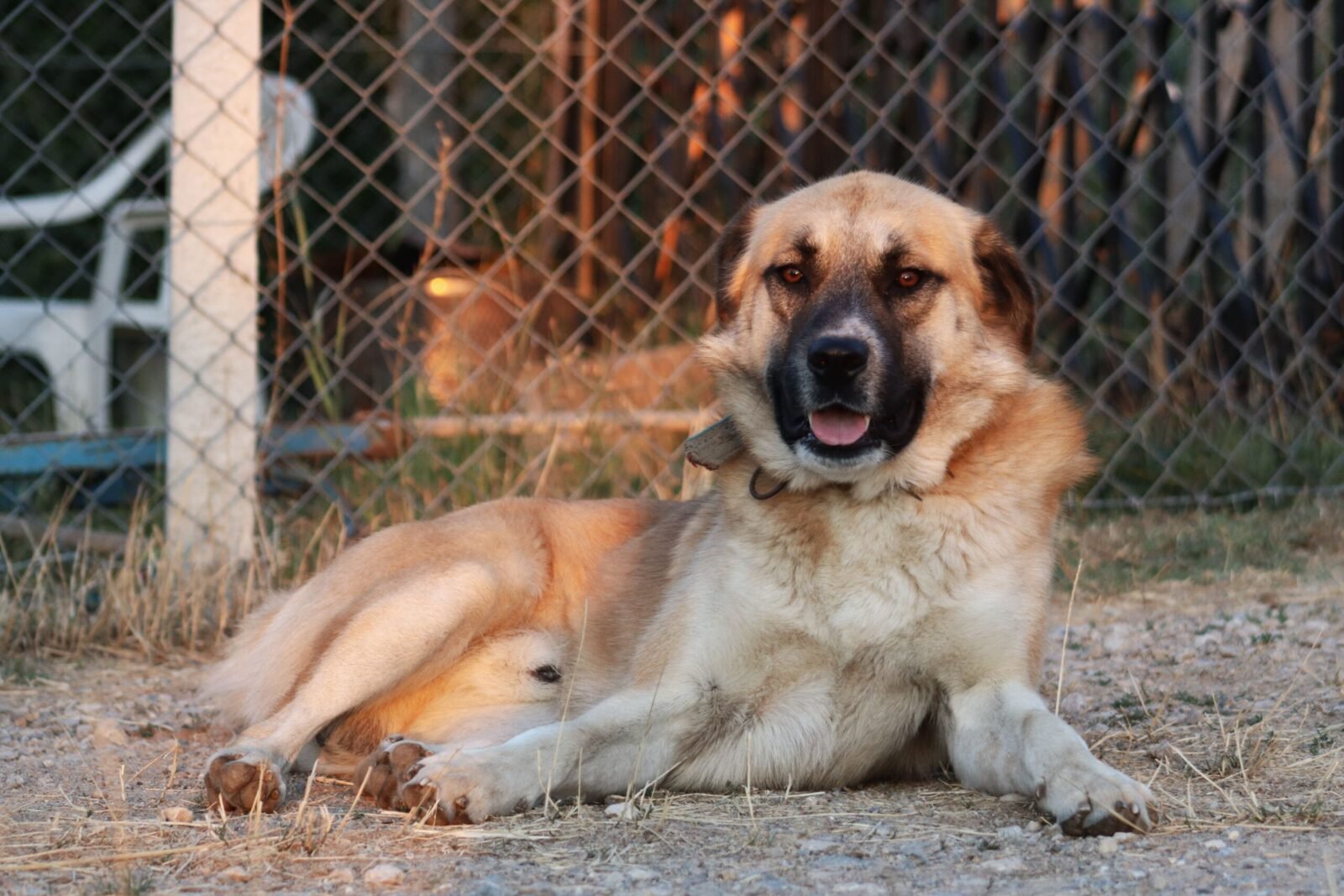
Structurally, everything about this dog is built for endurance and power rather than speed or elegance. Strong bone, a deep chest, and a solid, muscular frame let it cover mountainous ground for hours and hold its own physically against predators many times the size of a typical household pet.
Temperament: Independent, Watchful, and Not Interested in Impressing You
This is probably the most important section for anyone actually considering this breed, so let’s be direct about it: the Albanian Shepherd was never bred to be biddable. Livestock guardian breeds as a category are selected for independent decision-making — a dog out on a mountainside at 3 a.m. can’t radio its shepherd to ask whether that shape in the trees is a threat. It has to decide on its own, and it has to be confident enough to act on that decision. That instinct doesn’t switch off just because the dog is now living in a backyard instead of a pasture.
In practice, this means an Albanian Shepherd tends to be reserved, even aloof, with strangers. It’s not typically an aggressive breed by nature, but it is a deeply territorial and protective one, and it will absolutely let you know when something unfamiliar has entered its space. With its own family, most owners describe a dog that’s calm, affectionate in a low-key way, and deeply loyal, though rarely the bouncy, attention-seeking type you’d get from a retriever or a spaniel.
Training this breed requires a different mindset than training a typical companion dog. These dogs are intelligent — genuinely so — but that intelligence is oriented toward independent problem-solving rather than eagerness to follow commands. Harsh correction-based training tends to backfire, producing a dog that shuts down or becomes defensive rather than compliant. What tends to work better is patient, consistent, relationship-based training that respects the dog’s need to think for itself, paired with very early and extensive socialization. If you’re not experienced with strong-willed working breeds, this is not a forgiving first dog.
They also tend to be natural barkers, particularly at night, which is a direct carryover from their guardian role. A dog bred to alert a distant shepherd to danger doesn’t have a concept of “the neighbors are asleep.” If you live close to other people, this is something to seriously weigh before bringing one home.
Living Situation and Housing Needs
This is where a lot of potential owners run into a hard truth: the Albanian Shepherd is not an apartment dog, and it’s realistically not even a suburban dog for most people. These dogs were built to patrol large territories, and that instinct doesn’t disappear indoors. A small yard isn’t enough space for a dog of this temperament and size to feel like it’s actually doing its job, and a bored, under-exercised livestock guardian breed can become a genuinely difficult animal to manage.
Ideally, this breed does best with acreage — a rural or semi-rural property with secure fencing, room to patrol, and ideally some kind of purpose, whether that’s actual livestock, poultry, or simply a large territory to watch over. Fencing needs to be both tall and secure at ground level, since these are powerful, athletic dogs capable of jumping or digging their way out if they’re motivated to reach something on the other side.
Climate-wise, the breed’s heavy double coat means it handles cold weather extremely well but can struggle in hot, humid climates without shade, airflow, and access to water. Regular brushing, especially during seasonal shedding periods, will help manage the coat and keep the dog comfortable.
Multi-dog households can work well, particularly with other calm, confident dogs, but introductions should be handled thoughtfully given the breed’s territorial instincts. Households with small pets like cats, rabbits, or poultry can actually go two very different directions — some Albanian Shepherds raised alongside small animals from puppyhood become excellent, gentle guardians of them, while others retain a stronger prey drive. This really comes down to individual temperament, early exposure, and careful, gradual introductions rather than a blanket guarantee either way.
Feeding an Albanian Shepherd
Given their size and activity level, these dogs have substantial nutritional needs, particularly during the growth phase. As a general guideline, adult dogs of this size typically do well on high-quality food formulated for large or giant breeds, split into two meals a day rather than one large feeding, which can help reduce the risk of bloat — a serious concern in large, deep-chested breeds.
Puppies should be fed a large-breed puppy formula specifically designed to control growth rate. This matters more than people realize: growing this breed too quickly on calorie-dense food can contribute to skeletal problems down the line, including issues with the joints and growth plates. A vet or breeder familiar with large working breeds can help you set an appropriate feeding schedule and portion size based on your individual dog’s growth curve.
Because these dogs historically worked and lived outdoors year-round, some owners with genuinely active, working dogs — those still doing actual guardian work on a property — will feed a higher-calorie diet than a companion dog living a more sedentary life. Matching food intake to actual activity level, rather than following a generic breed chart, is the more reliable approach. Fresh water should always be available, and as with any large breed, it’s worth discussing bloat prevention strategies with your vet, including slow-feed bowls and avoiding vigorous exercise immediately after meals.
Health Considerations
Livestock guardian breeds from the Balkans have generally developed with less intensive selective breeding for appearance than many Western breeds, which can be an advantage in terms of genetic diversity. That said, large and giant breed dogs as a category share some common health vulnerabilities worth knowing about before you commit to one.
Hip and elbow dysplasia are concerns in any large, heavy-boned breed, and if you’re acquiring a puppy, asking about the hip and elbow health of the parents is a reasonable and important question. Bloat, or gastric dilatation-volvulus, is a real risk in deep-chested large breeds and can be life-threatening if not caught quickly — knowing the early warning signs (unproductive retching, a visibly distended abdomen, restlessness) is essential knowledge for any owner of a breed built like this one.
Because the Albanian Shepherd is such a rare and regionally-bred dog, there isn’t the kind of large-scale health data or breed-specific genetic testing infrastructure that exists for more mainstream breeds. This cuts both ways — it means you may not have detailed genetic screening available, but it also means the gene pool hasn’t been narrowed by generations of pedigree breeding for a narrow appearance standard. Regardless, working with a breeder who can speak knowledgeably about the health history of their lines, and committing to regular veterinary care, is essential.
Expect a lifespan somewhere in the 10 to 12 year range, typical for a dog of this size, assuming good nutrition, exercise, and preventive veterinary care throughout its life.
Exercise Needs
Don’t let the calm, watchful demeanor fool you into thinking this is a low-energy breed. Albanian Shepherds need substantial daily physical activity, though it looks different from the exercise needs of a high-drive sporting breed. Rather than needing to run flat-out, these dogs benefit most from long walks, time to patrol and explore a secured area, and mental engagement through their natural watching and guarding behaviors.
A bored Albanian Shepherd without adequate space or purpose can become destructive, excessively vocal, or increasingly difficult to manage. This isn’t a breed you can satisfy with a quick walk around the block and call it done. If your lifestyle doesn’t allow for a dog that needs real space and a real sense of purpose, this breed will struggle, and so will you.
An Honest Assessment: Should You Get One?
Here’s the straightforward truth. The Albanian Shepherd is an incredible, capable, deeply loyal dog for the right situation — and a genuinely poor fit for the vast majority of pet owners. This isn’t a breed to bring home because you like the look of a big, fluffy guardian dog or because you saw one online and fell for its calm, noble expression.
This breed makes sense if you have real acreage, ideally with livestock or poultry to guard, experience handling large and independent-minded working breeds, and the patience to invest in early socialization and thoughtful, relationship-based training. It also makes sense for people specifically drawn to preserving and working with rare regional breeds who understand they’re not getting a dog bred for suburban companionship.
It doesn’t make sense for apartment dwellers, first-time dog owners, people wanting an easily trainable companion, or households where a highly territorial, vocal, independent-thinking dog would create ongoing conflict with neighbors or living arrangements.
If you’re drawn to the Albanian Shepherd because you genuinely need and want a working livestock guardian, and you have the space and experience to give it the life it was bred for, it can be an extraordinary, loyal partner. But going in with clear eyes about what this breed actually is — rather than what you’d like it to be — will serve both you and the dog far better in the long run.