 By Admin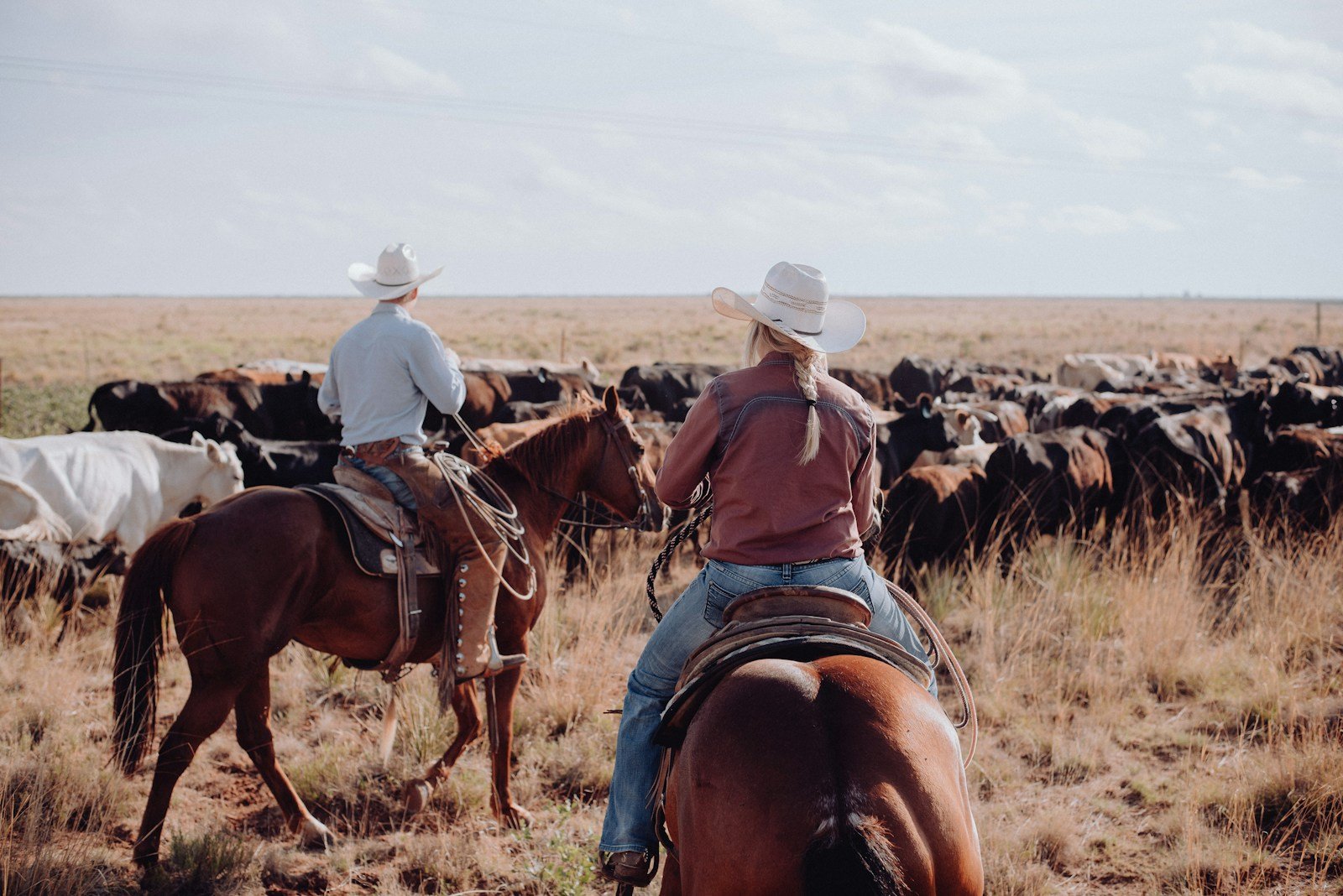
Meta Description: Thinking about turning part of your property into a small ranch? Here’s a practical guide to the most popular ranch animals and pets, their care needs, and how to choose the right fit.
There’s a particular kind of daydream that hits anyone with a bit of land: a few chickens scratching around the yard, maybe a goat or two, perhaps something bigger down the line — a horse, a cow, even something more unusual. The line between “ranch animal” and “pet” has blurred a lot over the last decade, as more people move to rural and semi-rural properties and start treating traditional livestock less like production units and more like members of the household.
This guide is for anyone standing at the start of that journey — whether you’ve got five acres and a vague plan, or you already have a few animals and are wondering what to add next. We’ll walk through the most common ranch animals people keep as pets, what each one actually requires day to day, how to think about compatibility between species, and the practical realities that don’t always make it into the glossy homesteading photos online.
What Counts as a “Ranch Animal” Pet?
The category is broader than people often assume. It includes the obvious choices — chickens, goats, sheep, horses, cattle — but also increasingly popular options like miniature donkeys, pigs, alpacas, and even ranch-adjacent working animals like livestock guardian dogs. What ties them together isn’t species so much as lifestyle: these are animals that need outdoor space, some degree of herd or flock structure, and care routines built around seasons, pasture, and weather rather than a leash and a litter box.
The appeal is easy to understand. These animals offer companionship, a sense of purpose and routine, sometimes tangible products (eggs, wool, milk), and for a lot of owners, a genuine connection to a slower, more land-based way of living. But each species comes with its own learning curve, and the animals that look the most similar on the surface — say, goats and sheep — often have wildly different care needs underneath.
Chickens: The Easiest Entry Point
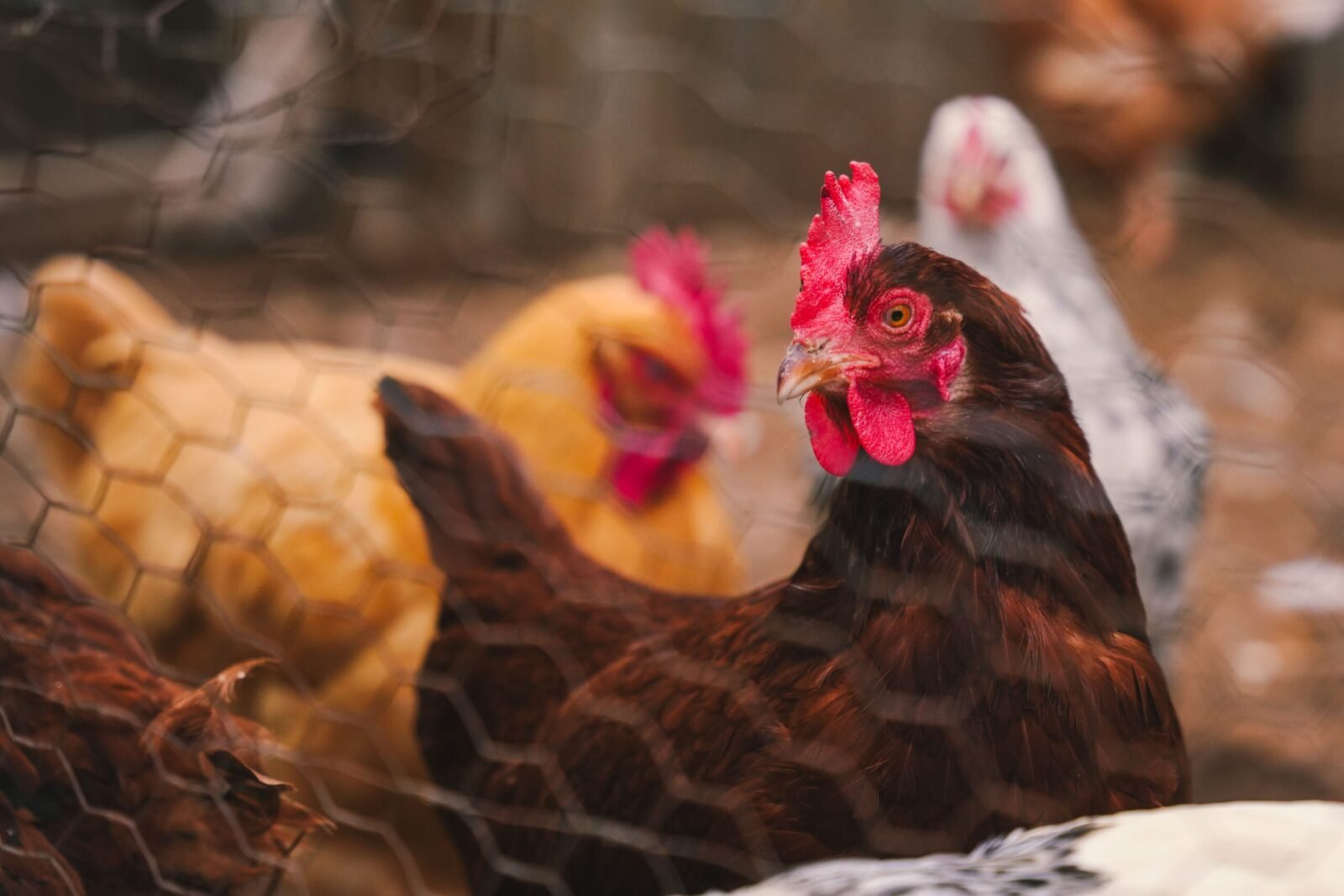
For most people, chickens are the gateway ranch animal, and for good reason. They require relatively little space, modest daily care, and — unlike a lot of the animals on this list — genuinely productive output in the form of eggs.
Space needs: A coop offering roughly 3-4 square feet per bird indoors, plus outdoor run space, is a reasonable minimum for a small backyard flock.
Daily care: Feed, fresh water, egg collection, and periodic coop cleaning. Chickens are largely self-sufficient during the day if given access to a secure run or free-range space.
Temperament: Highly variable by breed, but many chickens become genuinely tame with regular handling, recognizing their owners and even enjoying being held.
The catch: Predators. Hawks, raccoons, foxes, and neighborhood dogs are a constant threat, and secure fencing and a predator-proof coop are non-negotiable rather than optional upgrades.
Chickens are a low financial commitment relative to other ranch animals, and they’re a good way to get a feel for daily livestock routines before scaling up to something bigger.
Goats: Charming, Clever, and Notorious Escape Artists
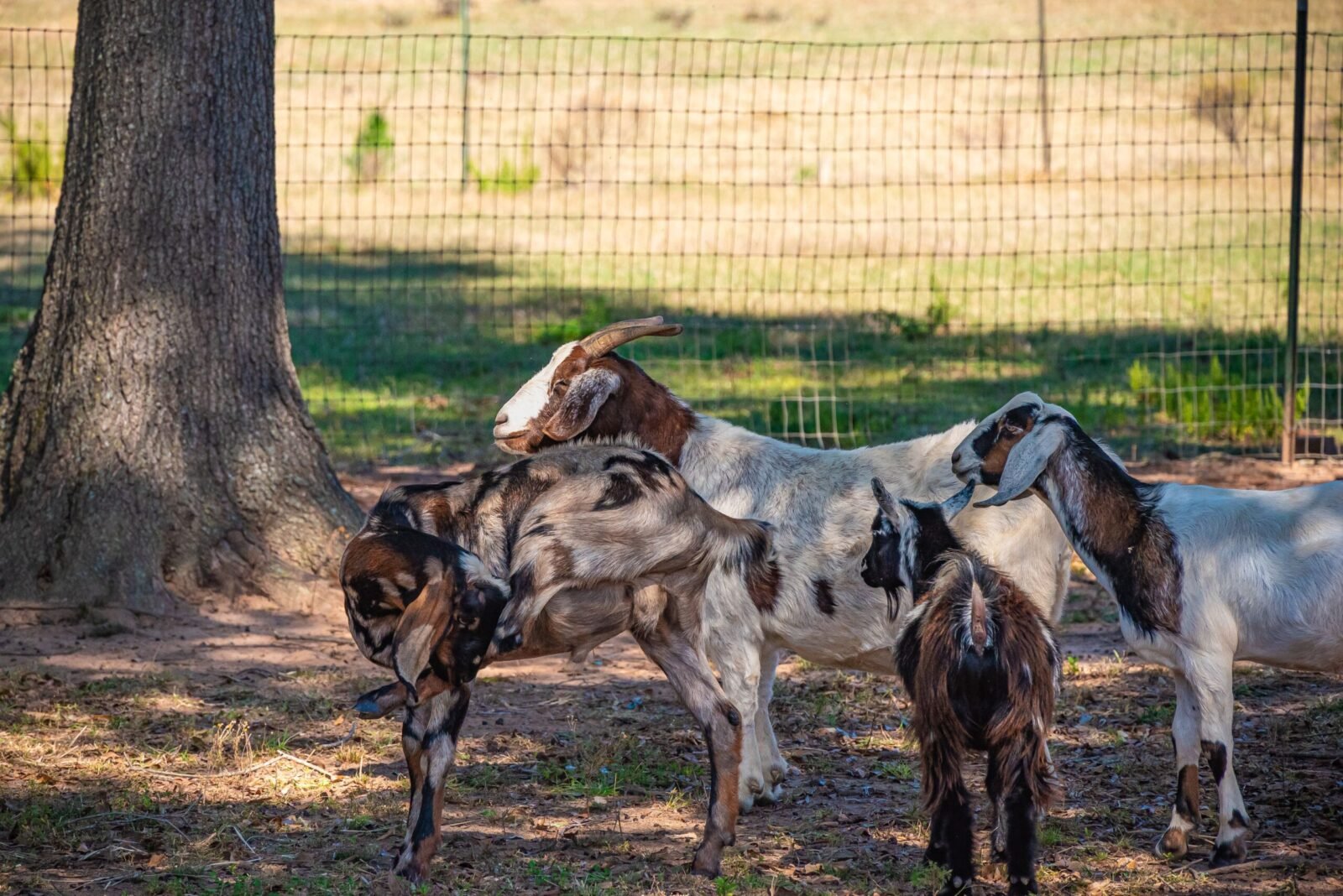
Goats have become hugely popular as ranch pets, partly thanks to social media, and partly because they’re genuinely fun, intelligent animals with a lot of personality.
Space needs: Roughly 200-250 square feet per goat outdoors at minimum, though more is always better. Goats also appreciate structures to climb — a goat that’s bored is a goat that will find creative, often destructive ways to entertain itself.
Fencing: This is the single biggest challenge of goat ownership. Goats are remarkably skilled at finding weaknesses in fencing, and standard livestock fencing often isn’t enough. Sturdy woven wire fencing at least 4 feet tall, with no gaps or footholds, is typically the minimum.
Diet: Goats are browsers rather than grazers, meaning they prefer shrubs, weeds, and brush over open grass — which makes them excellent for clearing overgrown land, but also means a pasture of pure grass isn’t ideal nutrition on its own.
Temperament: Highly social, curious, and often described as dog-like in their attachment to owners. Goats should never be kept alone — they’re herd animals through and through.
The catch: Goats are notorious for testing boundaries, both physically (escaping enclosures) and behaviorally (headbutting, chewing, general mischief). They’re a wonderful pet for someone prepared to manage that energy, and a frustrating one for someone who isn’t.
Sheep: Calmer Cousins to Goats
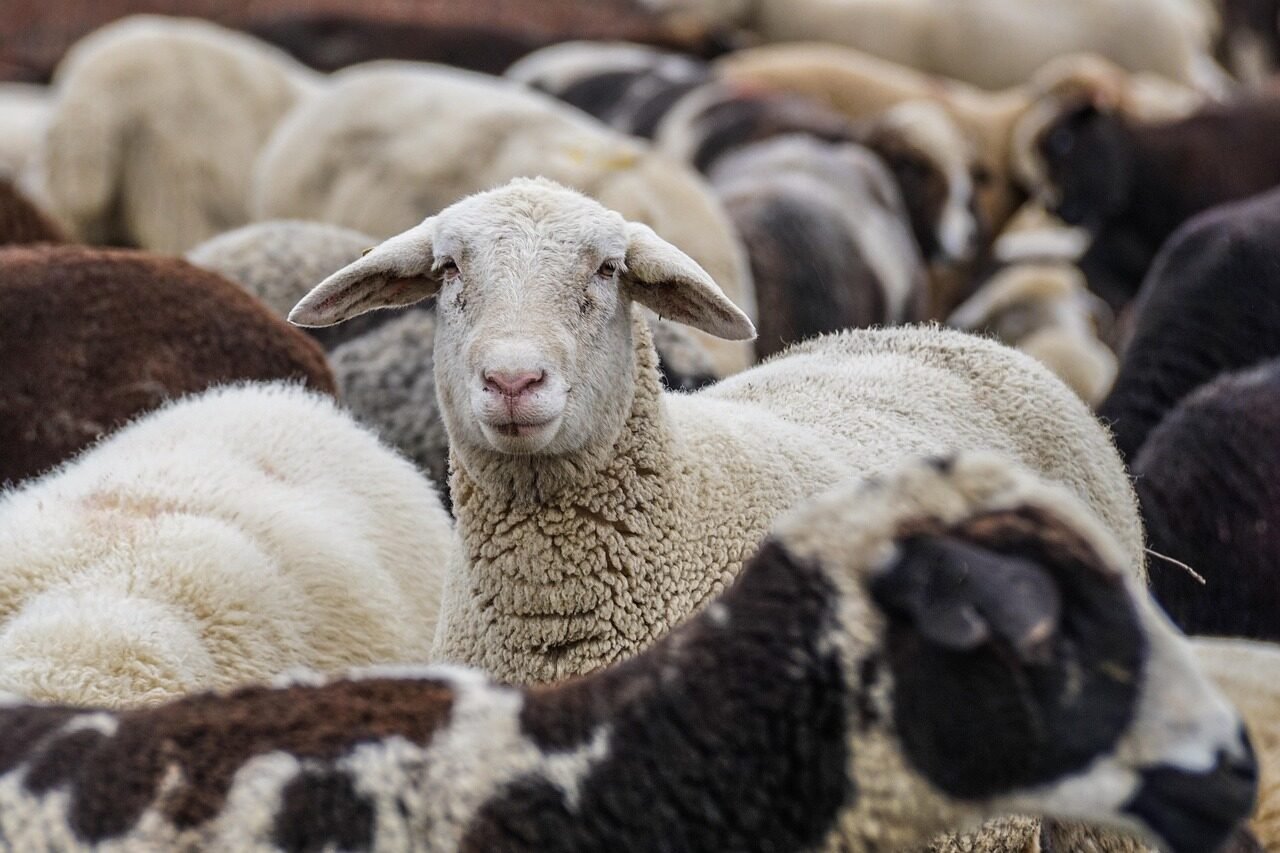
Sheep are frequently compared to goats since they’re similar in size and are often kept together, but their temperament and care needs diverge in important ways. For a full breakdown, it’s worth reading a dedicated guide, but the short version: sheep are generally calmer, less escape-prone, and lower-maintenance in terms of fencing, though wool breeds require annual shearing that goats don’t need. Hair sheep breeds like Katahdin sidestep that chore entirely by shedding naturally.
Sheep and goats can often be pastured together successfully, though it’s worth knowing that cattle mineral supplements and some goat-specific minerals contain copper levels that are toxic to sheep — so mixed-species pastures need feed and mineral plans that account for the most sensitive animal in the group.
Pigs: Smart, Strong, and Often Underestimated
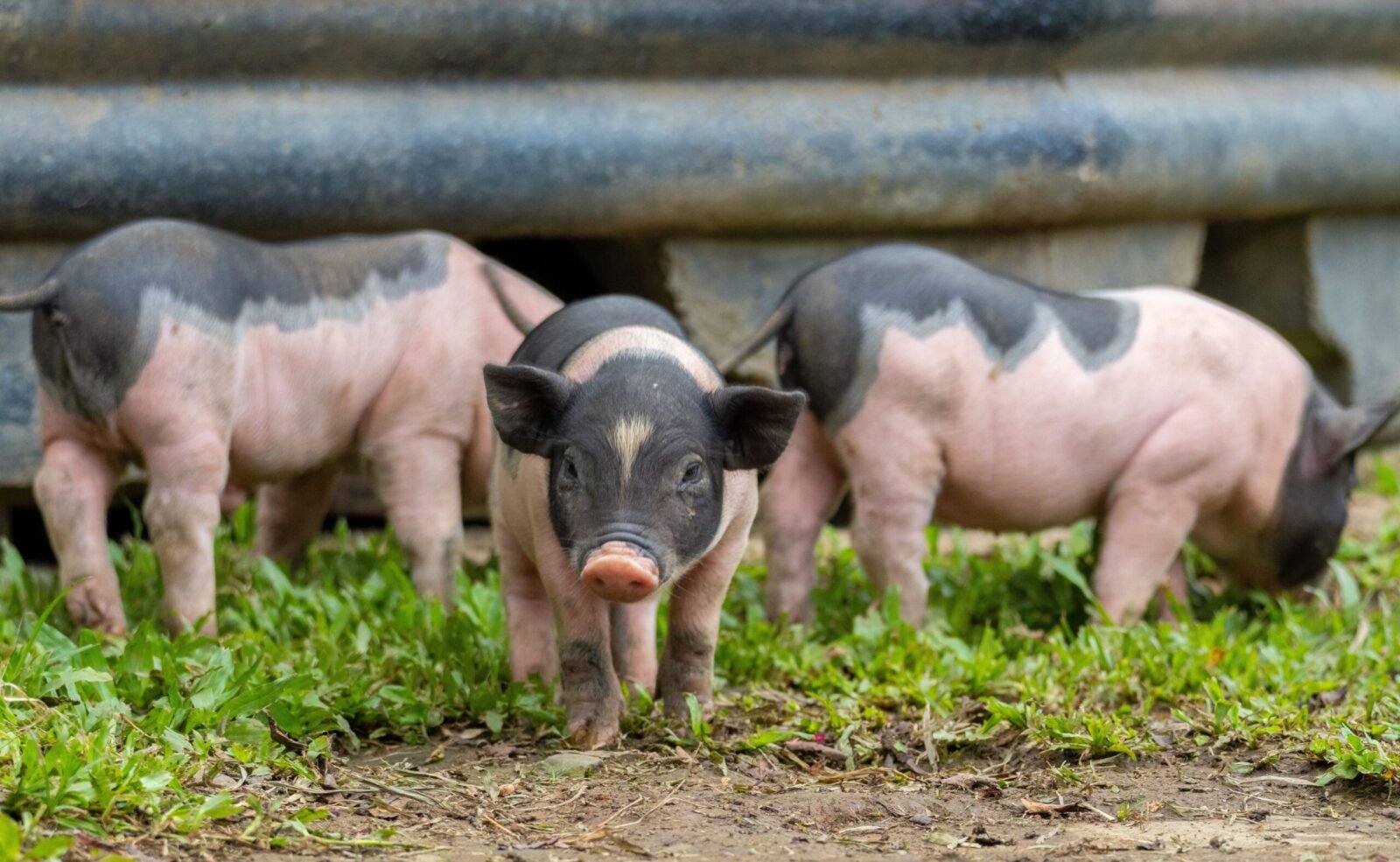
Pigs have surged in popularity as pets, partly due to the rise of “mini pig” marketing — a term worth approaching with real skepticism, since many pigs sold as miniature grow considerably larger than advertised.
Space needs: Pigs need secure outdoor rootling space plus shelter, and their strength is often underestimated — a determined pig can push through weaker fencing without much effort.
Diet: A balanced commercial pig feed, supplemented with vegetables and appropriate scraps, is standard. Pigs are prone to obesity, which creates serious joint and health problems, so portion control matters more than people expect.
Temperament: Pigs are among the most intelligent farm animals, often ranked alongside dogs in cognitive studies. They bond closely with owners, but that intelligence also means they’re strong-willed and can develop problem behaviors — including aggression — if under-stimulated or mishandled.
The catch: Pigs are a significant commitment. They’re strong, food-motivated to a degree that can become a real training) challenge, and — despite marketing claims — rarely stay as small as advertised.
Horses: The Classic Ranch Companion
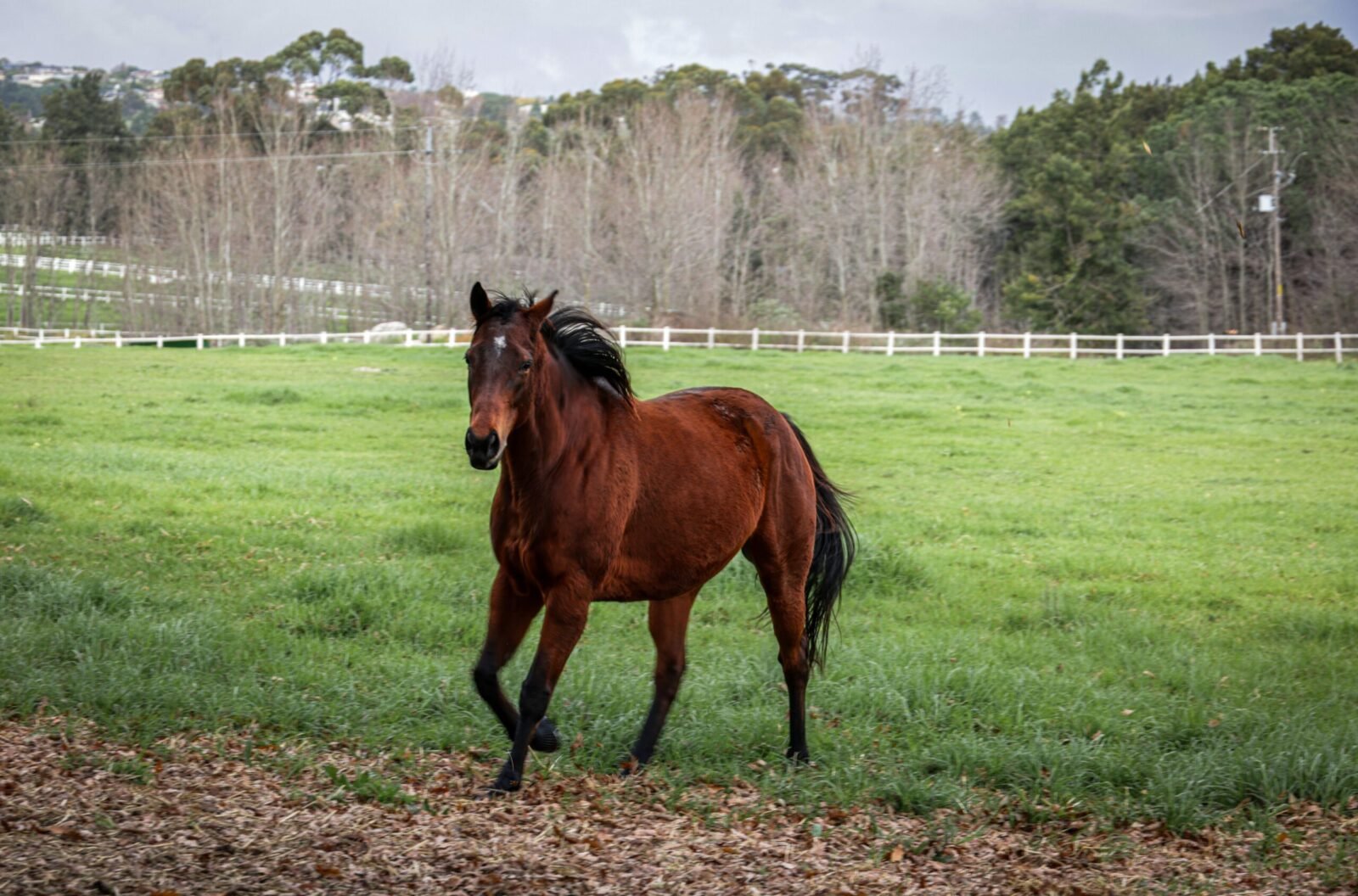
Horses remain the animal most people picture when they think “ranch,” and for many owners, the emotional and companionship payoff is unmatched. But horses are also one of the most demanding animals on this list in terms of cost, space, and expertise required.
Space needs: A general guideline is at least 1-2 acres of quality pasture per horse, plus a barn or shelter structure.
Daily care: Feeding (hay and/or grain depending on workload), regular hoof care from a farrier every 6-8 weeks, routine veterinary and dental checkups, and daily monitoring for injury or illness.
Temperament: Horses are herd animals and form strong bonds, both with other horses and with attentive owners, but they require experienced handling — their size and strength make even minor behavioral issues potentially dangerous.
The catch: Cost. Between feed, farrier visits, veterinary care, and facility upkeep, horses are typically the most expensive animal on this list to maintain long-term, and that’s before factoring in tack, training, or riding lessons.
Cattle: Not Just for Commercial Ranches
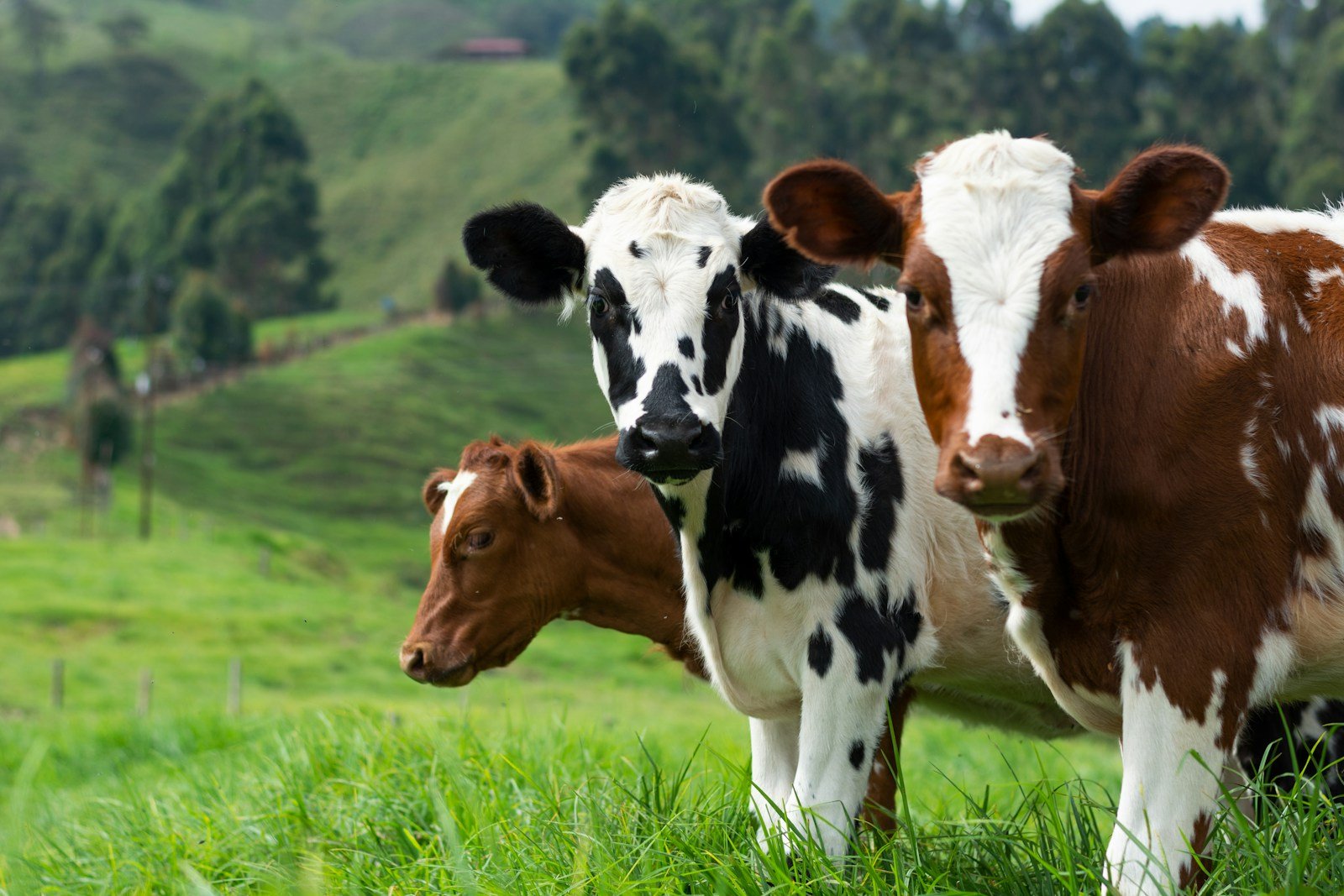
Miniature cattle breeds, like Dexter or Miniature Hereford, have become a popular option for people who want the presence of cattle without the scale of a full commercial operation.
Space needs: Even miniature breeds need substantial pasture — often 1-2 acres per animal, similar to horses — plus secure, sturdy fencing capable of containing a genuinely large, strong animal even at “miniature” size.
Temperament: Cattle raised with regular gentle handling from a young age can become remarkably calm and even affectionate, but untrained or infrequently handled cattle can be unpredictable, and their sheer size makes any behavioral issue a serious safety consideration.
The catch: Cattle are a long-term, high-space commitment, and even miniature breeds aren’t a casual undertaking. They’re best suited to owners with real acreage and either prior livestock experience or a strong mentor relationship with an experienced breeder.
Donkeys and Miniature Donkeys: The Underrated Option
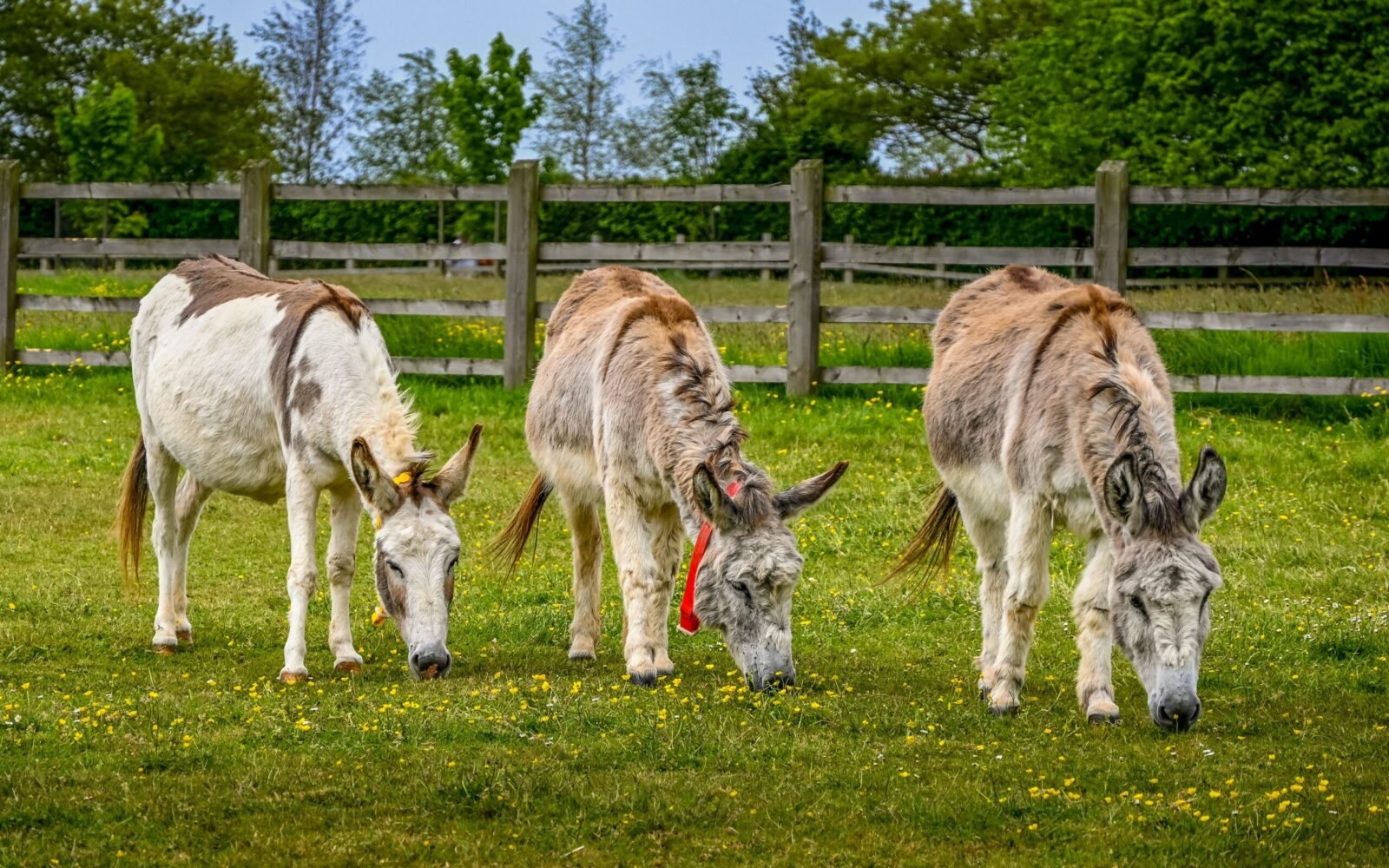
Miniature donkeys have quietly become one of the most popular ranch pets in recent years, and it’s easy to see why — they’re smaller and generally lower-maintenance than horses, while offering a lot of the same companionship.
Space needs: Considerably less than horses — roughly a half-acre per donkey is often workable, though more is always beneficial.
Temperament: Donkeys are known for being intelligent, affectionate, and notably good judges of character, often bonding deeply with their owners. They’re also commonly used as livestock guardians, since their instinct to confront rather than flee from predators like coyotes makes them a genuine asset to a mixed-species property.
The catch: Donkeys can be stubborn and require patient, consistent handling, and — like horses — need regular hoof care and a knowledgeable vet.
Alpacas and Llamas: Fiber, Guarding, and Low-Drama Companionship
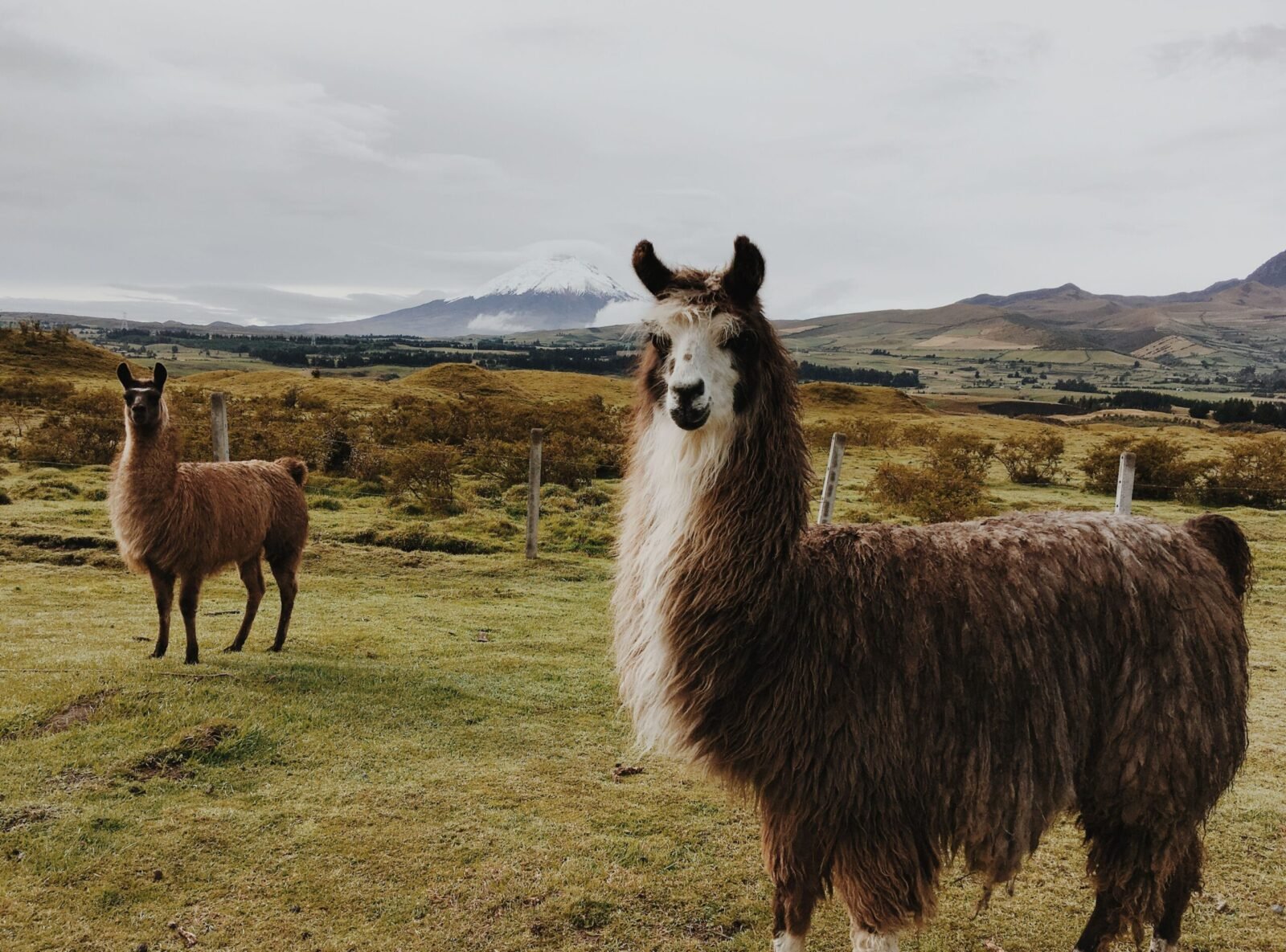
Alpacas and llamas have carved out a real niche among ranch pet owners, particularly those interested in fiber production or looking for a calmer alternative to sheep or goats.
Space needs: Roughly a quarter to half an acre per animal, similar to sheep.
Temperament: Generally calm and low-maintenance day to day, though they can spit when stressed or asserting dominance — a well-known quirk that’s more bark than bite in practice.
The catch: Like sheep, alpacas need annual shearing, and llamas are sometimes kept specifically as livestock guardians for smaller animals like sheep, thanks to their size and natural wariness of predators.
Livestock Guardian Animals: The Pet That Protects the Pets
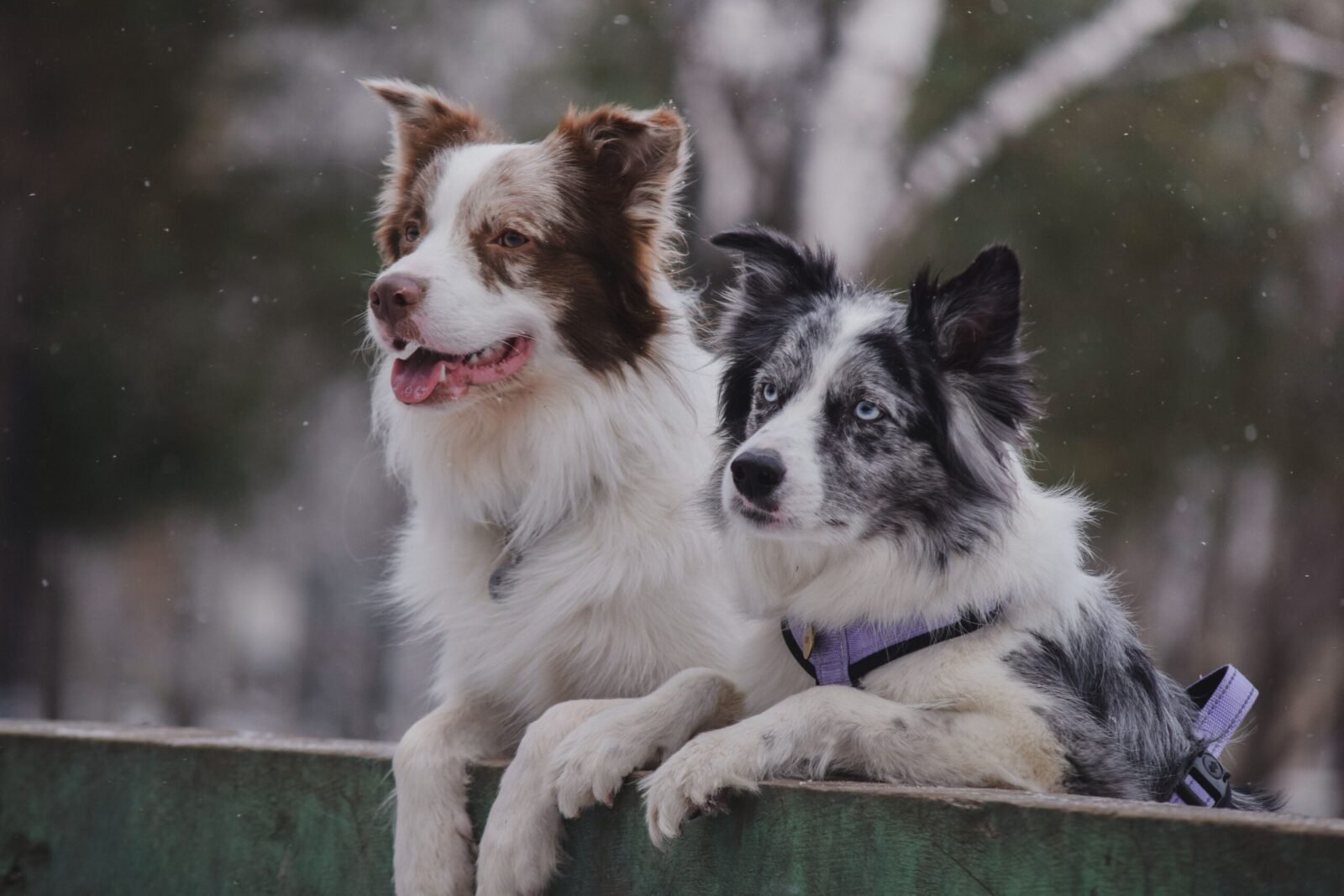
No ranch-animal guide is complete without mentioning the animals whose entire job is protecting the others. Livestock guardian dogs — breeds like Great Pyrenees, Anatolian Shepherds, or Maremmas — live full-time with a flock or herd, bonding with the animals they protect rather than functioning as a typical house pet. Donkeys and llamas, as mentioned above, can serve a similar role for smaller livestock.
These animals require a different kind of relationship than a typical pet — they’re independent, work-driven, and often most effective when allowed to bond primarily with the herd rather than treated as a conventional companion animal. For owners with predator pressure on their property, though, they’re often one of the most effective investments available.
How to Choose the Right Ranch Animals for Your Property
A few practical questions to work through before adding any animal to your land:
How much usable acreage do you actually have? Not just total property size, but usable, fenced, appropriately-surfaced pasture. This single factor rules out more options than any other.
What’s your predator situation? Coyotes, foxes, and stray dogs vary hugely by region, and that affects both which animals are safe to keep and what kind of fencing and guardian support you’ll need.
How much daily time can you realistically commit? Chickens and sheep are far less time-intensive day to day than horses or pigs. Be honest about your schedule before committing to a higher-maintenance animal.
What’s your budget, including the ongoing costs? Purchase price is often the smallest part of the total cost. Feed, veterinary care, fencing maintenance, and — for larger animals — farrier or shearer visits add up significantly over an animal’s lifetime.
Are you prepared for the animal’s full lifespan? Chickens live 5-10 years, goats and sheep 10-12, donkeys and horses often 25-30+ years, and pigs 10-15 years. A ranch animal is rarely a short-term decision.
Will the animals you’re considering coexist well? Some combinations work beautifully — donkeys guarding sheep, chickens free-ranging alongside larger grazers — while others create real complications, like copper-sensitive sheep sharing a mineral feeder with goats or cattle.
Common Mistakes First-Time Ranch Animal Owners Make
- Underestimating fencing needs, especially for goats and pigs, both notorious for testing weak points
- Getting a single animal of a herd species, leading to a stressed, unhappy animal — this applies to goats, sheep, alpacas, and more
- Assuming “miniature” breeds stay small, particularly with pigs and cattle, where marketing sometimes overstates adult size
- Not researching local zoning and permit requirements before purchasing an animal
- Underestimating veterinary access, since not every vet treats every species — sourcing a livestock-experienced vet before an emergency happens is far better than scrambling during one
- Overlooking ongoing costs in favor of focusing only on the upfront purchase price
Final Thoughts
The line between “ranch animal” and “pet” has become genuinely blurry, and that’s not a bad thing — it reflects a real shift toward more thoughtful, welfare-conscious ownership of animals that were historically viewed purely as production units. But that blurring also means it’s easy to underestimate what these animals actually need. A goat is not a dog with hooves. A pig is not a novelty lawn ornament. A horse is not a decoration for the pasture.
The owners who end up happiest, and whose animals end up healthiest, are the ones who start with realistic research: honest acreage assessments, a clear-eyed look at ongoing costs, and — ideally — real time spent around the species they’re considering before bringing one home. Start small if you’re new to this, get comfortable with the daily rhythm of animal care, and let your ranch grow one well-considered addition at a time.