
When people picture a pigeon, they usually think of park benches, bread crumbs, and city sidewalks. Few imagine a bird that can be gentle, affectionate, and genuinely bonded to its owner. Yet pigeons have lived alongside humans longer than almost any other domesticated animal, and a growing number of bird lovers are discovering that they make calm, intelligent, and low-maintenance pets. This article looks at what it actually takes to keep a pigeon, why they deserve more credit than they get, and what to consider before bringing one home.
A Bird With a Very Old Résumé
Pigeons were domesticated more than 5,000 years ago, making them one of the oldest companion animals on record, alongside dogs and cats. Ancient Egyptians used them for messages and food. The Romans bred them for racing and communication. During both World Wars, pigeons carried messages across enemy lines when radio silence was essential, and several were awarded medals for bravery after saving soldiers’ lives. Charles Darwin himself kept pigeons and used the incredible variety produced by selective breeding as supporting evidence for his theory of evolution.
That long history matters because it explains why pigeons are so comfortable around people. Unlike many “exotic” pets that are only a generation or two removed from the wild, the domestic pigeon has spent thousands of years evolving alongside humans, which is part of why they tend to settle into home life with far less stress than most other birds.
Why Pigeons Make Surprisingly Good Pets
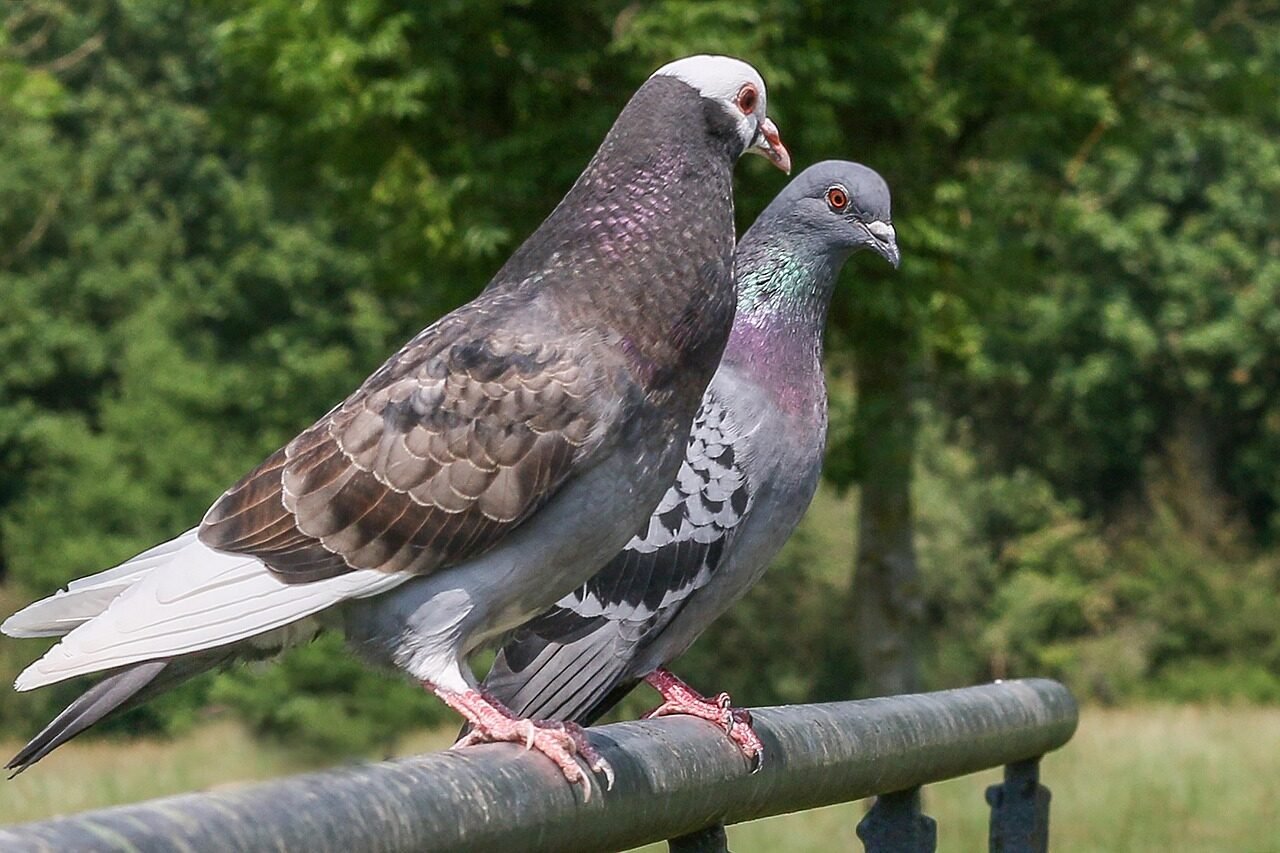
Pigeons are often dismissed because of their reputation as pests, but that reputation belongs almost entirely to feral street pigeons, not the domesticated breeds kept by hobbyists. Pet pigeons are quiet compared to parrots, they don’t bite hard or scream, and they rarely develop the destructive chewing habits common in larger birds. Most owners describe them as gentle, easygoing, and content to sit calmly on a shoulder or in a lap once they trust their handler.
They’re also remarkably clean animals. Pigeons preen constantly, rarely smell, and can be litter-trained to use a designated corner of their enclosure, something that surprises people who assume all birds are messy. Because they don’t require the same intensive daily engagement that parrots need to stay mentally healthy, pigeons suit people who want a genuine companion animal without the all-day demands of a more social, high-maintenance species.
Perhaps the biggest advantage is their emotional steadiness. Pigeons form strong pair bonds, and a hand-raised pigeon will often bond just as strongly with its owner. That bond tends to be quiet and consistent rather than dramatic, expressed through cooing, gentle nudging, and simply choosing to stay near you rather than through the loud attention-seeking behavior typical of cockatoos or macaws.
Understanding Pigeon Intelligence and Behavior
Pigeons are far smarter than most people assume. Research has shown they can recognize themselves in mirrors, distinguish between individual human faces, and even tell the difference between paintings by different artists after training. Their homing ability is legendary: a well-trained racing pigeon can find its way back to its loft from hundreds of miles away, using a combination of magnetic field detection, visual landmarks, and possibly even smell.
This intelligence shows up in day-to-day behavior too. Pigeons learn routines quickly, recognizing feeding times, favorite people, and familiar sounds like a car in the driveway or a specific door opening. Many owners teach their pigeons simple tricks, such as stepping onto a hand on command or returning to a perch when called, using positive reinforcement with seeds as rewards.
Socially, pigeons are flock animals that instinctively look for a “partner” figure, whether that’s another pigeon or their human caretaker. A single pigeon kept without a companion of its own species will often transfer that need for companionship onto its owner, which is part of why hand-raised individuals can become so attached. That said, most pigeon experts recommend keeping at least two pigeons together when possible, since even the most attentive owner can’t fully replace the presence of another bird.
Popular Pigeon Breeds for Pet Owners
Selective breeding over centuries has produced an extraordinary range of pigeon varieties, and choosing the right breed can shape what kind of pet experience you have.
King Pigeons are large, docile, and often kept purely as companion birds rather than flyers. Their calm temperament and manageable size make them one of the most popular choices for first-time owners.
Fantail Pigeons are instantly recognizable for their dramatic, peacock-like tail feathers. They’re friendly and visually striking, though their unusual tail shape means they need slightly more careful housing to avoid feather damage.
Racing Homers are the athletes of the pigeon world, bred for speed, stamina, and an almost unbelievable sense of direction. They’re a good fit for owners who want to get involved in the sport of pigeon racing rather than simply keeping a bird at home.
Rollers are known for a striking aerial trait: they perform backward somersaults mid-flight, a behavior that’s purely genetic and harmless to the bird. They’re entertaining to watch but are typically kept in outdoor lofts rather than as indoor companions.
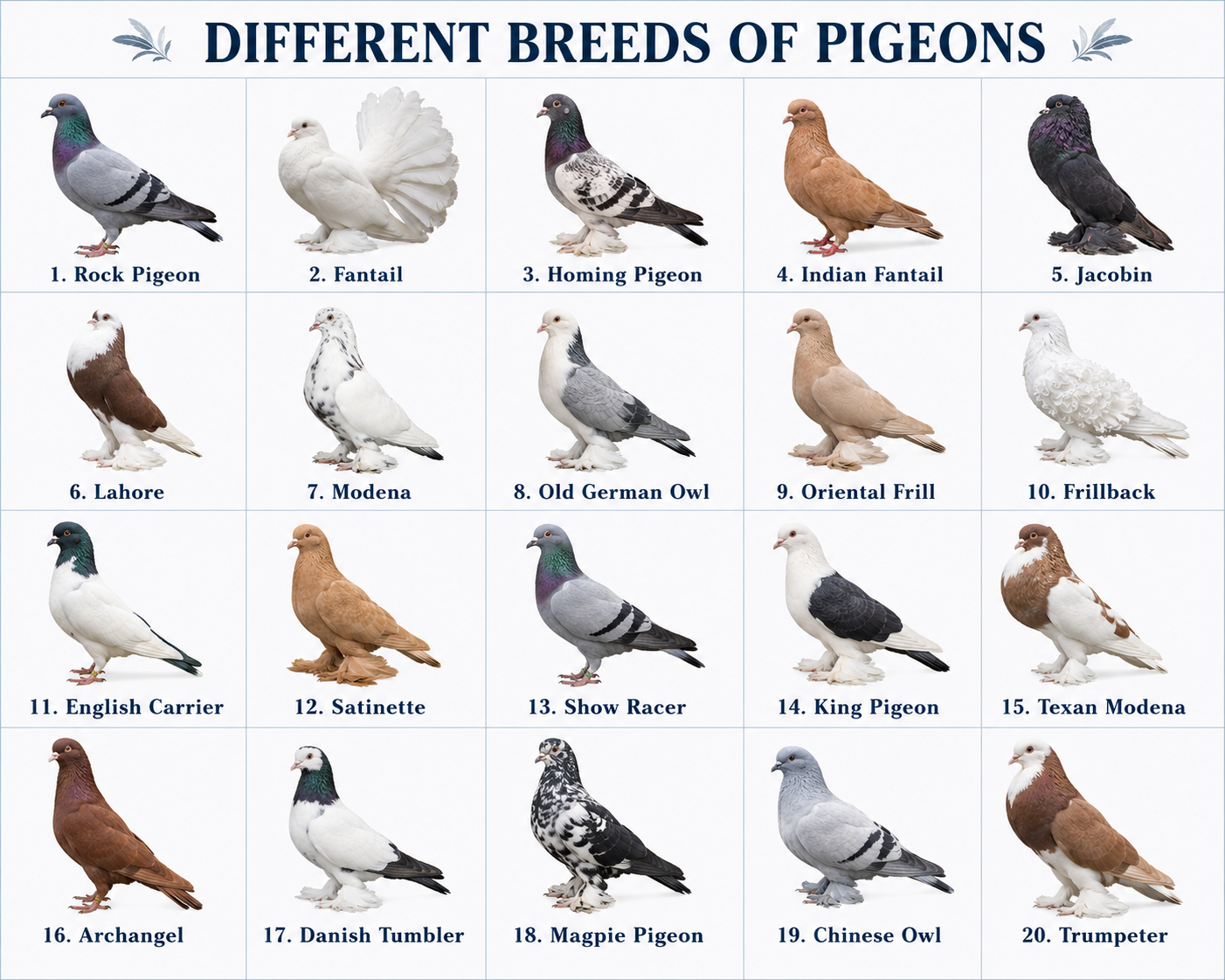
Frillbacks and Jacobins are prized more for their ornamental appearance, with curled feathers or dramatic feathered hoods around the neck, and tend to appeal to breeders and exhibitors as much as casual pet owners.
For someone simply looking for a calm companion bird rather than a show animal or racer, King Pigeons and standard homing pigeons are usually the easiest starting point.
Housing: What Pigeons Actually Need
Good housing is the single biggest factor in whether a pet pigeon thrives. Unlike a cage bird such as a budgie, pigeons need enough room to walk, stretch their wings, and move between a few different perches. A cramped cage will lead to a stressed, unhealthy bird no matter how much attention it gets.
A traditional outdoor loft is the gold standard for pigeon keeping. A well-designed loft includes a draft-free sleeping area, a separate section for nesting if breeding is a consideration, secure wire mesh to keep out predators like hawks, raccoons, and rats, and enough ventilation to prevent the buildup of ammonia from droppings. Ideally, a loft also includes a small outdoor aviary or “flight pen” attached to the main structure, giving the birds a safe way to get fresh air and sunlight without the risk of flying off or being caught by a predator.
Indoor housing is possible too, and many people successfully keep a single pigeon or a bonded pair inside the home, particularly if the bird is disabled, was hand-raised from a young age, or simply prefers close contact with people. Indoor setups typically use a large flight cage or a dedicated bird room, along with training to use a specific spot as a bathroom area, since pigeons can be surprisingly easy to litter-train with consistency.
Whichever setup you choose, cleanliness is non-negotiable. Droppings should be cleaned regularly, water should be refreshed daily, and perches should be checked for sharp edges or wear. Pigeons kept in dirty conditions are prone to respiratory issues and parasitic infections, so a simple weekly cleaning routine goes a long way toward keeping a flock or individual bird healthy.
Feeding a Pet Pigeon
Pigeons are primarily seed and grain eaters in the wild, and a good pet pigeon diet mirrors that natural preference while adding the vitamins and minerals they need in captivity. A quality pigeon feed mix typically includes a blend of grains such as wheat, corn, peas, milo, and safflower, formulated specifically for pigeons rather than a generic “wild bird” mix, which often lacks the right nutritional balance.
Alongside their seed mix, pigeons benefit from occasional fresh greens like lettuce, spinach, or chopped vegetables, though these should make up only a small portion of the diet. Grit is essential too: because pigeons don’t have teeth, they rely on small stones and mineral grit in their gizzard to physically grind down food, so a dish of pigeon grit should always be available.
Calcium is particularly important, especially for breeding females, and is usually provided through a mineral block or crushed oyster shell placed in the enclosure. Fresh, clean water should be available at all times, since pigeons drink by suction rather than tipping their heads back like most birds, and they can dehydrate quickly if their water source runs dry or becomes dirty.
Overfeeding is a common mistake among new owners. Pigeons are prone to obesity when given unlimited access to fatty seeds like sunflower or peanuts, so portioning food based on the bird’s size and activity level, rather than free-feeding constantly, helps keep them at a healthy weight.
Health and Veterinary Care
Pigeons are generally hardy birds, but like any pet, they need proactive health care rather than a wait-and-see approach. Finding an avian veterinarian experienced with pigeons specifically, rather than a general exotic vet, makes a significant difference, since pigeon physiology and common ailments differ somewhat from parrots or chickens.
Common health issues include respiratory infections from poor ventilation, external parasites such as mites and lice, internal parasites like worms, and canker, a parasitic infection that affects the mouth and throat and is one of the most common problems in pigeon keeping. Regular health checks, a clean living environment, and a balanced diet prevent the vast majority of these issues before they start.
Vaccination against paramyxovirus, a serious viral disease that can spread through a flock, is recommended in many regions, particularly for anyone planning to keep multiple birds or attend pigeon shows and races. New birds should always be quarantined for a couple of weeks before being introduced to an existing flock, since even a healthy-looking pigeon can be carrying something contagious.
Signs that a pigeon needs veterinary attention include fluffed-up feathers for an extended period, lethargy, discharge from the eyes or nostrils, changes in droppings, or reluctance to eat. Because pigeons instinctively hide signs of illness as a survival mechanism, by the time symptoms are obvious, the bird may already be seriously unwell, which is why routine observation matters just as much as reacting to visible problems.
Training and Building a Bond
One of the most rewarding parts of keeping a pet pigeon is how genuinely trainable they are. Using simple positive reinforcement, most pigeons can learn to step onto a finger, return to their loft on command, recognize their name, and even navigate basic obstacle courses, which is part of why pigeons have historically been used in scientific studies on animal cognition and learning.
Building trust starts with consistency. Spending time near the pigeon without forcing interaction, offering food from an open hand, and using a calm, quiet voice all help a nervous bird settle in. Hand-raised pigeons, particularly those bottle- or hand-fed from a young age, tend to bond fastest and most deeply, sometimes following their owner around a room or perching on a shoulder without any formal training at all.
Pigeons also respond well to routine. Feeding at the same times each day, letting them out for supervised free time in a consistent spot, and maintaining a predictable environment all reduce stress and help a pigeon feel secure, which in turn strengthens the relationship between bird and owner over time.
Common Challenges of Pigeon Ownership
Pigeon keeping isn’t without its difficulties, and it’s worth going in with realistic expectations. Space is one of the biggest hurdles: pigeons genuinely need room to move, and an apartment with no outdoor access or loft space can be limiting unless you’re committed to a well-designed indoor setup.
Predators are a constant concern for outdoor lofts. Hawks, owls, raccoons, and even domestic cats can pose a serious threat, so secure housing isn’t optional, it’s essential. Noise, while much milder than a parrot’s screech, is still a factor; cooing is soft but constant, and multiple birds together will be more vocal than a single pigeon.
There’s also the social dimension. Because pigeons are flock animals, a lone pigeon without companionship, whether from another bird or an attentive owner, can become withdrawn or anxious. Owners who travel frequently or work long hours away from home should think carefully about how a pigeon’s social needs will be met, or consider keeping a bonded pair rather than a single bird.
Finally, breeding behavior can catch new owners off guard. Even without a mate present, a pigeon may exhibit nesting behavior, and if a male and female are kept together, they will breed readily unless deliberately prevented, which means owners need a clear plan for managing eggs and potential offspring.
Rescuing and Rehoming Pigeons
Not every pet pigeon starts out as a purchase from a breeder. Injured racing pigeons that lose their way home, orphaned squabs found on balconies or window ledges, and former show birds surrendered by breeders who are downsizing all regularly end up needing new homes. Wildlife rehabilitators and pigeon-specific rescue groups exist in many regions specifically to take in these birds, treat any injuries, and find them appropriate placements.
Adopting a rescue pigeon can be a wonderful option for someone who wants to give an animal a second chance rather than buying from a breeder, though it comes with a few extra considerations. Rescued birds may arrive with old injuries that affect their ability to fly well, meaning their housing may need to prioritize ground-level space and low perches over tall climbing structures. They may also need a longer adjustment period to trust a new caretaker, particularly if they came from a stressful or neglectful situation. Patience during this settling-in period pays off, since pigeons that initially seem skittish often become just as affectionate as hand-raised birds once they feel secure.
It’s worth noting that most rescue organizations distinguish carefully between truly wild feral pigeons, which are best left to live independently or handled only by trained wildlife rehabilitators, and domesticated breeds that have become lost, injured, or abandoned. A banded leg is usually the clearest sign that a pigeon found outdoors is a domestic or racing bird rather than a wild one, and reputable pigeon organizations can often trace a band number back to the bird’s registered owner.
Pigeon Racing and Showing as a Hobby
For owners who want to go beyond simple companionship, pigeon racing remains a genuinely global hobby with dedicated clubs, competitions, and even prize money in some regions. Racing pigeons are trained gradually, starting with short releases close to home and building up to distances of hundreds of miles, using their extraordinary homing instinct to find their way back to a familiar loft. The sport has a long and storied history, and many racing clubs welcome newcomers with mentorship, shared equipment, and advice on building a competitive loft.
Showing is another popular avenue, particularly for owners drawn to breeds like Fantails, Jacobins, or Frillbacks that were developed largely for their ornamental appearance. Pigeon shows judge birds against detailed breed standards covering feather pattern, body shape, and overall condition, similar to a dog or cat show. Both racing and showing offer a built-in community for new owners, which can be one of the most valuable resources available, since experienced keepers are often the best source of practical, region-specific advice on housing, feeding, and health care.
Even owners with no interest in competition often find value in connecting with local clubs, simply because pigeon-specific knowledge isn’t always easy to find through a general veterinarian or generic pet-care resource, and a community of experienced keepers can shorten the learning curve considerably.
Seasonal Care Considerations
Pigeon care shifts somewhat with the seasons, and owners who plan ahead tend to avoid the most common seasonal problems. In colder climates, lofts need adequate insulation and protection from drafts, though pigeons are naturally quite cold-hardy and generally don’t need supplemental heating unless temperatures drop to extremes. What matters more in winter is keeping water from freezing and ensuring the birds have dry, draft-free areas to roost.
Summer brings its own challenges, particularly heat stress and increased parasite activity. Good ventilation, shaded areas within the loft or aviary, and access to fresh water become especially important during hot months. Molting season, which typically occurs once or twice a year depending on the individual bird, also increases nutritional demands, since regrowing feathers requires extra protein and energy; many keepers supplement their birds’ diet slightly during this period to support healthy feather regrowth.
Breeding season, for those who keep pairs and allow reproduction, generally aligns with warmer months and requires closer monitoring of nesting behavior, egg development, and the additional calcium needs of the female. Owners who prefer not to breed their birds can manage this by separating sexes, providing fake eggs to discourage continued laying, or simply removing real eggs promptly, a common and humane practice in pigeon keeping known as egg substitution.
Legal Considerations
Regulations around keeping pigeons vary significantly depending on where you live. Many cities allow pet and racing pigeons but have specific rules about loft placement, distance from neighboring properties, and maximum flock size, particularly in dense residential areas. Some municipalities require permits or registration, especially for larger lofts used for racing or breeding.
It’s also worth checking whether your area distinguishes between “domestic” pigeons and wild or feral pigeons in its animal ordinances, since some local laws that target nuisance feral pigeons can inadvertently affect pet keepers if the wording isn’t specific. Homeowners’ associations may have their own restrictions as well, separate from city or county law, so checking both levels of regulation before building a loft is a smart first step.
What It Costs to Keep a Pet Pigeon
Compared to many companion animals, pigeons are relatively affordable, which is part of their appeal. The pigeons themselves are inexpensive, particularly common breeds, though rare or show-quality birds from reputable breeders can cost considerably more. The bigger investment tends to be housing: a well-built outdoor loft can range from a modest DIY structure to a more substantial custom build, depending on size and materials.
Ongoing costs include feed, grit, and mineral supplements, which are inexpensive on a monthly basis, along with occasional veterinary visits for checkups or illness. Compared to the lifetime costs of larger parrots, which can require expensive specialized diets and frequent vet care, pigeons are one of the more budget-friendly bird species to keep long-term, especially for owners who build their own housing rather than buying a premade loft.
Pigeons Compared to Other Pet Birds
It’s worth putting pigeons in context next to more commonly kept pet birds. Parrots, cockatiels, and budgies are famous for their vocal ability and, in the case of larger parrots, their capacity to mimic human speech, but they also demand significant daily interaction and mental stimulation to avoid behavioral problems like feather plucking or excessive screaming. Pigeons, by contrast, are far more independent and don’t suffer the same psychological distress from being left alone for a workday, provided their basic social and physical needs are met.
Pigeons also tend to be quieter, less prone to biting, and less destructive to furniture and household items than parrots, which chew persistently as part of their natural beak maintenance. On the other hand, pigeons don’t talk, and their range of vocalizations is far more limited, so anyone drawn to birds specifically for conversational mimicry will likely be disappointed. For owners who want a calm, low-drama companion bird rather than a highly vocal, attention-demanding one, pigeons often turn out to be the better fit.
Tips for First-Time Pigeon Owners
Anyone considering a pet pigeon for the first time benefits from a few practical starting points. Begin by researching local laws and, if possible, connecting with a local pigeon club or racing association, since experienced keepers are often glad to share advice and may even help source healthy, well-bred birds. Invest in solid housing before bringing a bird home rather than treating it as an afterthought, since retrofitting a loft after the fact is far harder than building it right the first time.
Start with a single breed suited to companionship, such as a King Pigeon, rather than jumping straight into racing breeds that have higher exercise and training demands. Take quarantine seriously with any new bird, and find an avian vet in your area before an emergency makes the search more stressful. Most importantly, be patient: trust with a pigeon builds gradually, and the calm, steady bond they’re known for is earned through consistency rather than forced quickly.
Conclusion
Pigeons carry an unfair reputation shaped by their feral cousins scavenging in city parks, but the domesticated pigeon is a completely different animal: intelligent, gentle, historically significant, and genuinely well-suited to life alongside humans. They ask for less daily drama than a parrot, form quiet but real bonds with their owners, and come with thousands of years of successful cohabitation with people already behind them.
For the right owner, someone with space for proper housing, an interest in a calmer, more independent companion animal, and an appreciation for a species with a genuinely remarkable history, a pet pigeon can be one of the most rewarding and underrated choices in the bird-keeping world. They may never win a popularity contest against colorful, talkative parrots, but for those who give them a chance, pigeons often prove to be exactly the kind of steady, loyal companion that first drew humans to keep them thousands of years ago.