
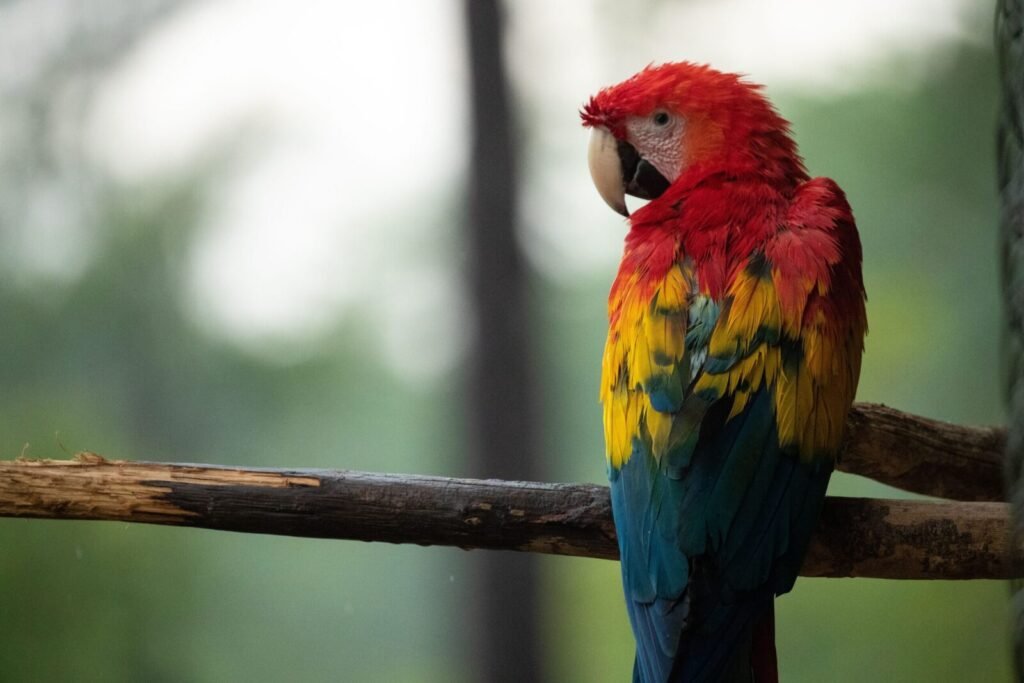

Few pets turn heads quite like a macaw. With their brilliant plumage, oversized personalities, and near-human intelligence, macaws are some of the most captivating birds you could ever bring into your home. But they’re also one of the most misunderstood pets out there. People see a stunning scarlet or blue-and-gold macaw at a zoo or in a viral video saying something clever, and they think, “I need one of those.” What they don’t always see is the decades-long commitment, the ear-splitting screech at 7 a.m., or the sheer intelligence that means a bored macaw can become a genuinely troubled one.
This guide is meant to give you the full picture: what macaws are really like day to day, how to set up a home that actually works for them, what they eat, how to keep them healthy, and what it really means to commit to one of these birds for what could be the rest of your life. Because if there’s one thing every macaw owner will tell you, it’s that these birds are not a casual pet decision. They’re closer to adopting a permanent, incredibly smart, incredibly loud family member.
What Exactly Is a Macaw?
Macaws are large parrots native to Central and South America, part of a group that includes some of the biggest parrot species in the world. There are around 17 recognized macaw species, though several are now extinct or critically endangered in the wild, and they range enormously in size, from smaller “mini macaws” like the Hahn’s macaw, which is not much bigger than a large parakeet, to giants like the hyacinth macaw, which can measure over three feet from head to tail.
The species most commonly kept as pets include the blue-and-gold macaw, the scarlet macaw, the green-winged macaw, the military macaw, the severe macaw, and the hyacinth macaw, along with smaller species like the Hahn’s macaw and the noble macaw. Each has its own quirks in temperament, size, and care needs, but they share the traits that define the group as a whole: high intelligence, strong social needs, powerful beaks, and voices that can carry for a genuinely surprising distance.
Why People Fall in Love With Macaws (and Why That Love Requires Preparation)
There’s a reason macaws have such a devoted following. They’re incredibly intelligent, on par with young children in some cognitive studies, capable of problem-solving, learning extensive vocabularies, and recognizing patterns and routines. They bond deeply with their owners, often forming a primary attachment to one person while still being affectionate with the rest of the household. They’re playful, curious, and, when properly cared for, can be wonderfully affectionate, leaning into head scratches, cuddling on a shoulder, or engaging in back-and-forth “conversations” that feel remarkably personal.
But that same intelligence and social need is precisely what makes macaws such a demanding pet. A bored, under-stimulated, or lonely macaw doesn’t just sulk quietly the way some other pets might. They scream. They pluck their own feathers out. They can become aggressive or develop anxiety-driven behaviors that are difficult to reverse. Owning a macaw well means committing real time, every single day, to their mental and social needs, not just their food and water.
How Long Do Macaws Live, and What Does That Really Mean?
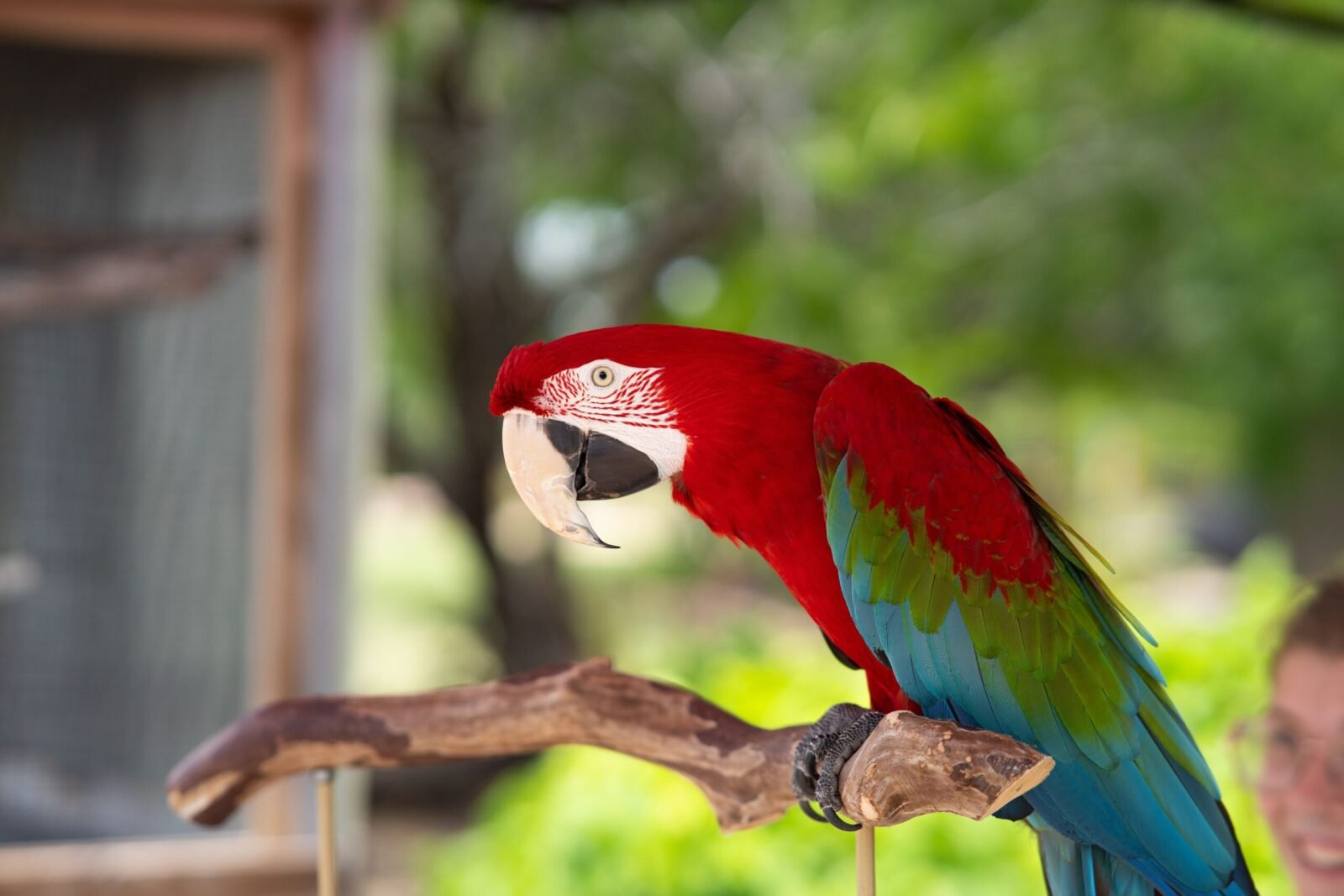
This is one of the most important things a prospective macaw owner needs to sit with. Macaws are famously long-lived. Many species can live 50 to 60 years or more in captivity with proper care, and some of the larger species, like the blue-and-gold or scarlet macaw, have documented lifespans well into their 70s and 80s.
That means a macaw you bring home in your 20s or 30s could realistically still be alive and needing care in your 80s. It means thinking about who will care for the bird if something happens to you. It means understanding that this isn’t a five or ten year commitment, it’s potentially a lifetime one, and rehoming a macaw later in life, while it does happen, is genuinely traumatic for the bird, since they form such strong attachments.
This is not meant to scare people away from macaw ownership, plenty of people take this on responsibly and it becomes one of the most rewarding relationships of their lives, but it is meant to underline that this decision deserves the same level of thought you’d put into any major, decades-long commitment.
Choosing the Right Macaw for Your Life
Not every macaw species suits every household, and thinking honestly about your living situation, noise tolerance, and experience level matters a lot here.
Size and Space Considerations
Larger macaws like the hyacinth, green-winged, and scarlet need substantial cage space, ideally the largest cage you can reasonably fit, plus significant time outside the cage daily for flight and exercise. Smaller species like the Hahn’s macaw or noble macaw are more manageable in terms of space, though they still need more room than most people expect, given their intelligence and activity levels.
Noise Level
All macaws can be loud, it’s simply part of their nature as a species that communicates across long distances in the wild, but there is variation. Mini macaws tend to be somewhat quieter than the large macaws, though “quieter” is relative, a Hahn’s macaw is still considerably louder than a budgie. If you live in an apartment, have close neighbors, or are noise-sensitive, a macaw of any kind requires serious thought, and the larger species in particular may simply not be workable in that kind of living situation.
Temperament Differences
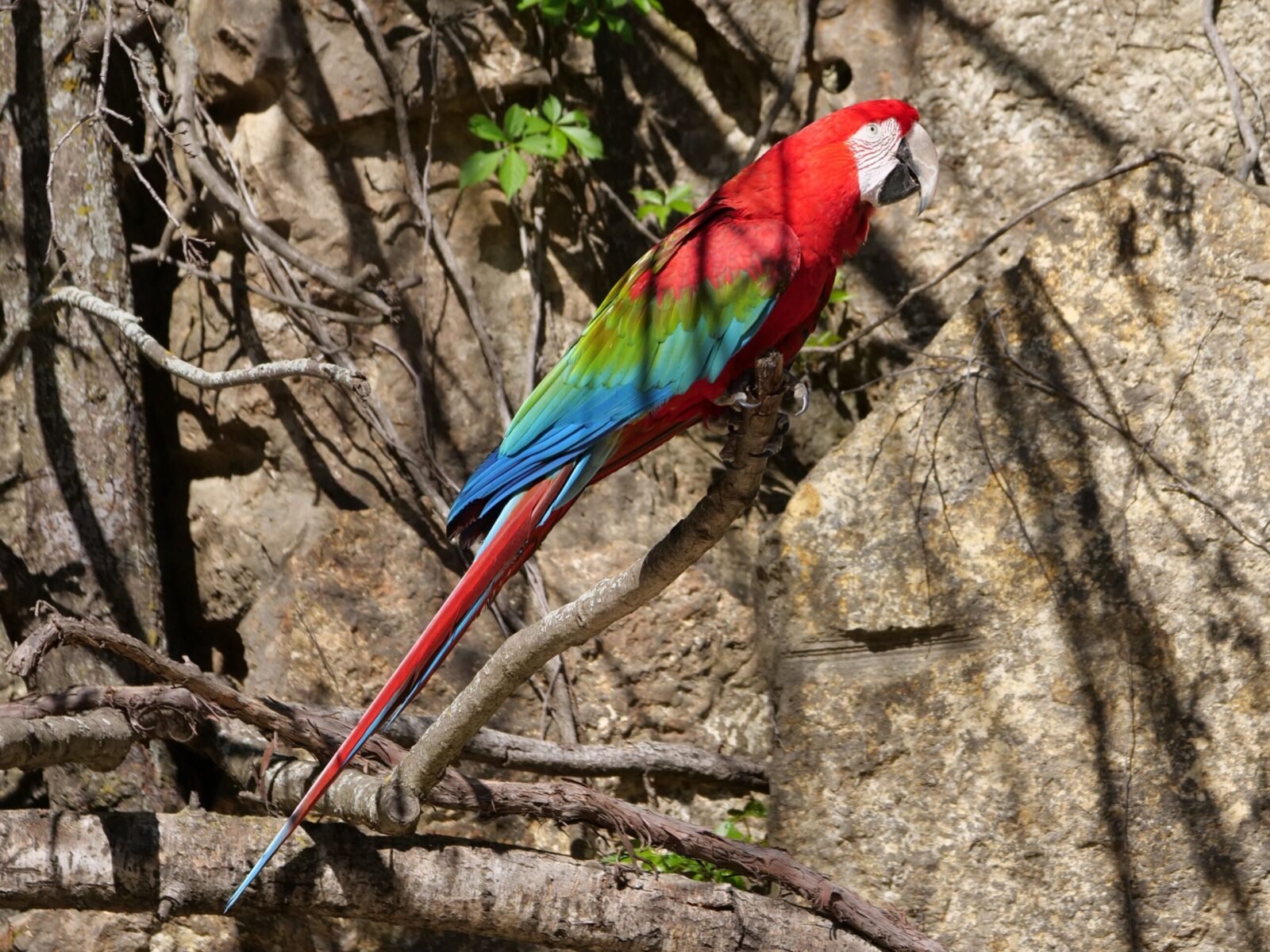
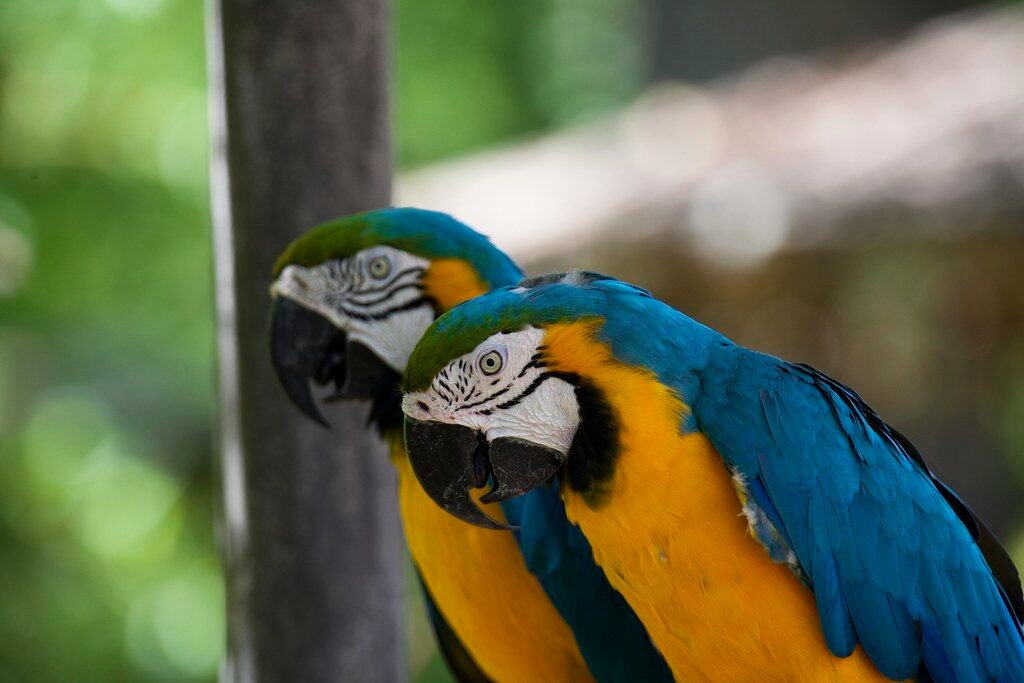
Blue-and-gold macaws are often described as gentle, sweet, and a good “starter” macaw for people who’ve previously kept smaller parrots. Scarlet macaws have a reputation for being a bit more high-strung or nippy, particularly if not extensively socialized. Green-winged macaws are often noted for being especially affectionate and gentle giants. Military macaws tend to be intelligent and a little more independent. These are broad generalizations, and individual personality varies enormously, but they’re useful starting points when researching which species might suit you.
Experience Level
First-time bird owners are often better off starting with a smaller parrot species, or at minimum, a smaller macaw species, and working with an experienced avian breeder, rescue, or behaviorist rather than diving straight into hyacinth or scarlet macaw ownership without any prior parrot experience. Macaws are not a forgiving “starter bird,” and mistakes in early handling and socialization can create behavioral problems that take years to undo.
Where to Get a Pet Macaw
Breeders
Reputable breeders who specialize in macaws can provide hand-raised, well-socialized birds, along with guidance on care and health history. Look for breeders who are transparent about their birds’ health, allow you to visit and see the parent birds and their living conditions, and who ask you plenty of questions in return, a good breeder wants to make sure their birds go to appropriate homes just as much as you want a healthy bird.
Rescues and Rehoming
Because macaws live so long and are such a demanding commitment, a significant number end up needing new homes at some point in their lives, sometimes due to an owner’s changed circumstances, sometimes due to behavioral issues that developed from inadequate early care. Parrot rescues are full of wonderful birds, often already well past the more challenging juvenile stages, who need patient, informed owners. Adopting a rescue macaw can be an incredibly rewarding path, though it often comes with some baggage, behavioral quirks or trust issues from a previous situation, that require patience to work through.
Avoid Impulse Purchases
Given the lifespan, cost, and care complexity involved, a macaw should never be an impulse buy. Spend time researching, meet the specific bird if possible before committing, and make sure everyone in the household is genuinely on board, since a macaw becomes very much a member of the family, for better or worse.
Setting Up a Home for a Macaw
Cage Size and Setup
Macaw cages need to be large, really large. As a general guideline, a cage should allow the bird to fully extend and flap its wings without hitting the sides, and ideally be considerably larger than that minimum. For big macaw species, cages several feet wide, deep, and tall are typical, and bar spacing needs to be appropriate for the bird’s size (wide enough to be practical but not so wide the bird could get its head caught).
Cages should include multiple perches of varying diameters and textures to support foot health, various toys for chewing and mental stimulation, and food and water stations positioned so they don’t get contaminated by droppings.
Outside-of-Cage Time
Cage size aside, no cage, however large, is sufficient on its own. Macaws need substantial daily time outside their cage, ideally several hours, for exercise, exploration, and social interaction. A dedicated play stand with various textures and toys gives them somewhere to be when out of the cage besides just perched on furniture or a person.
Bird-Proofing Your Home
Macaws have powerful beaks capable of doing serious damage to furniture, wood trim, and anything else they can reach, and they’re also at risk from household hazards like other pets, exposed electrical cords, toxic plants, non-stick cookware fumes (which can be fatal to birds even in small amounts), open windows or doors, and ceiling fans. A thorough bird-proofing of any room the macaw has access to is essential before letting them roam.
Toys and Enrichment
Because of their intelligence, macaws need constant mental stimulation or they will find their own, often destructive, ways to entertain themselves. Foraging toys that require the bird to work for treats, puzzle toys, shreddable wood and paper toys, and rotating a variety of toys regularly to prevent boredom all help keep a macaw’s mind engaged. Many owners describe toy and enrichment budgets as an ongoing, never fully finished part of macaw ownership, since these birds destroy toys as part of natural chewing behavior, and that’s actually a good sign, it means the toy is doing its job.
Feeding a Pet Macaw
The Foundation: Formulated Pellets
Most avian vets recommend a high-quality formulated pellet diet as the foundation of a macaw’s nutrition, since pellets are designed to provide a balanced, complete set of nutrients in a way that an all-seed diet simply can’t. A seed-only diet is one of the most common and most serious nutritional mistakes new bird owners make, since seeds are high in fat and low in many of the vitamins and minerals macaws need, and birds fed primarily seed often develop nutritional deficiencies over time.
Fresh Fruits and Vegetables
Alongside pellets, fresh fruits and vegetables should make up a meaningful portion of a macaw’s daily diet. Good options include leafy greens, carrots, sweet potato, bell peppers, apples (minus the seeds, which contain trace amounts of a compound toxic to birds), berries, and squash. Variety matters, both for nutritional completeness and for mental stimulation, since trying new foods is itself a form of enrichment for an intelligent bird.
Nuts as Treats
Macaws, especially larger species, enjoy and benefit from nuts in moderation, walnuts, almonds, and pecans in the shell are popular choices that also double as a foraging challenge, since cracking the shell gives the bird something to work for. Nuts are calorie-dense, though, so they should be treats rather than a dietary staple.
Foods to Avoid
Some foods that are perfectly fine for humans are dangerous or toxic to macaws. Avocado is toxic to birds and should never be fed. Chocolate, caffeine, and alcohol are all dangerous. Onions and garlic in significant quantities can cause health issues over time. Apple seeds, along with the pits of stone fruits like cherries and peaches, contain trace cyanide compounds and should be removed before feeding the fruit. Salty, sugary, or heavily processed human food should generally be avoided or given only in very small amounts.
Water
Fresh, clean water should be available at all times, changed daily or more often if it becomes soiled, which happens fairly often with birds that like to dunk food or splash.
Macaw Behavior: Understanding the Personality Behind the Feathers
Vocalization
This deserves its own honest conversation, because it’s the single biggest lifestyle factor prospective owners underestimate. Macaws are loud. Not “occasionally noisy” loud, genuinely capable of producing sounds that can be heard blocks away in some cases. This vocalization is completely natural, in the wild, macaws call to communicate across long distances in dense forest, and there’s no fully “training out” this instinct, though appropriate training can reduce excessive screaming that stems from boredom or attention-seeking specifically.
If you’re considering a macaw, spending time around adult macaws in person, ideally at their loudest moments (often morning and evening), before committing is one of the smartest things you can do.
Talking Ability
Many macaws can learn to mimic human speech, sometimes building a vocabulary of dozens of words or phrases, and some develop an uncanny ability to use words in context. That said, talking ability varies a lot between individuals, and it shouldn’t be the primary reason for getting a macaw, since plenty of macaws never become strong talkers regardless of effort, while excelling in every other way as companions.
Social Bonding
Macaws typically bond very strongly with their owners, sometimes forming a preference for one particular person in the household. This bond is a big part of what makes them such rewarding pets, but it also means they can develop real separation anxiety if left alone too often, and a change in their primary person’s availability (a new job, a move, a new family member) can be genuinely stressful for the bird.
Beak Use and Biting
A macaw’s beak is an incredibly powerful tool, used for climbing, manipulating objects, cracking nuts, and communicating. Young or improperly socialized macaws may bite as a way of testing boundaries or expressing fear or frustration, and given the size and strength of a macaw’s beak, this is not a small thing, a serious bite from a large macaw can cause real injury. Proper socialization, consistent and gentle handling from an early age, and learning to read a macaw’s body language (raised neck feathers, pinning eyes, and stiff posture are often warning signs of stress or agitation) go a long way toward preventing bite incidents.
Feather Plucking
This is one of the more heartbreaking behavioral issues that can develop in under-stimulated, stressed, bored, or unwell macaws, where the bird begins pulling out its own feathers, sometimes progressing to skin damage in severe cases. Feather plucking can stem from psychological stress, insufficient enrichment, an underlying medical issue, or a combination of factors, and it typically requires both a vet consultation to rule out medical causes and a serious look at the bird’s environment and daily enrichment to address the root cause.
Macaw Health: What Owners Need to Know
Finding the Right Vet
Not every veterinarian treats birds, and macaws in particular benefit from a vet who specifically has experience with large parrots. Finding a qualified avian vet in your area before you need one, rather than during an emergency, is genuinely one of the most important steps in responsible macaw ownership.
Common Health Issues
Psittacosis (parrot fever): A bacterial infection that can affect the respiratory system and other organs, and notably, it’s zoonotic, meaning it can be transmitted to humans, though this is uncommon with a healthy bird from a reputable source. Symptoms in birds include lethargy, respiratory distress, and reduced appetite.
Proventricular dilatation disease (PDD): A serious and not fully understood disease affecting the nervous system and digestive tract, leading to symptoms like undigested food in droppings, weight loss, and neurological signs. It’s a significant concern in the parrot world generally, and any suspicious digestive symptoms warrant prompt vet attention.
Nutritional deficiencies: Especially in birds fed a seed-heavy diet, deficiencies in vitamin A, calcium, and other nutrients can lead to a range of health problems, from poor feather quality to more serious organ issues.
Respiratory issues: Macaws are sensitive to airborne toxins, including cigarette smoke, non-stick cookware fumes (which can be rapidly fatal to birds), scented candles, and certain household cleaning products. Keeping the air quality around a macaw’s living space genuinely clean is a bigger deal than most new owners initially realize.
Beak and feather disease: A viral disease affecting feather and beak growth, leading to abnormal feather development and beak deformities over time. There’s no cure, and management focuses on supportive care and preventing spread to other birds.
Obesity: Macaws fed excessive fatty treats or nuts without enough exercise and mental stimulation to balance the calories can become overweight, which carries the same risks seen in other animals, joint stress, heart strain, and reduced lifespan.
Signs of Illness
Because birds instinctively hide signs of illness (a survival trait from the wild, where showing weakness makes them a target for predators), by the time a macaw is visibly sick, the issue may already be fairly advanced. Subtle signs worth watching for include changes in droppings, fluffed feathers held for extended periods, reduced vocalization or activity, changes in appetite, and any change in breathing. Regular, ideally annual, veterinary checkups help catch issues before they become visible or severe.
Training and Enrichment: The Key to a Well-Adjusted Macaw
Positive reinforcement training, using treats, praise, and consistency to encourage good behavior, works well with macaws given their intelligence, and it’s not just about teaching tricks, though that’s a fun bonus. Training sessions are themselves a form of mental enrichment and relationship-building, giving the bird a sense of structure and engagement with their owner.
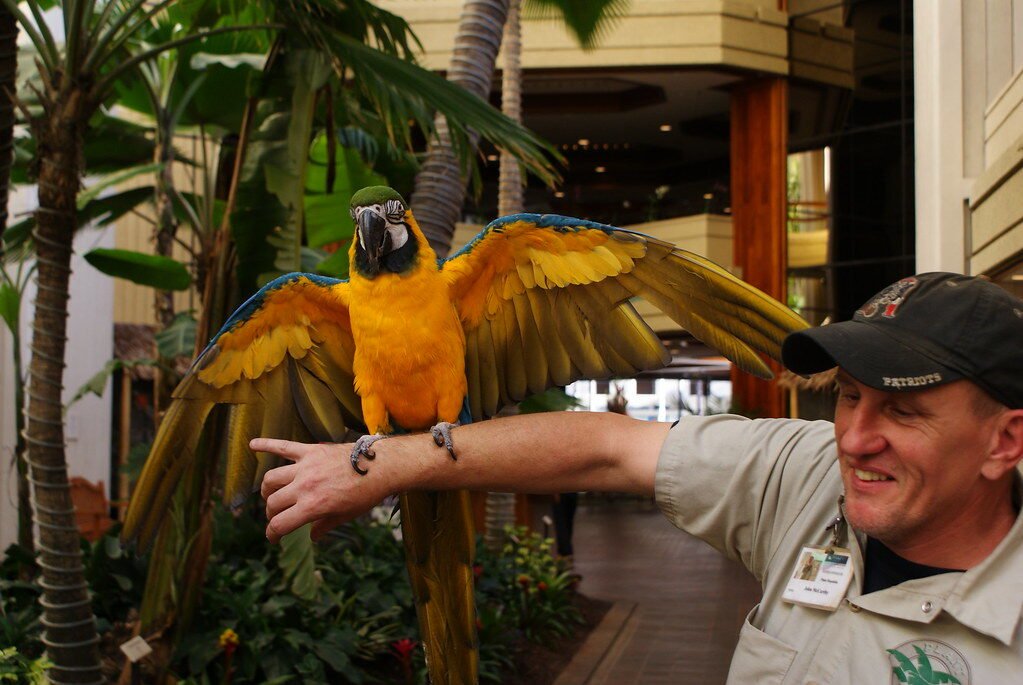
Rotating toys, offering foraging opportunities where the bird has to work for food, providing supervised time outdoors in a secure aviary or on a harness (specifically designed for birds, allowing safe outdoor time without risk of flying away), and simply spending consistent, quality time with your macaw every day all contribute to a happy, well-adjusted bird. A macaw left alone in a cage for the bulk of the day, with minimal interaction and stimulation, is at serious risk of developing the behavioral problems described earlier, no matter how good their food and cage setup is.
The Real Cost of Macaw Ownership
Beyond the upfront cost of the bird itself, which can be substantial depending on species and source, ongoing costs include a large, high-quality cage (often a significant expense on its own), fresh food, an ongoing supply of toys given how quickly they’re destroyed, avian vet care (which tends to be pricier than typical cat or dog veterinary visits due to the specialized expertise required), and potentially boarding or bird-sitting costs for travel, since not every pet sitter is equipped to handle a large parrot. Over a lifespan that could stretch 50 years or more, these costs add up to a genuinely significant lifetime financial commitment, and it’s worth budgeting with that long view in mind rather than just the first year.
Final Thoughts
Macaws are extraordinary animals, brilliant, colorful, deeply social, and capable of forming bonds with their owners that feel genuinely reciprocal in a way not every pet relationship does. But that same brilliance and social depth is exactly what makes them such a serious responsibility. They need space, mental stimulation, social time, a specific and thoughtful diet, and an owner prepared for a commitment that could realistically last a lifetime.
For the right person, in the right living situation, with the patience and dedication these birds require, a pet macaw can be one of the most rewarding companions imaginable. But this is very much a decision that deserves research, honest self-reflection about your lifestyle and living situation, and ideally, real hands-on time with adult macaws before bringing one home. Do that groundwork, and you set both yourself and your future feathered companion up for a genuinely wonderful, decades-long relationship.