


Dogs are more than just pets; they are loyal companions and valued members of the family. Every responsible dog owner wants to provide the best possible care, and one of the most important aspects of that care is proper nutrition. The food a dog eats has a direct impact on its overall health, energy levels, growth, immune system, and lifespan. A balanced diet helps maintain healthy muscles, strong bones, a shiny coat, and a healthy digestive system, while poor nutrition can contribute to obesity, diabetes, heart disease, digestive disorders, and other serious health problems. Understanding the relationship between dog food and health enables owners to make informed decisions that improve their pets’ quality of life and support long-term wellness.
A dog’s nutritional needs vary depending on factors such as age, breed, size, activity level, and overall health. Puppies require a diet rich in protein, healthy fats, vitamins, and minerals because their bodies are growing rapidly. These nutrients help develop strong muscles, healthy bones, and a well-functioning immune system. Adult dogs need a balanced diet that provides enough energy for their daily activities while maintaining a healthy weight. Senior dogs often benefit from foods that are lower in calories but rich in high-quality protein, fiber, antioxidants, and nutrients that support joint health. Feeding a dog according to its life stage helps ensure it receives the appropriate nutrition throughout its life.

Protein is one of the most important components of a healthy canine diet. It provides the building blocks for muscles, tissues, enzymes, hormones, and immune cells. High-quality protein also supports healthy skin and promotes tissue repair after injury or illness. Animal-based protein sources such as chicken, turkey, beef, lamb, fish, duck, and eggs are generally easier for dogs to digest and provide the essential amino acids they need. When selecting commercial dog food, owners should look for products that list real meat as the first ingredient rather than vague terms or meat by-products. High-quality protein helps dogs maintain lean muscle mass, supports healthy growth in puppies, and contributes to overall vitality.
Healthy fats are another essential part of a dog’s diet. Fats serve as a concentrated source of energy and help the body absorb fat-soluble vitamins. They also contribute to healthy skin, a glossy coat, proper brain development, and normal hormone production. Omega-3 and omega-6 fatty acids are particularly beneficial because they help reduce inflammation, support heart health, improve cognitive function, and strengthen the immune system. Fish oil, salmon oil, flaxseed, and chicken fat are common ingredients that provide these beneficial fats. Dogs that consume adequate healthy fats often have healthier skin and softer, shinier coats while experiencing fewer skin irritations.
Carbohydrates also play an important role in canine nutrition, although dogs generally require fewer carbohydrates than humans. Whole grains, sweet potatoes, brown rice, oats, barley, peas, and pumpkin provide energy while supplying dietary fiber that supports healthy digestion. Fiber helps regulate bowel movements, promotes the growth of beneficial gut bacteria, and contributes to a feeling of fullness that may help prevent overeating. Choosing dog foods made with wholesome carbohydrate sources instead of highly processed fillers can improve digestive health and provide a steady supply of energy throughout the day.

Vitamins and minerals are essential for numerous biological functions within a dog’s body. Vitamins such as A, D, E, K, and the B-complex vitamins support vision, bone development, immune function, metabolism, and healthy cell growth. Minerals including calcium, phosphorus, magnesium, iron, zinc, potassium, and selenium help maintain strong bones and teeth, support nerve function, aid muscle contraction, and contribute to healthy blood circulation. Commercial dog foods labeled as complete and balanced are typically formulated to provide these nutrients in appropriate amounts, reducing the risk of nutritional deficiencies.
Water is perhaps the most overlooked yet essential nutrient in a dog’s daily routine. Fresh, clean water should always be available because proper hydration is vital for digestion, nutrient absorption, temperature regulation, joint lubrication, and waste removal. Even mild dehydration can reduce a dog’s energy levels and negatively affect organ function. Dogs that eat dry kibble often require more water than those fed wet food because dry food contains significantly less moisture. Owners should regularly clean water bowls and ensure their dogs have access to fresh drinking water throughout the day.
Choosing the right type of dog food is another important decision. Dry dog food, commonly known as kibble, remains one of the most popular options because it is convenient, affordable, easy to store, and can help reduce plaque buildup on teeth through chewing. High-quality dry foods provide balanced nutrition and are available in formulas designed for different breeds, ages, and health conditions. Wet dog food contains a much higher moisture content, making it beneficial for dogs that need additional hydration or have difficulty chewing dry food. Many owners choose to combine wet and dry food to offer variety while ensuring balanced nutrition.
Fresh dog food has become increasingly popular as more pet owners seek minimally processed diets made with recognizable ingredients. These meals often contain fresh meats, vegetables, fruits, and whole grains without excessive artificial additives. When properly formulated, fresh diets can support healthy digestion, improved coat condition, and increased palatability for picky eaters. However, it is important to choose reputable brands that meet recognized nutritional standards to ensure the diet provides complete and balanced nutrition.
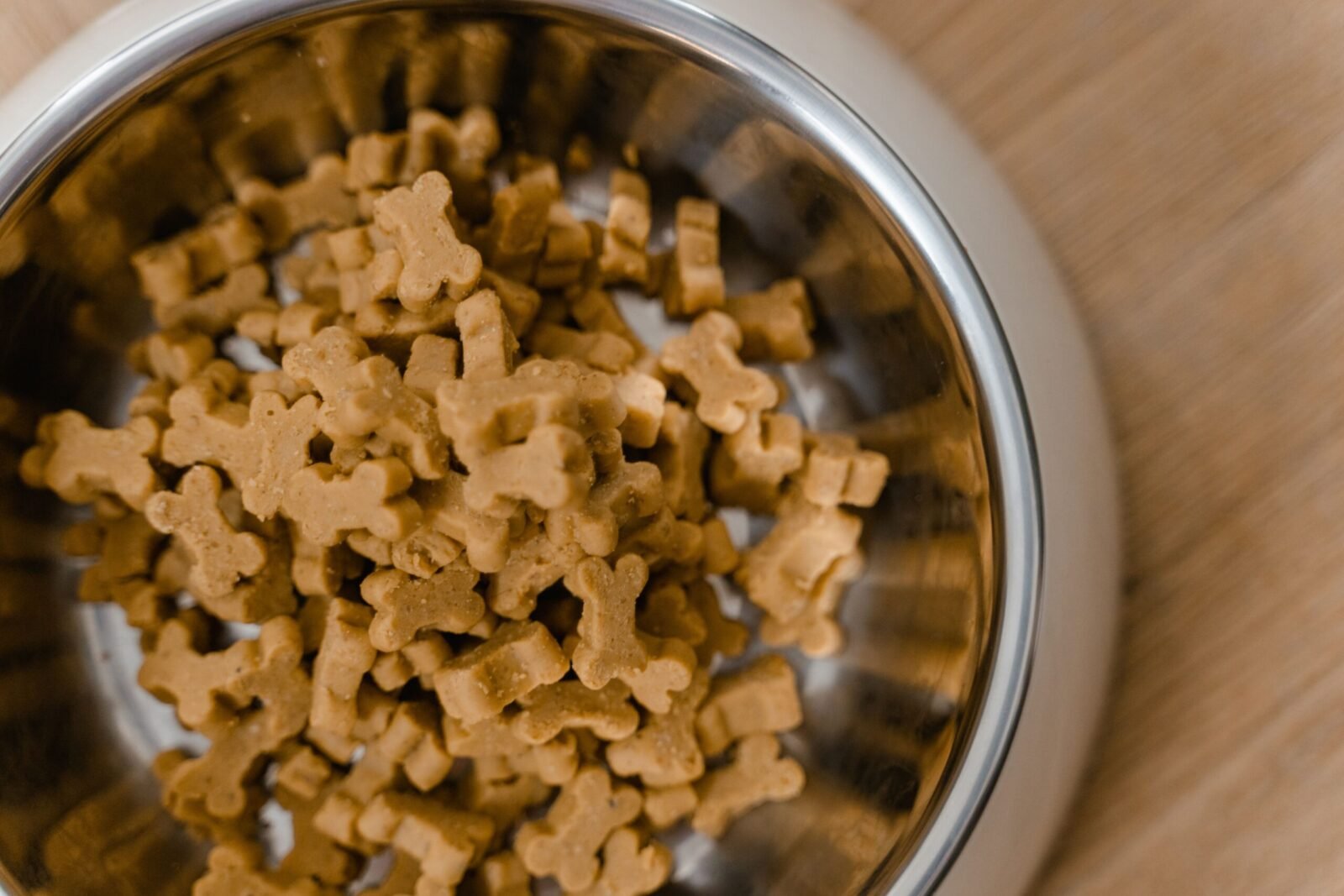
Some owners also prepare homemade meals for their dogs because they want greater control over ingredients. While homemade diets can be healthy when carefully planned, they require significant attention to nutritional balance. Feeding only meat or only vegetables can result in serious deficiencies that affect long-term health. Dogs require the correct balance of protein, fat, carbohydrates, vitamins, and minerals, making professional guidance valuable when creating homemade meal plans. Consulting a veterinarian or a veterinary nutritionist helps ensure homemade diets meet all nutritional requirements.
Portion control is just as important as food quality. Even the healthiest dog food can contribute to obesity if fed in excessive amounts. Obesity is one of the most common health problems affecting dogs worldwide and increases the risk of diabetes, arthritis, heart disease, breathing difficulties, and reduced life expectancy. Owners should follow feeding guidelines provided by the manufacturer while adjusting portions according to their dog’s body condition, activity level, and advice from their veterinarian. Regular exercise combined with appropriate portion sizes helps maintain an ideal weight and supports overall health.