
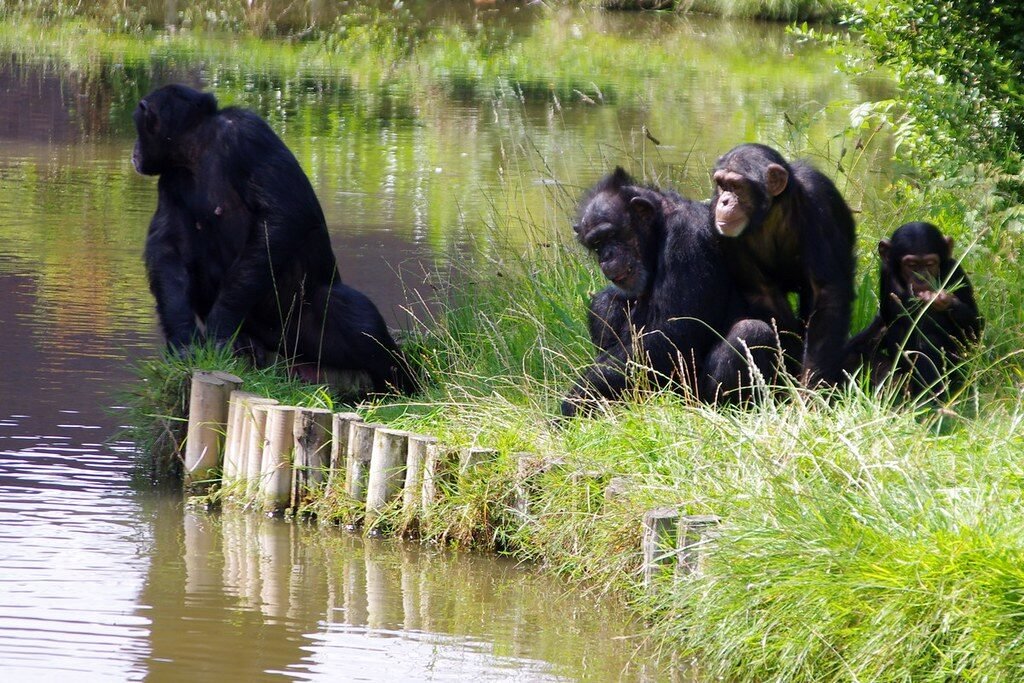

Chimpanzees are among the most fascinating animals on Earth. Their remarkable intelligence, emotional depth, and close genetic relationship to humans have inspired decades of scientific research and public interest. From using tools to solving complex problems and expressing affection, chimpanzees often display behaviors that seem surprisingly human. Because of these traits, some people imagine that owning a chimpanzee would be an extraordinary experience.
However, the reality is far different from the popular image often portrayed in movies, television, and social media. While young chimpanzees may appear playful, affectionate, and manageable, they grow into incredibly strong, intelligent, and socially complex adults with needs that cannot be met in a typical home. Keeping a chimpanzee as a pet presents significant challenges for both the animal and its owner.
This article explores the characteristics of chimpanzees, the realities of keeping them as pets, the ethical and legal considerations, and why experts overwhelmingly recommend that chimpanzees belong in protected habitats, accredited sanctuaries, or conservation facilities rather than private homes.
Understanding Chimpanzees
Chimpanzees (Pan troglodytes) are one of humanity’s closest living relatives, sharing approximately 98–99% of their DNA with humans. Native to the forests and savannas of Central and West Africa, they live in complex social groups known as communities, which may include dozens of individuals.
Chimpanzees possess exceptional cognitive abilities. They can:
- Use tools to gather food.
- Learn sign language or symbolic communication.
- Recognize themselves in mirrors.
- Solve puzzles.
- Form long-term social relationships.
- Display empathy and cooperation.
Their intelligence rivals that of young human children in certain cognitive tasks, making them one of the most studied primates in the world.
Why People Want Pet Chimpanzees
Many individuals become interested in chimpanzees after seeing adorable baby chimps in commercials, films, or online videos. Baby chimpanzees often display playful personalities and expressive faces that resemble human infants.
Common reasons people consider owning a chimpanzee include:
- Fascination with exotic animals.
- Interest in highly intelligent pets.
- Emotional connection from viral videos.
- Desire for a unique companion.
- Misunderstanding of their lifelong care requirements.
Unfortunately, these expectations rarely match reality.
The Reality of Raising a Chimpanzee
Young chimpanzees can seem manageable during infancy. They enjoy playing, cuddling, and interacting with humans. However, this stage is temporary.
As chimpanzees mature, dramatic behavioral and physical changes occur.
Adult chimpanzees can:
- Weigh between 90 and 150 pounds (40–70 kg).
- Develop tremendous upper-body strength.
- Become highly territorial.
- Challenge authority.
- Display unpredictable behavior.
- Require constant mental stimulation.
Their natural instincts remain intact regardless of how they were raised.
Intelligence Comes with Challenges
Chimpanzees are incredibly curious. They quickly learn how to:
- Open doors.
- Unlock cages.
- Operate simple household appliances.
- Manipulate objects.
- Escape enclosed spaces.
This intelligence means owners must constantly supervise them and provide secure environments.
Without enough stimulation, chimpanzees often become bored, frustrated, or destructive.
Strength Beyond Human Capability
One of the biggest misconceptions about chimpanzees is their physical strength.
Although similar in size to many adults, chimpanzees possess extraordinary muscle power.
They can:
- Climb rapidly.
- Pull heavy objects.
- Break branches.
- Tear apart furniture.
- Escape inadequate enclosures.
Their physical abilities require specialized habitats designed specifically for great apes.
Social Needs
Chimpanzees are not solitary animals.
In the wild, they spend their lives surrounded by family members and social companions.
Daily activities include:
- Grooming.
- Playing.
- Foraging.
- Cooperative hunting.
- Communication.
- Conflict resolution.
Humans cannot fully replace the companionship of other chimpanzees.
Isolation may contribute to stress, anxiety, and abnormal behaviors.
Dietary Requirements
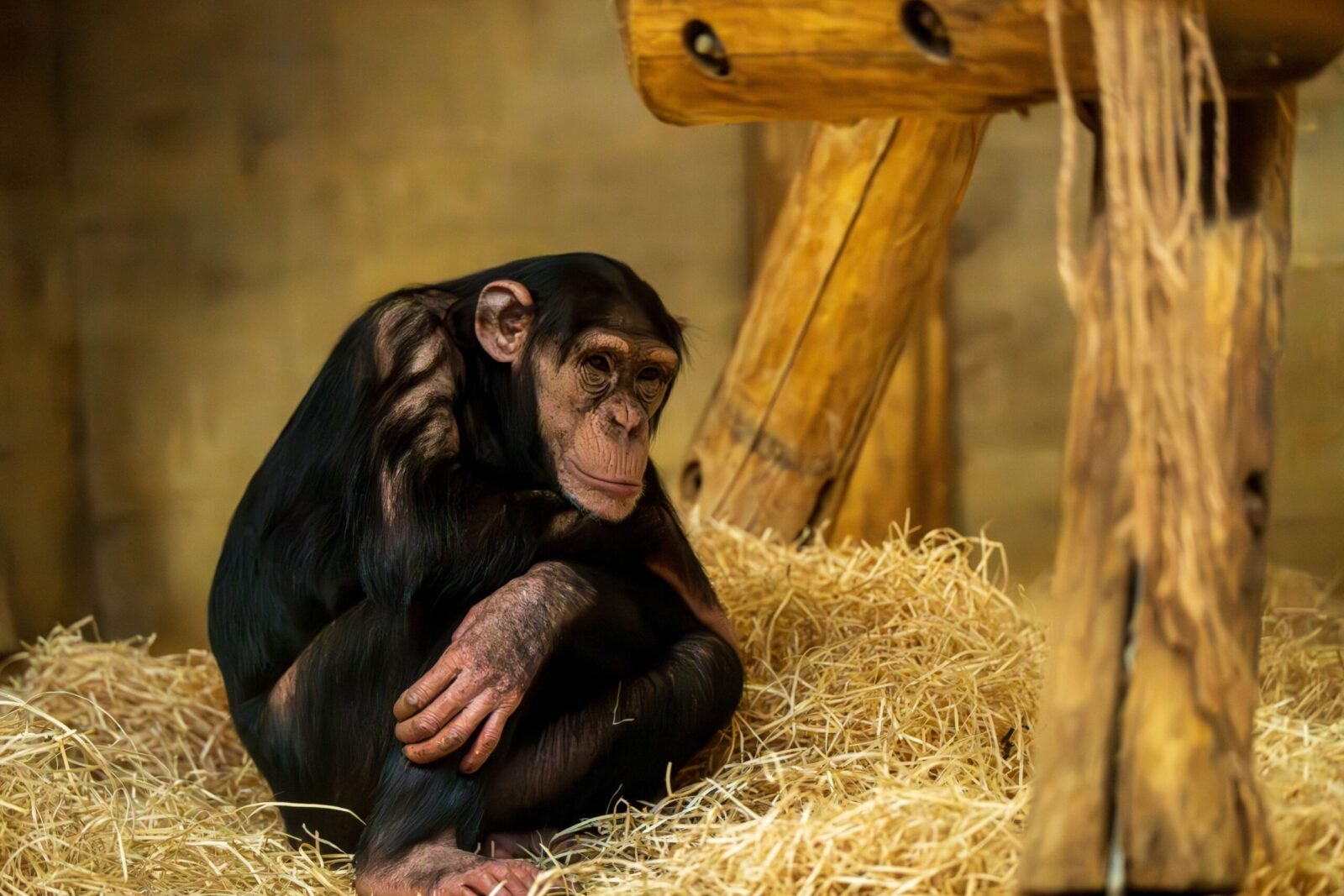
Chimpanzees eat a varied diet consisting of:
- Fruits
- Leaves
- Seeds
- Flowers
- Bark
- Nuts
- Insects
- Occasional small animals
A balanced diet for captive chimpanzees requires careful nutritional planning.
Improper nutrition may result in:
- Obesity
- Diabetes
- Vitamin deficiencies
- Dental disease
- Digestive disorders
Veterinary guidance is essential.
Medical Care
Chimpanzees require specialized veterinary care from professionals experienced with non-human primates.
Routine healthcare includes:
- Physical examinations
- Blood testing
- Dental care
- Vaccinations where appropriate
- Parasite control
Finding qualified veterinary services may be difficult depending on location.
Medical treatment can also be extremely expensive.
Housing Requirements
Chimpanzees need much more than a large cage.
Appropriate housing includes:
- Secure climbing structures
- Outdoor access
- Indoor sleeping areas
- Environmental enrichment
- Puzzle feeders
- Safe barriers
- Escape-proof fencing
Facilities caring for chimpanzees invest significant resources into creating environments that support both physical and psychological well-being.
Emotional Complexity
Chimpanzees experience a wide range of emotions.
Researchers have documented behaviors associated with:
- Happiness
- Sadness
- Grief
- Fear
- Curiosity
- Anger
- Jealousy
- Affection
Because of this emotional complexity, inadequate environments can negatively affect their well-being.
Behavioral Changes During Adulthood
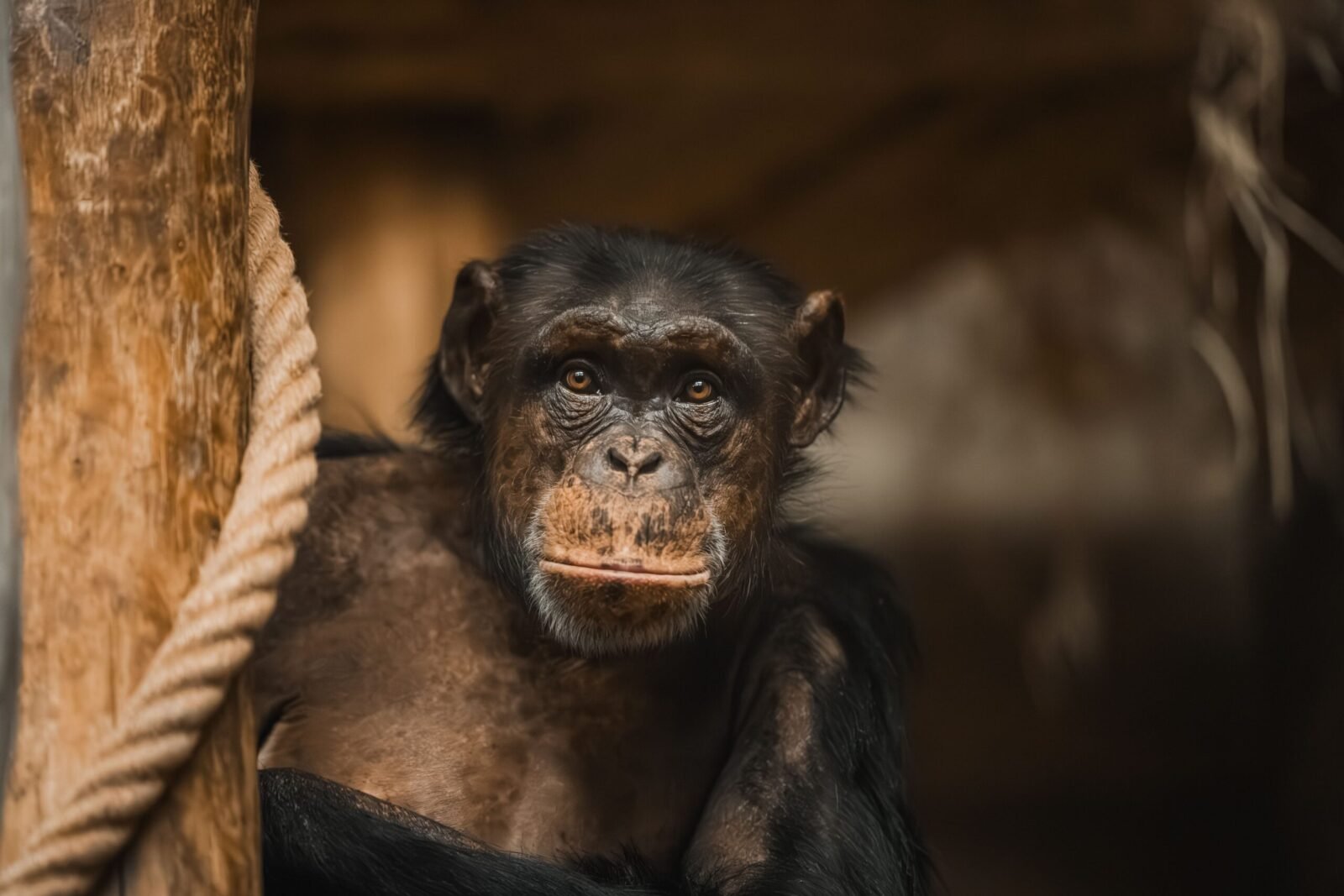
Perhaps the greatest challenge appears when chimpanzees reach adolescence.
Hormonal changes may increase:
- Dominance behavior
- Territorial instincts
- Competition
- Aggression toward humans
- Unpredictability
Even chimpanzees raised from infancy can become difficult to manage safely as adults.
Safety Concerns
Large primates can unintentionally or intentionally cause serious injuries.
Their strength, speed, and powerful jaws make interactions potentially dangerous.
Even routine play can result in accidental injuries.
For this reason, organizations specializing in primate welfare strongly discourage private ownership.
Legal Considerations
Chimpanzee ownership is heavily regulated or prohibited in many parts of the world.
Laws differ by country, state, or province.
Some jurisdictions require:
- Special permits
- Inspections
- Insurance
- Registration
- Specific enclosure standards
Others prohibit private ownership entirely.
Anyone considering exotic animal ownership should thoroughly research local laws before making any decisions.
Ethical Considerations
Ethics play a major role in discussions about pet chimpanzees.
Questions include:
- Can a private home meet their complex needs?
- Is lifelong captivity appropriate?
- Should highly intelligent primates live without their own social groups?
- Does removing infants from breeding groups affect welfare?
Many conservationists and animal welfare experts believe chimpanzees are best cared for in environments designed specifically for great apes.
Conservation Status
Wild chimpanzee populations face numerous threats.
These include:
- Habitat loss
- Illegal wildlife trade
- Disease
- Hunting
- Human-wildlife conflict
Conservation organizations work to protect remaining wild populations through habitat preservation, education, research, and anti-poaching efforts.
Supporting these initiatives can contribute to long-term chimpanzee survival.
Lifespan
Chimpanzees are long-lived animals.
Typical lifespans include:
- 30–40 years in the wild.
- 40–60 years or more in managed care with proper veterinary attention.
This long lifespan represents a decades-long commitment.
Owners must plan for future care should they become unable to continue providing appropriate housing.
Financial Costs
Keeping a chimpanzee requires substantial financial resources.
Expenses may include:
- Specialized housing
- Veterinary care
- High-quality food
- Enrichment materials
- Property modifications
- Insurance
- Professional consultation
Over a lifetime, costs can reach hundreds of thousands of dollars.
Enrichment Needs
Mental stimulation is essential.
Chimpanzees benefit from:
- Puzzle feeders
- Climbing opportunities
- Rotating toys
- Natural vegetation
- Problem-solving activities
- Social interaction
- Exploration opportunities
Without enrichment, captive chimpanzees may develop repetitive or abnormal behaviors.
Communication
Chimpanzees communicate through:
- Facial expressions
- Vocalizations
- Body posture
- Gestures
- Grooming
- Touch
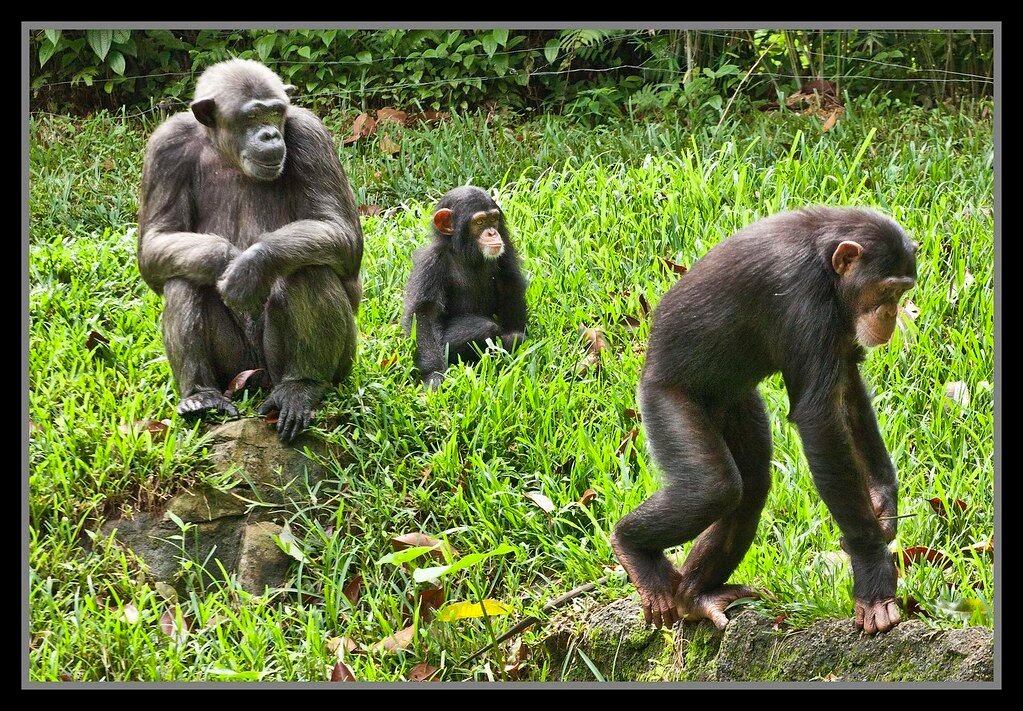
Understanding these signals requires extensive knowledge of chimpanzee behavior.
Misinterpreting communication may increase stress for both humans and animals.
Reproduction
Chimpanzees reach sexual maturity during adolescence.
Breeding introduces additional responsibilities related to:
- Infant care
- Veterinary supervision
- Social management
- Long-term housing
Responsible breeding programs are generally managed by accredited zoological institutions focused on conservation.
Human Health Considerations
Because humans and chimpanzees are closely related, certain diseases can spread between them.
Examples include:
- Respiratory infections
- Influenza
- Gastrointestinal illnesses
Appropriate hygiene and veterinary oversight are essential when humans interact with great apes.
Common Misconceptions
Many myths surround pet chimpanzees.
Myth 1: They stay small.
Reality: Chimpanzees grow into powerful adults.
Myth 2: They behave like children forever.
Reality: Adult chimpanzees develop natural instincts and social behaviors unlike humans.
Myth 3: Love alone is enough.
Reality: Proper care requires specialized facilities, expertise, financial resources, and lifelong commitment.
Myth 4: They enjoy living alone with humans.
Reality: Chimpanzees naturally thrive within communities of their own species.
Better Ways to Appreciate Chimpanzees
People who admire chimpanzees have many meaningful alternatives to private ownership.
These include:
- Visiting accredited zoos.
- Supporting wildlife sanctuaries.
- Donating to conservation organizations.
- Watching ethical wildlife documentaries.
- Learning about primate behavior.
- Participating in conservation education.
These activities help protect chimpanzees while allowing people to appreciate their remarkable abilities.
Responsible Wildlife Conservation
Protecting chimpanzees depends upon preserving their natural habitats and reducing threats to wild populations.
Conservation efforts focus on:
- Forest protection.
- Anti-poaching programs.
- Community education.
- Scientific research.
- Wildlife rescue.
- Sustainable land management.
Public awareness plays an important role in supporting these initiatives.
Conclusion
Chimpanzees are extraordinary animals with remarkable intelligence, emotional depth, and social complexity. Their close relationship to humans has fascinated scientists and animal lovers for generations. However, these same qualities make them unsuitable as household pets.
They require specialized care, secure environments, lifelong social opportunities, expert veterinary attention, and extensive enrichment that private homes generally cannot provide. As they mature, their strength, behavior, and natural instincts create significant welfare and safety challenges.
Rather than keeping chimpanzees as pets, supporting conservation efforts, visiting accredited zoological institutions, and learning about these incredible primates through ethical educational programs are more responsible ways to appreciate them. By protecting their natural habitats and promoting responsible wildlife care, people can help ensure that future generations continue to share the planet with one of our closest living relatives.