
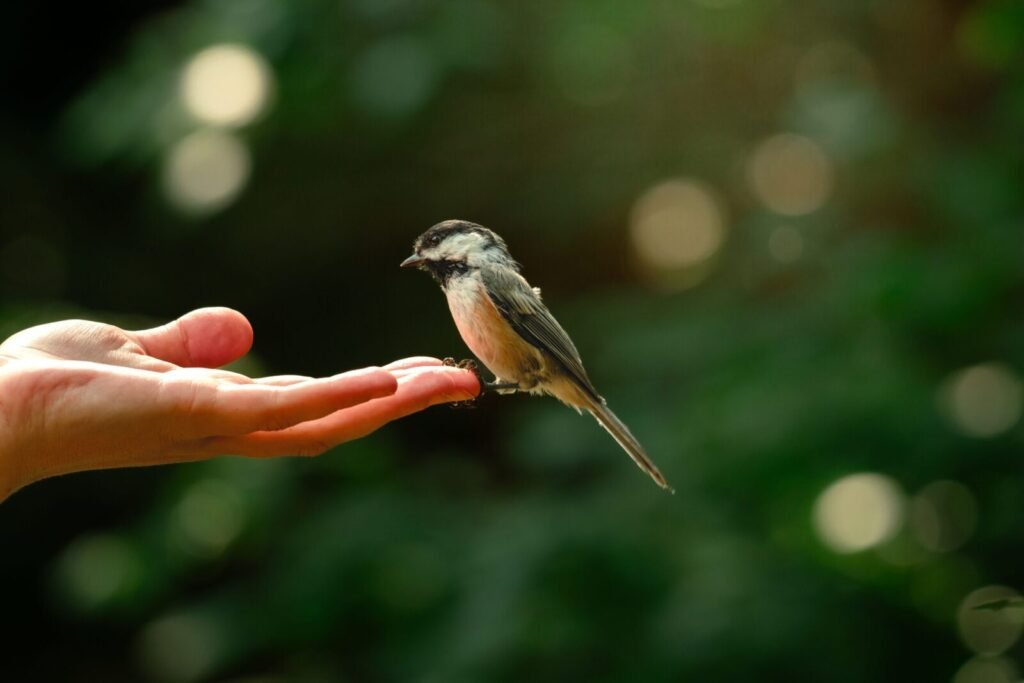

Birds are among the most intelligent, colorful, and fascinating animals kept as pets. Their cheerful songs, unique personalities, and ability to form strong bonds with humans make them wonderful companions for people of all ages. Whether you own a parakeet, cockatiel, canary, finch, lovebird, cockatoo, African grey parrot, or another species, providing proper health care is essential for ensuring a long, active, and fulfilling life. Unlike cats and dogs, birds often hide signs of illness until a disease has become advanced, making preventive care and daily observation especially important. A healthy bird is energetic, curious, and responsive to its surroundings, while poor nutrition, inadequate housing, stress, or neglect can quickly affect its physical and mental well-being.
Caring for a bird involves much more than simply providing food and water. Birds require a balanced diet, clean living conditions, regular exercise, mental stimulation, social interaction, and routine veterinary care to thrive. Each species has unique requirements, but the basic principles of good bird care remain the same. By understanding these needs and establishing a consistent care routine, bird owners can help prevent many common health problems while strengthening the bond they share with their feathered companions.
Understanding Bird Health
A bird’s health depends on a combination of proper nutrition, hygiene, environmental conditions, genetics, and emotional well-being. Birds have fast metabolisms, delicate respiratory systems, and sensitive digestive tracts, making them more vulnerable to environmental changes than many other pets. Even small mistakes in feeding, cage maintenance, or air quality can have significant effects on their health over time.
Healthy birds are generally active throughout the day, showing interest in food, toys, and interaction with their owners. Their feathers remain smooth, colorful, and well-groomed, while their eyes appear bright and alert. Healthy birds breathe quietly without wheezing, maintain a steady appetite, and produce normal droppings. Changes in behavior, appetite, feather condition, or vocalization often provide the earliest warning signs that something may be wrong. Because birds instinctively conceal weakness to avoid appearing vulnerable in the wild, owners should never ignore subtle changes in their daily habits.
Preventive care is one of the most effective ways to protect bird health. Maintaining a clean environment, feeding a nutritionally complete diet, minimizing stress, and scheduling routine veterinary examinations all contribute to disease prevention. Rather than waiting until a bird becomes visibly sick, responsible owners focus on supporting long-term wellness through consistent daily care.
The Importance of Proper Nutrition
Nutrition is one of the most important factors influencing a bird’s overall health and lifespan. Every cell, organ, feather, and muscle depends on a steady supply of nutrients to function properly. Birds fed poor-quality diets may develop vitamin deficiencies, obesity, weakened immune systems, feather disorders, liver disease, and reproductive problems. Conversely, a balanced diet provides the energy and nutrients needed for healthy growth, strong immunity, vibrant feathers, and normal body functions.
Many people mistakenly believe that birds can survive on seeds alone. While seeds are enjoyed by many species, an all-seed diet often contains excessive fat while lacking essential vitamins, minerals, amino acids, and other nutrients. Over time, seed-only diets may contribute to obesity, malnutrition, and chronic disease. Instead, birds benefit from a varied diet that combines specially formulated pellets with fresh vegetables, fruits, grains, and occasional healthy treats. This variety more closely resembles the diverse foods many bird species consume in their natural habitats.
The exact nutritional requirements differ among species. Small birds such as finches and canaries have different dietary needs than larger parrots, while nectar-feeding species require specialized nutrition. Researching the specific dietary needs of your bird species helps ensure that it receives appropriate nourishment throughout its life.
Choosing the Right Foods
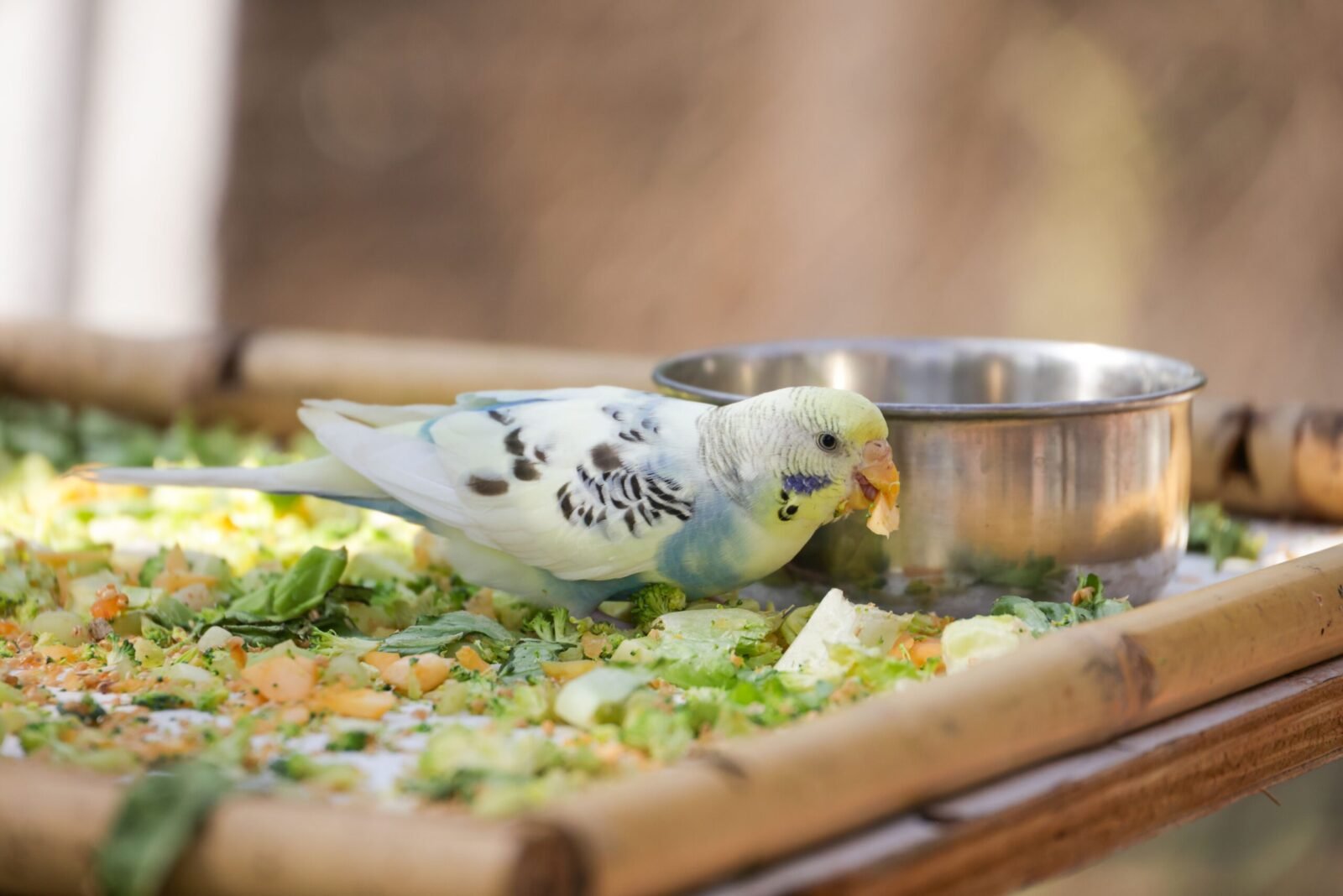
A balanced diet begins with selecting high-quality food designed specifically for your bird’s species. Formulated pellets are often recommended because they provide a carefully balanced combination of proteins, carbohydrates, healthy fats, vitamins, and minerals. Unlike seed mixes, pellets reduce selective feeding, where birds consume only their favorite ingredients while leaving behind more nutritious foods.
Fresh vegetables should make up an important part of a healthy bird’s diet. Leafy greens such as kale, spinach, romaine lettuce, and bok choy provide valuable vitamins and minerals. Carrots, broccoli, bell peppers, peas, green beans, squash, and sweet potatoes also offer excellent nutritional value. These vegetables contain antioxidants that support the immune system and help protect the body’s cells from damage.
Fresh fruits provide natural vitamins and can be offered in moderation because of their sugar content. Apples without seeds, bananas, berries, grapes, melons, mangoes, papayas, pears, and oranges are popular choices for many pet birds. Offering a variety of fruits encourages natural foraging behavior while adding enrichment to daily feeding routines. All fruits and vegetables should be washed thoroughly before serving to remove dirt and pesticide residues.
Whole grains such as cooked brown rice, quinoa, barley, oats, and whole-grain pasta can provide additional nutrients and dietary variety. Some birds also enjoy cooked legumes, including lentils and beans, which supply plant-based protein and fiber. Any cooked foods should be served plain without added salt, sugar, butter, or seasonings.
Foods That Should Be Avoided
While many human foods are safe in moderation, several common foods are toxic or potentially dangerous for birds. Avocados contain persin, a substance that can cause serious heart and respiratory problems in many bird species. Chocolate contains theobromine and caffeine, both of which are highly toxic and may lead to seizures or death. Alcohol should never be given to birds because even small amounts can severely affect their nervous system and liver.
Caffeinated beverages such as coffee, tea, and energy drinks should also be avoided. Onions, garlic, excessive salt, sugary snacks, fried foods, and highly processed foods are unsuitable for birds because they can damage internal organs and contribute to long-term health problems. Fruit seeds and pits from apples, cherries, peaches, apricots, and similar fruits may contain compounds that are harmful if consumed and should always be removed before feeding.
Owners should also be cautious when allowing birds to explore kitchens, where exposure to non-stick cookware fumes, cleaning chemicals, smoke, and certain household plants can present hidden dangers. Creating a safe environment is just as important as providing proper nutrition.
Clean Water and Hydration
Fresh, clean water is essential for every bird regardless of species or age. Water supports digestion, regulates body temperature, transports nutrients, and helps remove waste products from the body. Because birds have rapid metabolisms, dehydration can develop quickly if clean water is unavailable. Water containers should be cleaned thoroughly each day to prevent the growth of bacteria, algae, and mold. During hot weather or periods of increased activity, owners should check water supplies more frequently to ensure birds remain well hydrated.
Many birds also enjoy bathing, which helps keep feathers clean and supports healthy skin. Some species prefer shallow dishes of water, while others enjoy gentle misting with clean water. Regular bathing removes dust, dirt, and loose feathers while encouraging natural preening behavior that keeps feathers in excellent condition. Bathing also provides mental stimulation and can be an enjoyable part of a bird’s daily routine.
Creating a Safe and Comfortable Living Environment
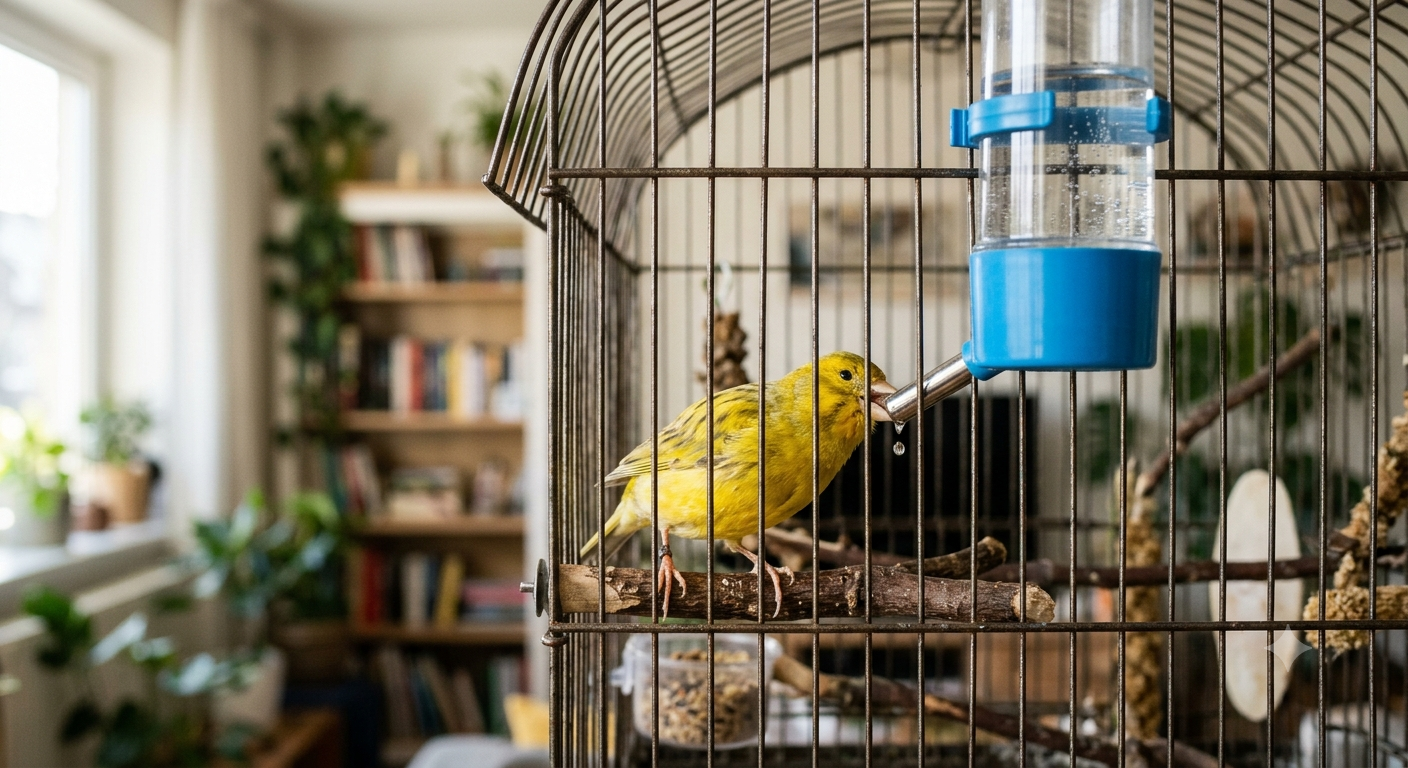
A bird’s cage serves as both its home and its place of security, making proper housing essential for physical and emotional well-being. The cage should be large enough to allow the bird to fully stretch its wings, climb comfortably, and move freely between perches without restriction. Birds that spend long periods confined to small cages may develop obesity, muscle weakness, feather damage, stress, and behavioral problems.
Perches of varying diameters and natural materials help exercise the feet and reduce pressure points that can contribute to foot disorders. Placing food and water dishes away from perches helps keep them clean, while toys, swings, and climbing structures encourage activity and mental engagement. The cage should be positioned in a well-lit area away from direct drafts, air conditioners, kitchens, and cigarette smoke. Birds enjoy observing household activity but also need quiet periods for rest, making a balanced location ideal.
Regular cleaning of the cage is essential for disease prevention. Cage liners should be replaced frequently, food dishes washed daily, and perches cleaned regularly to reduce bacterial growth. A clean environment minimizes exposure to harmful microorganisms while providing a healthier and more comfortable home for your feathered companion.
Exercise and Mental Stimulation
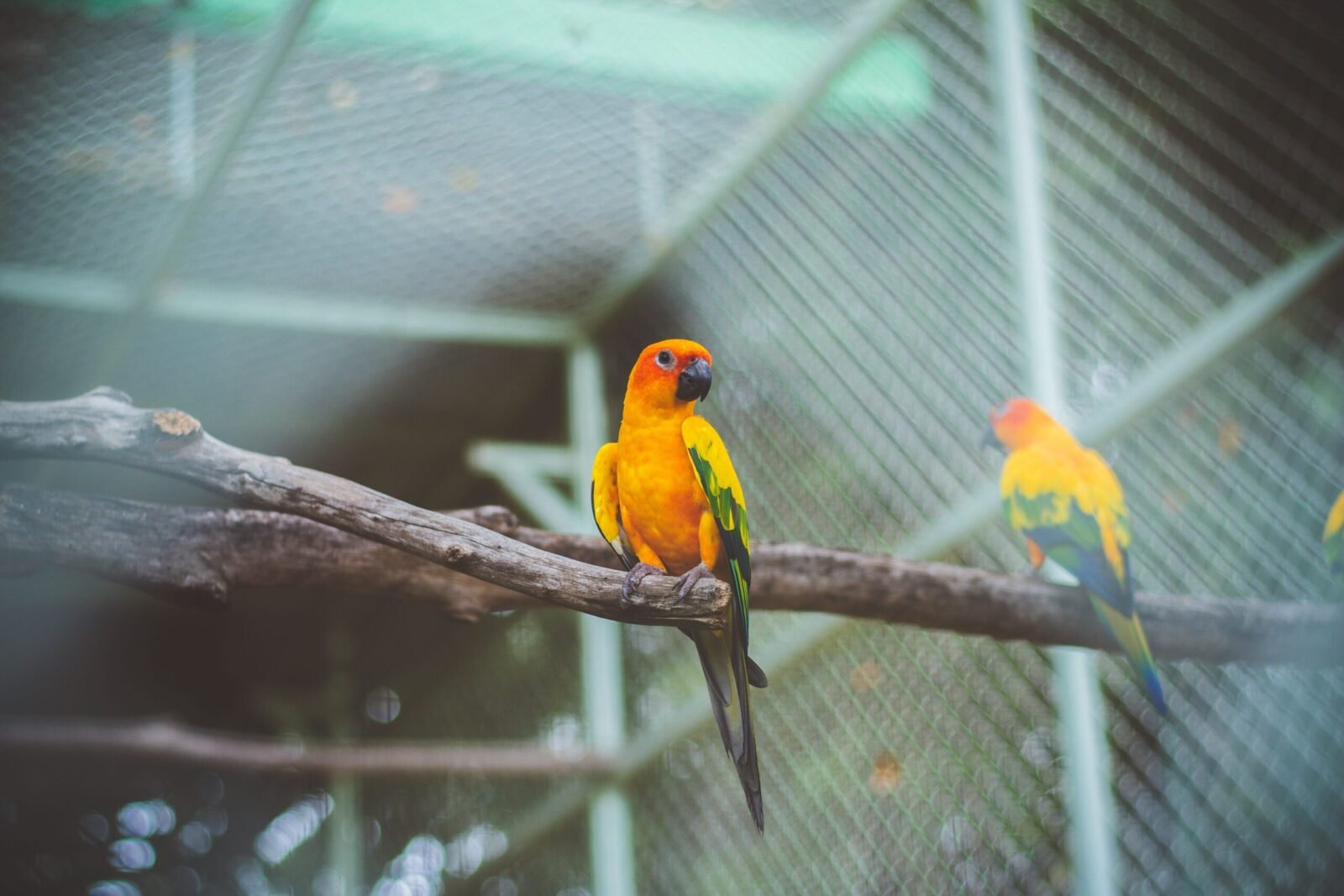
Exercise plays a vital role in maintaining a bird’s physical and mental health. In the wild, birds spend much of their day flying, climbing, searching for food, and interacting with other birds. Pet birds that remain confined to their cages for long periods without opportunities for movement may become overweight, develop weak muscles, and experience boredom or frustration. Providing daily opportunities for exercise helps improve cardiovascular health, strengthens muscles, supports healthy weight management, and reduces the likelihood of behavioral problems such as feather plucking or excessive screaming.
Whenever it is safe to do so, birds should be allowed supervised time outside their cages in a bird-proof room. Windows and mirrors should be covered or clearly marked to prevent collisions, ceiling fans should be turned off, and hazardous items such as electrical cords, open containers of water, toxic plants, and other pets should be kept away. Flying, climbing, and exploring provide important physical activity while satisfying a bird’s natural curiosity. For birds with clipped wings, climbing structures, ladders, ropes, and play gyms encourage movement and exercise without requiring flight.
Mental stimulation is equally important because birds are highly intelligent animals that require regular enrichment. Without enough stimulation, many species become bored and may develop destructive habits or emotional stress. Providing a variety of safe toys helps encourage natural behaviors such as chewing, climbing, problem-solving, and foraging. Rotating toys every few weeks keeps the environment interesting and prevents boredom. Puzzle feeders and foraging toys encourage birds to work for their food, closely mimicking their natural behavior in the wild. Spending time talking, training, or simply interacting with your bird each day also strengthens the bond between bird and owner while providing valuable mental exercise.
Grooming and Feather Care
Healthy feathers are essential for insulation, flight, communication, and protection from environmental conditions. Birds naturally spend a significant portion of their day preening, a behavior that helps remove dirt, align feathers, and spread natural oils throughout their plumage. Owners should encourage this natural behavior by providing opportunities for regular bathing through shallow dishes of clean water or gentle misting, depending on the bird’s preference. Bathing helps maintain feather quality, reduces dust accumulation, and supports healthy skin.
During certain times of the year, birds undergo molting, a natural process in which old feathers are shed and replaced with new ones. Molting may temporarily make birds appear less active because producing new feathers requires significant energy and nutrients. During this period, birds benefit from a balanced diet rich in protein, vitamins, and minerals to support healthy feather growth. Owners should avoid handling birds excessively during heavy molts if they appear uncomfortable, as new feathers can be sensitive while developing.
Beak and nail health are also important aspects of grooming. A healthy bird usually wears down its beak naturally through eating and chewing on appropriate toys or natural branches. Nails may require occasional trimming if they become excessively long and interfere with walking or perching. Because improper trimming can cause injury or bleeding, many owners prefer to have this procedure performed by an experienced avian veterinarian or trained professional.
Recognizing Signs of Illness
Birds often conceal signs of illness because displaying weakness in the wild may attract predators. As a result, owners must carefully observe their birds every day for subtle changes in appearance or behavior. Early detection significantly improves the chances of successful treatment, making daily observation one of the most valuable aspects of responsible bird ownership.
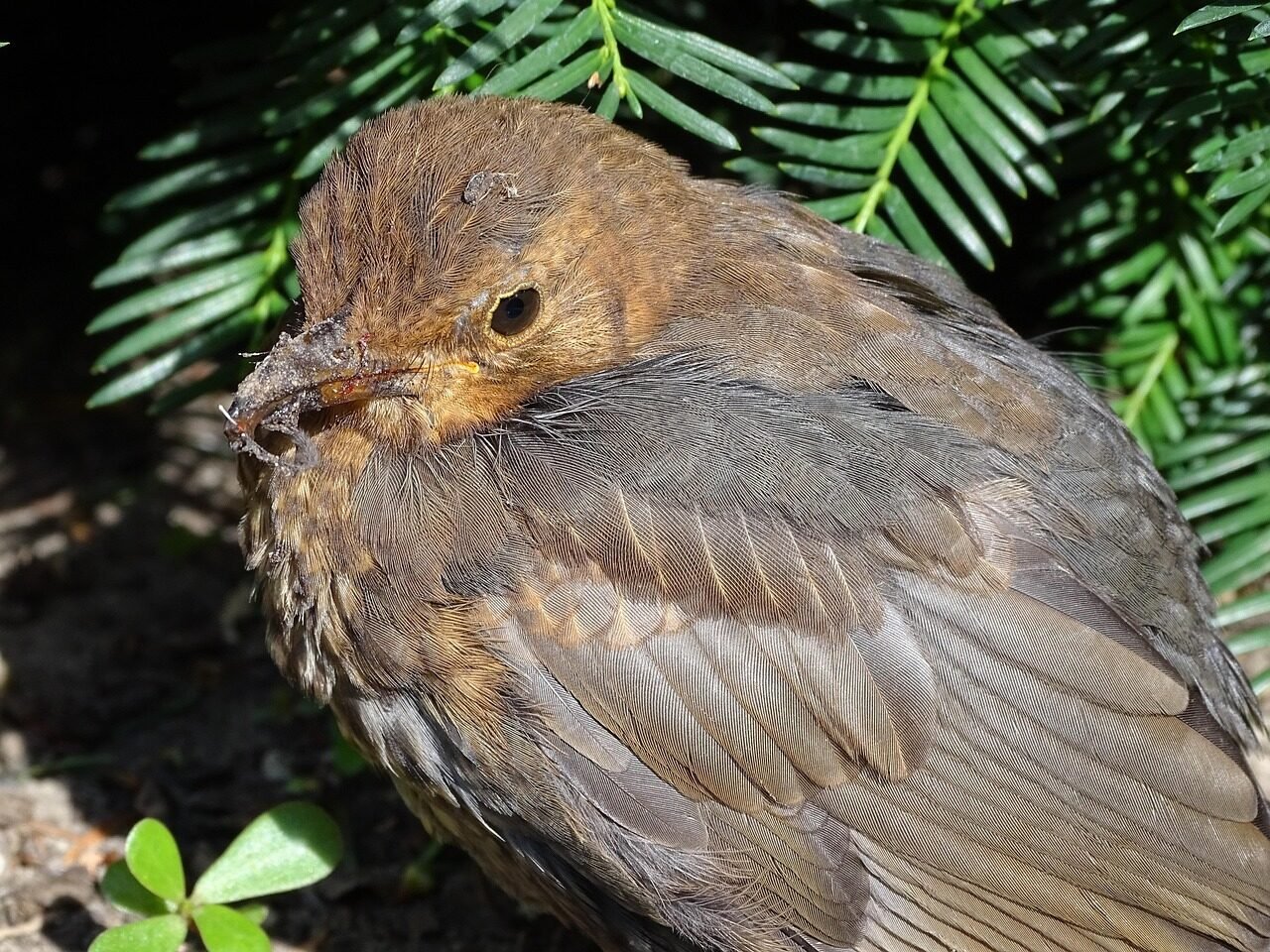
A healthy bird is usually alert, active, vocal according to its normal personality, and interested in eating and interacting with its surroundings. Changes such as reduced appetite, unusual sleepiness, puffed-up feathers, weight loss, difficulty breathing, discharge from the eyes or nostrils, changes in droppings, decreased activity, or sitting at the bottom of the cage may indicate illness. Feather plucking, sudden aggression, loss of balance, or reluctance to move can also signal underlying medical or psychological problems. Any unusual symptoms that persist for more than a short period should be evaluated by an avian veterinarian as soon as possible.
Monitoring body weight is another effective way to identify health problems before obvious symptoms appear. Regularly weighing birds using a digital gram scale allows owners to detect gradual weight loss that may otherwise go unnoticed beneath feathers. Even small changes in body weight can indicate developing illness and should not be ignored.
Common Health Problems in Pet Birds
Although many diseases can be prevented through proper care, birds remain susceptible to a variety of health conditions. Nutritional deficiencies are among the most common problems, particularly in birds fed seed-only diets. Deficiencies of vitamin A and calcium can weaken the immune system, affect vision, impair bone development, and contribute to reproductive disorders. Providing a balanced diet helps prevent many of these issues.
Respiratory diseases are another significant concern because birds possess highly sensitive respiratory systems. Poor ventilation, exposure to smoke, aerosol sprays, scented candles, strong cleaning products, and fumes from overheated non-stick cookware can severely damage a bird’s lungs and air sacs. Maintaining clean air within the home is essential for protecting respiratory health.
Parasites, bacterial infections, fungal infections, and viral diseases may also affect pet birds. Some conditions spread easily between birds, making quarantine important whenever introducing a new bird into a household. Regular cage cleaning, proper hygiene, and routine veterinary examinations reduce the risk of infectious diseases.
Obesity has become increasingly common among companion birds that receive high-fat diets while engaging in limited physical activity. Excess body weight increases the risk of fatty liver disease, cardiovascular problems, arthritis, and reduced lifespan. Balanced nutrition combined with daily exercise helps maintain a healthy body condition throughout life.
The Importance of Regular Veterinary Care
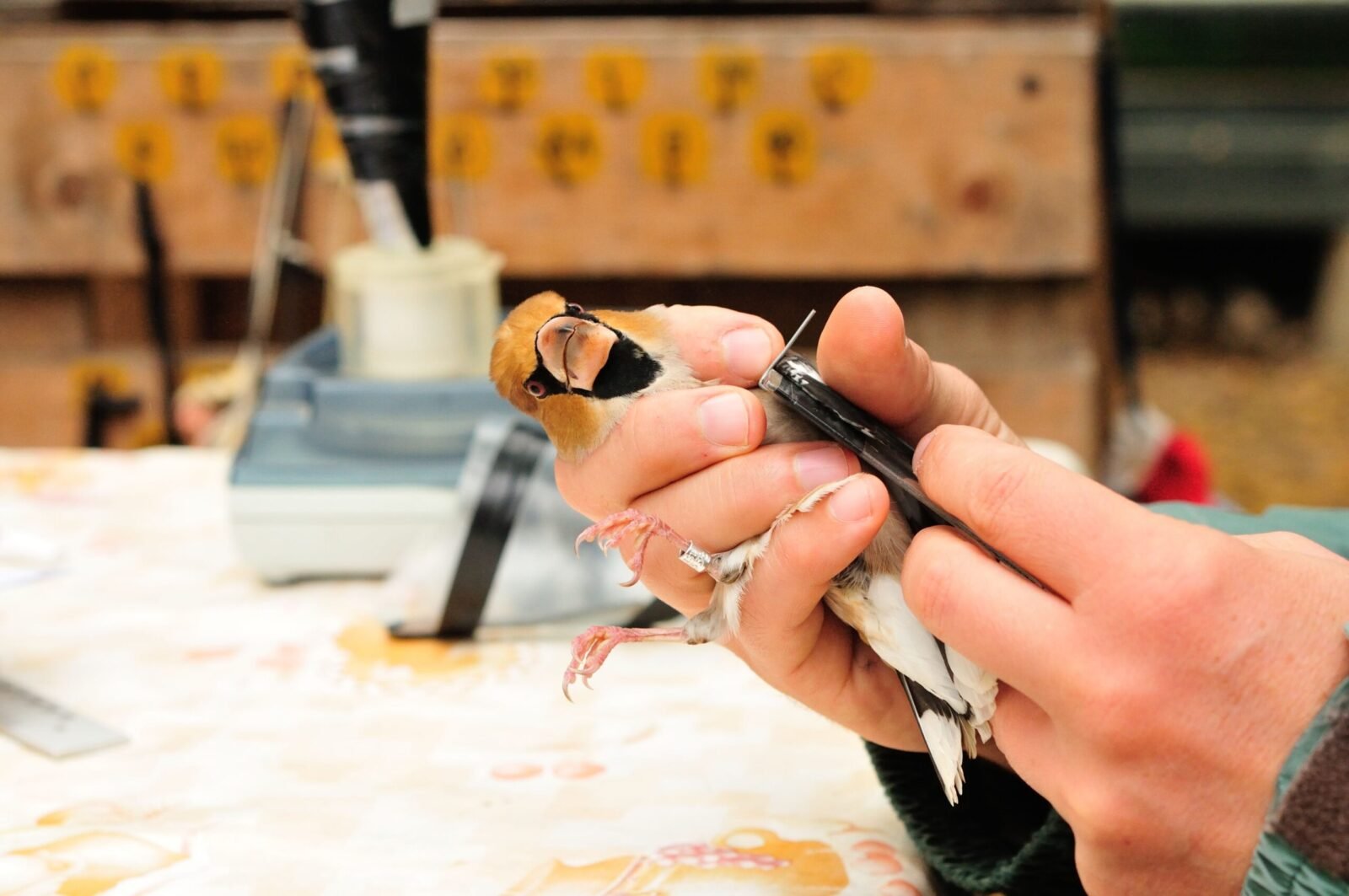
Routine veterinary care is one of the most effective investments owners can make in their bird’s long-term health. Many illnesses develop gradually and may not produce obvious symptoms until they become advanced. Regular examinations allow veterinarians to identify potential problems early, recommend dietary adjustments, perform health screenings, and provide guidance tailored to each bird’s species and age.
Annual wellness examinations are recommended for most healthy adult birds, while young, elderly, or medically compromised birds may require more frequent visits. During these appointments, veterinarians evaluate body condition, feather quality, beak and nail health, weight, breathing, and overall physical condition. Diagnostic tests such as blood work or fecal examinations may be recommended when necessary to detect hidden illnesses before they become serious.
Owners should establish a relationship with an avian veterinarian before emergencies arise. Having access to professional advice allows illnesses to be addressed promptly and increases the likelihood of successful treatment if unexpected health problems occur.
Reducing Stress for Better Health
Stress affects both the physical and emotional health of birds. Sudden changes in routine, loud noises, overcrowding, isolation, poor handling, or inadequate sleep can weaken the immune system and contribute to behavioral problems. Birds thrive on consistency and generally feel more secure when daily routines remain predictable.
Providing approximately ten to twelve hours of uninterrupted sleep each night supports healthy immune function and emotional well-being. Covering the cage or placing it in a quiet, dark area during sleeping hours may help birds rest more comfortably. Gentle handling, regular interaction, positive reinforcement training, and patience encourage trust while reducing anxiety.
Social species benefit greatly from daily companionship with their owners or compatible bird companions when appropriate. Talking, singing, training, and interactive play all contribute to emotional enrichment and help prevent loneliness. A bird that feels secure and mentally stimulated is generally healthier, more confident, and better able to resist disease.
Preventive Care for a Long and Healthy Life
The best approach to bird health focuses on prevention rather than treatment. A nutritious diet, fresh water, regular exercise, mental stimulation, proper hygiene, and routine veterinary care work together to reduce the risk of many common diseases. Careful observation allows owners to recognize subtle changes before they become serious health concerns, while maintaining a clean and safe environment protects birds from unnecessary hazards.
Building healthy daily habits not only improves physical well-being but also strengthens the relationship between birds and their owners. With consistent attention and compassionate care, many companion birds can enjoy long, active lives filled with curiosity, playfulness, and companionship. Understanding their unique needs is the first step toward providing the quality of care they deserve and ensuring they remain healthy members of the family for many years to come.