 By Admin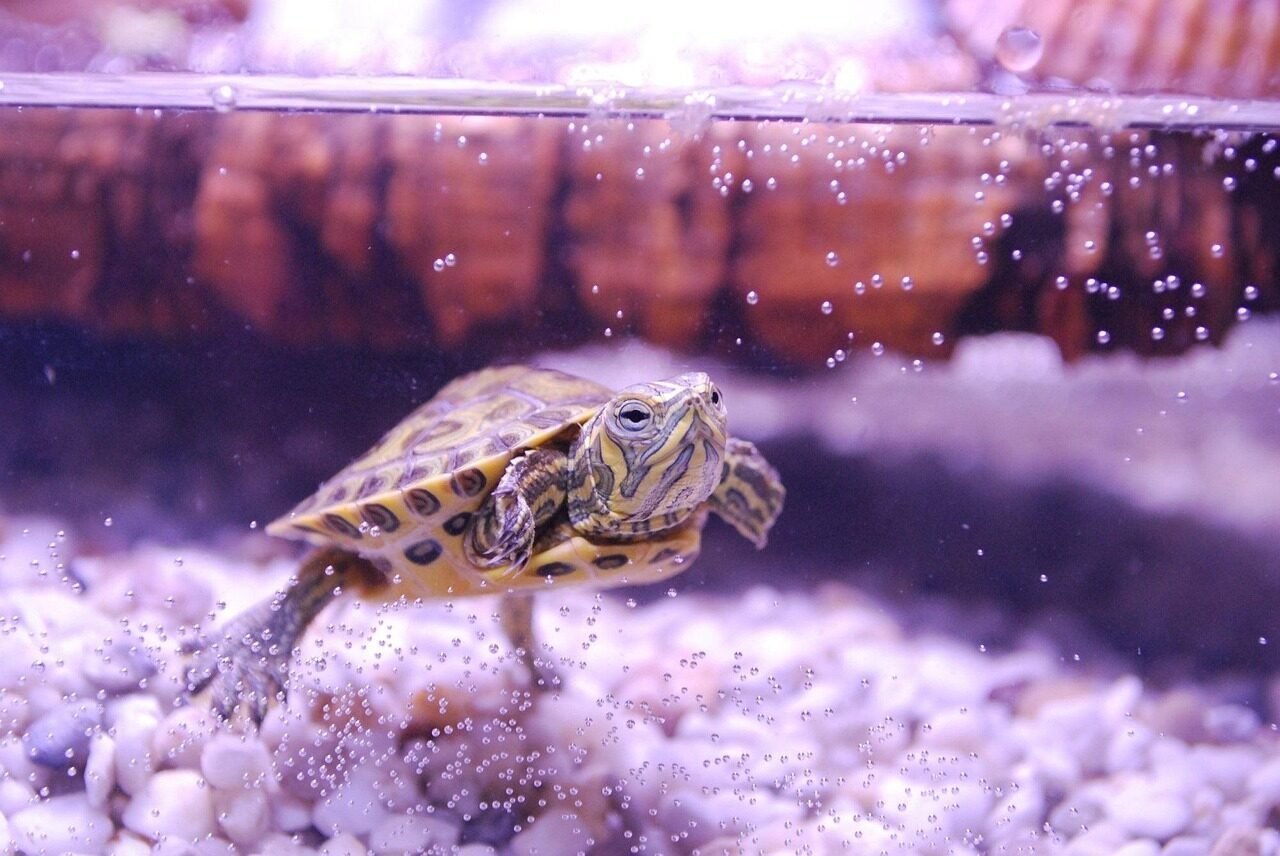
There’s something almost hypnotic about watching a turtle move. No rush, no wasted motion, just a slow, deliberate confidence that makes you wonder if they know something the rest of us don’t. Maybe that’s part of why turtles have stayed popular as pets for generations — they’re calm, they’re low-drama, and they carry this ancient, prehistoric look that feels genuinely different from any cat or dog you’ll ever own.
But here’s the thing most people don’t realize until they’ve already brought one home: turtles are a lot more work than the “low-maintenance pet” reputation suggests. They’re not goldfish. They’re not something you can toss in a bowl and forget about. A healthy pet turtle needs the right tank setup, the right diet, the right temperature gradient, and — this is the part that surprises new owners the most — a real, multi-decade commitment. Some turtle species can outlive their owners.
If you’re thinking about getting a pet turtle, or you already have one and want to make sure you’re doing right by it, this guide walks through everything: the species you’re likely to encounter, what they eat, how to keep them healthy, how to set up their housing, what their temperament is actually like, and an honest look at whether a turtle is the right pet for your life right now.
Species Background: Which Turtle Is Right for You?
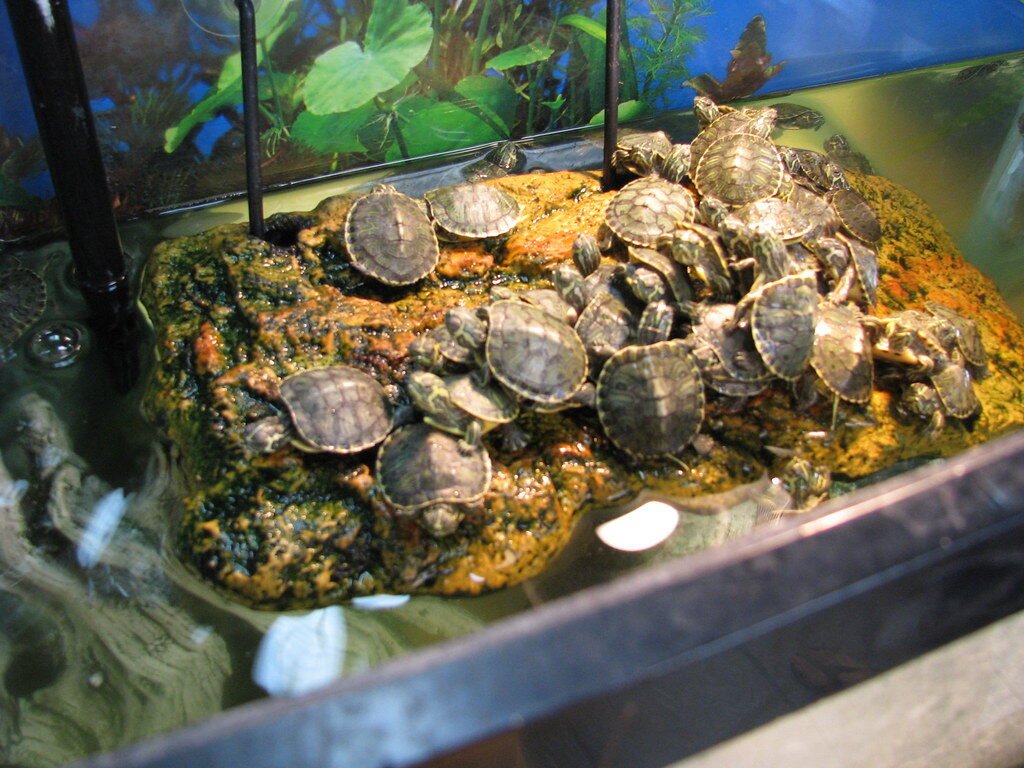
“Turtle” isn’t one animal — it’s a huge umbrella covering hundreds of species, and the differences between them matter a lot when you’re deciding what to bring home. Some stay small and manageable. Others grow into 30-pound tank-busters that need a literal pond. Here are the species you’re most likely to run into at a pet store or from a reputable breeder.
Red-Eared Slider
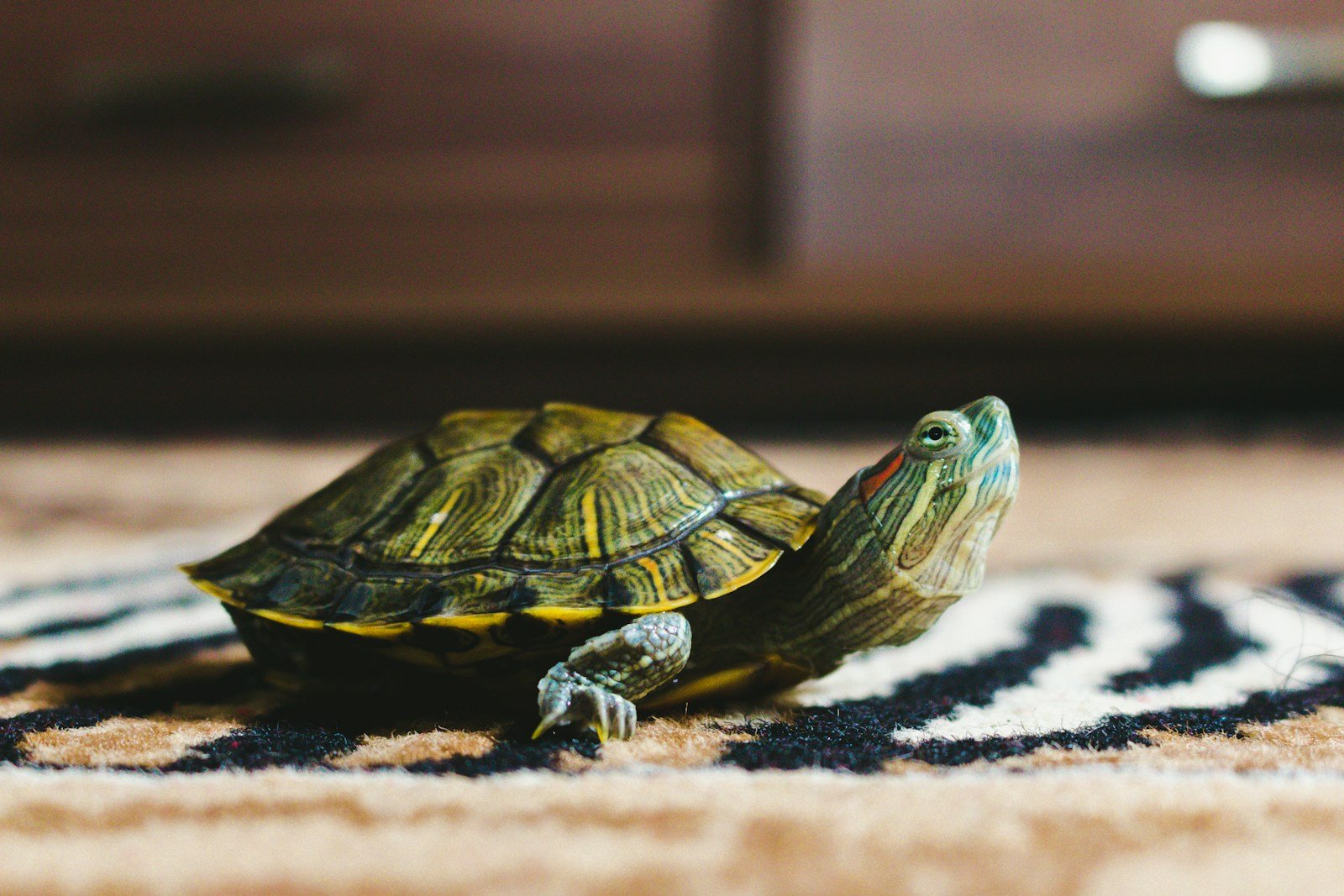
This is the turtle most people picture when they hear the word “pet turtle.” Named for the small red stripe behind each eye, red-eared sliders are hardy, active, and inexpensive, which is exactly why they’ve become the most commonly kept turtle in the world. They’re also, unfortunately, one of the most commonly abandoned pets, because people underestimate how big they get. A red-eared slider can reach 10 to 12 inches in shell length and needs a serious amount of swimming space as an adult. They’re semi-aquatic, meaning they spend most of their life in water but need to climb out and bask under a heat lamp regularly.
Painted Turtle
Native to North America, painted turtles are known for the bright red, orange, and yellow markings along the edges of their shells — hence the name. They’re a bit smaller than red-eared sliders, typically topping out around 6 to 10 inches, and they have a similar semi-aquatic lifestyle. Painted turtles are known for being a little shyer and more skittish than sliders, especially early on, though most settle down with consistent, gentle handling over time.
Map Turtle
Map turtles get their name from the intricate, contour-line-like patterns etched into their shells, which really do resemble a topographic map. They’re strong swimmers and need deep water with a good current or filtration system to feel comfortable. Female map turtles grow significantly larger than males — sometimes double the size — which is something to keep in mind if you’re planning tank space around a female.
Box Turtle
Unlike the species above, box turtles are terrestrial, not aquatic. They spend their lives on land, in soil, leaf litter, and humid enclosures rather than swimming tanks. Their name comes from their hinged plastron (bottom shell), which lets them close up almost completely inside their shell when threatened. Box turtles have a lot of personality and are often described as more “interactive” than aquatic species, but they’re also notoriously difficult to keep healthy long-term in captivity if their humidity and UVB needs aren’t met precisely.
Musk Turtle (Common Musk Turtle / “Stinkpot”)
If you want an aquatic turtle but don’t have room for a giant tank, musk turtles are worth a look. They stay small — usually under 5 inches — and don’t need nearly as much basking space as sliders or painted turtles, since they’re not big baskers by nature. Their nickname, “stinkpot,” comes from a musky odor they can release when they feel threatened, though this is rare with turtles that are handled calmly and consistently.
Russian Tortoise (Often Grouped With Pet Turtles)
Technically a tortoise rather than a turtle, Russian tortoises get lumped into “pet turtle” searches constantly, so it’s worth mentioning. They’re fully terrestrial, small, hardy, and popular with people who want the turtle aesthetic without the aquarium maintenance. If land-based care sounds more appealing to you than tank cleaning, a tortoise might genuinely be a better fit than an aquatic turtle.
Before you commit to any species, look up its full adult size and expected lifespan, not just what it looks like as a hatchling. Almost every turtle species sold as a small, cute juvenile grows into something considerably bigger, and that growth is the single biggest reason turtles end up surrendered to rescues.
Feeding: What Do Pet Turtles Actually Eat?
Turtle diets vary a fair amount by species, but most commonly kept aquatic turtles are omnivores, meaning they need a mix of animal protein and plant matter to stay healthy. Getting this balance right is one of the most important parts of turtle ownership, and it’s also one of the areas where new owners most often get it wrong.
Commercial Turtle Pellets
A good-quality commercial turtle pellet should form the base of the diet for most aquatic species. Look for pellets specifically formulated for the type of turtle you own, since aquatic turtle food and tortoise food are not interchangeable. Pellets are convenient and nutritionally balanced, but they shouldn’t be the only thing your turtle eats — variety matters, both for nutrition and for mental stimulation.
Protein Sources
Young, growing turtles need more protein than adults, since they’re building shell and skeletal structure quickly. Good protein sources include:
- Feeder fish (guppies, minnows) in moderation
- Cooked chicken or turkey, unseasoned and cut small
- Earthworms and bloodworms
- Crickets and mealworms (especially valuable for box turtles)
- Freeze-dried shrimp, used more as an occasional treat than a staple
As turtles mature, most species need less protein and more plant matter to avoid excess weight gain and shell problems related to overly rich diets.
Vegetables and Plant Matter
Leafy greens are essential, especially for adult turtles. Good choices include collard greens, mustard greens, dandelion greens, and romaine lettuce. Some owners also offer shredded carrots, squash, or bell peppers as occasional additions. Avoid iceberg lettuce entirely — it has almost no nutritional value and can cause digestive upset if it becomes a dietary staple.
Aquatic plants like duckweed, water lettuce, and anacharis are great additions to a tank because turtles can graze on them naturally throughout the day, which mimics how they’d forage in the wild.
Calcium Is Non-Negotiable
Turtles need calcium for healthy shell and bone development, and a diet lacking it is one of the most common causes of metabolic bone disease, a serious and often irreversible condition. Cuttlebone left in the enclosure gives turtles a source they can gnaw on as needed, and calcium powder can be lightly dusted over food a few times a week. This becomes especially important for turtles that aren’t getting adequate UVB exposure, since UVB light is what allows turtles to actually process and use dietary calcium.
Feeding Schedule
Juvenile turtles typically need to eat once a day, while adults often do well on a schedule of every other day, or three to four times a week, depending on species and activity level. Overfeeding is extremely common in pet turtles and leads to obesity, fatty liver disease, and shell deformities. As a general guideline, offer only what your turtle can finish within about 15 minutes, and remove uneaten food promptly to keep water quality from degrading.
Health: Recognizing and Preventing Common Problems
Turtles are hardy animals by nature, but captivity introduces risks that don’t exist in the wild, and turtles are notoriously good at masking illness until it’s fairly advanced. Knowing what healthy looks like — and catching problems early — makes a huge difference in outcomes.
Shell Health
A healthy turtle shell should be firm, free of soft spots, and free of any foul odor. Shell rot, caused by bacterial or fungal infection, often starts as discoloration or a slightly mushy texture and can spread quickly if untreated. Poor water quality is the most common cause, which is why consistent tank cleaning and filtration matter so much. Pyramiding — where the shell scutes grow upward into pyramid-like bumps instead of lying flat — is usually linked to excess protein in the diet combined with inadequate UVB or calcium, and while it’s not always dangerous, it does indicate something in the husbandry needs adjusting.
Respiratory Infections
Turtles kept in water that’s too cold, or in enclosures without a proper basking spot to fully dry off, are prone to respiratory infections. Signs include wheezing, bubbles from the nose or mouth, lethargy, and swollen eyes. This is one of the more urgent turtle health issues — if you notice these symptoms, a reptile vet visit shouldn’t be delayed, since respiratory infections in turtles can progress quickly.
Metabolic Bone Disease (MBD)
Mentioned above under feeding, MBD deserves its own note here because it’s one of the most preventable yet common health issues in captive turtles. It results from a combination of inadequate calcium, inadequate UVB exposure, and imbalanced phosphorus levels. Symptoms include a soft or misshapen shell, swollen limbs, and difficulty moving normally. Prevention — proper UVB lighting, calcium supplementation, and a balanced diet — is far easier than treatment.
Eye and Ear Infections
Vitamin A deficiency is a common cause of swollen eyes in pet turtles, sometimes called “swollen eye syndrome.” It’s usually linked to a diet too heavy in protein and too light in vegetables. Ear infections show up as swelling on the sides of the head and typically require veterinary drainage and antibiotics.
Finding a Vet
Not every vet treats reptiles, so it’s worth locating an exotic or reptile-specialized vet before you actually need one in an emergency. A basic wellness checkup once a year is a good habit, especially for aquatic species where water quality issues can sneak up gradually.
Housing: Setting Up a Tank Turtles Can Actually Thrive In
This is where a lot of turtle care either succeeds or falls apart. Turtle enclosures need more infrastructure than most new owners expect, and skimping here is the fastest route to a sick or stressed animal.
Tank Size
The old “10 gallons per inch of shell” rule is a reasonable starting point, but bigger is always better with turtles. A single adult red-eared slider realistically needs a 75- to 100-gallon tank, and that’s on the smaller end for a full-grown adult. Many experienced keepers eventually move aquatic turtles to outdoor ponds once climate allows, simply because indoor tanks large enough for a full-grown turtle become impractical.
Water Quality and Filtration
Aquatic turtles are messy. They eat in the water, and they produce a lot of waste, so filtration needs to be significantly more powerful than what you’d use for fish alone. A canister filter rated for two to three times your tank’s actual volume is a common recommendation. Partial water changes every one to two weeks help keep ammonia and nitrate levels in check, even with strong filtration running.
Basking Area
Every aquatic and semi-aquatic turtle needs a dry basking spot they can climb onto completely out of the water. This can be a floating dock, a stacked rock formation, or a built-in ledge, but it needs to support the turtle’s full weight without collapsing or flipping. Basking is essential — it’s how turtles regulate body temperature and dry out their shells to prevent fungal and bacterial growth.
Lighting and Temperature
Turtles need three things from their lighting setup: a basking heat lamp, a UVB bulb, and (in some setups) a separate light for visibility. The basking spot should typically sit between 85 and 95°F depending on species, while the water temperature should stay in the mid-70s to low 80s. UVB lighting is not optional — it’s what allows turtles to synthesize vitamin D3 and properly metabolize calcium, and bulbs need to be replaced roughly every six months even if they still appear to be working, since UVB output degrades well before the visible light does.
Substrate and Decor
Bare-bottom tanks are the easiest to keep clean and are popular for exactly that reason, especially for larger aquatic species. Some keepers prefer a layer of large river rocks or sand, but anything small enough to be swallowed should be avoided. Live or artificial plants, driftwood, and rock formations give the tank a more natural feel and give the turtle places to explore, which matters more for their wellbeing than people often assume.
Terrestrial Setups (Box Turtles and Tortoises)
For land-dwelling species, the priorities shift toward humidity and substrate depth rather than water and filtration. A mix of coconut coir, sphagnum moss, and leaf litter, kept consistently moist, mimics a natural forest floor. Box turtles in particular are prone to drying out and developing shell and respiratory issues if humidity isn’t maintained properly, so a hygrometer in the enclosure is a worthwhile investment.
Temperament: What Are Pet Turtles Actually Like to Own?
Turtles aren’t cuddly, and they’re never going to greet you at the door the way a dog would. But that doesn’t mean they’re personality-free — anyone who’s kept one for a while will tell you turtles absolutely have distinct temperaments, and they do seem to recognize the person who feeds them regularly.
Most aquatic turtles become noticeably more confident over time, often approaching the front of the tank when they see their owner coming, in what looks a lot like anticipation of food. Some individuals tolerate gentle handling well; others clearly prefer to be watched rather than picked up, and it’s worth respecting that rather than forcing interaction. Turtles can experience genuine stress from excessive handling, which shows up as hiding, reduced appetite, or retreating into the shell more than usual.
Box turtles tend to show more visible personality than aquatic species — they’re often described as curious, food-motivated, and willing to explore an enclosure actively rather than sitting still for long stretches. Individual variation is real here too; some box turtles are bold explorers from day one, while others take months to feel secure enough to move around normally in a new home.
One thing that surprises new owners: turtles are smarter than they get credit for. Several studies and plenty of anecdotal keeper experience suggest turtles can learn to recognize their owners, associate certain sounds or times of day with feeding, and even navigate simple mazes. They’re not a “set it and forget it” pet in terms of engagement, even if their daily care routine is more predictable than a dog’s.
The Honest Ownership Assessment
Here’s the part that matters most, and the part potential owners least want to hear: turtles are a serious, long-term commitment, and the mismatch between expectation and reality is exactly why so many end up in rescues or released illegally into local ponds and waterways (which, by the way, is both harmful to local ecosystems and illegal in many places).
Lifespan is the biggest factor. Red-eared sliders commonly live 20 to 30 years in captivity. Box turtles can live even longer — 40, 50, sometimes over 100 years with excellent care. This isn’t a pet you’re getting for the next phase of your life; it’s a pet that may outlive multiple phases of your life, possibly including your ownership of a home, several jobs, and in some cases, you. Anyone bringing home a turtle needs a real plan for what happens to that animal decades from now.
Size is the second biggest surprise. That quarter-sized hatchling slider at the pet store grows into a dinner-plate-sized adult that needs a tank the size of a piece of furniture. If you don’t have the space — realistically, physically, permanently — for a 75-plus gallon tank, an aquatic species probably isn’t right for you, and a smaller species or a tortoise deserves more consideration.
Ongoing costs add up. Between filtration equipment, UVB and heat bulbs that need regular replacement, electricity for running lights and heaters continuously, vet visits, and food, turtle ownership isn’t the “cheap pet” reputation many people assume going in. The upfront cost of the animal itself is often the smallest expense across its lifetime.
Turtles are not beginner-friendly despite their reputation. The husbandry requirements — precise UVB, precise temperatures, water quality management, calcium balance — mean a turtle kept poorly can suffer for years without an inexperienced owner even realizing something is wrong, since turtles hide illness so well. This isn’t a pet where “good enough” care is actually good enough.
That said, for the right person, a turtle is a genuinely rewarding animal to keep. If you’re someone who enjoys steady routines, finds satisfaction in maintaining an aquarium ecosystem, and is looking for a pet that will be part of your life for decades rather than years, a turtle can be an incredible companion. They’re quiet, they don’t need daily walks, they don’t destroy furniture, and watching one thrive in a well-built habitat is its own kind of reward.
The honest bottom line: get a turtle because you’ve genuinely thought through the decades-long commitment, the space requirements, and the ongoing cost — not because a hatchling looked cute in a pet store tank. Do that research first, build the right setup before the turtle comes home rather than after, and you’ll end up with one of the most interesting, low-drama, long-lived pets you can own.