 By Admin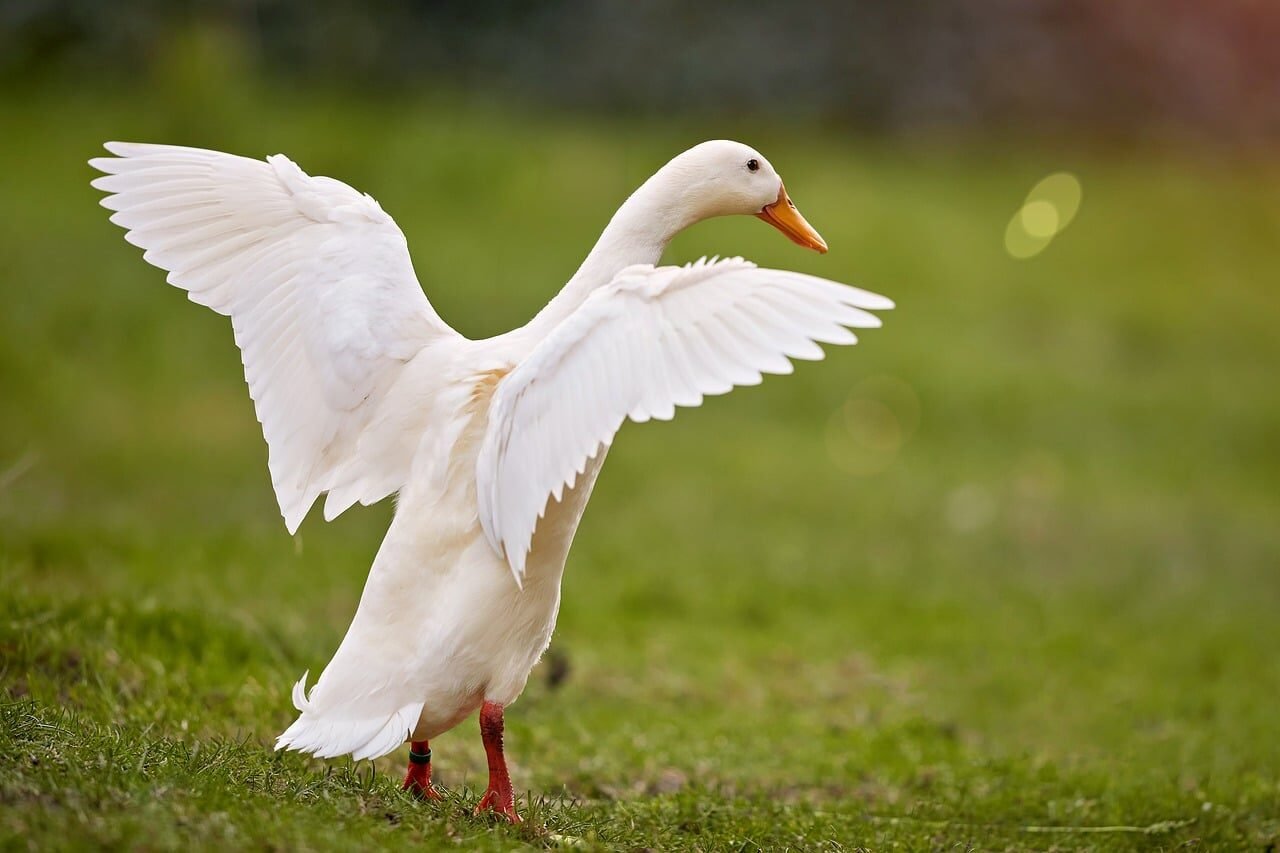
Ducks have become one of the most popular alternatives to backyard chickens, and it’s easy to see why. They’re social, entertaining, relatively hardy, and bring a different kind of charm to a backyard flock, complete with waddling gaits, contented quacking, and a genuine enthusiasm for water. But ducks are not simply “wet chickens,” and prospective owners need to understand their distinct needs before bringing a few ducklings home. This guide covers everything from species background to feeding, health, housing, temperament, and a realistic assessment of daily duck ownership.
Species Background
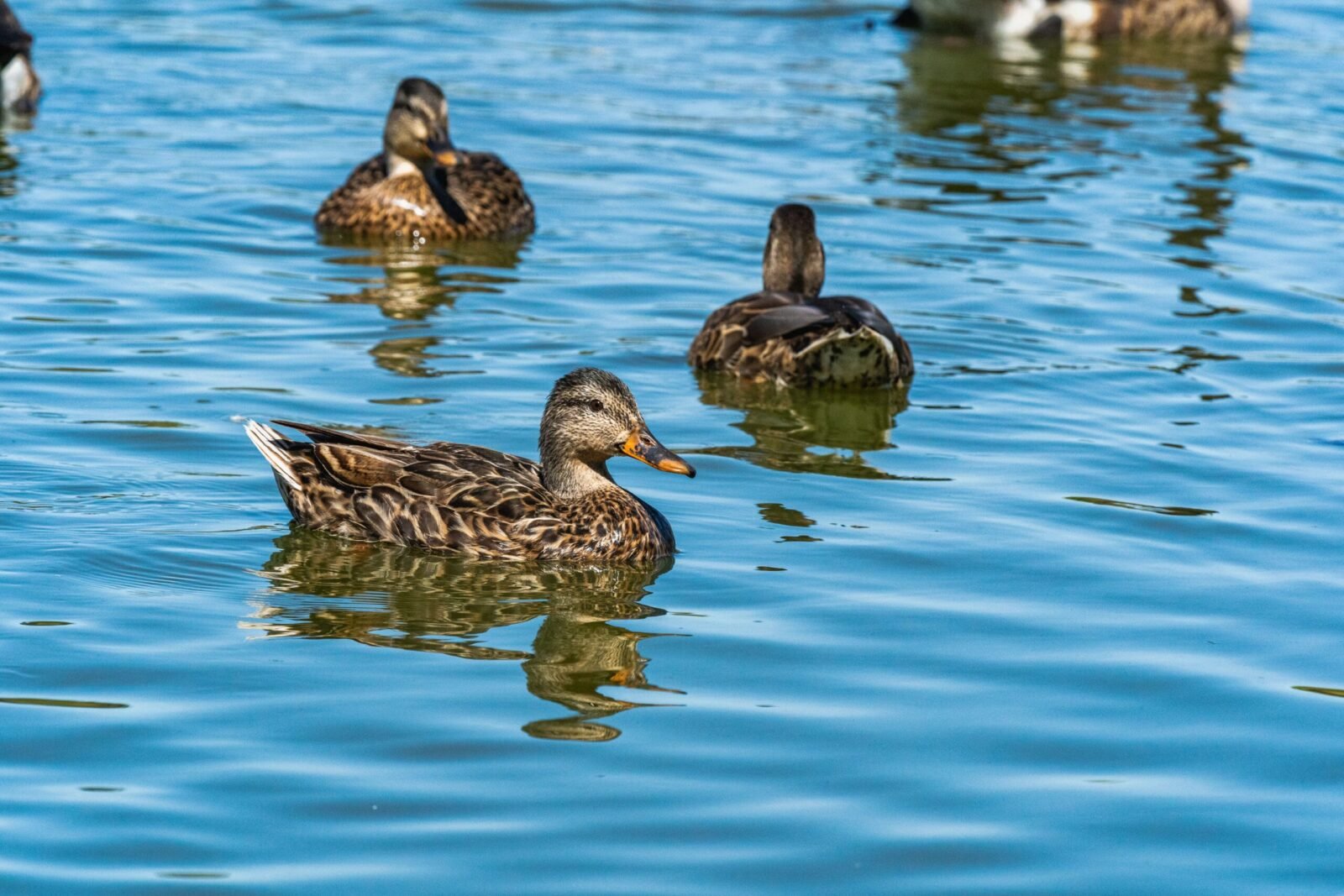
The domestic duck kept as a backyard pet in most of the world descends primarily from the mallard (Anas platyrhynchos), with the notable exception of the Muscovy duck (Cairina moschata), which comes from a completely different lineage native to Central and South America. This distinction matters because Muscovies have different behavior, vocalizations, and even different numbers of toes compared to mallard-derived breeds, and the two types generally cannot interbreed to produce fertile offspring.
Ducks have been domesticated for thousands of years, valued historically for eggs, meat, down, and pest control in rice paddies and gardens. Breeds popular today for backyard and companion purposes include the Pekin, a large white breed known for its calm and friendly temperament; the Khaki Campbell, prized for exceptional egg production; the Indian Runner, an upright, bowling-pin-shaped breed known for its comical posture and excellent foraging ability; and the Muscovy, a quieter, larger breed often chosen by owners who want a duck that doesn’t quack loudly.
Ducks are considerably faster to mature than chickens, reaching a good portion of their adult size within a couple of months, though full maturity and egg-laying onset typically arrive around five to seven months of age depending on breed. A well-cared-for duck can live anywhere from 8 to 12 years, with some individuals living even longer, meaning duck ownership is a solid decade-long commitment rather than a short-term project.
Physically, ducks are built for their semi-aquatic lifestyle. Their webbed feet, waterproof feathers coated in oil from a gland near the tail, and dense layer of down make them well suited to wet environments, while their flattened bills, lined with comb-like structures called lamellae, allow them to filter food from water and mud efficiently.
Feeding
Ducks have nutritional needs that differ meaningfully from chickens, and feeding them an unmodified chicken feed can actually create health problems over time. The most important distinction is niacin. Ducklings in particular need significantly more niacin than chicks do, and a deficiency can cause leg and joint problems that affect them for life. Many owners supplement chick starter with brewer’s yeast or use a feed specifically formulated for waterfowl to ensure ducklings get adequate niacin during this critical growth period.
Adult ducks do well on a balanced waterfowl or all-flock feed, generally containing around 16 to 18 percent protein for maintenance, with laying females benefiting from a slightly higher protein, higher calcium formulation similar to layer feed, alongside free-choice oyster shell for calcium supplementation to support eggshell quality.
Ducks are enthusiastic foragers and will happily supplement their diet with slugs, snails, insects, worms, and green vegetation when given access to pasture or a garden area, which also makes them popular as a natural pest control option for gardeners. Kitchen scraps like leafy greens, peas, corn, and chopped vegetables make good occasional treats, though anything salty, sugary, or containing onion or avocado should be avoided, as these can be harmful.
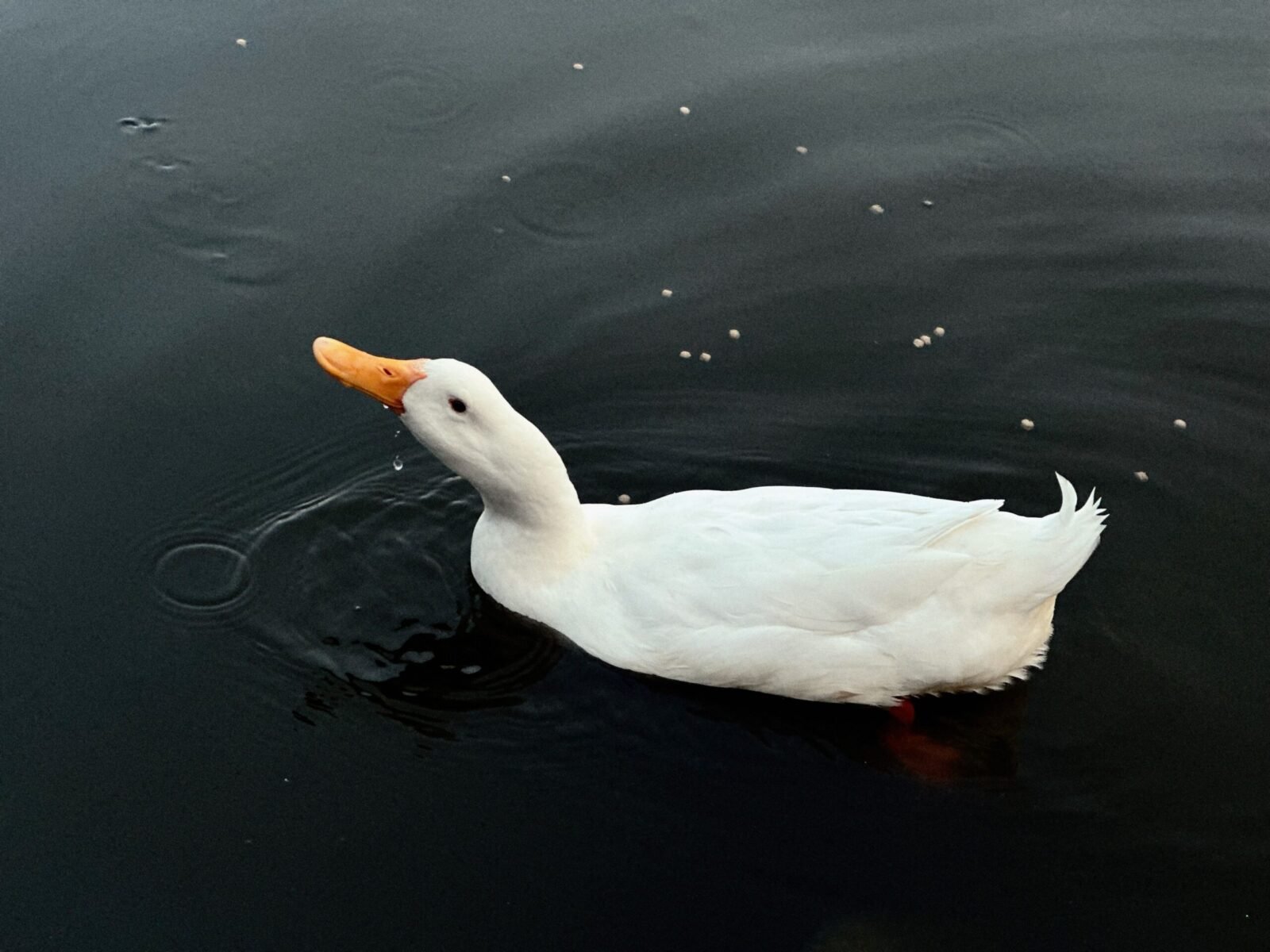
Water access during feeding deserves special attention that many new owners overlook. Ducks need access to water deep enough to dunk their entire bill and head while eating, since they use water to help clear food and clean their nostrils, and lacking this can lead to sinus infections or choking. A simple waterer designed so a duck can submerge its head, changed frequently since ducks are notoriously messy drinkers, solves most of this problem.
Grit is another feeding essential, since ducks lack teeth and rely on small stones held in their gizzard to grind food. Free-range ducks on natural ground usually pick up enough grit on their own, but ducks in more controlled environments should have access to a commercial poultry grit supply.
Health
Ducks are generally hardy, disease-resistant birds compared to chickens, but there are several health areas that deserve consistent attention.
Bumblefoot, a bacterial infection of the foot pad, can occur in ducks kept on hard or abrasive surfaces, though it’s less common in ducks than chickens due to their softer, webbed feet. Providing soft bedding and clean, dry areas to walk reduces this risk considerably.
Angel wing is a developmental deformity where the wing feathers twist outward rather than lying flat against the body, most commonly caused by excess protein or calories combined with insufficient exercise during the rapid growth phase of ducklinghood. Feeding an appropriately balanced diet rather than an overly rich one, and giving ducklings plenty of room to move, helps prevent this condition.
Parasites, both internal worms and external mites or lice, affect ducks less severely than chickens in many cases, but routine monitoring and a relationship with a vet experienced in waterfowl remain important, particularly for flocks kept on the same ground year after year.
Egg binding can occur in laying females, similar to chickens, and is more likely in overweight ducks or those with calcium deficiencies, making balanced nutrition especially important for laying breeds.
Water quality matters more for duck health than most new owners expect. Stagnant, dirty pond or kiddie-pool water can become a breeding ground for bacteria and parasites that cause eye and respiratory infections, so regular water changes are as much a health measure as a hygiene one.
Predator awareness deserves mention here too, since ducks are more vulnerable to predation than many people assume. Raccoons, foxes, hawks, and even large dogs pose real threats, and ducks’ relatively poor low-light vision compared to some other birds means secure nighttime housing is a genuine health and safety necessity, not just a convenience.
Because ducks mask illness well as a prey species instinct, subtle changes in appetite, activity level, or droppings should never be dismissed, and finding a vet with poultry or waterfowl experience before an emergency arises is a wise step for any new owner.
Housing
Ducks need less floor space per bird than chickens generally require, but they have their own particular housing priorities centered around water access, protection from predators, and adequate ventilation.
A secure, predator-proof coop or house is essential, and unlike chickens, ducks don’t perch, so their housing needs a solid, easily cleaned floor rather than roosting bars. About 4 square feet of indoor space per duck is a reasonable minimum, with more being better, especially in regions with harsh winters where ducks may spend extended periods indoors.
Bedding of straw or wood shavings works well, and because ducks are considerably messier than chickens due to their wet bills and enthusiasm for splashing, bedding needs more frequent changing to prevent ammonia buildup and damp conditions that can lead to respiratory problems.
Outdoor run space should allow at least 10 to 15 square feet per duck, ideally more, with secure fencing that accounts for the fact that most domestic duck breeds, particularly heavier ones like Pekins, cannot fly and don’t need tall fencing to prevent escape, though predator-proofing from the outside remains critical.
Water features are really what set duck housing apart from chicken housing. While ducks don’t strictly need a full pond, they benefit enormously from some form of water they can dunk into, whether that’s a kiddie pool, a livestock trough, or a purpose-built small pond. This water supports their overall health, including eye and nostril cleanliness, feather maintenance, and mating behavior for breeds that do reproduce naturally. Whatever water feature is chosen, easy draining and refilling makes a huge practical difference, since duck pool water gets dirty remarkably fast.
Nesting areas for laying females should be simple, low, straw-lined spaces at ground level, since ducks lay on the ground rather than in elevated nest boxes the way chickens typically do.
Temperament
Ducks are widely considered to have wonderfully social, low-drama personalities, and this is a major part of their appeal as companion animals. They tend to be curious, food-motivated, and often surprisingly affectionate toward the people who feed and care for them regularly, with many ducks following their owners around the yard and showing clear excitement at feeding time.
Ducks are strongly flock-oriented and should never be kept alone. A solitary duck is a stressed, unhappy duck, and most owners keep a minimum of two to three ducks to satisfy this social need. Interestingly, ducks often integrate well with chicken flocks, though they have somewhat different needs around water and diet that require some accommodation even in mixed setups.
Vocally, ducks vary quite a bit by breed and sex. Female mallard-derived ducks are known for their classic, fairly loud quack, while males of most breeds have a notably quieter, raspier voice. Muscovy ducks are largely silent, communicating mostly through hisses and low grunting sounds rather than quacking at all, which makes them a popular choice for owners with noise-sensitive neighbors.
Ducks are also known for distinct individual personalities. Some are bold and food-driven, walking right up to visitors, while others remain more reserved and cautious. With regular, gentle handling from a young age, many ducks become quite comfortable with human interaction, including being picked up and held, though as a general rule ducks are less inclined toward physical affection than some other companion birds and are happiest simply being nearby rather than constantly handled.
Males can become territorial, particularly during breeding season, and in flocks with an imbalanced ratio of males to females, excessive mating behavior can cause stress and physical harm to females. Most experts recommend keeping no more than one male for every four to five females, or opting for an all-female flock if egg production and companionship, rather than breeding, are the primary goals.
Realistic Ownership Assessment
Duck ownership brings real rewards, but a few practical realities deserve honest consideration before bringing ducklings home.
Mess is the first thing almost every duck owner mentions. Ducks are considerably messier than chickens, both in their water habits and their droppings, and any area they frequent will need more regular cleaning than a comparable chicken setup.
Water management is an ongoing daily task rather than a one-time setup decision. Whatever water feature is chosen, it needs regular draining, refilling, and cleaning, and this becomes a genuine part of the daily or near-daily care routine rather than an occasional chore.
The flock requirement means new owners are really committing to at least two or three ducks, not one, since solitary ducks experience real distress. This affects space, feed costs, and housing size right from the planning stage.
Noise considerations matter for anyone in suburban settings or with close neighbors, particularly with female mallard-derived breeds known for louder quacking, though choosing quieter breeds like Muscovies or opting for a male-heavy flock can help manage this concern.
Local regulations should always be checked before acquiring ducks, since some municipalities restrict or ban keeping poultry and waterfowl within city limits, and rules can differ significantly even between neighboring towns.
Egg production is a genuine bonus for many owners, since duck eggs are larger and richer than chicken eggs, with many bakers specifically seeking them out for their superior binding qualities in baked goods, and productive breeds like Khaki Campbells can lay close to an egg a day during peak season.
Time investment is moderate, involving daily feeding, water changes, and periodic coop cleaning, with additional seasonal tasks like winterizing water sources in colder climates to prevent freezing.
For the right household, especially those with some outdoor space, an interest in natural garden pest control, and an appreciation for a genuinely entertaining, food-motivated animal, ducks make wonderfully rewarding pets. They ask for a bit more water-related upkeep than chickens but reward that effort with rich personalities, excellent eggs, and the simple daily entertainment of watching a flock of ducks go about their business in the yard.
Good Information Thanks