 By Admin
If you’ve ever pictured the perfect family dog, chances are a Golden Retriever came to mind — that sunny, feathered coat, the gentle eyes, and the tail that never seems to stop wagging. Golden Retrievers have earned their place as one of the most beloved dog breeds in the world, and for good reason. They’re intelligent, affectionate, endlessly patient with children, and eager to please their humans in almost everything they do.
But behind that friendly face is a breed with specific needs, a rich history, and a temperament that — while wonderful — isn’t automatically the right fit for every household. Whether you’re considering bringing a Golden Retriever puppy home or you already share your life with one, this guide covers everything you need to know: origins, physical traits, feeding, health, housing, temperament, and an honest look at what ownership really involves.
A Brief History of the Golden Retriever
The Golden Retriever’s story begins in the Scottish Highlands during the mid-1800s. Lord Tweedmouth, a Scottish nobleman named Dudley Marjoribanks, wanted a dog that could retrieve waterfowl from both land and water without damaging the birds — a common problem with the retrieving breeds available at the time. He began a careful breeding program combining a yellow-coated Wavy-Coated Retriever with the now-extinct Tweed Water Spaniel, later adding in Irish Setter, Bloodhound, and additional Wavy-Coated Retriever bloodlines.
The result was a dog with a soft mouth for carrying game, a water-resistant double coat, and an unusually cooperative temperament. By the early 1900s, Golden Retrievers had made their way to North America, and the breed was officially recognized by the American Kennel Club in 1925. Since then, their popularity has only grown, and today they consistently rank among the top breeds for families, service work, and therapy dogs in the United States and around the world.

Physical Characteristics
Golden Retrievers are medium-to-large sporting dogs built for stamina and athleticism rather than raw power. Adult males typically stand 23 to 24 inches at the shoulder and weigh between 65 and 75 pounds, while females run slightly smaller, at 21.5 to 22.5 inches and 55 to 65 pounds.
Their most recognizable feature is, of course, the coat — a dense, water-repellent double coat that comes in shades ranging from light cream to a rich, dark gold. The outer coat is straight or wavy, while the undercoat is soft and thick, providing insulation in cold water and cooler climates. Feathering appears on the backs of the legs, the underbelly, and the tail, giving the breed its elegant, flowing look.
Golden Retrievers have broad heads, friendly dark brown eyes, and drop ears that sit close to the head. Their tails are thick at the base and taper toward the tip, typically carried level with the back or with a slight upward curve. Overall, the breed has a balanced, athletic build that reflects its working origins as a retrieving gun dog.
Temperament and Personality
If there’s one word that defines the Golden Retriever’s personality, it’s “eager.” Eager to please, eager to play, eager to be wherever their people are. This breed was developed to work closely alongside hunters, and that cooperative instinct has translated into one of the most people-oriented temperaments in the dog world.
Golden Retrievers are famously good with children, showing a patience and gentleness that has made them a go-to recommendation for families for generations. They tend to be tolerant of the noise, unpredictability, and occasional roughhousing that comes with kids, though as with any breed, interactions between dogs and young children should always be supervised.
They’re also highly social with other dogs and generally welcoming toward strangers — which makes them wonderful companions but not particularly effective guard dogs. A Golden Retriever is far more likely to greet an intruder with a wagging tail and a fetched toy than a bark of warning.
Intelligence is another hallmark of the breed. Golden Retrievers consistently rank among the smartest dog breeds, particularly in terms of “obedience and working intelligence” — the ability to learn and execute commands. This makes them highly trainable, and it’s part of why they excel in roles like guide dogs, search-and-rescue dogs, therapy animals, and competitive obedience.
That intelligence comes with a need for mental stimulation, though. A bored Golden Retriever can become destructive, vocal, or anxious, so this isn’t a breed that thrives being left alone for long stretches with nothing to do.
Exercise and Mental Stimulation Needs
Golden Retrievers were bred for a full day’s work in the field, and that heritage shows up in their exercise requirements. Most adult Goldens need at least 60 to 90 minutes of physical activity daily, split across walks, play sessions, and — ideally — some form of retrieving game, since fetching is quite literally in their genetic blueprint.
Swimming is another activity many Golden Retrievers take to naturally, thanks to their water-resistant coat and webbed feet. A trip to a dog-friendly lake or a backyard kiddie pool can be an excellent outlet for energy, especially in warmer months.
Beyond physical exercise, Golden Retrievers benefit enormously from mental enrichment. Puzzle toys, scent work, obedience training, and dog sports like agility or dock diving all tap into their intelligence and eagerness to work alongside their owner. Without this combination of physical and mental engagement, even a well-behaved Golden can develop problem behaviors born out of boredom rather than any inherent temperament issue.
Feeding and Nutrition
Feeding a Golden Retriever well means paying attention to both quality and quantity, since this breed has a well-documented tendency toward weight gain and a genuine love of food that can work against them if left unchecked.
Puppies (up to about 12–15 months) should be fed a high-quality large-breed puppy formula. Large-breed puppy foods are formulated with controlled calcium and phosphorus levels and a moderated calorie density to support steady, healthy bone and joint growth. Growing too quickly can put extra stress on developing joints, so avoid free-feeding or overfeeding during this stage. Puppies typically eat three to four small meals a day, tapering to two meals by adulthood.
Adult Golden Retrievers generally do well on a high-quality commercial diet formulated for medium-to-large breeds, with protein as a primary ingredient. A typical adult Golden eats somewhere between 2 and 3 cups of dry food daily, split into two meals, though exact amounts vary depending on age, activity level, and metabolism. Working or highly active Goldens may need more; less active or older dogs need less.
Senior Golden Retrievers (generally 7+ years) often benefit from a formula with adjusted calorie content, added joint support like glucosamine and chondroitin, and easily digestible proteins to support aging systems.
A few feeding considerations specific to the breed:
- Watch the treats. Golden Retrievers’ food motivation makes them easy to train but also easy to overfeed. Keep treats to no more than 10% of daily caloric intake.
- Slow feeders help. Many Goldens eat quickly, which can contribute to bloating or gastric discomfort. Slow-feed bowls or puzzle feeders can help pace mealtimes.
- Fresh water, always. Given their activity levels, especially in warm weather, Golden Retrievers need constant access to clean water.
- Avoid toxic foods. As with all dogs, keep chocolate, grapes, raisins, onions, garlic, and xylitol (a common sugar substitute) well out of reach.
If you notice unexplained weight gain, lethargy, or changes in coat quality, a conversation with your veterinarian about diet adjustment is worthwhile, since obesity significantly increases the risk of joint problems in a breed already prone to them.
Grooming Needs
That gorgeous golden coat doesn’t maintain itself. Golden Retrievers are moderate-to-heavy shedders, and most owners will tell you that some amount of fur on the furniture is simply part of life with this breed. They typically “blow their coat” seasonally — usually in spring and fall — with heavier shedding during these periods.
Routine grooming should include:
- Brushing 2–3 times per week (daily during heavy shedding seasons) using a slicker brush and undercoat rake to prevent matting and reduce loose hair around the house.
- Bathing every 6–8 weeks, or as needed if your dog has been swimming or rolling in something they shouldn’t have.
- Ear checks weekly. The Golden Retriever’s floppy ears create a warm, moist environment that’s prone to infection, so regular checks and occasional cleaning are important preventive care.
- Nail trims every 3–4 weeks, or as needed based on activity level and how quickly nails wear down naturally.
- Teeth brushing 2–3 times per week to support dental health and prevent tartar buildup.
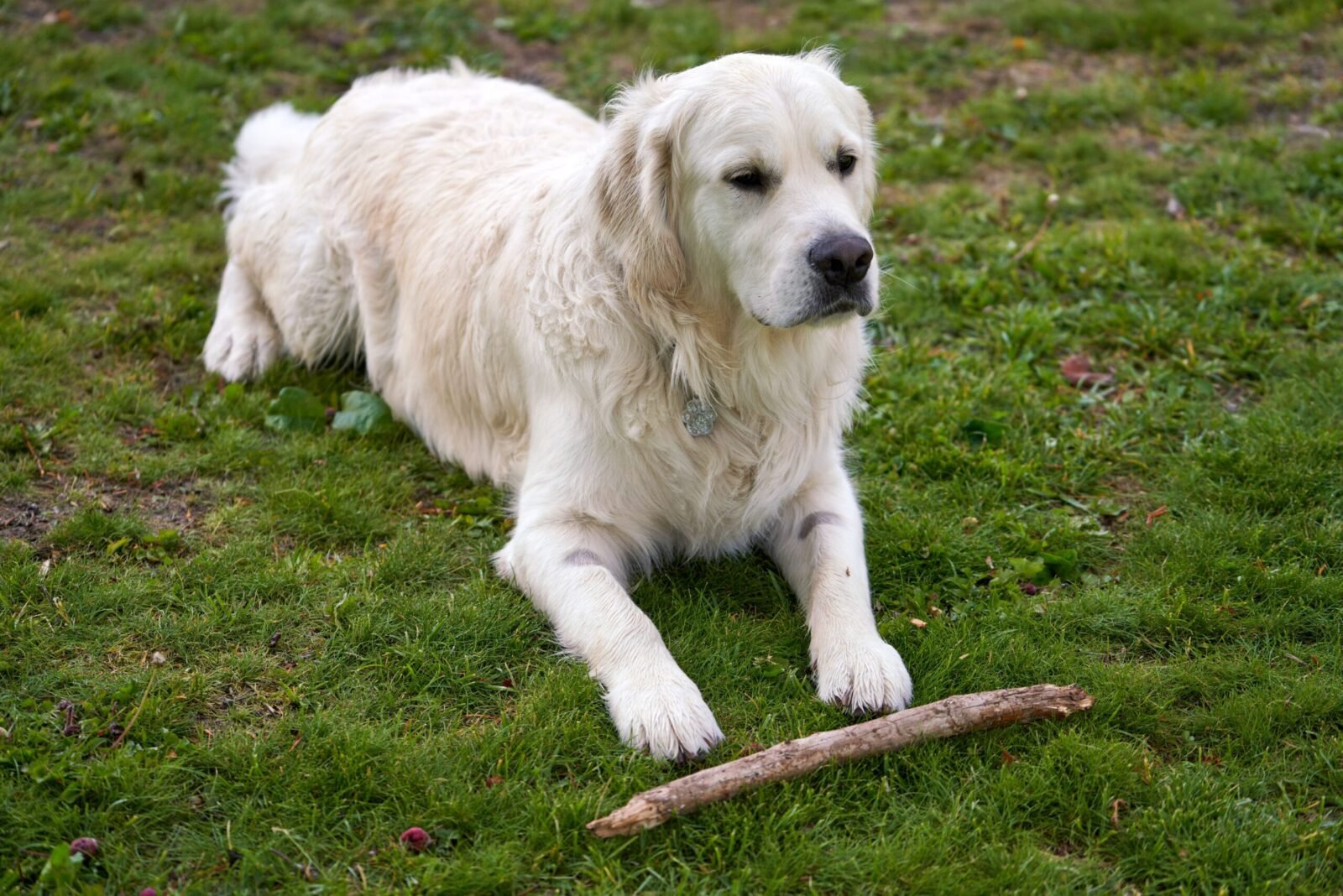
Owners who aren’t prepared for the shedding and grooming commitment often underestimate just how much maintenance this breed’s coat requires — it’s a real and ongoing part of Golden Retriever ownership, not an occasional chore.
Common Health Issues
Golden Retrievers are generally a healthy breed with a life expectancy of 10 to 12 years, but they are predisposed to several hereditary and breed-related conditions that prospective owners should understand.
Cancer. Unfortunately, Golden Retrievers have one of the highest cancer rates of any dog breed, with studies estimating that a significant percentage will develop some form of cancer in their lifetime, most commonly hemangiosarcoma and lymphoma. This is an area of active veterinary research, and it’s one of the most important health considerations for the breed.
Hip and elbow dysplasia. Like many large breeds, Golden Retrievers are susceptible to joint malformations where the hip or elbow joint doesn’t develop or fit together properly, leading to arthritis and mobility issues over time. Reputable breeders screen breeding dogs for hip and elbow scores to reduce incidence in puppies.
Cardiac issues, particularly subvalvular aortic stenosis (SAS), a congenital heart defect that can range from mild to life-threatening.
Eye conditions, including progressive retinal atrophy and cataracts, both of which can affect vision over time.
Hypothyroidism, an underactive thyroid gland that can cause weight gain, lethargy, and coat changes, but is generally manageable with medication.
Ear infections, due to the breed’s floppy ear structure trapping moisture and debris.
Skin allergies, which can manifest as itching, hot spots, or recurrent skin infections.
Prospective owners should seek breeders who provide health clearances from organizations like the Orthopedic Foundation for Animals (OFA) for hips, elbows, and heart, along with eye certification from a veterinary ophthalmologist. Regular veterinary checkups, weight management, and prompt attention to any changes in behavior or appearance go a long way toward catching issues early.
Housing and Living Environment
Golden Retrievers are adaptable dogs, but their size and energy level mean some living situations suit them better than others. A house with a securely fenced yard is ideal, giving them space to run and play between structured exercise sessions. That said, Golden Retrievers can absolutely thrive in apartments as long as their daily exercise needs are consistently met — this breed adapts more to the amount of engagement it receives than the square footage of its home.
A few housing considerations:
- Climate tolerance. The double coat that makes Goldens excellent cold-weather and water dogs also means they can struggle in extreme heat. Owners in hot climates should provide shade, air conditioning access, and adjusted exercise timing during summer months.
- Indoor living. Golden Retrievers are not meant to be outdoor-only dogs. Their temperament is built around close human companionship, and isolation can lead to anxiety, destructive behavior, or excessive barking.
- Space for enrichment. Whether it’s a yard for fetch or floor space for puzzle toys, this breed benefits from an environment that supports both physical activity and mental engagement.
- Multi-pet households. Goldens generally do very well with other dogs and, with proper introductions, cats as well.
Training Golden Retrievers
Few breeds respond as well to positive reinforcement training as the Golden Retriever. Their eagerness to please and food motivation make them highly responsive to reward-based methods, and many owners find their Golden picks up basic obedience commands within the first few weeks of consistent training.
Early socialization and puppy training classes are strongly recommended, not because Goldens are prone to behavioral problems, but because their strength and enthusiasm as adults can become challenging to manage if boundaries aren’t established early. A large, strong dog that jumps up to greet every visitor is a lot more manageable if that behavior is addressed during puppyhood.
Golden Retrievers also tend to excel in advanced training pursuits — obedience competitions, agility, tracking, and retrieving trials all play to their natural strengths. For owners interested in dog sports, this breed offers a rewarding partner both in the living room and in the competition ring.
Is a Golden Retriever Right for You? An Honest Assessment
Golden Retrievers have earned their reputation as one of the best family dogs for good reason, but that doesn’t mean they’re the right fit for every household. Here’s a realistic look at what to weigh before bringing one home.
Golden Retrievers may be a great fit if you:
- Have an active lifestyle and can commit to at least an hour of daily exercise
- Want a dog that’s genuinely good with children and other pets
- Don’t mind regular brushing and a house with some dog hair in it
- Are prepared for a breed with above-average cancer risk and want to invest in preventive veterinary care
- Have time to spend with your dog — this is not a breed suited to long hours alone
- Want a trainable, cooperative companion for activities, sports, or simply everyday life
You may want to reconsider if you:
- Are looking for a low-maintenance, low-shedding dog
- Need a guard dog or protective breed — Goldens are famously unsuitable for this role
- Work long hours with no plan for exercise, daycare, or companionship during the day
- Aren’t prepared for potentially significant veterinary costs related to breed-specific health conditions
- Live in a very hot climate without adequate cooling and shade access
For the right household, a Golden Retriever brings an extraordinary combination of loyalty, intelligence, and warmth that’s genuinely hard to match. They ask for regular exercise, consistent grooming, and attentive healthcare in return for a companionship that’s often described by owners as unconditional in the truest sense. If you’re ready for the commitment, few breeds reward that effort quite like a Golden.
Final Thoughts
The Golden Retriever’s enduring popularity isn’t an accident — it’s the product of over a century of breeding for exactly the traits that make a dog a wonderful companion: intelligence, gentleness, trainability, and an almost boundless desire to be near the people they love. They do come with real responsibilities, from grooming demands to breed-specific health monitoring, but for owners willing to meet those needs, a Golden Retriever offers one of the most rewarding relationships in the dog world.
Whether you’re drawn to their history as skilled retrievers, their reputation as gentle family companions, or simply that unmistakable golden coat, this is a breed that consistently lives up to its reputation — for the right owner, in the right home.