 By Admin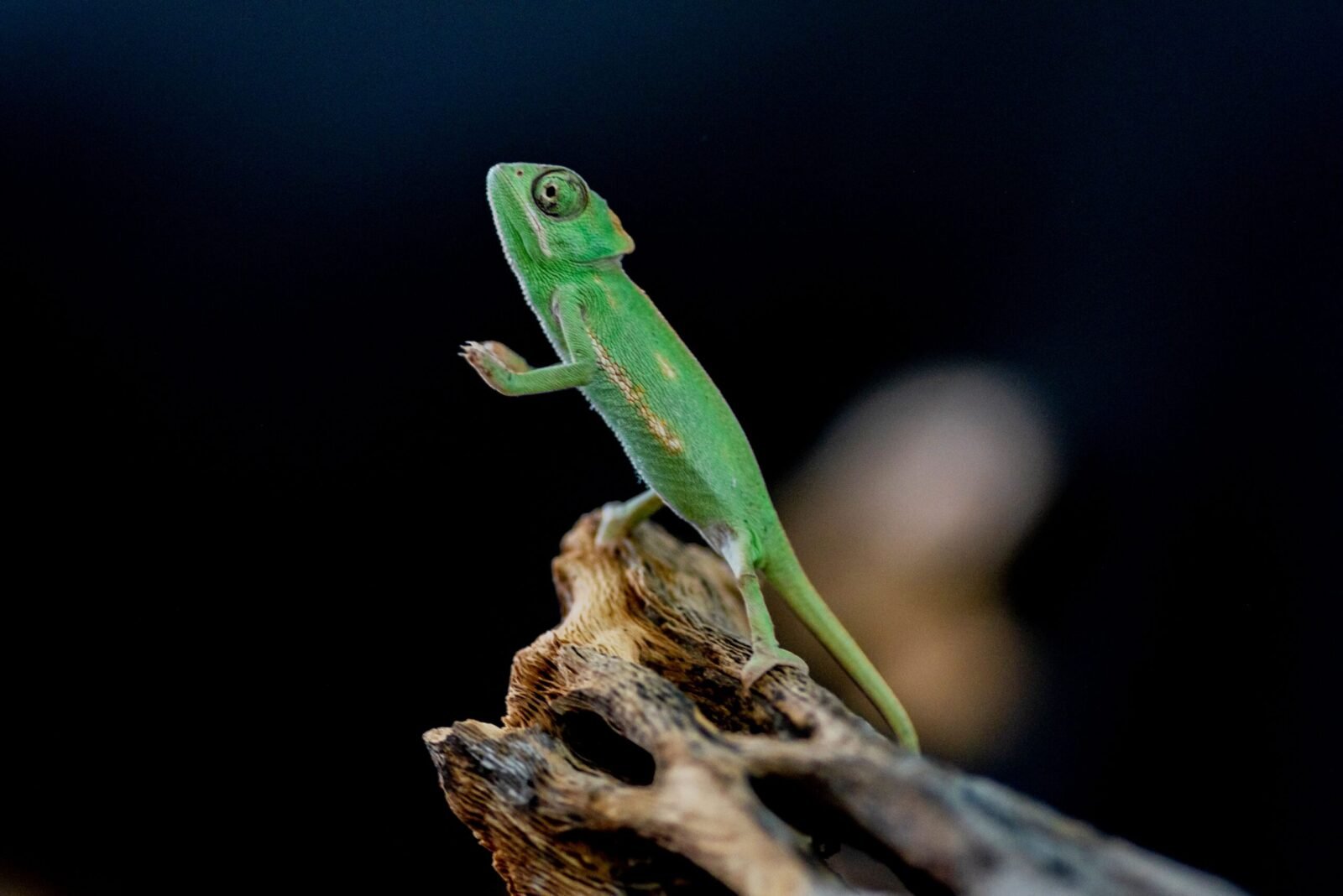
There’s something almost hypnotic about watching a chameleon move. The independently rotating eyes, the slow deliberate rocking walk, the tongue that snaps out faster than the human eye can properly track, the color shifts that seem to happen right in front of you — it’s no wonder chameleons have such a devoted following among reptile keepers. They look like something out of a fantasy movie, and in a lot of ways, they behave like it too.
But chameleons have a reputation in the exotic pet world, and it’s not entirely undeserved: they’re considered one of the more difficult reptiles to keep successfully. They’re sensitive to stress, particular about their environment down to the humidity gradient and airflow, and famously uninterested in being handled. A lot of chameleons purchased on impulse don’t make it past their first year, not because owners didn’t care, but because they didn’t fully understand what the animal actually needed.
This guide is meant to change that. We’ll walk through where chameleons come from, what species make sense for a first-time keeper, feeding, health, housing, temperament, and a genuinely honest assessment of whether this is the right pet for you. If you’re chameleon-curious, read this before you buy anything.
Species Background
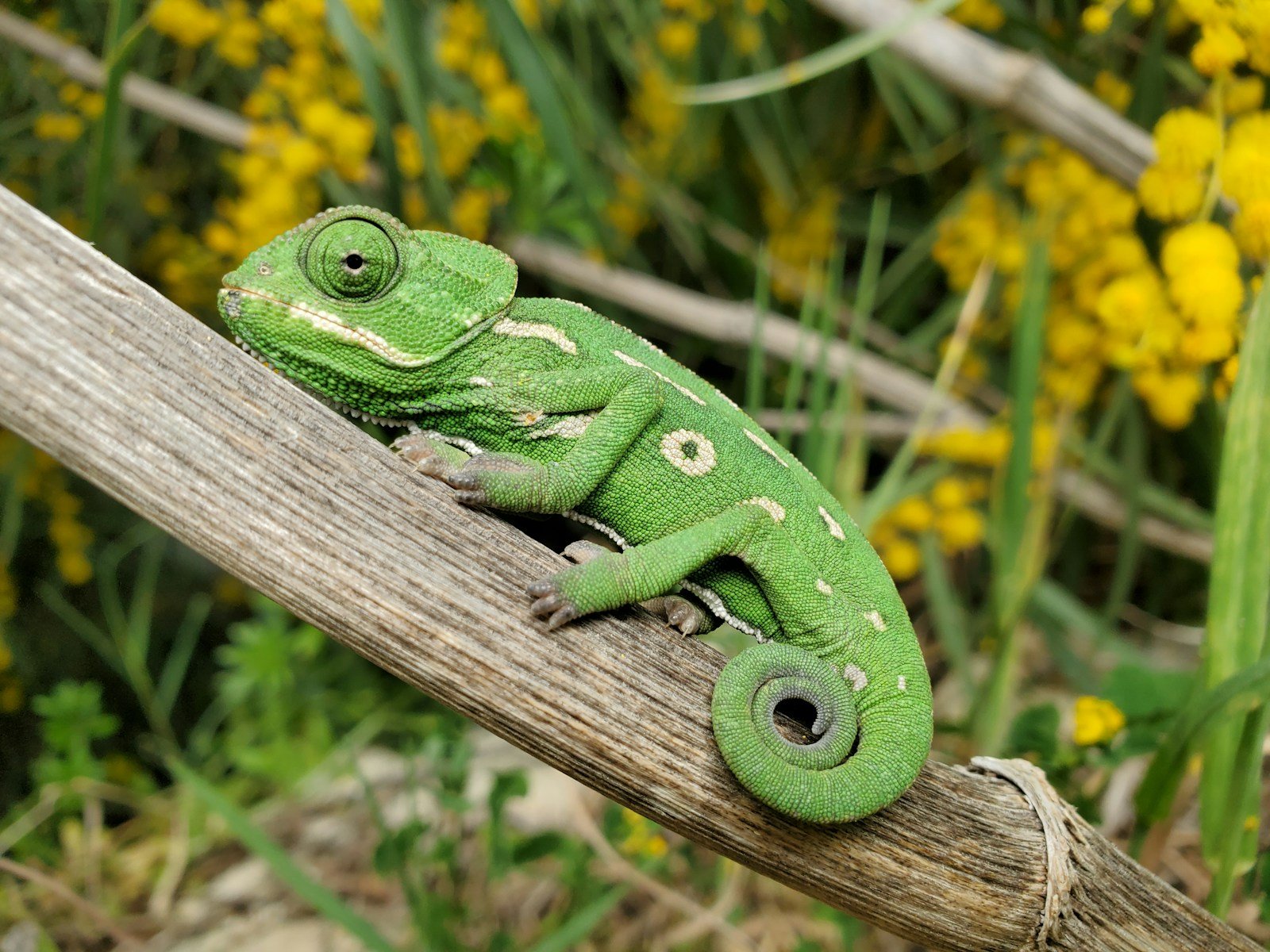
Chameleons belong to the family Chamaeleonidae, a group of roughly 200 species found primarily in Madagascar, mainland Africa, and parts of southern Europe and Asia. Madagascar alone is home to nearly half of all known chameleon species, which tells you a lot about how specialized and geographically isolated their evolution has been.
The traits that make chameleons instantly recognizable evolved for very practical reasons. Their eyes move independently of each other, letting them scan for predators and prey simultaneously across a nearly 360-degree field of view — a huge advantage for an animal that moves slowly and can’t easily flee danger. Their prehensile tails and zygodactylous feet (toes fused into opposing bundles, like a built-in pair of tongs) are built for gripping branches in the dense forest canopy they call home. And that tongue — capable of extending more than one and a half times the chameleon’s body length and striking in a fraction of a second — is one of the fastest muscular movements in the animal kingdom, built entirely around ambushing insects from a distance without having to move the rest of the body and risk detection.
Color change, the trait most people associate with chameleons, is often misunderstood. Chameleons don’t primarily change color to match their background like a cartoon spy. Their color shifts are mostly driven by mood, temperature regulation, communication with other chameleons, and social/reproductive signaling — a stressed or cold chameleon looks very different from a calm, warm, content one, and that’s often more informative to an owner than any other single cue.
In the pet trade, a handful of species dominate because they tend to be hardier and more tolerant of captivity than most:
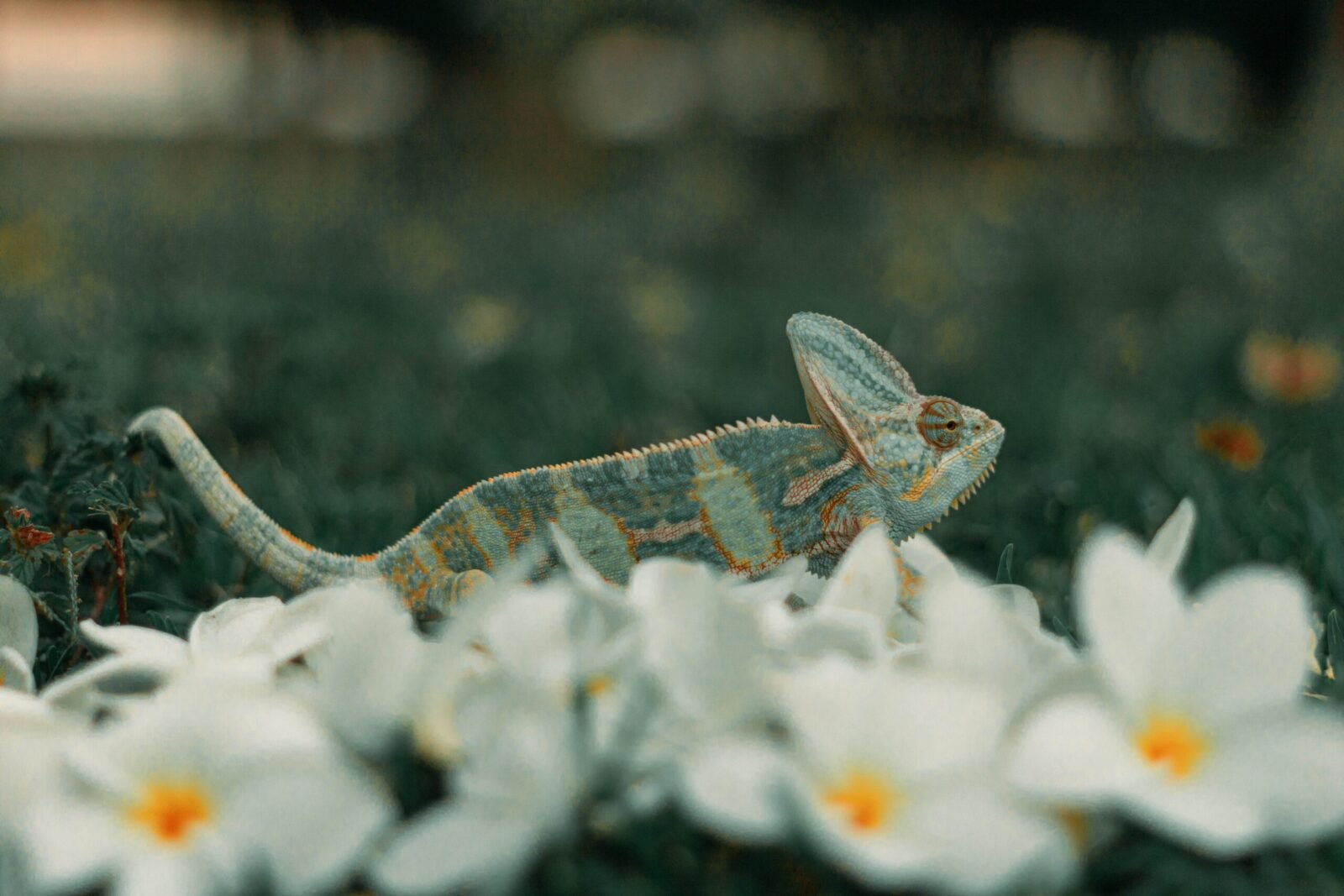
- Veiled chameleons (Chamaeleo calyptratus) — Native to Yemen and Saudi Arabia, these are the most commonly recommended species for beginners. They’re relatively hardy, tolerant of a range of humidity and temperature conditions, and grow to a good display size (males can reach 18-24 inches including tail).
- Panther chameleons (Furcifer pardalis) — Native to Madagascar, famous for their extraordinary color variation depending on locality (Ambilobe, Nosy Be, and Sambava locales are especially prized for their vivid patterns). Slightly more demanding than veiled chameleons but still considered beginner-appropriate by experienced keepers.
- Jackson’s chameleons (Trioceros jacksonii) — Native to East Africa, recognizable by the three horns on males that give them a mini-triceratops look. They prefer cooler temperatures than veiled or panther chameleons and can be more sensitive to husbandry mistakes.
Species that are generally not recommended for beginners include most of the smaller, more delicate species like pygmy chameleons and many Malagasy species that have extremely narrow environmental tolerances and don’t handle captivity stress well. If you’re new to chameleons, starting with a veiled or panther chameleon from a reputable breeder gives you the best shot at success.
Temperament
If you’re coming to chameleons hoping for a pet that enjoys being held, sits on your shoulder, or bonds with you the way a dog or even a bearded dragon might, it’s worth resetting those expectations early. Chameleons are, almost universally, not a handling pet.
They are solitary and territorial by nature. In the wild, chameleons spend the vast majority of their lives alone, only coming together briefly to mate. This isn’t a quirk that training can undo — it’s core to how they’re wired. A chameleon housed with another chameleon, even of the opposite sex outside of breeding, will typically become stressed, and males housed together will fight, sometimes fatally. Every pet chameleon should be housed alone.
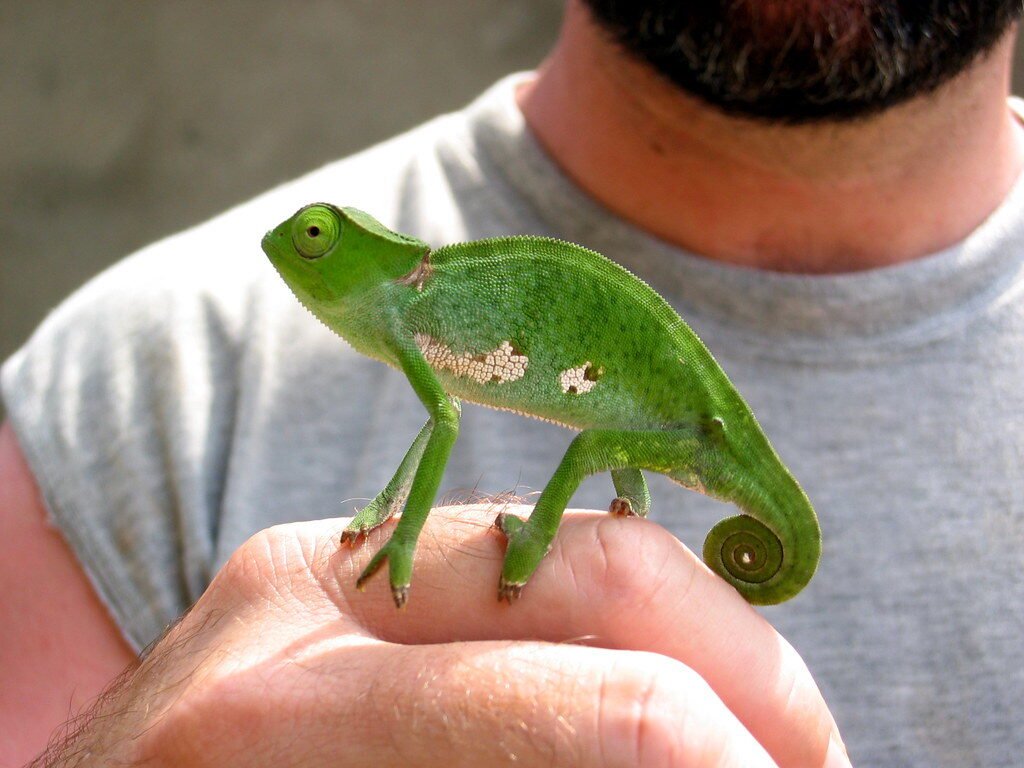
Handling causes stress, not bonding. Unlike species such as bearded dragons or ball pythons, chameleons don’t generally “get used to” being picked up in a way that reduces their stress response over time. Their color often darkens or shows stress patterns (blotchy, dark coloring) when handled, and their heart rate and cortisol levels rise measurably during handling in research studies. Most experienced keepers limit handling to what’s necessary — moving the animal for enclosure cleaning, health checks, or offering food by hand — rather than recreational cuddling.
They can be trained to associate you with food. This is really where the human-chameleon relationship shines. Many chameleons learn to recognize their owner and will actively approach the front of the enclosure or reach toward a hand at feeding time, especially if you consistently hand-feed insects. It’s not affection in the way we’d define it with a mammal, but it is a genuine learned association, and for a lot of owners, that’s a satisfying form of connection.
Individual personality does exist. Ask any experienced chameleon keeper and they’ll tell you their animals have distinct temperaments — some are curious and confident, poking their heads out and watching activity in the room, while others are shy and spend most of the day tucked into foliage. Species also matters: veiled chameleons tend to be bolder and more food-motivated, while Jackson’s chameleons often have a calmer, more docile demeanor overall.
Stress is visible and should be taken seriously. A chameleon that’s gaping (mouth open) when not being handled, hissing, showing consistently dark or blotchy coloring, or curling its tail tightly and flattening its body is communicating that something in its environment or handling routine needs to change. Chronic stress in chameleons isn’t just a welfare issue — it directly suppresses their immune system and is one of the leading contributors to preventable illness and early death in captivity.
Understanding and respecting this “look but don’t touch” nature is probably the single biggest mental adjustment new chameleon owners need to make, especially if they’re coming from mammal ownership.
Feeding
Chameleons are insectivores (with some larger species occasionally taking small vertebrates in the wild, though this isn’t necessary or recommended in captivity), and feeding them well means feeding them a variety, not just one staple insect over and over.
Core feeder insects most keepers rotate through include:
- Crickets — a reliable staple, though some chameleons tire of them over time
- Dubia roaches — increasingly popular because they’re nutritious, don’t jump or smell as much as crickets, and are easy to breed at home
- Silkworms and hornworms — high moisture content and a good treat/staple option, especially useful for hydration
- Black soldier fly larvae — well balanced in calcium-to-phosphorus ratio, which matters a lot for bone health
- Waxworms and superworms — best used sparingly as treats since they’re higher in fat
Gut-loading is non-negotiable. Feeder insects should be fed a nutritious diet themselves for at least 24-48 hours before being offered to your chameleon — this is called gut-loading, and it dramatically improves the nutritional value passed on to your reptile. An underfed feeder insect is essentially empty calories.
Supplementation is where a lot of chameleon health problems start or get prevented. Most keepers dust feeder insects with a calcium powder (without vitamin D3) at most feedings, a calcium powder with D3 roughly once or twice a week, and a multivitamin about once a week, though exact schedules vary by species, age, and whether the animal gets natural unfiltered sunlight. Getting this balance wrong in either direction — too little or too much — is one of the most common sources of serious health issues in captive chameleons, so it’s worth researching the specific schedule recommended for your species rather than guessing.
Hydration matters as much as food, maybe more. Chameleons generally don’t recognize standing water in a bowl the way many reptiles do; in the wild, they drink dew and rainwater off leaves. This means a drip system or misting system that creates moving water droplets on foliage is essential — a chameleon in an enclosure with only a water bowl can quietly dehydrate over time without an owner realizing anything is wrong until it’s a real problem.
Feeding frequency and quantity shift with age. Juveniles are typically fed daily, sometimes multiple insects at each feeding as they’re growing rapidly, while adults are often fed every other day or a few times a week depending on species and individual body condition. Overfeeding, especially with fatty feeders like wax worms, can lead to obesity, which is just as much a welfare concern in a chameleon as it is in a mammal.
Health
Chameleons have a reputation for being fragile, and while a lot of that comes down to husbandry mistakes rather than inherent weakness, it’s true that they have less margin for error than many other reptiles.
Metabolic Bone Disease (MBD) is probably the most common and most preventable serious health issue in captive chameleons. It results from inadequate calcium, incorrect calcium-to-phosphorus ratios, or insufficient UVB exposure (needed for the chameleon to synthesize vitamin D3 and actually use dietary calcium). Signs include a soft or swollen jaw, difficulty gripping branches, tremors, and visibly bent or bowed limbs. MBD is largely preventable with correct supplementation and proper UVB lighting, but it can be difficult and sometimes impossible to fully reverse once advanced.
Respiratory infections often stem from incorrect temperature or humidity — either too cold, too damp with poor airflow, or wild temperature swings. Symptoms include open-mouth breathing when not stressed, audible clicking or wheezing, mucus around the nose or mouth, and lethargy. This requires prompt veterinary attention; it doesn’t resolve on its own.
Dehydration is a quiet, slow-building problem given how chameleons drink. Sunken eyes, wrinkled or loose-looking skin, and reduced appetite are all warning signs. This is why a properly functioning drip or misting system matters so much — it’s often the difference between a healthy chameleon and one that’s chronically, invisibly stressed.
Parasites, both internal and external, are relatively common, particularly in wild-caught or imported animals (another reason captive-bred is strongly preferable). A fecal exam by an exotic vet shortly after acquiring a new chameleon is a smart, proactive step.
Egg binding (dystocia) is a serious concern for female chameleons, who can produce eggs even without a male present. If a female can’t pass her eggs due to poor calcium levels, dehydration, or lack of a suitable laying site, it becomes a veterinary emergency. This is worth discussing with a vet before you acquire a female chameleon, since it’s a foreseeable issue rather than a rare fluke.
Finding an exotic or reptile-specialized vet before you need one is essential, the same way it is with any less-common pet. Not every vet clinic sees chameleons regularly, and by the time a health issue is visible, time often matters.
With attentive care, veiled and panther chameleons typically live 5 to 8 years for males and somewhat shorter for females (largely due to the physical toll of egg production), while Jackson’s chameleons often live a bit longer. It’s a meaningful but not enormous commitment compared to some other reptiles.
Housing
This is where chameleon keeping really separates itself from most other reptile ownership — the enclosure setup is detailed, specific, and honestly one of the more technical builds in the reptile hobby.
Enclosure type and size. Chameleons need well-ventilated, mesh or screen enclosures rather than the glass tanks common for many other reptiles, because stagnant air and poor airflow contribute directly to respiratory illness. A single adult veiled or panther chameleon generally needs an enclosure in the range of 2x2x4 feet (width x depth x height), with height being especially important since chameleons are highly arboreal and spend virtually all their time climbing rather than walking on the ground.
Live plants make a real difference. Live plants (pothos, ficus, hibiscus, and dracaena are popular safe choices) aren’t just decorative — they help maintain humidity, provide secure hiding and basking spots, and give the chameleon natural surfaces to interact with, which noticeably reduces stress compared to a bare, artificial setup.
Temperature gradient. Chameleons need a basking spot (temperatures vary by species, generally in the mid-80s to low 90s Fahrenheit for veiled and panther chameleons, cooler for Jackson’s) and a cooler end of the enclosure they can retreat to, allowing them to thermoregulate by moving between zones throughout the day. Nighttime temperatures should drop, mimicking natural conditions, and most species do fine with a moderate nighttime drop without supplemental heat as long as the room doesn’t get too cold.
UVB lighting is essential, not optional. Chameleons need UVB exposure to synthesize vitamin D3 and metabolize calcium properly. A high-quality UVB bulb, replaced on the schedule recommended by the manufacturer (UVB output degrades over time even if the bulb still produces visible light), positioned correctly relative to the basking area, is one of the most important pieces of equipment in the entire setup.
Humidity and misting. Most popular pet chameleon species come from humid environments and need daily misting, often multiple times a day, to maintain proper humidity levels and to give them a water source to drink from. Many keepers automate this with a misting system on a timer, combined with a drip system, since manual misting several times a day is difficult to keep consistent long-term.
Airflow matters as much as humidity. This is a common beginner mistake — cranking up humidity without also ensuring good airflow, which creates a stagnant, overly damp environment that promotes respiratory issues and mold growth rather than replicating a healthy rainforest microclimate.
Taken together, a proper chameleon enclosure is closer to a small, climate-controlled ecosystem than a typical reptile tank, and it’s genuinely more involved to set up correctly than housing for most other commonly kept reptiles.
Cost of Ownership
Chameleons themselves typically range from $75 to $300 for veiled chameleons up to $200 to $600+ for well-colored panther chameleons from reputable breeders, with prices climbing significantly for specific prized locales or exceptional coloration. But the animal itself is often the smaller cost. A proper enclosure setup — mesh cage, live plants, UVB and basking lighting, misting or drip system, thermometers and hygrometers — commonly runs $300 to $600 or more when done right, and ongoing costs include feeder insects, gut-loading food, supplements, and UVB bulb replacements every 6-12 months. Compared to many reptiles, chameleons carry a genuinely higher ongoing cost and time investment for correct husbandry.
Choosing a Chameleon: What to Look For
Once you’ve decided a chameleon is genuinely right for your setup and lifestyle, the next decision — which individual animal to bring home — matters just as much as the species choice.
Buy captive-bred, not wild-caught. This is probably the single most important piece of advice for a new chameleon owner. Wild-caught chameleons (still imported from Madagascar and elsewhere, particularly for panther chameleons) tend to carry heavier parasite loads, arrive more stressed, and have a much harder time adjusting to captivity. Captive-bred animals from a dedicated breeder are typically calmer, healthier, and already accustomed to the kind of food and handling routine they’ll experience as pets. Reputable breeders can usually tell you the exact hatch date, parentage, and feeding history of the animal — a wild-caught import can’t offer any of that.
Look for physical signs of good health. A healthy chameleon should have clear, alert eyes (not sunken), a rounded rather than concave tail base (a thin or pinched tail base can indicate poor body condition), no visible mucus around the nose or mouth, and feet that grip firmly without missing toes or swelling. Its coloring should look vibrant relative to its species and mood rather than uniformly dull or dark, though keep in mind that a chameleon may show some defensive stress coloring simply from being handled or viewed at a store or expo.
Ask about age and source. Juvenile chameleons are more fragile and require more frequent feeding and closer monitoring than a well-established sub-adult or young adult. If you’re a first-time keeper, some breeders and experienced owners actually recommend starting with an animal that’s a few months past hatching rather than a very young juvenile, simply because there’s a bit more margin for error while you’re still learning the routine.
Reptile expos versus online breeders versus pet stores. All three are common sources, but they’re not equal. Specialized breeders — whether met at a reptile expo or found online through established breeding operations — are generally the most reliable source for captive-bred, well-documented animals. Big box pet stores are far less consistent; some have knowledgeable reptile staff and healthy stock, but many don’t specialize in chameleons and can’t answer detailed husbandry questions or confirm captive-bred status.
Frequently Asked Questions
Can chameleons be kept with other reptiles or in a mixed vivarium? No. Even setups that look appealing in photos — chameleons alongside frogs, geckos, or other species — create unnecessary stress and disease-transmission risk. Chameleons should be housed alone, in a species-only, single-animal enclosure.
Do chameleons recognize their owners? Not in the way a dog or even a bearded dragon might, but many chameleons do learn to associate a specific person with food and will respond to that person’s presence differently than to a stranger’s — approaching the glass, tracking movement with more interest, or becoming visibly more relaxed during routine care.
Why did my chameleon turn dark or blotchy? Dark or blotchy coloring is very often a stress response, not just a random color change. Common triggers include recent handling, a new or unfamiliar environment, temperature or humidity outside the comfortable range, or the presence of another animal (including a reflection in glass) that the chameleon perceives as a rival or threat. If dark coloring persists outside of an obvious short-term trigger, it’s worth reviewing your husbandry setup or consulting a vet.
How much time does a chameleon actually take to care for properly? More than most people expect going in. Daily tasks typically include misting or checking an automated misting/drip system, feeding (daily for juveniles, every other day or so for adults), gut-loading feeder insects in advance, and a quick visual health check. It’s not an especially time-consuming pet day to day once the system is dialed in, but the setup and the consistency required are more demanding than something like a fish tank or even many other reptiles.
Is it true chameleons can die from stress alone? Not “stress alone” in a literal sense, but chronic stress suppresses the immune system significantly, and a chronically stressed chameleon is far more susceptible to infections and illness it might otherwise fight off. This is why minimizing unnecessary handling, avoiding cohabitation, and getting the enclosure environment right aren’t just comfort issues — they have real, measurable health consequences.
Honest Ownership Assessment
Chameleons are one of those pets that look approachable in a pet store display and turn out to be far more specialized than they appear. Here’s a realistic breakdown of who actually does well with this animal.
A chameleon might be right for you if:
- You’re drawn to observing rather than handling — you want a pet you can watch and appreciate rather than cuddle
- You’re comfortable with detailed, technical husbandry and enjoy dialing in an environment correctly
- You have the budget and space for a proper enclosure setup, not a repurposed small tank
- You can commit to daily misting/drip maintenance and consistent feeder insect care
- You’ve already located a reptile-experienced exotic vet in your area
- You understand this is a solitary animal that should never be housed with another chameleon
- You’re patient with a pet that may never want to be picked up, and you’re okay with that
A chameleon is probably not right for you if:
- You want a reptile you can regularly hold or that seeks out interaction with you
- You’re hoping for a low-maintenance “starter reptile” — despite their popularity, chameleons are not considered beginner-friendly by most experienced keepers
- You don’t have the budget for a full mesh enclosure, UVB lighting, and a misting or drip system
- You have children who will want to handle the pet frequently
- You’re not prepared to research and maintain a specific temperature, humidity, and supplementation schedule
- You want a reptile with a longer lifespan — 5 to 8 years is shorter than many popular pet reptiles like bearded dragons or ball pythons
Chameleons reward exactly the kind of owner who finds the process of building and fine-tuning an environment satisfying in itself. For that person, watching a healthy, well-adjusted chameleon move confidently through live foliage, shift color in response to its mood, and approach the glass at feeding time is genuinely one of the most rewarding experiences in reptile keeping. But this isn’t a pet to buy on impulse because it looked striking at a reptile expo. Spend time researching the specific species you’re considering, connect with experienced keepers in chameleon-specific forums or communities, and make sure you’re ready for the setup before the animal, not after.