 By Admin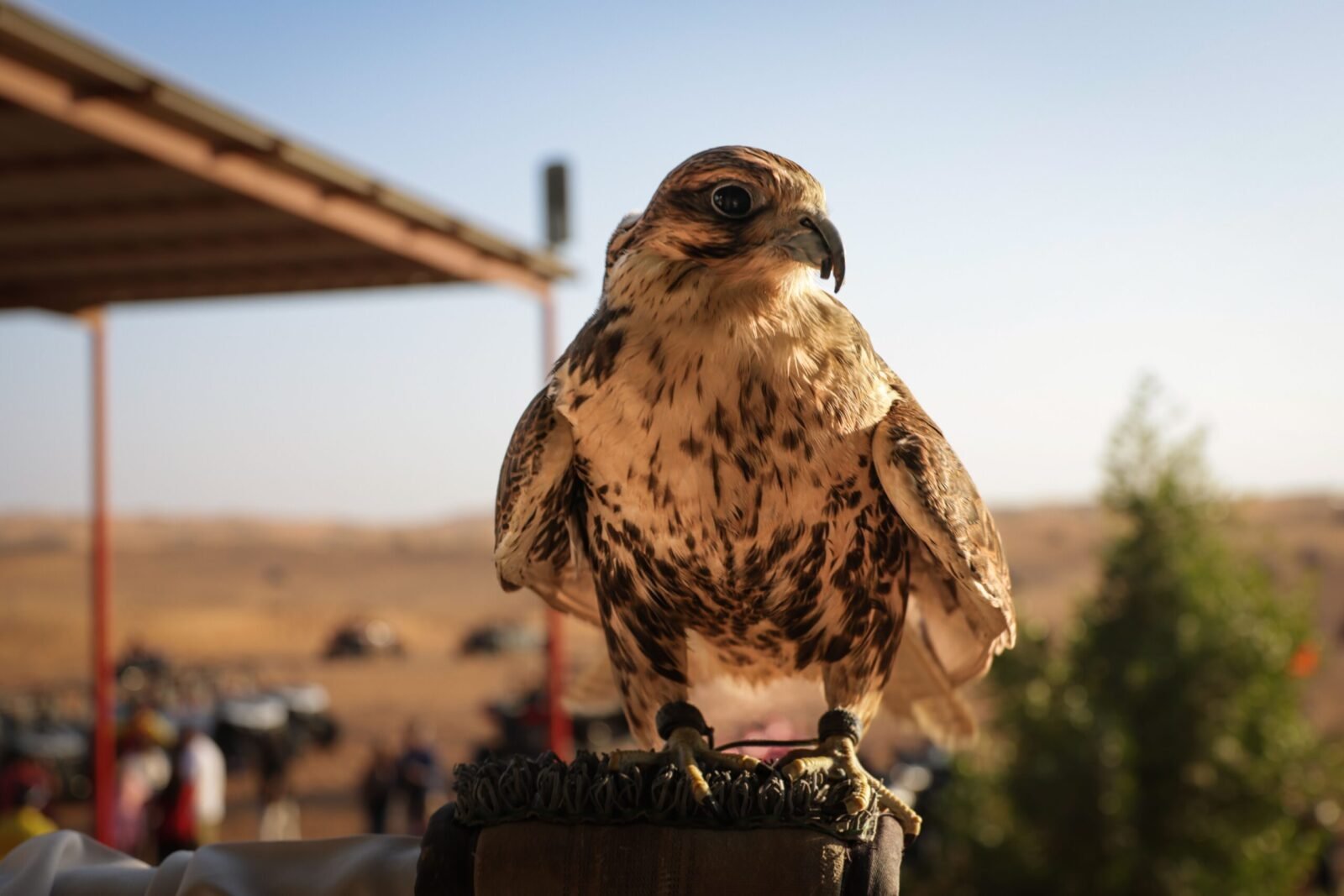
Few animals capture the imagination quite like a falcon. There’s something almost primal about watching one work: the sharp, angular wings cutting through the air, the explosive stoop from altitude, the sheer focus in a bird built entirely for pursuit. It’s no surprise that falcons have fascinated humans for thousands of years, appearing in the art, mythology, and hunting traditions of cultures spanning from the Arabian Peninsula to medieval Europe to the steppes of Mongolia.
But here’s the thing that needs to be said clearly before anything else: a falcon is not a pet in the conventional sense, and in most parts of the world, you cannot simply decide to own one the way you might a parrot or a dog. Falcons are wild birds of prey, and keeping one is governed by an ancient, highly structured practice called falconry, which in most countries is tightly regulated by law, requires years of training and licensing, and demands a level of daily commitment that goes far beyond typical pet ownership. This guide exists to give an honest, accurate picture of what falconry actually involves, for anyone genuinely considering pursuing it, and to explain why this isn’t a bird you can casually decide to bring home.
Understanding What a Falcon Actually Is
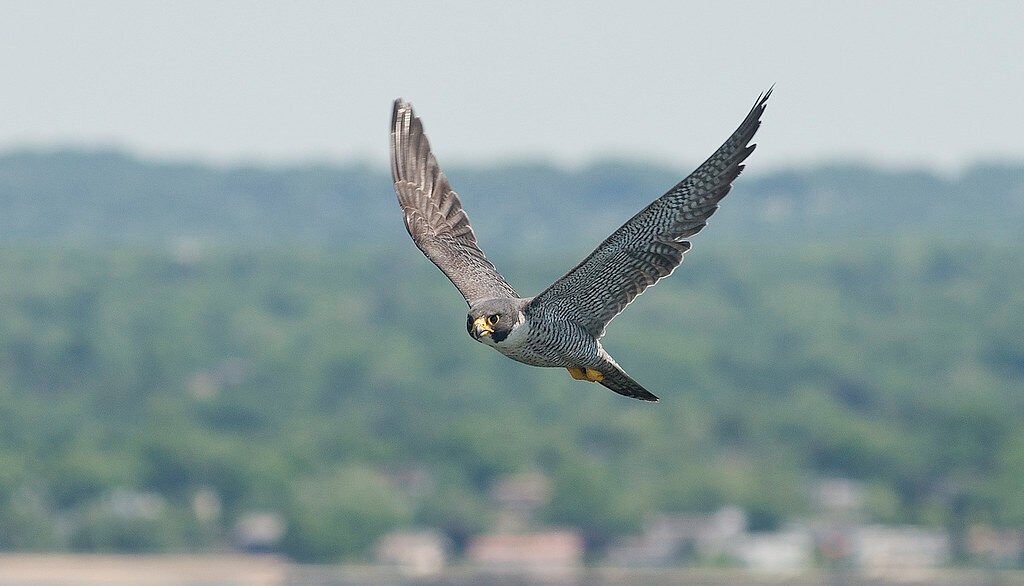
Falcons belong to the family Falconidae, a group of fast, agile birds of prey distinguished from hawks and eagles by their pointed wings, notched beaks (called a “tomial tooth,” used to sever the spine of prey), and a hunting style built around speed and aerial pursuit rather than the soaring, gliding approach many hawks use. There are around 40 species of true falcons worldwide, ranging from the tiny American kestrel, barely the size of a mourning dove, to the peregrine falcon, famous as the fastest animal on Earth, capable of stoop speeds exceeding 240 miles per hour during a hunting dive.
Species commonly flown in falconry include the peregrine falcon, the gyrfalcon (the largest falcon species, native to Arctic regions), the saker falcon, the lanner falcon, and various hybrids bred specifically for falconry purposes. Smaller species like kestrels and merlins are also flown, often by less experienced falconers, given their comparatively lower risk and easier management, though they come with their own specialized challenges.
Falcons are found on every continent except Antarctica, occupying an enormous range of habitats from Arctic tundra to open desert to dense forest edges. In the wild, they are apex aerial predators, feeding primarily on other birds, which they typically catch in flight, along with small mammals and, in some species, large insects. Their entire physiology, extraordinary eyesight, powerful flight muscles, and razor-sharp talons, is built around this predatory lifestyle, and that same wild nature carries directly into any bird kept in falconry, no matter how long it’s been in captivity.
Falconry: The Only Legitimate Path to Keeping a Falcon
Falconry is one of the oldest field sports in recorded history, with evidence of the practice dating back over 4,000 years to Central Asia and the Middle East, later spreading through medieval Europe, where it became closely tied to nobility and status. UNESCO recognized falconry as part of humanity’s Intangible Cultural Heritage in 2010, reflecting its deep and continuing cultural significance across dozens of countries.
In the modern era, falconry has evolved into a tightly regulated activity precisely because it involves the possession of wild birds of prey, species that are protected under wildlife conservation laws in most parts of the world. This isn’t bureaucratic red tape for its own sake. Falcons are ecologically important predators, and unregulated capture or ownership historically contributed to population declines in several species, most notably the peregrine falcon, which suffered a dramatic population collapse in the mid-20th century due to pesticide contamination and, to a lesser extent, unregulated capture, before recovering through conservation efforts including regulated captive breeding.
Licensing and Legal Requirements
In the United States, for example, falconry is regulated jointly by state wildlife agencies and the U.S. Fish and Wildlife Service, and becoming a licensed falconer typically involves:
- Passing a written examination covering falconry regulations, raptor biology, care, and handling
- Constructing and passing inspection of appropriate housing, known as a mews, along with required equipment
- Securing sponsorship from a General or Master falconer, who oversees the apprentice’s training
- Completing a multi-year apprenticeship period, typically two years, during which the apprentice can only fly certain permitted species, often American kestrels or red-tailed hawks
- Progressing through defined licensing tiers, from Apprentice to General to Master falconer, each unlocking the ability to work with a broader range of species
Other countries follow similarly structured systems, often through national falconry clubs or wildlife authorities, and regulations vary considerably depending on jurisdiction, including which species can legally be flown, whether wild-caught birds are permitted (many jurisdictions allow taking a wild passage bird, typically a juvenile in its first year, under strict permit conditions), and what housing and equipment standards must be met.
This licensing structure exists specifically to ensure that anyone keeping a falcon has demonstrated real competence in raptor care and handling before being trusted with a species higher up the difficulty and risk scale, like a peregrine or gyrfalcon. Attempting to acquire or keep a falcon outside this legal framework isn’t just illegal in most places; it’s also a serious welfare risk to the bird, since falcons have deeply specialized care requirements that are extremely difficult to meet without proper training.
Sourcing a Falcon Legally
Within a legal falconry framework, birds are generally acquired in one of a few ways: captive breeding from licensed breeders, which has become increasingly common and is often considered the most sustainable and ethical source, or, where locally permitted, taking a wild passage bird under strict permit conditions during a defined season. Wild-caught adult birds are typically not permitted to be taken in most jurisdictions, with regulations generally restricting capture to young birds in their first year, based on research showing this approach has minimal impact on wild populations while giving falconers a bird without the risks associated with handling an experienced, older wild adult.
Housing: The Mews and Weathering Area
Falconry housing looks nothing like a standard birdcage, and the requirements are specific enough that most licensing programs require housing to be built and inspected before a permit is issued.
The Mews
The mews is the falcon’s indoor housing, essentially a small, secure shelter where the bird stays overnight and during weather unsuitable for being outside. Requirements typically include a space large enough for the bird to move and stretch its wings without touching walls or the ceiling, secure predator-proof construction, adequate ventilation, and a perch appropriate to the species. Flooring needs to allow for easy cleaning, since raptor droppings and the remains of feeding (called “mutes” and “castings” in falconry terminology) need to be managed daily for hygiene.
The Weathering Area
Alongside the mews, falconers maintain an outdoor “weathering area,” a secure, screened enclosure or tethering setup where the bird can spend time outside in fresh air and natural light when not being flown or trained. This area needs to be fully protected from other animals, particularly dogs, cats, and other birds of prey, all of which pose genuine danger to a tethered falcon that can’t fly away from a threat.
Equipment
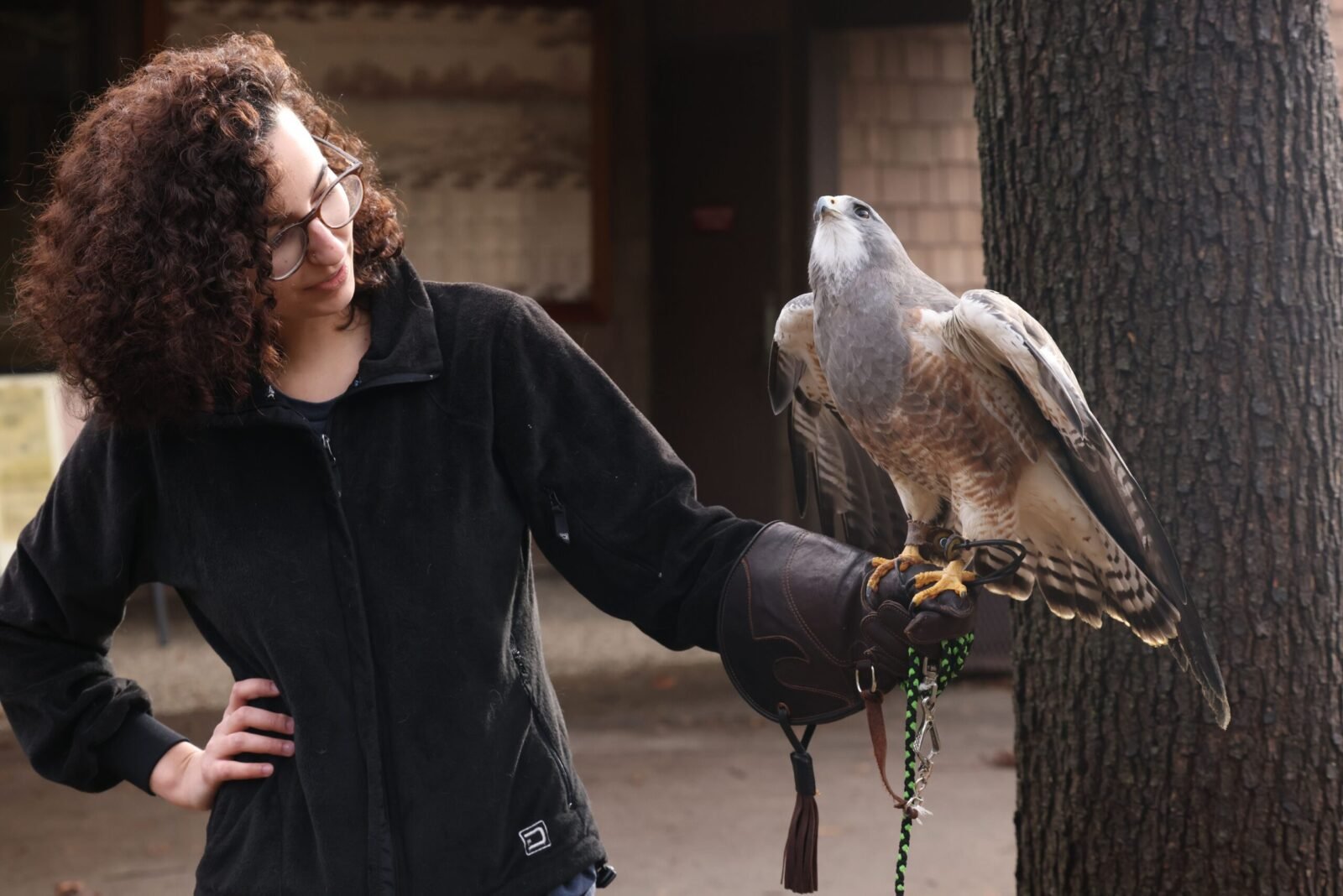
Falconry involves a fairly extensive set of specialized equipment, most of it centuries-old in design and still essentially unchanged because it works. This includes jesses (soft leather or synthetic straps attached to the bird’s legs), a leash and swivel for secure tethering, a hood (used to calm the bird by blocking its vision during transport or handling), a falconer’s glove, thick enough to protect against a raptor’s powerful grip, and a scale for daily weight monitoring, which is arguably the single most important piece of equipment in the entire practice, discussed further below.
Feeding: Weight Management as the Core of the Practice
If there’s one concept that separates falconry from virtually every other form of animal keeping, it’s the central role that weight management plays in the entire relationship between falconer and bird.
Why Weight Is Everything
A falcon at its natural, well-fed weight has little to no motivation to cooperate with a falconer, hunt on command, or return to the glove, since it has no hunger driving it to do so. Falconers manage a bird’s weight extremely precisely, typically to the gram, keeping it at what’s called “flying weight,” a carefully calibrated point where the bird is motivated enough by hunger to hunt and respond reliably, but not so underweight that its health, strength, or hunting ability is compromised. This requires daily weighing, careful food tracking, and years of experience to get right for each individual bird, since the correct flying weight varies not just by species but by individual, and even shifts somewhat throughout the hunting season.
This is a genuinely delicate balance, and it’s one of the primary reasons falconry apprenticeships take years rather than weeks. Getting weight management wrong in either direction has real consequences, an overweight bird that won’t cooperate or a bird pushed too far underweight risking serious health problems.
What Falcons Eat
In falconry, birds are fed a diet built around whole prey items, reflecting what they’d naturally catch and eat in the wild. Common diet items include day-old chicks, quail, and other appropriately sized birds, along with mice and other small mammals, sourced from specialized raptor food suppliers rather than pet stores. Whole prey is important nutritionally, since it provides not just muscle meat but also bone, fur or feather, and organ content that supply calcium and other nutrients a muscle-meat-only diet would lack.
Falconers also use food strategically during training and hunting, offering small rewards during a hunt or training session (called “tidbitting”) to reinforce desired behavior, while the bird’s main daily ration is calculated carefully based on its flying weight and activity level for that day.
Casting and Digestion
Falcons naturally produce “castings,” compact pellets of indigestible material like fur, feathers, and bone fragments that the bird regurgitates roughly a day after eating, similar to owl pellets. This is a completely normal part of raptor digestion, and falconers monitor casting production as one of several indicators of a bird’s digestive health.
Health and Common Concerns
Falcons are, on the whole, resilient birds when kept under proper falconry management, but their health needs are specialized enough that most falconers work closely with an avian or raptor-specific veterinarian, which isn’t always easy to find outside of areas with an established falconry community.
Signs of a Healthy Bird
A healthy falcon has bright, alert eyes, tight, glossy feathering, a strong grip, and consistent, predictable behavior around feeding and flying that aligns with its established flying weight and training history. Droppings and castings should be regular and consistent in appearance for that individual bird.
Common Health Issues
Bumblefoot, a bacterial infection of the foot pad, is one of the more common issues in captive raptors, often linked to inappropriate perch surfaces or minor foot injuries that go untreated. Falconers manage this risk through appropriate, varied perch materials and close daily observation of the feet during handling.
Aspergillosis, a fungal respiratory infection, is a serious concern in captive raptors, particularly in birds kept in damp or poorly ventilated housing, or those under prolonged stress. Good mews ventilation and hygiene, along with minimizing unnecessary stress, are key preventive measures.
Frounce, a parasitic infection of the mouth and throat caused by a protozoan organism, can be transmitted through contaminated prey, particularly wild-caught pigeons, which is one of the reasons experienced falconers are cautious about prey sourcing and often prefer commercially raised, disease-screened food animals.
Weight-related complications tie directly back to the daily weight management discussed above. A bird managed too aggressively toward a low weight can become genuinely unwell, while inconsistent weight management can create unpredictable, difficult-to-handle behavior. This is precisely why the apprenticeship structure in licensed falconry places such heavy emphasis on mentorship, since correctly reading a bird’s condition and behavior takes real, hands-on experience to learn.
Injury during flight or hunting, given the nature of the activity, is an ongoing risk falconers manage through careful site selection for flying, appropriate equipment, and close attention to a bird’s condition before and after each outing.
Preventive Care
Daily handling itself functions as a form of ongoing health monitoring in falconry, since the bird is weighed, fed, and closely observed every single day as a core part of the practice, unlike many other pets where health issues might go unnoticed for longer stretches between interactions. This daily, hands-on relationship is, in many ways, one of the built-in welfare advantages of falconry compared to more passive forms of raptor keeping, since problems tend to surface and get addressed quickly.
Temperament and the Falconer-Bird Relationship
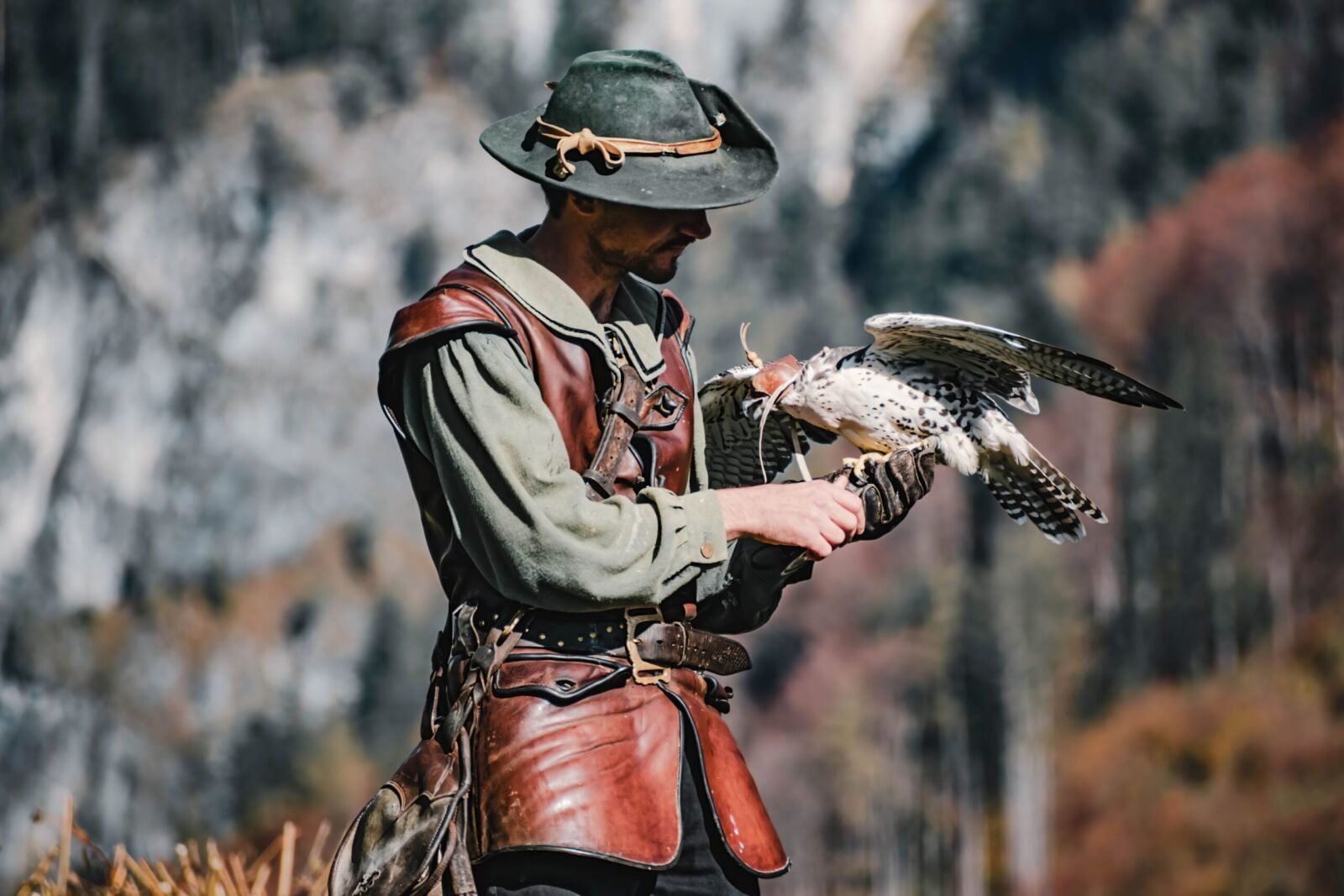
It’s worth being clear about something important here: a falcon is never truly “tamed” in the way a dog or even a parrot can be. Falconers describe the relationship not as domestication but as “manning,” a process of acclimating a wild bird to human presence and handling well enough to work cooperatively, without ever fundamentally changing its wild nature or instincts. A well-manned falcon will fly, hunt, and return to the glove reliably, but it remains, at its core, a wild predator, and falconers who’ve spent decades in the practice will readily say that a falcon never becomes a “pet” in any meaningful sense of that word.
This relationship is built almost entirely through the weight and food management described earlier, combined with patient, consistent daily handling. There’s no shortcut to this process; it requires real time investment, typically daily engagement during active training and hunting periods, and a level of quiet, careful observation that’s quite different from the more overtly affectionate relationships people often form with conventional pets.
Species Temperament Differences
Different falcon species carry noticeably different temperaments, which is part of why licensing tiers restrict certain species to more experienced falconers. Kestrels, though small and comparatively manageable, are notoriously flighty and nervous, requiring particularly gentle, patient handling. Peregrines are famously intense and high-energy, built for speed and pursuit, and require an experienced hand to manage well. Gyrfalcons, the largest falcon species, bring both size and power that demand serious experience and appropriately robust equipment and housing. This range of temperament across species is a major reason the apprentice-to-master licensing structure exists, ensuring falconers build experience progressively rather than starting with the most demanding species.
The Honest Ownership Assessment
Given everything covered above, it’s worth laying out plainly what pursuing falconry actually involves, and who it realistically suits.
The good: For those with a genuine, sustained interest in raptors and a willingness to commit to years of training, falconry offers something genuinely unlike almost any other animal relationship available to a private individual. Watching a well-trained falcon hunt is, by every account from those who’ve experienced it, a profoundly moving thing to witness, a wild predator working in close cooperation with a human handler while losing none of its essential wildness. The structured licensing and mentorship system, while demanding, also means falconers enter the practice with real competence, which is genuinely good for both bird welfare and falconer safety. Falconry also connects practitioners to a genuinely ancient, globally recognized cultural tradition, and most established falconry communities offer strong mentorship and camaraderie for newcomers willing to put in the time.
The challenging parts: This is about as far from a casual pet ownership decision as it’s possible to get. Legally, falconry requires passing exams, building approved housing, securing a sponsor, and committing to a multi-year apprenticeship before even being permitted to work with more advanced species. Practically, it demands daily hands-on involvement, weighing, feeding, flying, and close observation, that doesn’t pause for vacations or busy weeks the way lower-maintenance pet care might. Financially, appropriate housing, equipment, specialized veterinary care, and quality food sourcing add up to a genuine ongoing cost. Emotionally, falconers need to accept that the bird will never become affectionate or cuddly in a conventional pet sense, and that the relationship, while deeply rewarding to those who understand it, is built on cooperation and mutual understanding rather than the kind of bond people typically associate with pet ownership. And beyond all of this, falconry inherently involves managing a genuinely dangerous, sharp-taloned wild predator on a daily basis, which carries real physical risk if handling is rushed or done without proper training.
Ultimately, falconry suits people with a deep, sustained fascination with raptors, a willingness to commit years to proper training and licensing, and realistic expectations about what the relationship with the bird will and won’t look like. It is emphatically not a bird you can acquire on impulse, keep casually, or treat like a low-maintenance pet, and anyone drawn to the idea of a “pet falcon” without understanding the legal framework, time commitment, and specialized care involved is almost certainly picturing something quite different from what falconry actually is.
Final Thoughts
The falcon occupies a category entirely its own in the world of animal keeping, not a pet in any conventional sense, but a wild predator that humans have found a way to work alongside through thousands of years of accumulated knowledge, structured training, and, in the modern era, careful legal regulation designed to protect both the birds and the practice itself. For those genuinely drawn to this world, the path runs through licensed falconry, years of apprenticeship, and a real, sustained commitment, not a quick decision made after admiring a striking photo of a peregrine in a stoop.
For anyone seriously considering this path, the right first step isn’t sourcing a bird. It’s reaching out to a local or national falconry association, learning about the licensing process in your specific region, and, ideally, spending time with experienced falconers to see firsthand what the daily reality of the practice looks like before committing to it. Falconry has survived for thousands of years precisely because it’s never been a casual undertaking, and that’s exactly what makes it, for those who pursue it properly, one of the most extraordinary relationships a person can have with a wild animal.