 By Admin
If you picture a pony as “a small, cute horse for kids,” you’re only about a third of the way to understanding what you’re actually signing up for. Ponies are their own animal — literally a distinct classification, not a baby horse or a shrunk-down breed — and anyone who’s spent real time around them will tell you the same thing: they are smarter, tougher, more opinionated, and often more work than a full-sized horse. That combination catches a lot of first-time owners off guard.
This guide walks through what ponies actually are, what they need day to day, the health issues that show up more in ponies than in horses, what kind of setup and land you need, what their temperament is really like once you get past the storybook image, and — most importantly — an honest look at whether pony ownership fits your life. If you’re a parent looking for a “starter animal” for your kid, or an adult drawn to their compact charm, this is the stuff you need to know before, not after, you bring one home.
What Exactly Is a Pony?
Technically, a pony is any equine that measures 14.2 hands (about 58 inches, or 147 cm) or under at the withers — the ridge between the shoulder blades, which is the standard measuring point for all equines. Anything taller is classed as a horse, with a few breed exceptions (Arabians and some other breeds keep their “horse” designation even if individual animals dip under that height).
But size is really the least interesting thing about ponies. What separates a pony from a horse isn’t just inches — it’s build, metabolism, and temperament, all shaped by where pony breeds originally evolved.
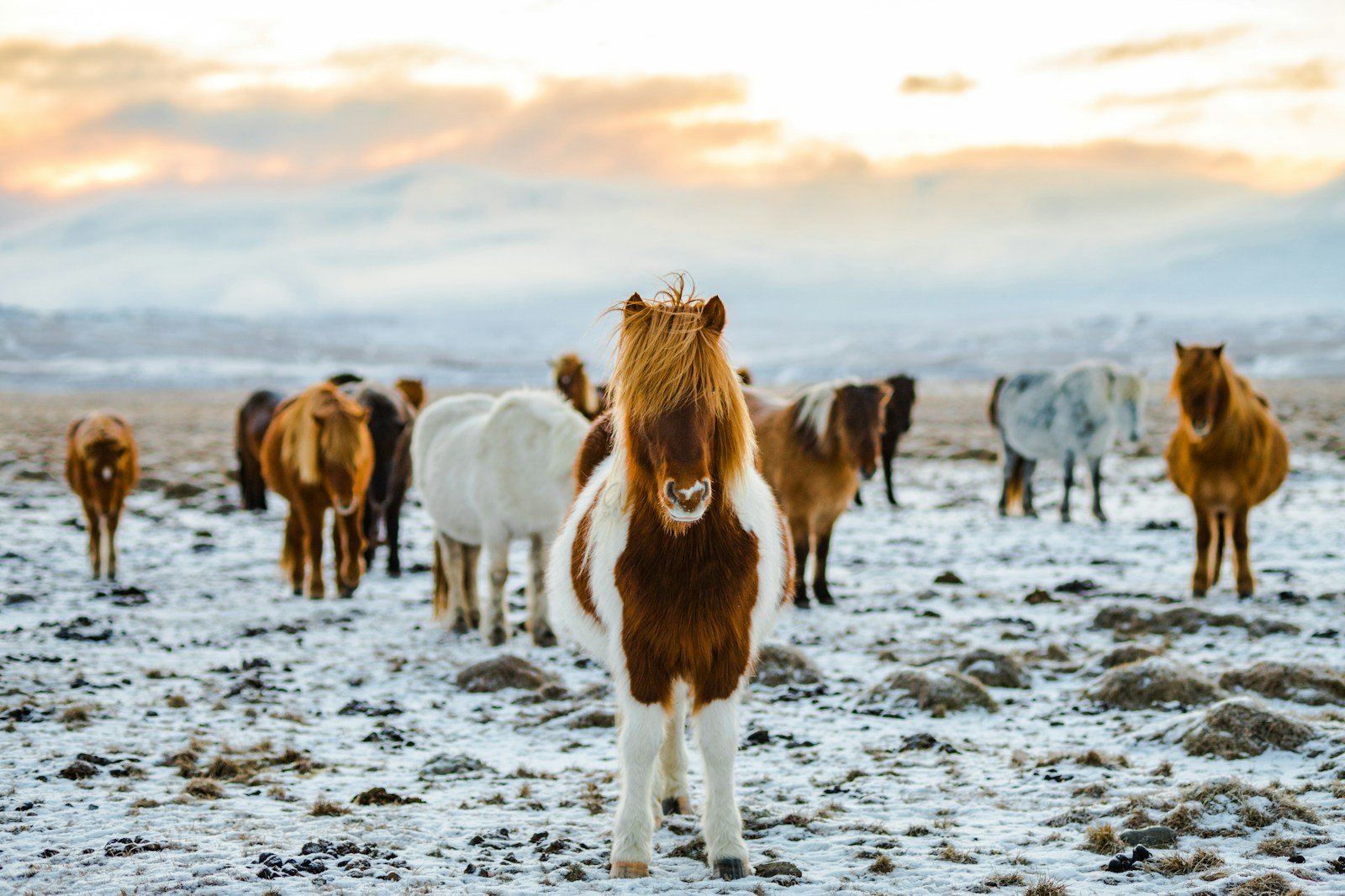
Most pony breeds trace back to harsh, resource-scarce environments: the Shetland Islands, the moors of Wales and Exmoor, the mountains of Iceland and Norway, the steppes of Mongolia. These weren’t places where a horse could thrive. Ponies developed thick coats, incredibly efficient digestion, dense bone structure, and a survival-first mentality that horses — bred in gentler conditions for speed, refinement, or workhorse strength — never needed to develop.
That evolutionary background explains almost everything else on this list. It’s why ponies get fat on grass that would barely sustain a horse. It’s why they’re so hardy in cold weather. And it’s why they tend to have stronger personalities — a pony that couldn’t advocate for itself in a herd on a windswept island didn’t survive to pass on its genes.
Common pony breeds include:
- Shetland Pony – tiny (under 42 inches), famously stocky, famously stubborn, famously smart
- Welsh Pony (sections A through D) – ranges from small children’s mounts to sturdy all-around ponies
- Connemara – Ireland’s native pony, athletic and often used for jumping
- Fell and Dales Ponies – working ponies from northern England, strong and sure-footed
- Icelandic Horse – technically called a horse by breed registries despite pony height, known for extra gaits
- Haflinger – golden-coated, muscular, often classified as a small horse or large pony depending on registry
- Miniature Horse – often confused with ponies but is its own separate classification entirely, bred purely for small size rather than a working type
Each breed carries its own quirks, but the general “pony package” — hardy, smart, opinionated, easy keeper — shows up across almost all of them.
Feeding: The Area Where Most New Owners Get It Wrong
If there’s one section of this guide to read twice, it’s this one. Diet mistakes are the single most common — and most dangerous — error new pony owners make, and it usually comes from good intentions.
The “Easy Keeper” Problem
Ponies are what’s called “easy keepers,” meaning they maintain or gain weight on far less feed than a horse of comparable work level. This sounds like a convenience. It is actually a serious management challenge, because the instinct of most new owners is to feed a pony the way you’d feed a horse — and that instinct will make your pony obese within a season.
A pony’s metabolism evolved to extract maximum calories from sparse, low-quality forage. Turn that same pony loose on lush, cultivated pasture — the kind most modern properties have — and you’re essentially feeding a famine-adapted animal a buffet. Weight piles on fast, and pony obesity isn’t just a cosmetic issue; it’s the direct pathway to some of the most serious health conditions in the breed, which we’ll get to in the health section.
What a Healthy Pony Diet Actually Looks Like
- Forage first, and often restricted. Most healthy adult ponies do best on grass hay or restricted pasture access rather than unlimited grazing. Slow-feed hay nets are widely used specifically to stretch out eating time and limit intake without leaving the pony without food for long stretches, which can cause its own problems like ulcers.
- Grazing muzzles. For ponies kept on pasture, a well-fitted grazing muzzle that limits (but doesn’t eliminate) grass intake is often the difference between a healthy weight and a dangerously overweight animal.
- Minimal to no grain for most ponies. Unless a pony is in heavy work, growing, elderly, or recovering from illness, concentrated feeds and sweet grain mixes are usually unnecessary and often harmful. A ration balancer (a low-calorie, nutrient-dense supplement) is frequently a better choice than traditional grain, providing vitamins and minerals without the calorie load.
- Fresh water, always. Obvious, but worth stating: constant access to clean water is non-negotiable, and intake should be monitored more closely in winter, when ponies drink less and colic risk from dehydration rises.
- Salt and mineral access. A plain salt block or loose mineral supplement helps ensure they’re getting what forage alone might not provide, especially in areas with mineral-poor soil.
Treats and Supplements
Carrots and apples in moderation are fine for most ponies, but “moderation” really does mean moderation — a handful of small pieces, not a daily bag. Given their calorie sensitivity, sugary treats add up fast. If you want to reward a pony during training or handling, small amounts of their regular hay pellets or a low-sugar commercial treat work better than fruit-heavy snacking.
Health: What to Actually Watch For
Ponies are hardy animals, often outliving horses and shrugging off minor ailments that would sideline a more delicate breed. But their specific physiology also makes them prone to a cluster of conditions that horse owners moving to ponies for the first time aren’t always braced for.
Laminitis
This is the big one, and it deserves to be understood in some detail. Laminitis is inflammation of the laminae — the tissue connecting the hoof wall to the coffin bone inside the foot. In severe cases, that connection fails and the coffin bone rotates or sinks within the hoof, a condition called founder. It is agonizingly painful, can be career-ending for a performance pony, and in the worst cases is fatal or requires euthanasia.
Ponies are disproportionately prone to laminitis because it’s closely tied to obesity, insulin dysregulation, and rich spring or fall grass — exactly the conditions their easy-keeper metabolism sets them up for. A pony that gets into a feed room, breaks into a lush pasture, or is simply allowed to free-graze on fertilized grass for a season is at real risk.
Warning signs include:
- Reluctance to move or a shifting, “walking on eggshells” gait
- Heat in the hooves
- A strong, bounding digital pulse (felt at the fetlock)
- Standing with front feet stretched out in front to relieve pressure on the toes
- Lying down more than usual
Laminitis is an emergency. If you suspect it, call a vet immediately rather than waiting to see if it resolves on its own.
Equine Metabolic Syndrome (EMS) and Insulin Resistance
Many ponies — especially those that are overweight or carry excess fat around the crest of the neck, tailhead, or shoulders — develop a condition similar to Type 2 diabetes in humans. Insulin dysregulation makes laminitis dramatically more likely and often requires a dedicated management plan: strict diet control, regular exercise, and sometimes medication. Bloodwork can identify EMS before it becomes a crisis, which is one of several reasons annual vet checkups matter even for a pony that seems perfectly healthy.
Cushing’s Disease (PPID)
More common in older ponies, PPID is a hormonal disorder affecting the pituitary gland. Signs include a long, curly coat that doesn’t shed properly, excessive thirst and urination, muscle loss along the topline, and increased susceptibility to laminitis and infections. It’s manageable with medication once diagnosed, but easy to miss early since the first sign owners often notice is just “a shaggy coat that won’t shed.”
Hoof Care
Even ponies not actively battling laminitis need consistent hoof care — trimming every six to eight weeks whether or not they’re shod, since overgrown or unbalanced hooves change how weight is distributed and can contribute to lameness over time.
Dental Care
Like all equines, ponies’ teeth grow continuously and develop sharp points as they wear unevenly, which can cause pain while eating and difficulty with the bit if the pony is ridden. Annual dental checks (sometimes twice yearly for seniors) with an equine dentist or vet catch problems before they affect eating or behavior.
Parasites
A regular deworming program, ideally guided by fecal egg count testing rather than a blind rotational schedule, keeps internal parasite loads in check. Overuse of dewormers has led to resistance issues in many parasite populations, so working with a vet on a targeted approach is now the recommended practice over the old “worm every eight weeks no matter what” model.
Vaccinations
Core vaccines typically include protection against tetanus, Eastern and Western equine encephalomyelitis, West Nile virus, and rabies, with additional vaccines like influenza and rhinopneumonitis depending on region and exposure risk (showing, boarding facilities, and travel all increase exposure). A vet can build a schedule suited to your specific location and how the pony is kept.
Housing and Space: What Ponies Actually Need
One of the most persistent myths about ponies is that because they’re small, they need less space or simpler setups than horses. In some ways that’s true — they’re generally easier on fencing and shelters just by virtue of being smaller and lighter — but their space and turnout needs are not dramatically reduced, and in the calorie-management department, more space (used correctly) is actually better.
Land
As a rough guideline, one to two acres of well-managed pasture per pony is a reasonable minimum, though this varies enormously with grass quality, climate, and whether you’re supplementing with hay. Because overgrazing rich grass is itself a health risk, many pony owners actually manage pasture access more carefully than horse owners do — rotational grazing, dry lots, and track systems (a looped path around the edge of a property that encourages movement while limiting access to the grassy center) are all popular ways to give ponies exercise space without unrestricted access to calorie-dense grass.
Shelter
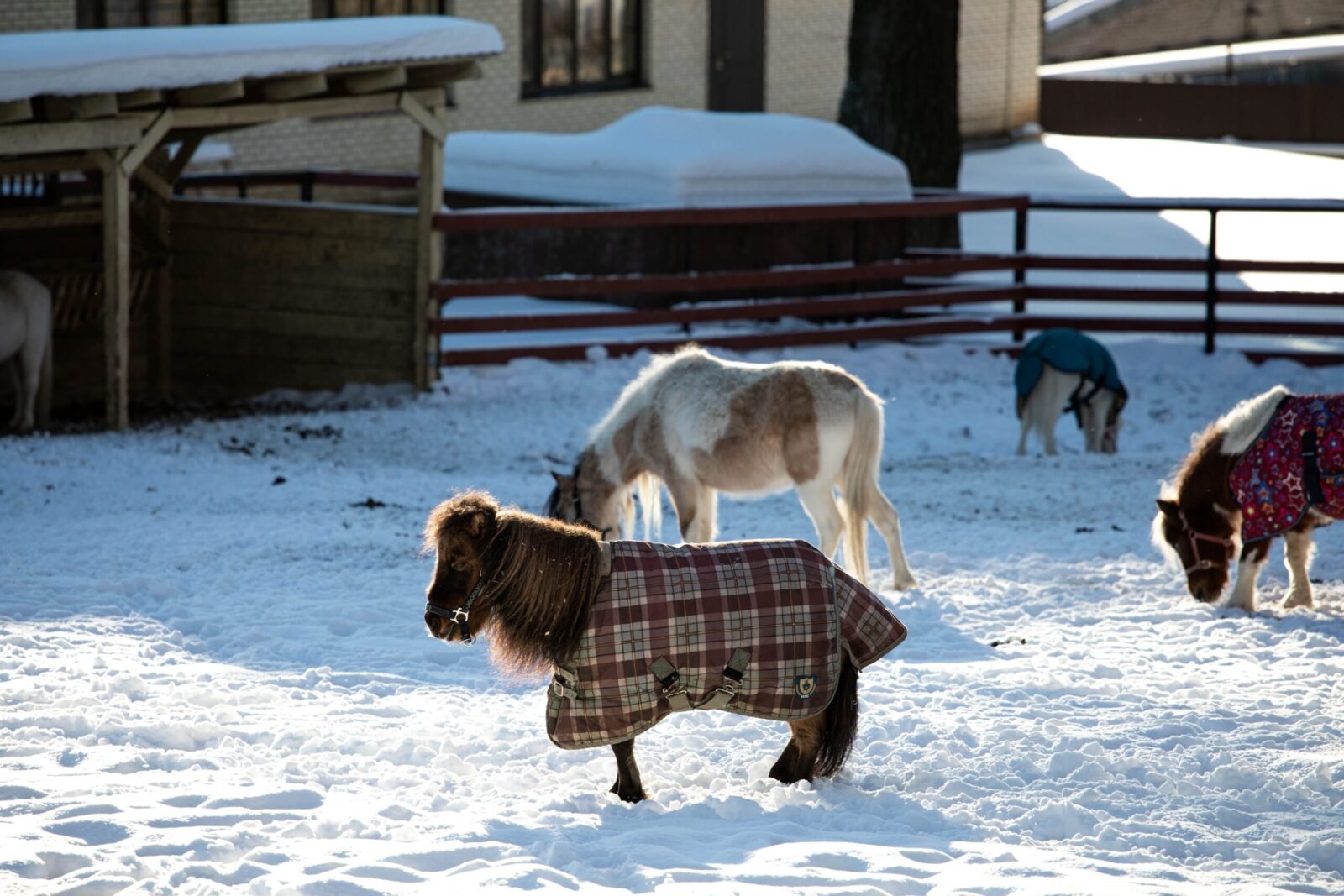
Ponies are remarkably cold-hardy thanks to their dense winter coats, and many breeds do fine outdoors year-round with access to a run-in shed or similar three-sided shelter that lets them get out of wind, rain, and direct sun. What they’re less tolerant of is combination stress — cold plus wet plus wind together — so shelter that blocks wind and precipitation matters more than an elaborate barn.
Fencing
Ponies are notorious escape artists. Their intelligence, combined with a strong food-motivated streak, means fencing needs to be genuinely secure — no gaps a pony could squeeze through, no weak spots they’ll lean on until they give way. Electric fencing (properly grounded and maintained) is popular precisely because ponies learn quickly to respect it, while they’ll test physical barriers relentlessly if there’s grass, feed, or other ponies on the other side.
Companionship
Ponies are herd animals and genuinely suffer, both psychologically and sometimes physically (stress-related ulcers, behavioral issues), when kept in total isolation. If you’re only getting one, plan for it to have a companion animal — another pony, a horse, a donkey, even in some cases a goat or sheep pairing has worked for isolated equines, though another equine companion is generally preferable.
Temperament: The Part Nobody Warns You About
This is where the storybook image and the reality diverge the most. Ponies have a well-earned reputation in the horse world for being smart, willful, and — depending who you ask — either delightfully clever or borderline diabolical.
Why Ponies Have “Attitude”
Go back to that evolutionary history. Ponies survived harsh, low-resource environments by being resourceful, cautious, and quick to figure out how to get what they wanted with minimal wasted effort. That same intelligence, transplanted into a domestic setting, means ponies figure out gate latches, learn exactly how far they can push a rider before really committing to a task, and remember — for years — which humans let them get away with things and which ones don’t.
This isn’t misbehavior for its own sake. It’s an animal with genuine problem-solving intelligence applying that intelligence to its own comfort and interests, same as it always has.
The “Kids’ Pony” Myth
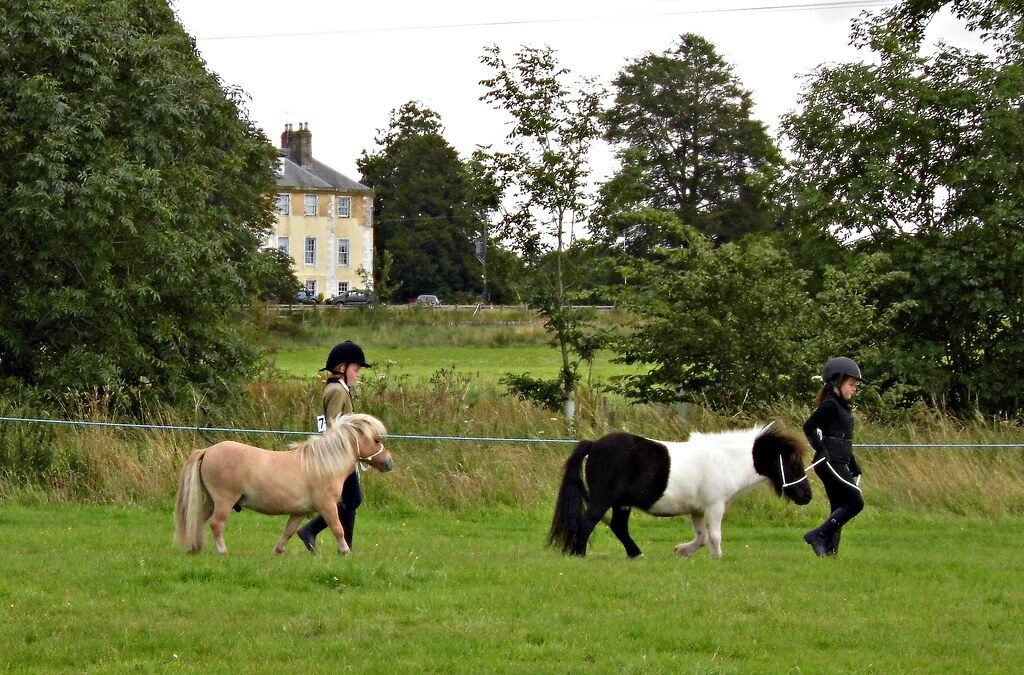
Ponies are frequently marketed and sold as ideal first mounts for children, and while a well-trained pony absolutely can be a wonderful child’s partner, “pony” and “beginner-safe” are not synonyms. In fact, a green (inexperienced) pony can be more dangerous for a beginner than a well-schooled horse, because a pony that discovers a small child can’t enforce boundaries will often start testing them — nipping, refusing to move, ducking toward grass mid-ride, or worse.
The ponies best suited to children are almost always older, thoroughly trained animals with years of experience carrying inexperienced riders — sometimes called “packer” ponies for their unflappable, been-there-done-that steadiness. A young, unstarted, or minimally trained pony is a project for an experienced handler, not a first pet for a seven-year-old, regardless of how gentle it looks standing in a field.
Bonding and Handling
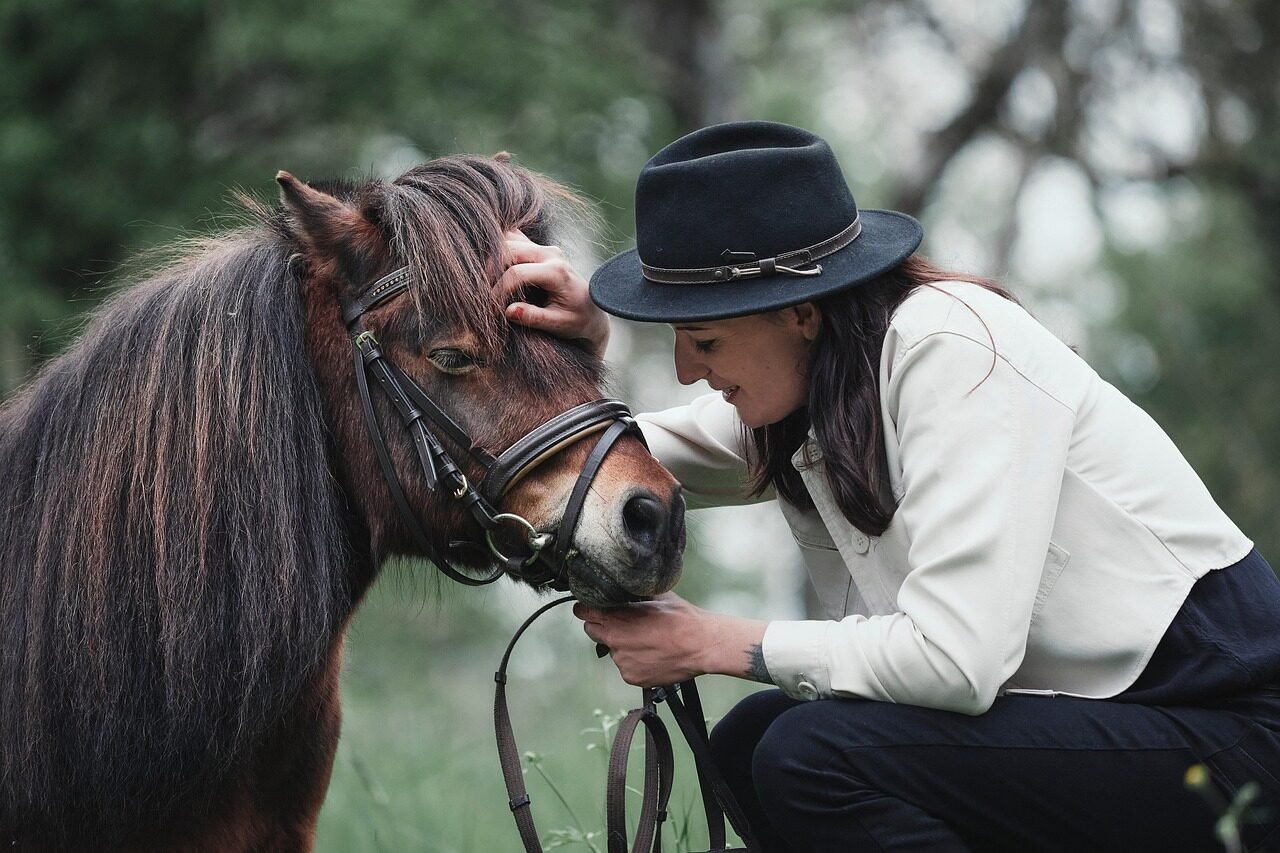
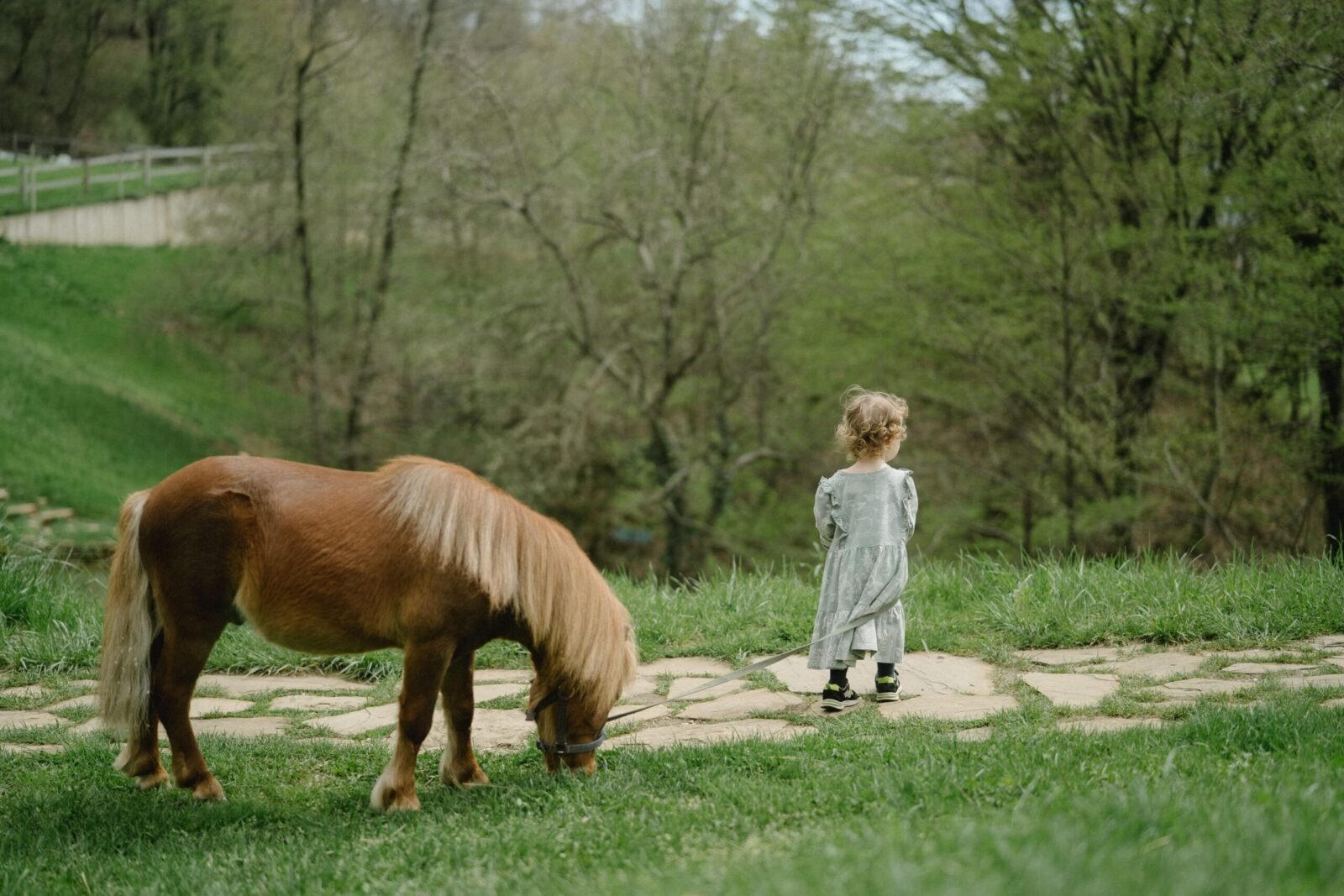
None of this means ponies are unpleasant animals — quite the opposite. Ponies that are handled consistently, given clear boundaries, and treated with the same seriousness you’d give a full-sized horse tend to form strong, affectionate bonds with their people. They’re often more interactive and people-oriented than horses, greeting familiar humans at the gate, following owners around paddocks, and showing clear preferences for certain people. The key word throughout is consistency — ponies that get away with pushy behavior once will absolutely try it again, so handling needs to be patient but firm from day one.
Training Considerations
Because of their intelligence and independent streak, ponies often benefit from training approaches that keep them mentally engaged rather than purely repetitive drilling, which they tend to get bored with (and boredom, in a clever animal, usually shows up as creative misbehavior). Short, varied, consistent sessions generally outperform long repetitive ones. Positive reinforcement methods — rewarding desired behavior rather than relying purely on pressure and release — tend to work particularly well with ponies precisely because they’re smart enough to make the connection quickly and stubborn enough to resist training that feels purely coercive.
For anyone new to equines generally, working with a trainer experienced specifically with ponies (not just horses) for at least the early stages of ownership is a worthwhile investment. Pony-specific experience matters because the training challenges really are different in flavor, even if the fundamentals overlap.
Cost of Ownership
People sometimes assume a smaller animal means smaller expenses, but pony ownership costs track much closer to horse ownership than most first-time buyers expect. Board or land maintenance, hay and feed, farrier visits, vet care, dental work, vaccinations, deworming, and tack all cost roughly the same whether the animal is 13 hands or 16 hands. The one place ponies genuinely save money is feed volume, since they eat less per day — but that’s a relatively small piece of the overall budget compared to board, vet care, and farrier work.
Realistic ongoing costs (highly variable by region) typically include monthly board or land upkeep, a farrier visit every six to eight weeks, annual vet exams and vaccines, routine dental care, and an emergency fund for the unexpected — colic surgery, injury, or a laminitis flare-up can run into the thousands of dollars very quickly. Anyone budgeting for a pony should budget as if they’re budgeting for a horse, with a small discount for feed.
Is a Pony Right for You? An Honest Assessment
Given everything above, here’s a realistic gut-check for anyone considering pony ownership:
A pony is likely a good fit if you:
- Have genuine equine experience, or are committed to working closely with an experienced trainer, especially early on
- Understand and are prepared to actively manage a calorie-sensitive diet rather than letting the pony free-graze at will
- Have secure fencing and are willing to maintain it against a genuinely clever escape artist
- Can commit to farrier, dental, and vet care on the same schedule you would for a full-sized horse
- Want an animal for a rider who has developed real balance, confidence, and the ability to set boundaries — whether that’s an adult or an older child
- Are looking for a long-term companion animal, since many ponies live into their 30s with good care
- Have or can provide another equine (or suitable companion animal) so the pony isn’t kept alone
A pony might not be the right fit if you:
- Are looking for a low-maintenance “starter animal,” expecting less care than a horse would need
- Want a first mount specifically for a young, inexperienced child without the budget or plan for professional training and support
- Don’t have secure fencing or the ability to manage pasture and calorie intake carefully
- Are drawn primarily to their small size and cute appearance without having spent real time around pony temperament firsthand
- Can’t commit to full veterinary, farrier, and dental costs comparable to horse ownership
- Would be keeping the pony in isolation without companionship
The honest summary: ponies make wonderful, long-lived, deeply characterful companions for people who go in with realistic expectations. They are not a smaller, simpler, cheaper version of a horse — they’re a distinct animal with their own intelligence, their own health risks, and their own strong personality, and the owners who do best with them are the ones who respect that from the start rather than discovering it the hard way.
Final Thoughts
Ponies earn their reputation honestly, in both directions. The same qualities that made them survive on windswept islands and mountain moors for centuries — cleverness, hardiness, an efficient metabolism, and a stubborn independent streak — are exactly what make them rewarding, occasionally exasperating, and genuinely unique animals to own today. Go in informed about the diet risks, the fencing challenges, and the training realities, and a pony can be one of the most loyal and long-lived companions in the equine world. Go in expecting a miniature, low-maintenance horse, and you’ll likely be caught off guard by just how much personality — and how much responsibility — comes in that smaller package.