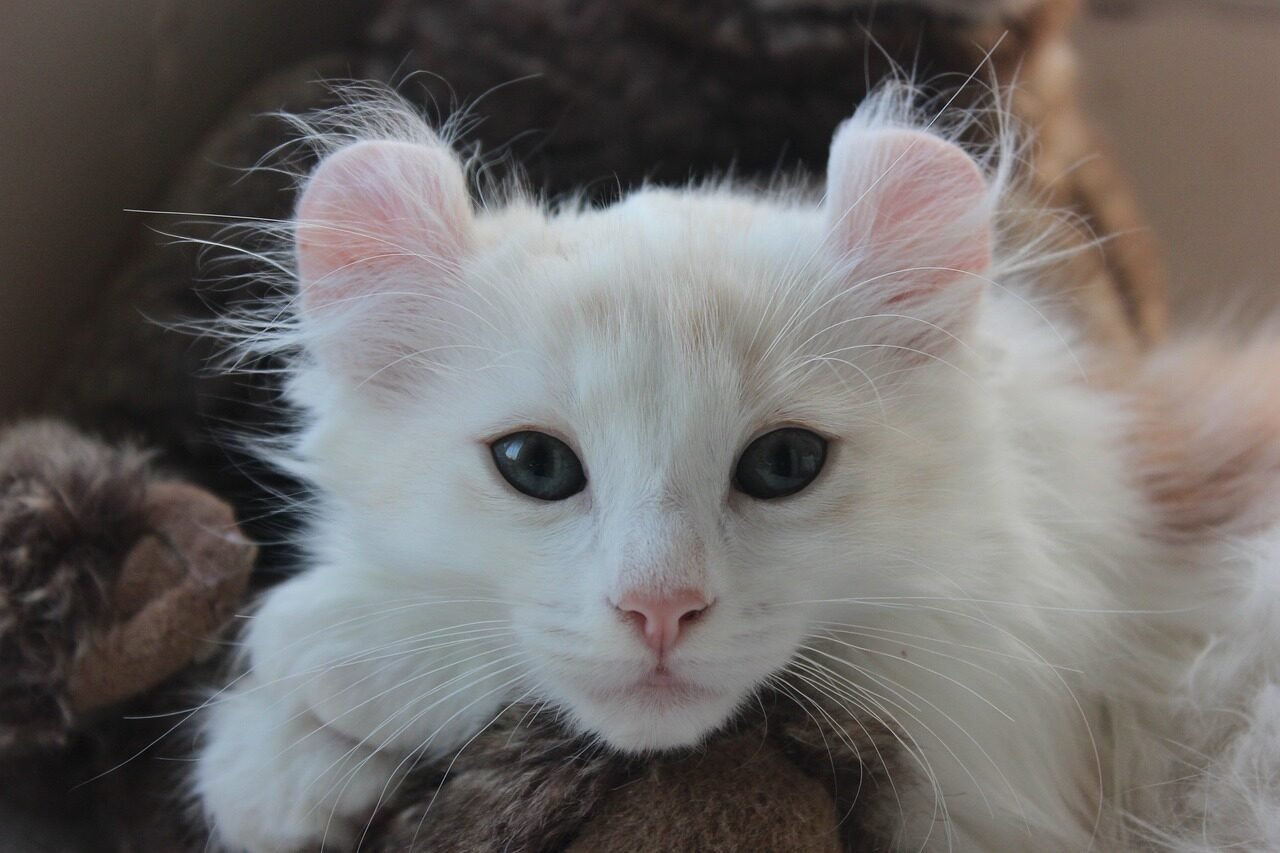
Some cats get noticed for their size, some for their fluffy coats, and some for their attitude. The American Curl gets noticed for its ears. They sweep backward in a graceful arc, like two little crescent moons, and give the cat a permanently alert, slightly surprised look that people find impossible to ignore.
But ears are only the opening act. Ask anyone who lives with an American Curl and they’ll tell you the real charm is the personality: affectionate, curious, and playful well into adulthood. It’s a breed that doesn’t get nearly as much attention as it deserves, so let’s fix that.
A Breed That Began With One Stray Kitten
Most cat breeds trace back through generations of careful planning. The American Curl started with a stray who simply turned up on a doorstep.
In the summer of 1981, a couple in Lakewood, California, took in a stray kitten with a glossy black coat and unusual ears that curled back instead of standing straight. They named her Shulamith. When she had kittens, some of them inherited the same curled ears, and it became clear this wasn’t a fluke. It was a natural genetic trait that could be passed on.
Breeders took an interest, and the breed developed quickly by cat-world standards. Within a couple of years, the American Curl was being shown, and by the early 1990s the major registries had recognized both the longhaired and shorthaired varieties. Nearly every American Curl alive today can trace its family tree back to that one wandering kitten in California, which is a rather lovely origin story for a cat.
Those Famous Ears
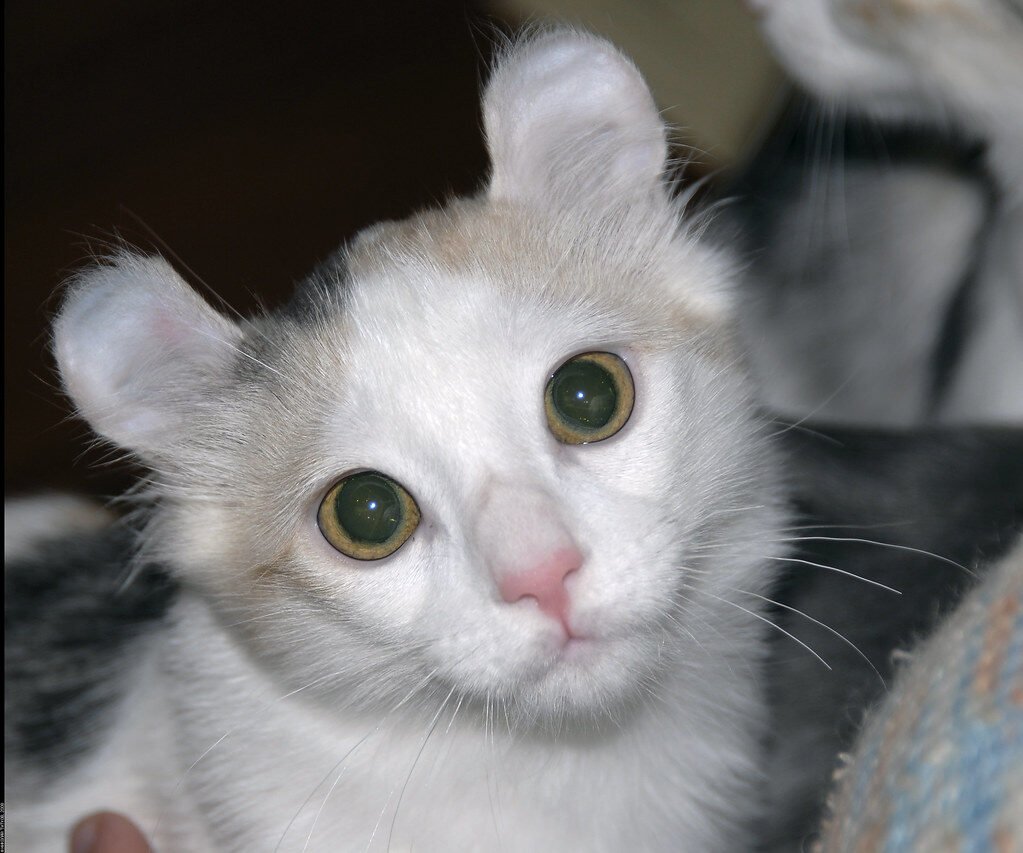
Let’s talk about what everyone wants to know: how do the ears actually work?
American Curl kittens are born with straight ears, just like any other cat. Within the first few days of life, the ears begin to curl backward. Over the following weeks they go through a sort of awkward phase, sometimes looking floppy, sometimes half-curled, before settling into their final shape at around four months old. Breeders and owners often watch this process with equal parts fascination and nail-biting.
The curl comes from a dominant gene, which is why the trait passed so readily through the early generations. Breed standards look for a curve of somewhere between 90 and 180 degrees, with the ear tips soft and rounded rather than pointed. The cartilage at the base of the ear is firm, which helps them hold their shape, and the ear should never curl so far that the tip touches the back of the ear.
Some kittens in a litter end up with straight ears. They’re still American Curls in every other way, and they make just as good pets, though they won’t be show-quality for the breed.
One important rule: never bend, fold, or force an American Curl’s ears. Their curl is a natural feature, not something you can adjust, and the cartilage can be damaged by rough handling. Gentle petting around the ears is fine, but treat them like the delicate things they are.
The Look Beyond the Ears
The American Curl is a medium-sized, well-balanced cat. Males usually weigh somewhere around seven to ten pounds and females a little less. They’re neither dainty nor bulky, with a slightly rectangular body and a graceful, moderately long build.
Their eyes are large, walnut-shaped, and expressive, and they pair with those ears to create a look that seems constantly curious. Eye color is generally bright and can vary, though some colors are linked to coat color and pattern.
Speaking of coats, the American Curl comes in two versions:
- Shorthair: A sleek, flat coat that’s soft to the touch.
- Longhair: A silky, flowing coat, with a feathery tail that looks like a plume.
Both types have a fine, silky texture and very little undercoat, which means the fur tends to lie flat and rarely tangles or mats. They come in nearly every color and pattern you can think of, from solid black and white to tabbies, tortoiseshells, and pointed patterns. Because the breed standard is so flexible about color, there’s a lot of variety, and each Curl looks a little different.
Personality: The Cat That Never Quite Grows Up
If there’s one phrase people use again and again to describe the American Curl, it’s “Peter Pan cat.” These cats keep a kitten-like sense of fun long after they’ve reached adulthood. A five-year-old Curl might still chase a feather toy across the room with the enthusiasm of a six-month-old.
Curls are also deeply people-oriented. They aren’t the type to sulk in another room and ignore you. Expect a cat that follows you around the house, greets you at the door, supervises your cooking, and settles on the sofa beside you while you watch television. They tend to bond closely with their whole family rather than picking a single favorite person, though many will still have a spot they claim as their own.
They’re smart, too. Owners often report that their Curls learn tricks quickly, figure out how to open cupboard doors, and enjoy games like fetch. If you’re willing to put in the time, a Curl can be taught to come when called, walk on a harness, and perform simple tricks for treats.
Despite all this liveliness, they’re not a high-strung breed. Their energy is moderate rather than frantic, and they’re generally calm and adaptable. They’re also fairly quiet. Rather than loud yowling, an American Curl usually communicates with soft trills, chirps, and gentle little meows, which makes them a good choice if you live somewhere with thin walls or noise-sensitive neighbors.
Living With an American Curl
The good news is that American Curls are among the more easygoing breeds. They tend to get along well with children, other cats, and cat-friendly dogs, especially when introduced properly and given time to adjust. Their friendly temperament and tolerance make them a solid family cat.
That said, they don’t do well when left alone for long periods. Because they’re so attached to their people, a Curl left home alone all day, every day, can become bored or lonely. If you work long hours, consider a second pet for company or make sure you can give the cat plenty of attention when you’re home.
A few things help an American Curl thrive:
- Interactive play. Wand toys, balls, and puzzle feeders keep their minds and bodies engaged.
- Vertical space. Cat trees and shelves give them somewhere to climb and observe the household.
- Routine and attention. Regular play sessions and cuddle time keep them happy and well adjusted.
- An indoor life. Like most pedigree cats, they’re best kept indoors, where they’re safe from traffic, disease, and other outdoor dangers. Supervised outdoor time in a secure enclosure or on a harness is a great alternative.
They’re also known for being adaptable to different living situations, from apartments to houses with gardens, as long as their need for companionship and stimulation is met.
Grooming and Care
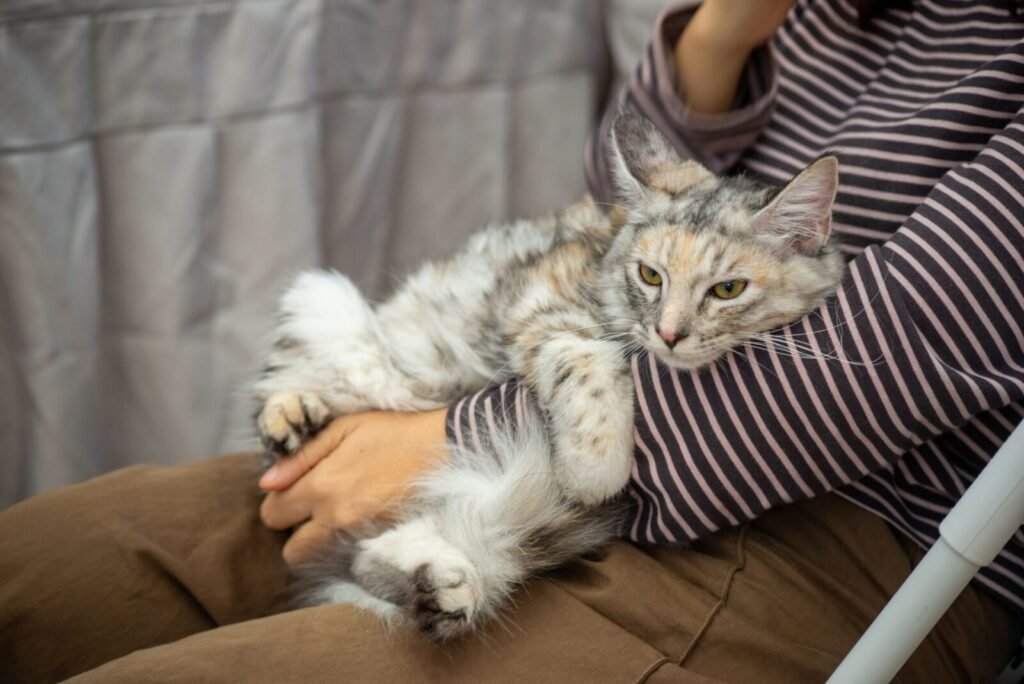
Here’s where the American Curl really shines for busy owners. Thanks to that silky, low-undercoat fur, grooming is refreshingly simple.
Shorthaired Curls need only a quick weekly brushing to remove loose hair and keep the coat healthy. Longhaired Curls benefit from brushing about twice a week, more during heavier shedding periods, but they rarely develop the tangles you’d see in some other longhaired breeds. Neither type needs frequent bathing.
The part that does deserve special attention is the ears. Because of their shape, an American Curl’s ears can collect wax and debris, so it’s worth checking them regularly. Clean gently with a soft cloth or cotton ball dampened with a vet-approved ear cleaner, and never push anything deep into the ear canal. If you notice redness, a bad smell, excessive wax, or your cat shaking its head or scratching at its ears, see your vet, since these can be signs of an infection.
Beyond that, standard cat care applies. Trim the nails every few weeks, brush the teeth regularly (dental disease is common in cats and often overlooked), and keep up with vaccinations and vet checkups.
Health and Lifespan
The American Curl is generally considered a healthy, hardy breed. It hasn’t been around long enough to have a long list of inherited problems, and there are no major breed-specific conditions widely associated with it. Many live well into their teens, with lifespans commonly cited at around 12 to 16 years.
Still, no breed is immune from health issues. The usual concerns for any cat, such as obesity, dental disease, kidney problems, and heart conditions, apply here too. A balanced diet, portion control, regular exercise, and yearly vet visits go a long way toward keeping a Curl in good shape. It’s also worth asking a breeder about the health history of both parents, and whether their cats are screened for conditions like heart disease.
A note for allergy sufferers: no cat breed is truly hypoallergenic. American Curls do have less undercoat and may shed a little less than some breeds, but they still produce the proteins that trigger allergic reactions. If allergies are a concern, spend time around the breed before committing.
Is an American Curl Right for You?
An American Curl might be a great match if you:
- Want an affectionate cat that wants to be involved in your daily life
- Enjoy playing with your pet and don’t mind a cat that stays kittenish
- Prefer a quieter, gentler cat over a loud or demanding one
- Have a family, other pets, or a busy household that a friendly cat can fit into
- Like the idea of a low-fuss coat that’s easy to maintain
You might want to look at other breeds if you:
- Are away from home most of the day with no one else around
- Want an independent, aloof cat that’s happy to be left alone
- Are looking for a completely allergy-free companion
- Aren’t comfortable with the routine ear checks the breed benefits from
Finding Your Curl
American Curls are still relatively uncommon, which means you may have to be patient. Waiting lists are normal, and it’s not unusual to travel some distance to find a reputable breeder.
When you do, look for someone who is transparent about health testing, allows you to meet the kitten’s parents, keeps their cats in clean, loving home environments, and is happy to answer your questions. Be wary of anyone who wants to sell you a kitten without any screening or conversation, or who promises unrealistic guarantees about ear shape before the kitten is old enough to know how the ears will develop. Remember that a kitten’s final ear curl isn’t clear until a few months of age.
Rescue is also worth considering. Curls occasionally end up in breed-specific rescue groups or general shelters, and adopting is a wonderful way to give a cat a second chance.
A Small Cat With a Big Heart
The American Curl may have gained fame for its ears, but that’s only the beginning of what it offers. Behind those curved, eye-catching ears is a cat that’s loving, clever, playful, and remarkably easy to live with. It won’t demand constant attention, but it will be delighted to share yours.
If you’re looking for a companion that brings equal parts charm and cheer to your home, and doesn’t mind turning heads wherever it goes, the American Curl might just be the cat you’ve been waiting for.