If you’ve ever watched a video of a Husky “arguing” with its owner, you already understand the appeal. The pale blue eyes, the masked face, the full-throated howl over something as small as being told it’s bath time. Huskies are the closest thing the dog world has to a stage actor, and people fall in love with them fast.
But viral clips only show the funny thirty seconds. They don’t show the fence your Husky dug under last Tuesday, the couch cushion that no longer exists, or the tumbleweeds of fur rolling across your kitchen floor. Huskies are wonderful companions, but they’re also demanding, and the people who thrive with them are the ones who went in with open eyes.
So here’s the full picture of what life with a pet Husky is actually like, the good, the loud, and the hairy.
A Dog Built for the Arctic
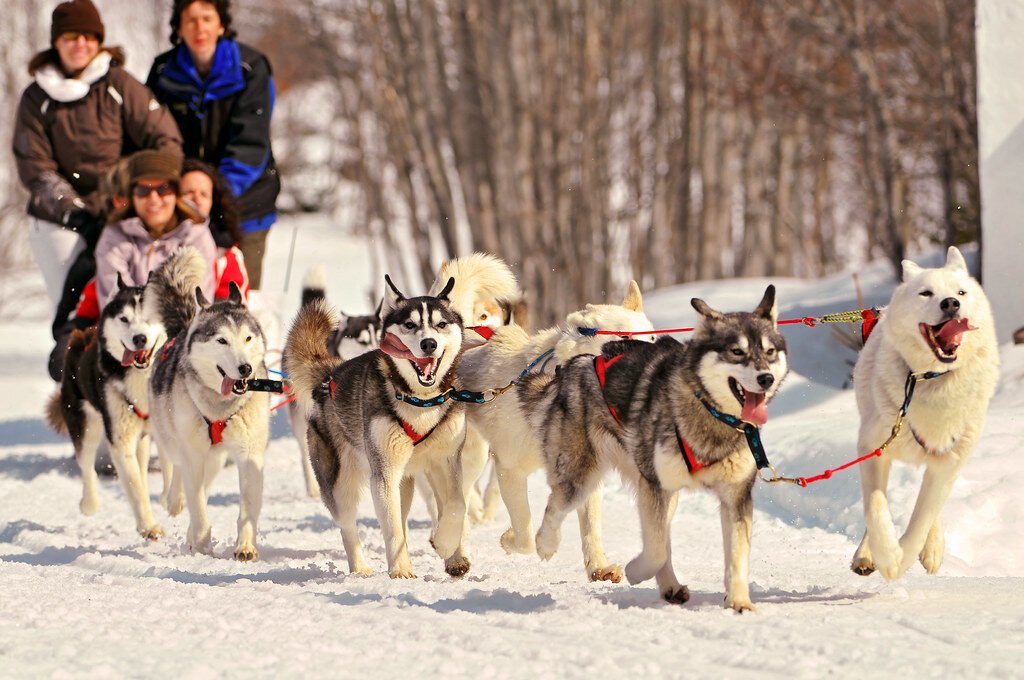
To understand your Husky, it helps to know what it was made for. The Siberian Husky was developed by the Chukchi people of northeastern Siberia, who needed a dog that could pull light loads across huge stretches of frozen ground while eating very little. Endurance, efficiency, and a strong bond with the group were what mattered, not guarding a house or fetching a ball.
The breed reached the wider world in the early 1900s, when sled dogs were brought to Alaska. Their fame was cemented in 1925, when teams of sled dogs relayed diphtheria serum to the town of Nome in a race against a deadly outbreak. Dogs like Balto and Togo became household names, and the Husky became a symbol of loyalty and toughness.
That history explains almost everything about the dog sleeping on your rug. The boundless energy? Bred in. The urge to run and keep running? Bred in. The stubborn streak? A sled dog that follows every command without thinking wouldn’t have survived a blizzard. Huskies were selected to think for themselves.
The Husky Personality
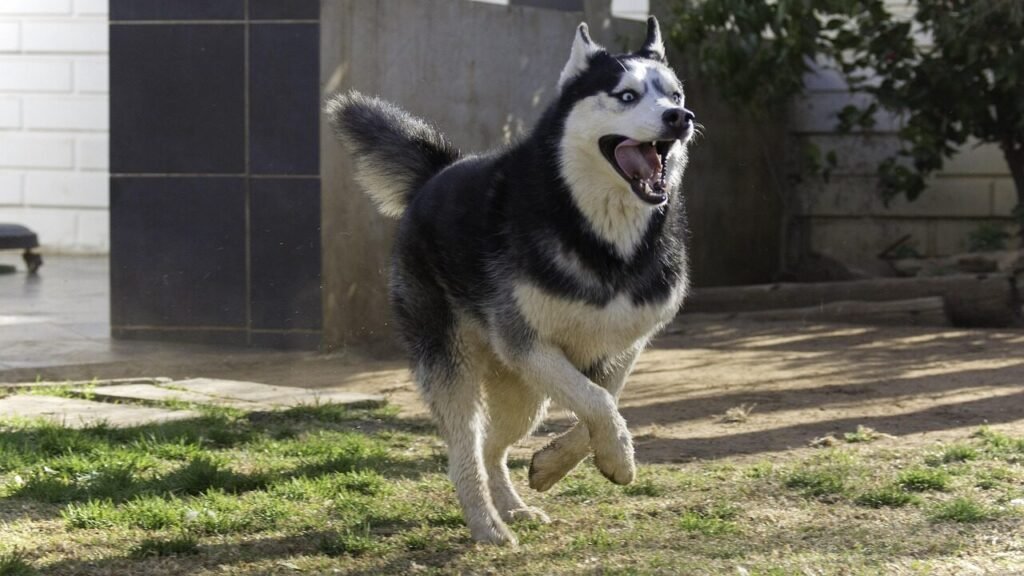
Ask ten Husky owners to describe their dogs and you’ll hear the same words: playful, mischievous, stubborn, affectionate, loud.
Huskies are famously friendly. They tend to greet strangers like long-lost cousins, which makes them terrible guard dogs but great social butterflies. Don’t expect a Husky to bark at an intruder. It’s far more likely to offer the burglar a toy.
They’re also deeply pack-oriented. A Husky wants to be part of whatever the family is doing, and left alone for long stretches it will find its own entertainment, usually the kind you’d rather it didn’t. Many owners say their Husky follows them from room to room, “helps” with cooking, and holds strong opinions about bedtime.
And yes, they talk. Huskies rarely bark much, but they howl, yodel, grumble, and groan in a whole range of tones. It sounds like a conversation, and if you answer back, the conversation usually continues. It’s adorable until it’s 6 a.m. and the dog wants breakfast now.
Exercise Is Not Optional
If there’s one thing to take away from this article, it’s this: a Husky needs a lot of exercise. Not a stroll around the block, but real, sustained activity, generally an hour or two every day for a healthy adult dog.
A tired Husky is a delight. A bored Husky is a demolition crew. Chewed furniture, shredded doors, holes across the garden, and nonstop howling are almost always symptoms of unspent energy rather than a “bad dog.”
The good news is that there are plenty of ways to work that energy off:
- Running and jogging. Many Huskies make superb running partners once they’re fully grown. Wait until your dog’s joints have matured, and check with your vet first.
- Hiking. Varied terrain and new smells wear out mind and body together, which is exactly what a Husky needs.
- Canicross, bikejoring, and skijoring. These are sports where the dog pulls you. They’re the closest thing to what the breed was designed for, and Huskies often light up doing them.
- Puzzle feeders and scent games. On rainy days, mental work can tire a dog nearly as much as physical work.
One caution: exercise a Husky in the cool parts of the day. More on that below.
The Great Escape Artists
Every Husky owner has an escape story. Usually several.
These dogs are athletic, clever, and curious, which is a dangerous combination for anyone with a garden gate. A Husky can dig under a fence, jump over one that seems tall enough, squeeze through gaps you didn’t know existed, and, terrifyingly, work out how to open latches. If your yard has a weakness, your Husky will find it.
If you’re planning to get one, you’ll want a secure fence at least six feet high, ideally with something buried or laid along the base to discourage digging. Check gates regularly and use latches that a clever nose can’t flip.
It’s also wise to accept a hard truth about off-leash time: most Huskies should not be trusted off-leash in open, unfenced areas. Their prey drive and love of running mean that a squirrel, a rabbit, or just an interesting horizon can override every recall command you’ve ever taught. Even well-trained Huskies have been known to vanish and turn up miles away. Use a long line, stick to fenced dog parks, and make sure your dog wears an ID tag and is microchipped.
Let’s Talk About the Fur
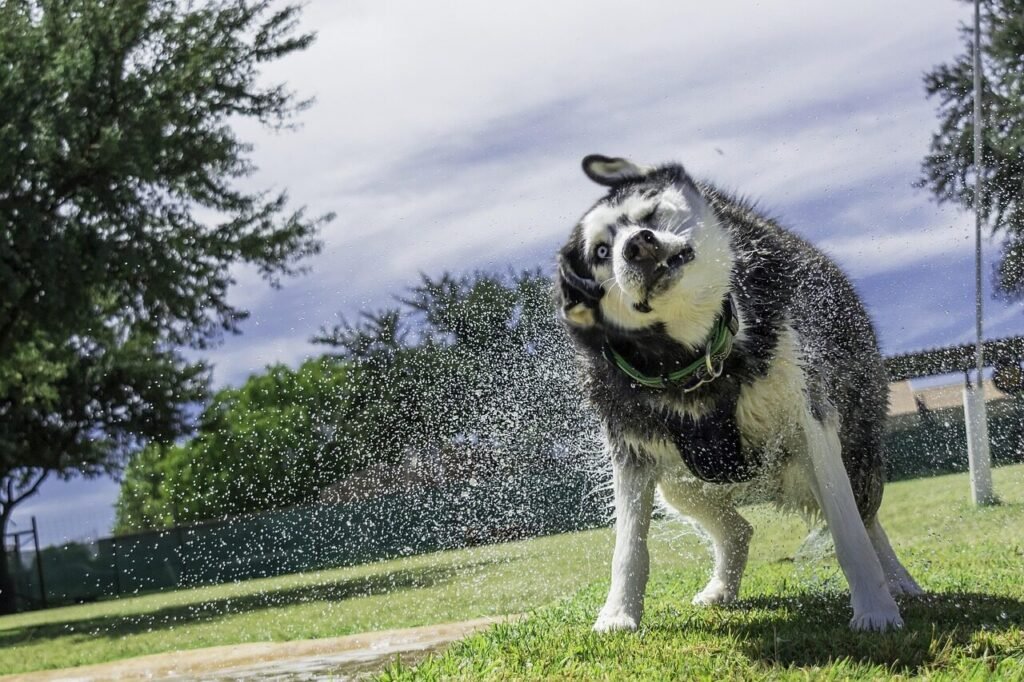
Prepare yourself. Huskies have a thick double coat, a dense, soft undercoat beneath longer guard hairs, designed to insulate them against extreme cold. It’s beautiful, and it sheds.
Huskies shed a bit all year, but twice a year they “blow” their coat, and the volume of loose fur is genuinely astonishing. During these periods, you’ll find fur on your clothes, in your food, and in places you can’t explain. Many owners joke that Husky hair is a food group and a spice.
A few things help:
- Brush regularly. A few times a week normally, daily during coat blowing. An undercoat rake and a slicker brush are worth the money.
- Bathe occasionally, not constantly. Huskies are naturally clean and have little “doggy” smell. Over-bathing strips their coat’s natural oils.
- Never shave your Husky. It’s tempting in warm weather, but the double coat actually helps regulate temperature, protecting against heat as well as cold. Shaving can damage the coat and leave your dog more vulnerable, not less.
A good vacuum, preferably a strong one, becomes a member of the household.
Heat, Cold, and Everything Between
Huskies handle cold beautifully, but that doesn’t mean they can’t live in warmer places. Many do, and happily, as long as owners take extra care.
In warm weather, exercise early in the morning or late in the evening, and always have fresh water available. Provide shade and a cool indoor space, since air conditioning is a real kindness for a Husky in a hot climate. Never leave a dog in a parked car, and learn the signs of heatstroke: heavy, frantic panting, drooling, weakness, and collapse. Heatstroke is an emergency and needs veterinary attention right away.
If you live somewhere consistently hot and humid, think carefully about whether a Husky is the right breed for you. It’s possible, but it takes more work.
Training a Smart, Stubborn Dog
Here’s a fun paradox: Huskies are very intelligent, and they’re not always easy to train. They understand what you’re asking. They’re just not always convinced it’s worth their time.
Success with a Husky usually comes down to a few principles:
Start early. Puppy socialization and basic obedience in the first months set the foundation. Expose your puppy to different people, sounds, surfaces, and other dogs while it’s young.
Use positive reinforcement. Harsh corrections tend to backfire with this breed. Treats, praise, and play work far better. A Husky that enjoys training will work with you. One that feels pressured will simply check out.
Keep sessions short and fun. Ten focused minutes beat an hour of drilling. Vary the exercises so your dog doesn’t get bored.
Be consistent. If the rules change depending on your mood, a Husky will exploit the loopholes without mercy.
Practice recall constantly, but don’t bet on it. Build the habit, reward it heavily, and still keep your dog on a leash or long line in unsecured areas.
Crate training also helps many Huskies, both for housetraining and as a safe space. Done gently, the crate becomes a den rather than a punishment. And plenty of patience helps too. Your Husky will test you, and that’s just part of the deal.
Feeding and Health
Huskies are efficient eaters, having been bred to run long distances on modest rations, so many don’t need as much food as you’d expect. A good-quality diet suited to the dog’s age and activity level is the foundation, and portions should be adjusted according to how active your dog actually is. An overweight Husky puts unnecessary strain on its joints, and it’s easy to overfeed a dog who looks at you with those eyes. Your vet can help you work out the right amounts.
As for health, Huskies are generally a sturdy breed, often living 12 to 14 years. Still, there are some conditions to be aware of:
- Eye problems, including juvenile cataracts, corneal dystrophy, and progressive retinal atrophy. Regular eye checks matter.
- Hip dysplasia, a joint condition that can affect mobility, though it’s less common in Huskies than in some larger breeds.
- Skin issues, sometimes related to diet or coat care.
If you’re buying a puppy, choose a breeder who health-tests their breeding dogs and is open about it. Or consider adoption: Husky rescues exist in many places, and there are always adults waiting for homes, often already past the chewing-everything puppy phase. Whichever route you take, regular vet visits, vaccinations, and parasite prevention are non-negotiable.
Huskies, Kids, and Other Pets
Huskies can be great with children. They’re playful, tolerant, and generally friendly. But their size and enthusiasm mean young kids can get knocked over in the excitement, so supervision matters, and children should be taught to treat dogs gently and respectfully.
With other dogs, Huskies usually do well, especially if socialized early. They’re pack animals and often enjoy canine company.
Small animals are a different story. That strong prey drive means cats, rabbits, hamsters, chickens, and other small pets can be at risk. Some Huskies who grew up with a cat will live peacefully with it, but many won’t, and even a “cat-friendly” Husky may chase the neighbor’s cat. If you have small animals, think hard, and never leave them unsupervised together.
What It Really Costs
Beyond the purchase or adoption price, a Husky is a real financial commitment. Quality food, vet care, insurance if you choose it, grooming tools, sturdy toys (they destroy the flimsy ones), training classes, secure fencing, and boarding or a dog-sitter when you travel all add up over a dozen-plus years.
There’s also the time cost, which is the one people underestimate. Daily exercise, grooming, training, and companionship are not weekend hobbies. They’re a daily routine, in all weather.
Is a Husky Right for You?
A Husky might be a great fit if you:
- Are active and love the outdoors, or want to become that person
- Have a secure yard, or the commitment to keep your dog safely contained
- Have time for daily exercise and training
- Can handle noise, mess, and fur with humor
- Are home reasonably often, or can arrange proper care when you’re not
- Are patient, consistent, and enjoy a dog with personality
You might want to think twice if you:
- Want a low-maintenance or highly obedient dog
- Work long hours away from home with no support
- Live in a small space with no way to exercise a dog well
- Have small pets that could be in danger
- Are bothered by shedding or vocal dogs
- Live somewhere very hot and can’t keep a dog cool
Being honest with yourself here is the kindest thing you can do for both of you. Sadly, Huskies are surrendered to shelters in large numbers every year, often because the owners underestimated what they were getting into.
The Payoff
So why do people keep coming back to Huskies, again and again?
Because when it works, it really works. There’s a joy in watching a Husky run flat out across an open field, all effortless grace. There’s the warmth of a dog that greets you like you’ve been gone for years, even if you only went to the mailbox. There’s the laughter at their antics, the snow-day zoomies, the dramatic sulks, and the singing at sirens. There’s the quiet moment on the sofa when all that wild energy finally settles and a heavy head rests on your knee.
A Husky won’t be the easiest dog you ever own. It might be the most entertaining, the most exasperating, and the most memorable. If you’re ready to put in the work, meet its needs, and laugh through the chaos, you’ll gain a companion with more character than most people you know.
Just do yourself a favor and buy a good vacuum first.