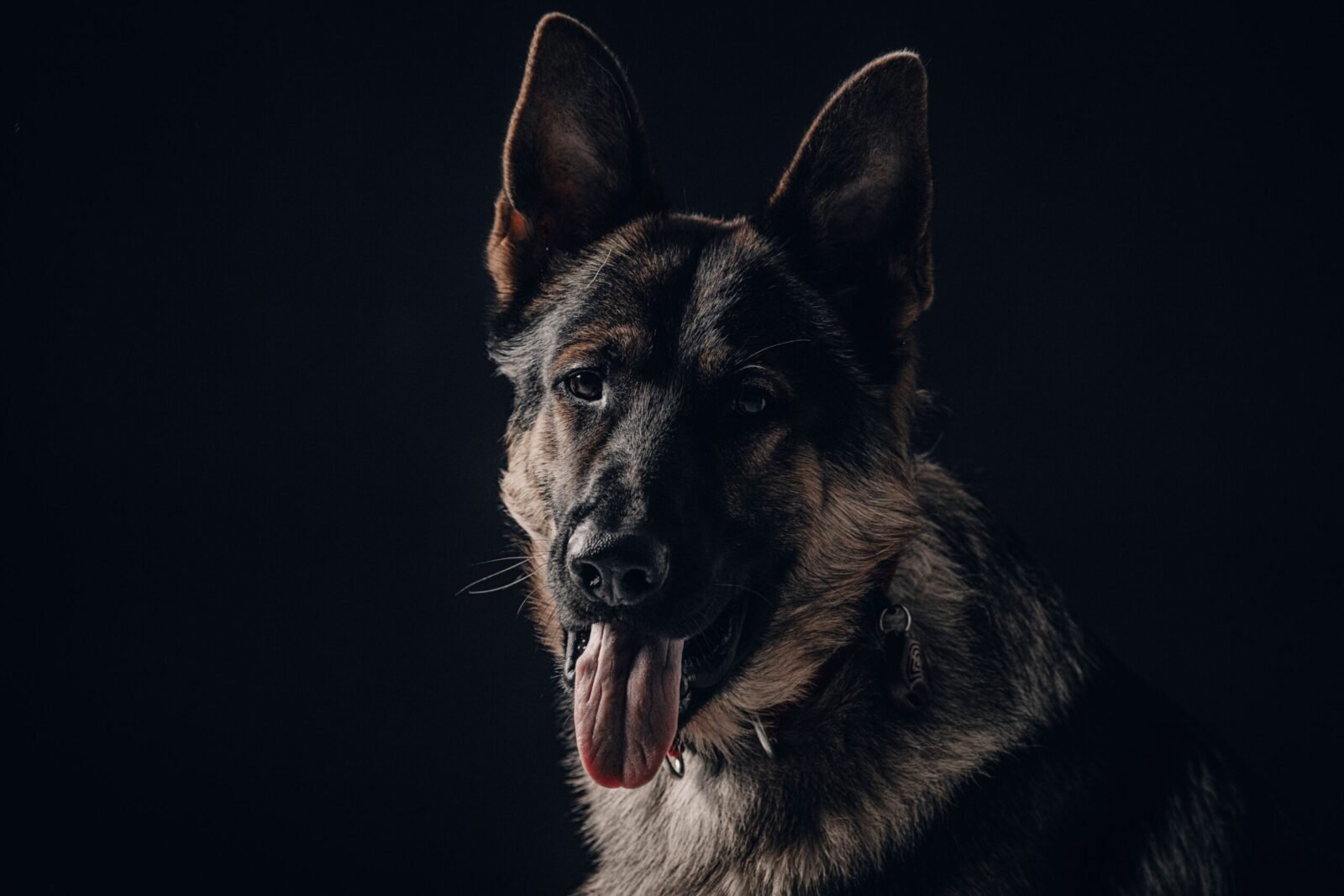
Few dogs carry as much reputation as the German Shepherd. Police departments, search-and-rescue teams, and armed forces have relied on them for over a century, and films and television have cemented their image as loyal, fearless, and brilliant. Behind the working-dog résumé is something that appeals to many households: a devoted companion that bonds deeply with its family, thrives on shared activity, and gives everyday life a sense of purpose.
A German Shepherd is not an easy dog for everyone, though. It is intelligent enough to get bored, energetic enough to wreck a sofa when under-exercised, and sensitive enough to notice every change of mood in the house. This guide covers what it is like to live with one as a pet, from temperament and training to health and grooming, so you can decide whether this remarkable breed fits your life.
A Brief History of the Breed
The German Shepherd is a relatively young breed. In the late 1800s, a German cavalry officer named Captain Max von Stephanitz set out to create the ultimate herding and working dog. He admired the intelligence, strength, and versatility of the region’s native shepherd dogs, and in 1899 he acquired a dog named Hektor Linksrhein, renamed Horand von Grafrath. Horand became the first registered German Shepherd, and von Stephanitz founded the breed club that same year.
His guiding principle was that a dog should be bred for usefulness first. Appearance mattered less than the ability to work, learn, and partner with a human. That philosophy explains the breed’s character today. German Shepherds want a job and a person to do it with.
After World War I, returning soldiers brought the breed to Britain and America, where it was sometimes called the “Alsatian” to avoid associations with Germany. Film stars like Rin Tin Tin helped make the breed a household name, and it has remained among the most popular dogs in the world ever since.
Appearance and Size
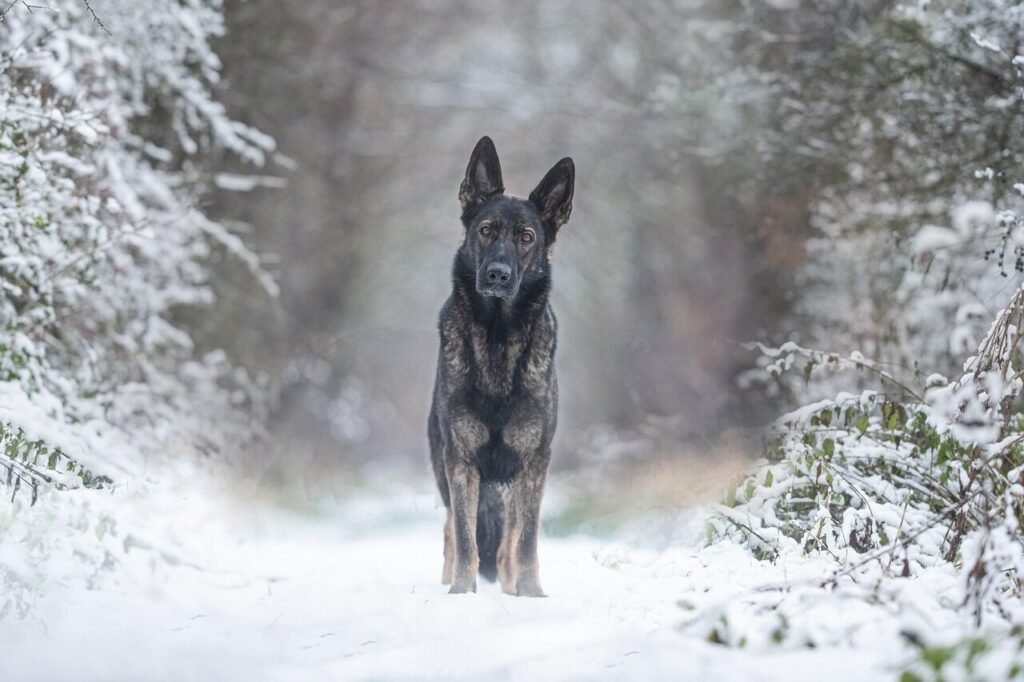
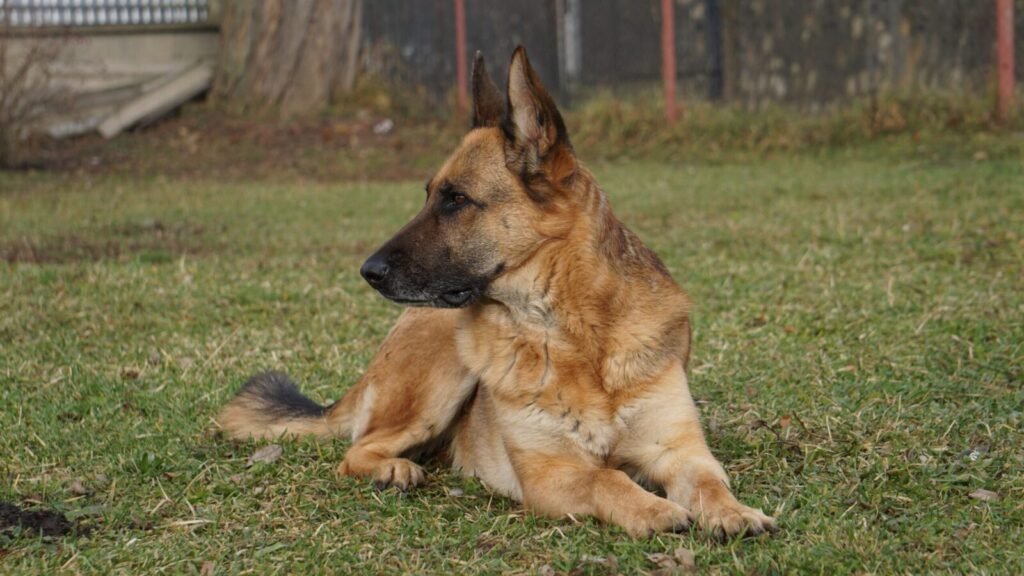
The German Shepherd is a medium-to-large dog with a noble, athletic build. Males typically stand 24 to 26 inches at the shoulder and weigh 65 to 90 pounds, while females are slightly smaller at 22 to 24 inches and 50 to 70 pounds. The body is slightly longer than it is tall, with a strong neck, deep chest, and a bushy tail that hangs low.
The ears are large and erect, giving the breed its alert expression. Puppies are born with floppy ears that usually stand up somewhere between four and six months of age, and the awkward in-between phase, with one ear up and one down, is one of the charms of raising a young Shepherd.
The coat is a weather-resistant double coat with a dense undercoat and a straighter outer layer. The best-known color pattern is black and tan, but sable, solid black, and bi-color coats are also common. Long-haired Shepherds exist too, with a fluffier coat that needs more upkeep.
Temperament and Personality
Ask a German Shepherd owner to describe their dog and you will hear the same words: loyal, smart, protective, and affectionate. A well-bred, well-raised Shepherd is confident without being aggressive, and it tends to be reserved with strangers while devoted to its own family. Many owners describe their dog as a shadow, following them from room to room.
This closeness is a strength and a challenge. Shepherds bond intensely, so they generally do poorly when left alone for long stretches. A bored, lonely Shepherd may bark, dig, chew, or develop anxiety-related habits. These dogs prefer to be part of the household rather than living in the yard.
The protective instinct is real. Most Shepherds will alert you to visitors and unusual sounds, and some will be watchful around unfamiliar people. That makes them excellent watchdogs, but it also means early socialization is essential. A Shepherd that has never met the wider world may misread harmless situations as threats.
Intelligence and Training
The German Shepherd consistently ranks among the smartest dog breeds. It learns new commands in a handful of repetitions, remembers them for years, and is eager to please. This is why the breed excels at obedience, agility, tracking, and service work.
Intelligence cuts both ways, however. A smart dog also learns bad habits quickly and gets bored by repetitive drills. Training should be consistent, fair, and varied, and it works best with positive reinforcement such as treats, praise, and play. Harsh methods tend to backfire with this sensitive breed, damaging trust and sometimes producing fearfulness or reactivity.
Start early. Begin basic training the day your puppy arrives home. Sit, stay, come, and loose-leash walking are the foundation, and short sessions of five to ten minutes several times a day suit a young puppy’s attention span.
Socialize deliberately. The critical window for socialization runs from about three to sixteen weeks. During this period, introduce your puppy to different people, surfaces, sounds, and, once vaccinations allow, other friendly dogs. Positive exposure at this age helps prevent fearfulness and over-protectiveness later.
Give the dog a job. Shepherds are happiest when they have a task. Fetching the newspaper, carrying a backpack on walks, learning tricks, or practicing scent games all give that working mind something useful to do.
Be the calm leader. Shepherds respond well to owners who are steady and predictable. They do not need harshness, only clear rules applied consistently by every member of the household.
Exercise and Mental Stimulation
A German Shepherd is not a couch potato. Most adults need at least one to two hours of activity every day, and a young dog may need more. A quick stroll around the block will not cut it.
Good exercise options include long walks, jogging, hiking, swimming, games of fetch, and dog sports such as agility, herding, or obedience trials. Because the breed is so mentally driven, physical exercise alone is not enough. Puzzle feeders, scent work, training sessions, and new routes on walks all help tire the mind.
Be careful with young dogs. Because their joints are still developing, puppies should avoid repetitive high-impact activity such as long runs or jumping from heights until they are fully grown, usually around 18 months to two years. Free play and moderate walks are better.
A Shepherd that gets enough exercise and attention is calm and well-behaved indoors. One that does not will find its own entertainment, and you may not like the choices.
Grooming and Shedding
Owners joke that German Shepherds have two shedding seasons: spring and the rest of the year. There is truth in the humor. The double coat sheds moderately all year and heavily twice a year, when the undercoat “blows” in large clumps.
Brushing two to three times a week keeps loose hair under control, and daily brushing helps during the heavy shed. An undercoat rake or deshedding tool works well. Bathing is only needed every few months, since frequent baths strip the natural oils that protect the skin and coat. Never shave a Shepherd, as the double coat helps regulate temperature in both hot and cold weather.
Beyond the coat, trim the nails regularly, check and clean the ears to prevent infections, and brush the teeth several times a week. Get used to a vacuum cleaner, because you will be running it often.
Common Health Concerns
German Shepherds are generally sturdy, with a typical lifespan of nine to thirteen years. Like many large breeds, however, they are prone to certain conditions, and knowing about them helps you catch problems early.
Hip and elbow dysplasia. These inherited joint malformations are among the most common issues in the breed and can lead to arthritis and pain. Reputable breeders screen their breeding dogs, and keeping your dog lean throughout life reduces the strain on the joints.
Degenerative myelopathy. This progressive disease of the spinal cord usually appears in older dogs and causes weakness in the hind legs. A genetic test is available, and responsible breeders use it.
Bloat (gastric dilatation-volvulus). Deep-chested dogs are at risk of this emergency, in which the stomach fills with gas and may twist. Feeding two or three smaller meals a day, avoiding hard exercise right after eating, and knowing the warning signs (a swollen belly, unproductive retching, restlessness) can save your dog’s life. If you suspect bloat, go to a vet immediately.
Skin and digestive problems. Allergies, hot spots, and sensitive stomachs are relatively common. Exocrine pancreatic insufficiency, a condition in which the pancreas does not produce enough digestive enzymes, also occurs more often in this breed.
Regular veterinary checkups, up-to-date vaccinations, parasite prevention, and a healthy weight are the best foundation for a long life. Pet insurance is worth considering given the potential for costly orthopedic care.
Feeding and Nutrition
A high-quality diet formulated for large breeds supports the German Shepherd’s muscles, joints, and coat. Puppies should eat a large-breed puppy formula, which controls calcium and calorie levels so that bones grow at a healthy pace rather than too fast. Adult dogs do well on a balanced adult food with quality protein as the first ingredient.
Portion sizes depend on age, weight, and activity level, so follow the feeding guidelines on the package and adjust with your veterinarian’s advice. Obesity is a major risk factor for joint disease, so keep treats in moderation and make sure you can feel, but not see, your dog’s ribs. Always provide fresh water, and split daily food into two or three meals to lower the risk of bloat.
Living With Children and Other Pets
Well-socialized German Shepherds are often wonderful with children. They tend to be patient, protective, and playful with the kids in their own family. Their size and enthusiasm, however, mean a young Shepherd can knock over a toddler without meaning to, and their herding instinct may lead them to nip at running children’s heels.
Supervise all interactions between dogs and small children, and teach kids to treat the dog respectfully: no pulling ears or tails, no disturbing the dog while it eats or sleeps. A dog that feels safe is a safe dog.
With other pets, early introductions matter. Shepherds raised alongside cats and other dogs usually get along fine, but some have a high prey drive or a tendency to be dominant with dogs of the same sex. Slow, supervised introductions and plenty of positive experiences make peaceful coexistence much more likely.
Is a German Shepherd Right for You?
This breed suits people who are active, home often, and willing to invest time in training and socialization. It thrives with owners who enjoy outdoor activity and want a dog that participates in their life rather than waiting at home. Ideal homes have a securely fenced yard, though a dedicated owner can meet the needs of a Shepherd in an apartment if exercise is truly prioritized.
A German Shepherd may not be a good match if you work long hours away from home, dislike dog hair, cannot commit to daily exercise, or want a low-maintenance pet. First-time owners can succeed with this breed, but they should be prepared to learn, attend training classes, and seek professional help if problems arise.
Finding Your Shepherd: Breeders and Adoption
If you choose a breeder, look for one who health-tests breeding dogs for hips, elbows, and degenerative myelopathy, welcomes visits, lets you meet the puppy’s parents, and asks you plenty of questions in return. Avoid sellers who always have puppies available, refuse health documentation, or sell through pet stores or anonymous online listings. A well-bred puppy costs more upfront, but it can save heartbreak and veterinary bills later.
Adoption is another excellent route. German Shepherd rescues and shelters often have adult dogs whose personalities are already known, which takes some of the guesswork out of the decision. Many are wonderful pets that simply landed in a home that could not handle their needs.
Final Thoughts
The German Shepherd earns its place among the world’s favorite dogs. It is intelligent, loyal, courageous, and versatile, and it will give a devoted family years of affection and companionship. In return, it asks for time, exercise, training, and a genuine place in the household.
If you can offer that, you will be rewarded with a dog that seems to understand you, guards your home, joins your adventures, and greets you at the door as if you were the most important person in the world. For the right owner, there is no better companion.