
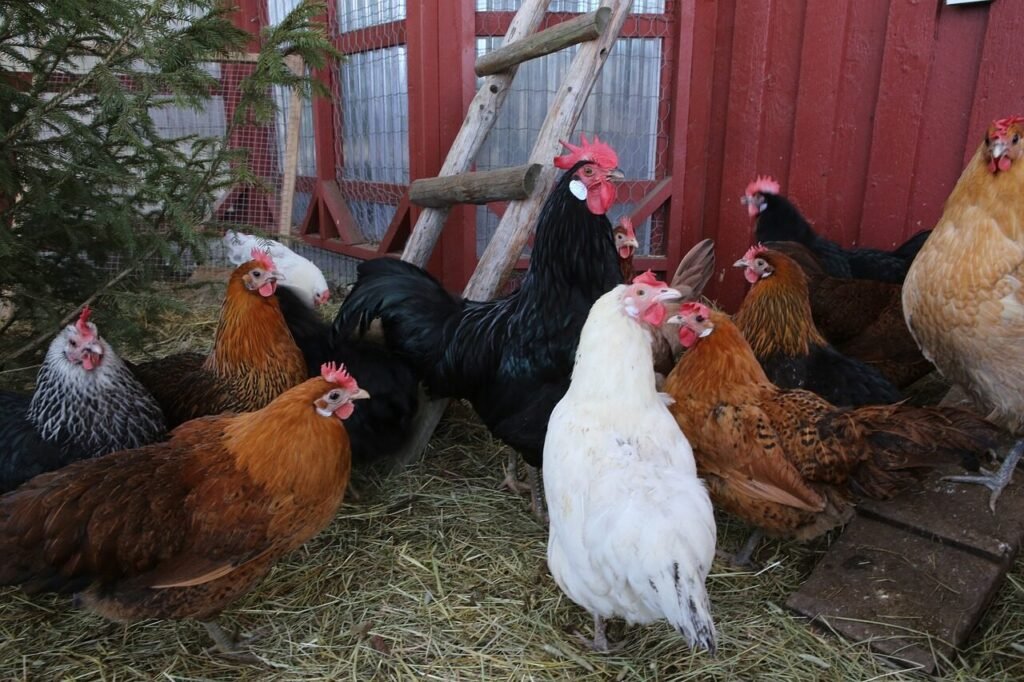

Chickens are among the most popular and useful animals kept by humans. For thousands of years, people around the world have raised chickens for eggs, meat, and companionship. Today, chickens are not only found on large farms but also in small backyards and urban homes. Their friendly personalities, relatively simple care requirements, and ability to produce fresh eggs make them a favorite choice for beginners and experienced animal keepers alike.
This article explores everything you need to know about chickens, including their history, breeds, benefits, care requirements, and why they have become such beloved animals around the world.
The History of Chickens
Chickens were first domesticated more than 7,000 years ago in Southeast Asia. They are believed to have descended from the wild red junglefowl, a bird species native to tropical regions. Early humans began keeping these birds for their eggs, meat, and even for religious or cultural purposes.
Over time, chickens spread across Asia, Europe, Africa, and eventually the Americas. As they traveled with humans, selective breeding created many different chicken breeds with unique colors, sizes, egg production abilities, and temperaments.
Today, chickens are one of the most widely raised animals on the planet. They play an essential role in global food production and are also increasingly popular as backyard pets.
Why People Raise Chickens
There are several reasons why people choose to raise chickens. One of the most common reasons is egg production. Fresh eggs from backyard chickens are often considered healthier and tastier than store-bought eggs. Chickens can lay anywhere from 150 to 300 eggs per year depending on the breed and care they receive.
Another major reason is meat production. Chickens grow relatively quickly compared to many other livestock animals, making them a practical source of protein for many households.
However, chickens are not only raised for food. Many people keep chickens as pets because they are social, curious, and entertaining animals. Chickens can recognize their owners, respond to routines, and even show individual personalities.
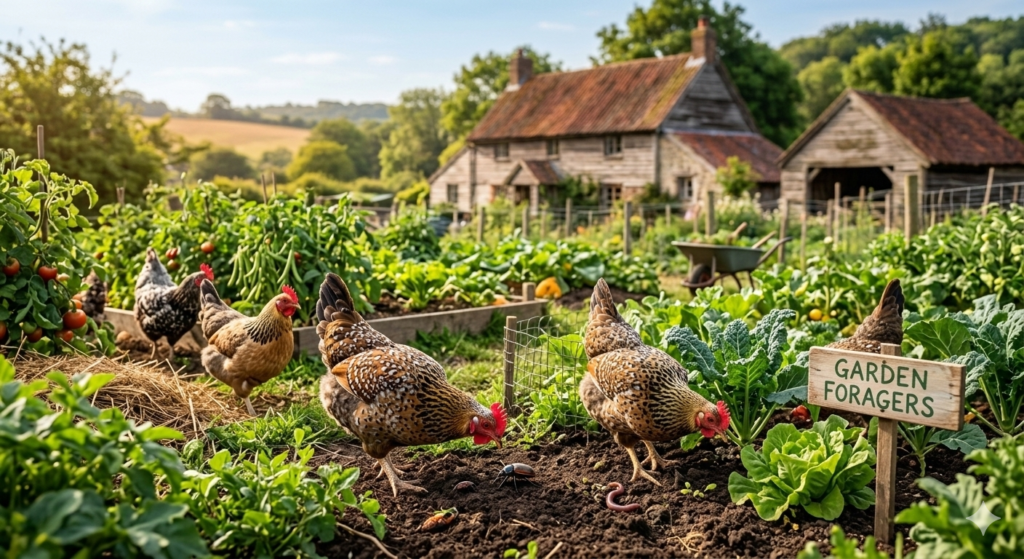
Additionally, chickens are helpful for gardens and farms. They eat insects, weeds, and food scraps, which helps control pests and reduce waste. Their manure also acts as a natural fertilizer that enriches soil.
Popular Chicken Breeds
There are hundreds of chicken breeds around the world, and each one has its own characteristics. Some breeds are known for excellent egg production, while others are raised primarily for meat or ornamental purposes.
One of the most popular egg-laying breeds is the Leghorn. Leghorns are famous for producing large numbers of white eggs and are widely used in commercial egg farming.
Another well-known breed is the Rhode Island Red. These chickens are hardy, adaptable, and excellent layers of brown eggs. They are a common choice for backyard farmers because they tolerate different climates and require relatively low maintenance.
The Plymouth Rock is another popular breed recognized for its distinctive striped feathers. Plymouth Rocks are friendly, calm birds that lay a steady supply of eggs and adapt well to backyard environments.
For people interested in ornamental chickens, breeds such as the Silkie are highly popular. Silkies have soft, fluffy feathers that resemble fur rather than traditional feathers. They are known for their gentle temperament and unique appearance.
Understanding Chicken Behavior
Chickens are social animals that live comfortably in groups known as flocks. Within each flock, chickens establish a social hierarchy called the “pecking order.” This hierarchy determines which chickens have priority when it comes to food, nesting spaces, and other resources.
Despite the term “pecking order” sounding aggressive, it is simply a natural way for chickens to maintain social balance within their group. Once the hierarchy is established, the flock typically lives peacefully.
Chickens communicate using a variety of sounds and body language. They produce different calls to warn of danger, announce egg-laying, or communicate with their chicks. Observing chickens can be surprisingly fascinating because of their complex social interactions.
Chickens are also curious animals. They enjoy scratching the ground in search of insects, seeds, and plants. This natural behavior helps keep them mentally stimulated and healthy.
Housing for Chickens
Providing proper housing is essential for keeping chickens healthy and safe. A chicken home is commonly called a coop. The coop protects chickens from harsh weather and predators such as foxes, snakes, dogs, and birds of prey.
A good chicken coop should include several important features. First, it must provide adequate space for the chickens to move comfortably. Overcrowding can lead to stress, aggression, and disease.
Second, the coop should have nesting boxes where hens can lay eggs. Nesting boxes offer a quiet and comfortable place for egg-laying and help keep eggs clean.
Third, roosting bars should be installed inside the coop. Chickens naturally prefer to sleep off the ground, so roosting bars give them a safe and comfortable place to rest at night.
Ventilation is also important. Fresh air helps reduce moisture and prevents respiratory problems. At the same time, the coop should be secure enough to protect chickens from predators.
Many chicken owners also provide an outdoor run or enclosed yard where chickens can roam during the day. This allows them to exercise, forage, and enjoy natural sunlight.
Feeding Chickens
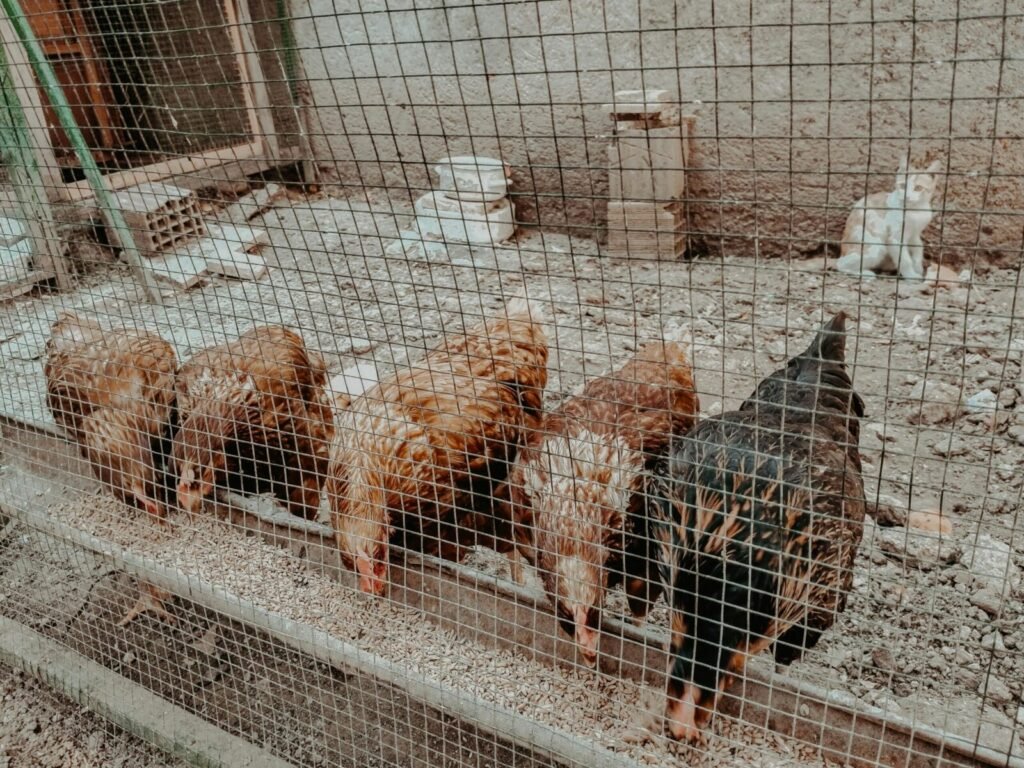
A balanced diet is essential for healthy chickens and consistent egg production. Most chicken owners feed their birds commercial poultry feed, which is specially formulated to provide the right balance of protein, vitamins, and minerals.
Layer feed is commonly used for hens that are producing eggs. It contains additional calcium to help hens develop strong eggshells.
In addition to commercial feed, chickens enjoy a variety of treats such as vegetables, grains, fruits, and kitchen scraps. However, treats should only make up a small portion of their diet.
Chickens should always have access to fresh, clean water. Water is just as important as food, especially during hot weather when chickens can become dehydrated quickly.
Another important part of a chicken’s diet is grit. Grit consists of small stones or sand that chickens swallow to help grind food inside their digestive system.
Health and Care
Keeping chickens healthy requires regular observation and proper care. Healthy chickens are active, alert, and have bright eyes and smooth feathers.
Common health issues in chickens include parasites, respiratory infections, and nutritional deficiencies. Maintaining a clean coop, providing balanced nutrition, and ensuring proper ventilation can prevent many of these problems.
Regular cleaning of the coop is important to reduce bacteria and pests. Bedding materials such as straw or wood shavings should be replaced periodically to keep the environment dry and sanitary.
Vaccinations may also be recommended in some areas to protect chickens from specific diseases. Local agricultural authorities or veterinarians can provide guidance on this topic.
The Benefits of Backyard Chickens
Backyard chickens offer numerous benefits beyond egg production. One major advantage is food sustainability. Raising chickens allows families to produce their own fresh eggs and sometimes meat, reducing reliance on commercial food sources.
Chickens also help reduce household waste. Many kitchen scraps that would otherwise be thrown away can be safely fed to chickens.
Another benefit is pest control. Chickens naturally eat insects such as beetles, grasshoppers, and larvae, which can help protect gardens.
For children and families, raising chickens can also be an educational experience. Caring for animals teaches responsibility, patience, and respect for nature.
Additionally, chickens can provide companionship. Many owners become attached to their birds and enjoy watching their daily routines and unique personalities.
Chickens in Modern Urban Life
In recent years, chickens have become increasingly popular in urban and suburban environments. Many cities now allow residents to keep small backyard flocks, provided they follow local regulations.
Urban chicken keeping is often motivated by interest in organic food, sustainability, and a closer connection to nature. Even in small spaces, a few hens can provide a steady supply of fresh eggs for a household.
However, responsible ownership is important. Chicken keepers must ensure proper housing, cleanliness, and noise management to maintain good relationships with neighbors.
Conclusion
Chickens are remarkable animals that have played an important role in human life for thousands of years. Whether raised for eggs, meat, gardening benefits, or companionship, chickens offer many advantages to people around the world.
With proper care, housing, and nutrition, chickens can live healthy and productive lives. Their friendly personalities, useful contributions, and relatively simple care requirements make them one of the best animals for beginners interested in raising livestock.
As interest in sustainable living continues to grow, backyard chickens are likely to become even more popular in the future. For many people, raising chickens is not just about food production—it is about building a stronger connection with nature and enjoying the simple pleasures of caring for animals.