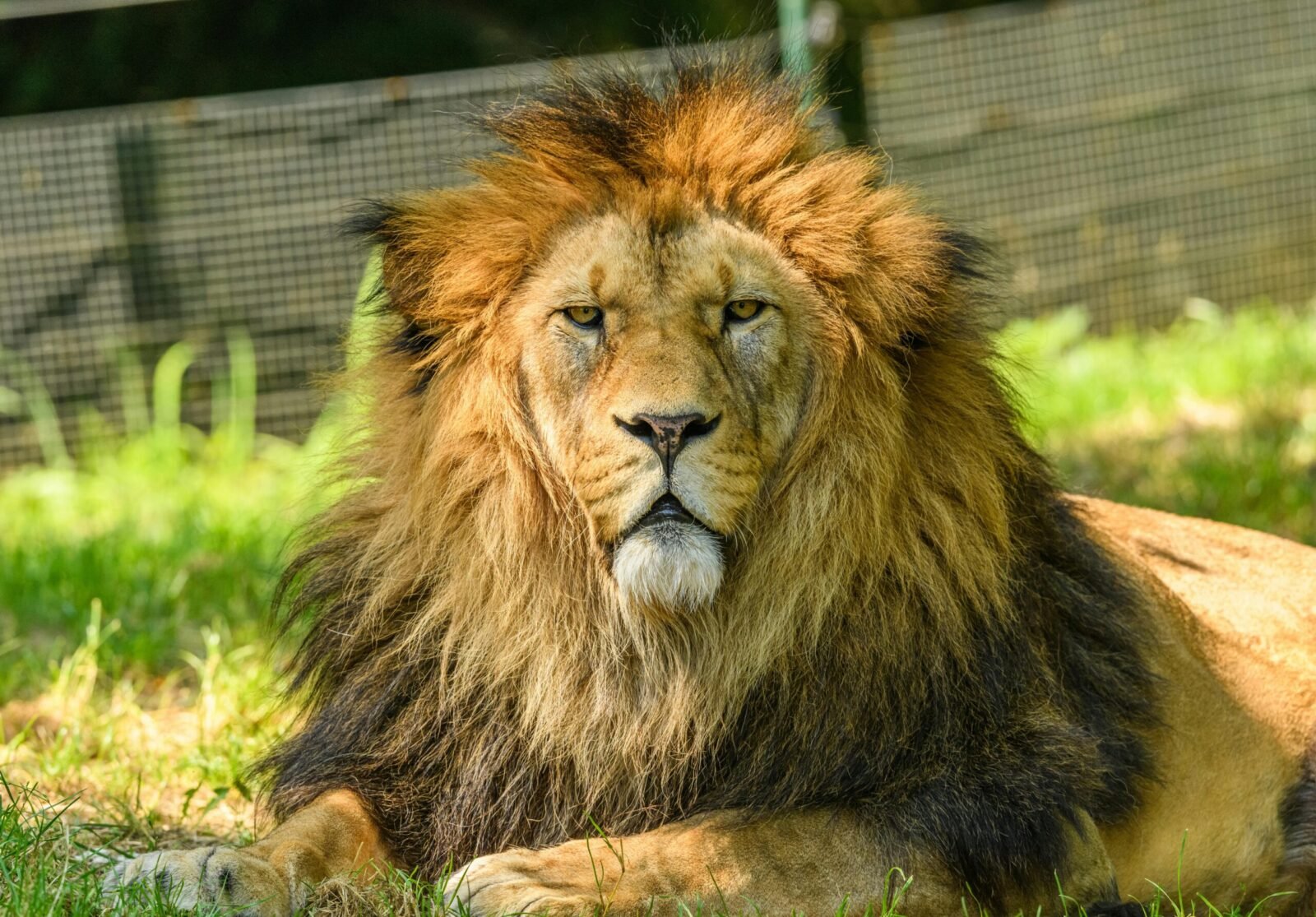
The image of a lion—the “King of the Jungle”—resting regally on a velvet sofa or prowling a suburban backyard is a powerful one, often fueled by viral videos and historical anecdotes of legendary bonds between man and beast. From the heartwarming story of Christian the Lion to modern-day influencers showcasing their exotic collections, the allure of the lion is undeniable. They represent power, beauty, and a connection to the raw, untamed world. However, the transition from a wild apex predator to a domestic companion is a journey fraught with immense ethical, physical, legal, and safety challenges. Keeping a lion as a pet is not a task for the enthusiast; it is a life-altering undertaking that pushes the boundaries of what is possible, and often what is responsible, in animal guardianship.
The Myth of Domestication versus Taming
To understand the reality of a pet lion, one must first distinguish between “taming” and “domestication.” Domestic animals, like dogs and cats, have undergone thousands of years of selective breeding to live alongside humans. Their genetic makeup has been altered to reduce aggression and increase social compatibility with people. A lion, even one born in captivity and hand-raised by humans, is not domestic. It remains a wild animal with millions of years of predatory instincts hardwired into its DNA.
Taming is a process of behavioral modification where an individual animal’s flight-or-fight response is suppressed through constant human interaction and food rewards. A tamed lion may exhibit affection, recognize its keeper, and even play. However, that “tame” veneer can vanish in a heartbeat. A sudden movement, a strange scent, or even a playful nip that would be harmless from a dog becomes a life-threatening event when delivered by a 180kg predator. The instinct to hunt, defend territory, and establish dominance never leaves a lion, making them perpetually unpredictable.
The Legal and Ethical Labyrinth
The legalities of owning a lion vary wildly across the globe. In many countries and several U.S. states, private ownership of “Big Cats” is strictly prohibited or requires intensive federal permits that are rarely granted to individuals. The recent passage of the Big Cat Public Safety Act in the United States, for example, significantly restricted the private possession of lions and tigers, aiming to end the era of backyard menageries. Prospective owners must navigate a complex web of zoning laws, insurance requirements, and animal welfare regulations.
Ethically, the conversation is even more strenuous. Many conservationists argue that the private trade of lions fuels illegal poaching and provides no benefit to the survival of the species in the wild. Furthermore, the welfare of the animal is a primary concern. Lions are highly social creatures that live in complex family groups known as prides. A pet lion, often kept in isolation or with only human “pride mates,” is deprived of the essential social structures that define its existence. Providing a truly “humane” life for a captive lion requires resources that are beyond the reach of almost every private citizen.
Space: Creating a Kingdom in Captivity
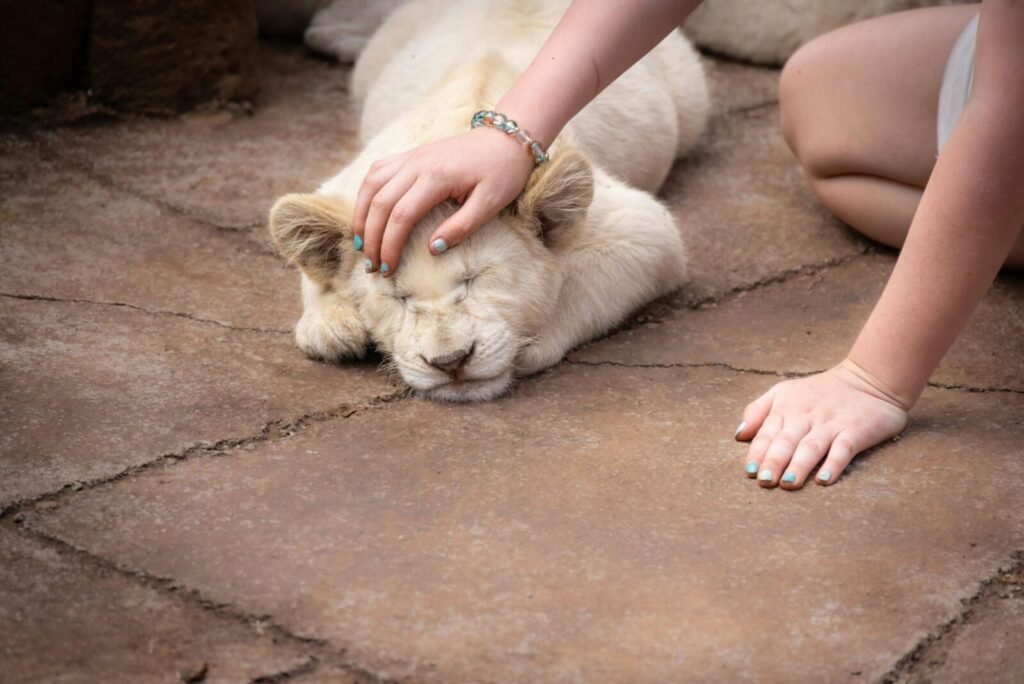
A standard backyard, or even a few acres of land, is woefully inadequate for a lion. In the wild, a pride’s territory can span hundreds of square kilometers. A captive lion requires a massive, high-security enclosure designed to withstand the sheer strength of an animal that can leap over 3 meters high and sprint at speeds of 80 km/h. These enclosures must be constructed with heavy-duty steel fencing, often reinforced with electric strands, and must include “double-entry” systems to ensure the animal never has a direct path to escape.
Beyond mere size, the environment must be enriched to prevent the psychological decay often seen in captive predators. A lion’s enclosure needs varied terrain, climbing structures, large water features for bathing, and shaded dens for privacy. Without constant environmental stimulation, lions develop “stereotypical behaviors,” such as endless pacing or self-mutilation. Creating a space that mimics a savanna while remaining escape-proof is a multi-million-dollar engineering feat that requires constant maintenance.
The Carnivore’s Kitchen: Nutritional Demands
Feeding a lion is a massive logistical and financial burden. An adult lion can consume anywhere from 5kg to 10kg of meat per day, but they often eat much more in a single sitting and then fast for several days, mimicking their natural hunting cycle. This meat cannot simply be store-bought ground beef; a lion requires “whole-carcass” nutrition to stay healthy. They need the bones, organs, hide, and connective tissue to receive essential vitamins, minerals, and taurine.
Managing a lion’s diet involves sourcing high-quality, disease-free carcasses—often whole cows, horses, or deer. This requires massive industrial-grade refrigeration and a ironclad stomach for the mess of feeding time. Improper nutrition is one of the leading causes of death in captive lions, resulting in metabolic bone disease, organ failure, and a weakened immune system. Furthermore, the waste produced by a lion is significant and must be managed daily to prevent the spread of disease and to mitigate the powerful odors that come with a purely carnivorous diet.
Veterinary Care: The Specialist Challenge
You cannot take a lion to the local neighborhood vet. Veterinary care for a big cat requires a specialist with experience in exotic carnivores and access to specialized equipment. Even a routine check-up involves full sedation, which carries its own set of high risks. Dealing with a sick or injured lion is a high-stakes operation; the sheer size of the animal means that even moving them for an X-ray requires a team of people and heavy machinery.
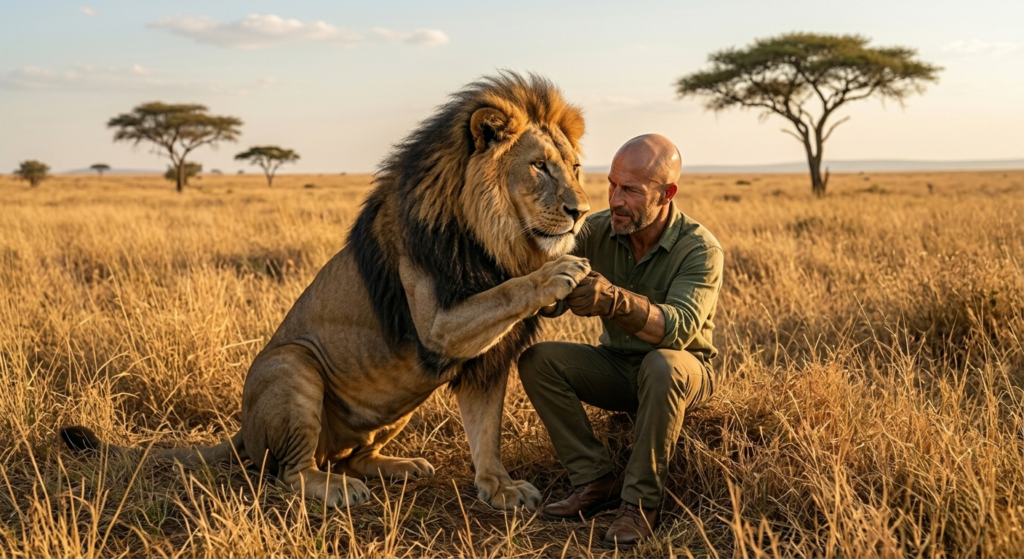
Many lions in private hands suffer from health issues caused by their upbringing. Cub petting operations often take cubs away from their mothers too early, leading to lifelong immune deficiencies. Additionally, many “pet” lions have been declawed—a barbaric practice that involves amputating the last bone of each toe. Declawing causes chronic pain, arthritis, and psychological distress, and it does not actually make the lion “safe,” as their jaw strength remains their most lethal weapon. Finding a vet willing to treat a privately owned lion can be difficult, as many professionals refuse to support the private trade of apex predators.
The Social Cost and Public Safety
Owning a lion is a social prison for the human keeper. You cannot have “guests” over for a barbecue if a lion is in the yard. You cannot go on vacation, as finding a “lion-sitter” is virtually impossible. The liability involved is staggering; most homeowners’ insurance policies will be immediately canceled if a big cat is on the premises. If a lion were to escape, the owner is not only legally responsible for any damage or injury but also bears the emotional weight of knowing the animal will likely be killed by authorities to ensure public safety.
The danger to the owner is also ever-present. Most attacks by “pet” lions happen during routine activities—cleaning the cage or feeding. A lion might simply be playing, but a “playful” swipe from a paw equipped with 4-centimeter claws can disembowel a human. The “alpha” dynamic is also a constant struggle. As a lion matures, it may challenge its owner for dominance, especially during mating seasons or feeding. Maintaining the “respect” of a lion is a 24/7 job that leaves no room for error.
The Tragedy of the “Surplus” Lion
The most heartbreaking aspect of the pet lion trade is what happens when the “cute” cub grows into a 200kg powerhouse. Most private owners realize within two years that they are in over their heads. At this point, the lion is often “surplus.” Because they are human-imprinted, they cannot be released into the wild—they lack the skills to hunt and would likely approach humans, leading to their death.
True sanctuaries for big cats are almost always at capacity. Many lions end up in substandard roadside zoos, sold into the “canned hunting” industry where they are shot in enclosures for trophies, or are simply euthanized because there is nowhere for them to go. The transition from a beloved “pet” to an unwanted burden is a common and tragic end for these majestic animals.
Admiration from a Distance
Lions are masterpieces of evolution, designed for the vast African plains and the intricate social life of the pride. They are symbols of the wild that deserve our profound admiration and protection. However, that admiration should not be confused with the desire for possession. The reality of a pet lion is one of confinement, extreme cost, and constant danger—both for the human and the cat.
For those who love lions, the most responsible way to “keep” them is to support conservation efforts that protect their natural habitats and to visit accredited sanctuaries where rescued lions are given a life of dignity without the pressure of human interaction. To truly respect the King of Beasts is to acknowledge that his throne is not in our living rooms, but in the wild spaces of the world where he can truly be a lion.

No responses yet