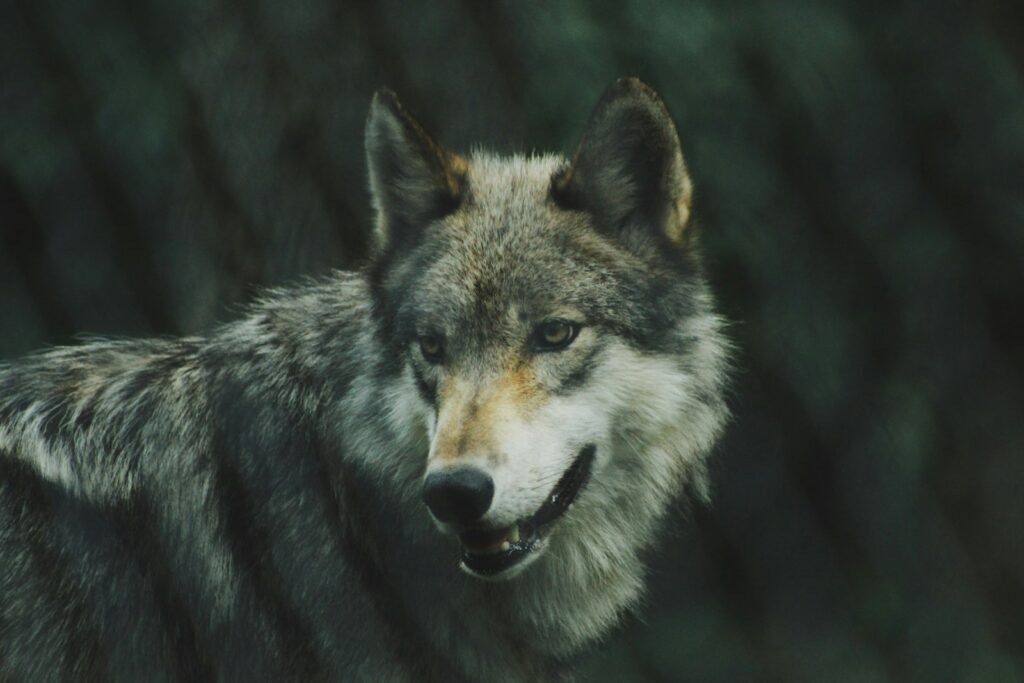

The image of the wolf is etched into the deepest corners of the human psyche. They are the shadows at the edge of the campfire, the ancestors of our “best friends,” and the ultimate symbols of untamed wilderness. For many, the desire to own a wolf—to bridge the gap between the domestic and the wild—is a powerful, almost primal pull. However, bringing a wolf into a human home is not a simple variation of dog ownership. It is an exercise in radical adaptation, where the human must essentially learn to speak “wolf” to survive the encounter. A pet wolf is not a pet in any traditional sense; it is a high-stakes, lifetime commitment to an apex predator that requires a complete restructuring of one’s life, environment, and expectations.
The Biological Divide: Dog vs. Wolf
To understand why keeping a wolf is so challenging, one must first understand the profound biological differences between Canis lupus (the wolf) and Canis lupus familiaris (the domestic dog). While they share a common ancestor and over 99% of their DNA, the 1% difference represents 15,000 to 30,000 years of divergent evolution.
Dogs have been selectively bred for “neoteny,” which is the retention of juvenile traits into adulthood. A domestic dog, even as an adult, looks to its human as a parent figure, seeks constant approval, and possesses a “soft” temperament designed for cooperation. A wolf, conversely, is an animal designed for total independence and survival in a brutal natural world. They reach social and physical maturity at two to three years old, at which point their wild instincts—territoriality, pack hierarchy, and predatory drive—become fully operational. A wolf does not want to please you; it wants to find its place in the “pack,” and if you do not provide consistent, calm, and firm leadership, the wolf will naturally attempt to take that role.
The Legal and Regulatory Maze
Before considering the logistics, one must face the legal reality. In many jurisdictions, owning a pure wolf is strictly illegal. In others, it is regulated under “Dangerous Wild Animal” acts, requiring specialized permits, high-cost insurance, and regular inspections by wildlife authorities. Even in areas where ownership is legal, many owners opt for “wolfdogs” (hybrids), which carry their own set of unpredictable genetic traits.
Prospective owners must also contend with the “Rabies Paradox.” In many regions, there is no legally recognized rabies vaccine for wolves or high-content wolfdogs. This means that if a pet wolf so much as nips a stranger—even in play—health authorities may be legally required to euthanize the animal to test its brain tissue for rabies, regardless of whether the owner has administered a standard canine vaccine. This legal vulnerability creates a life of constant vigilance and isolation for the owner.
The Architecture of Confinement: Building a Territory
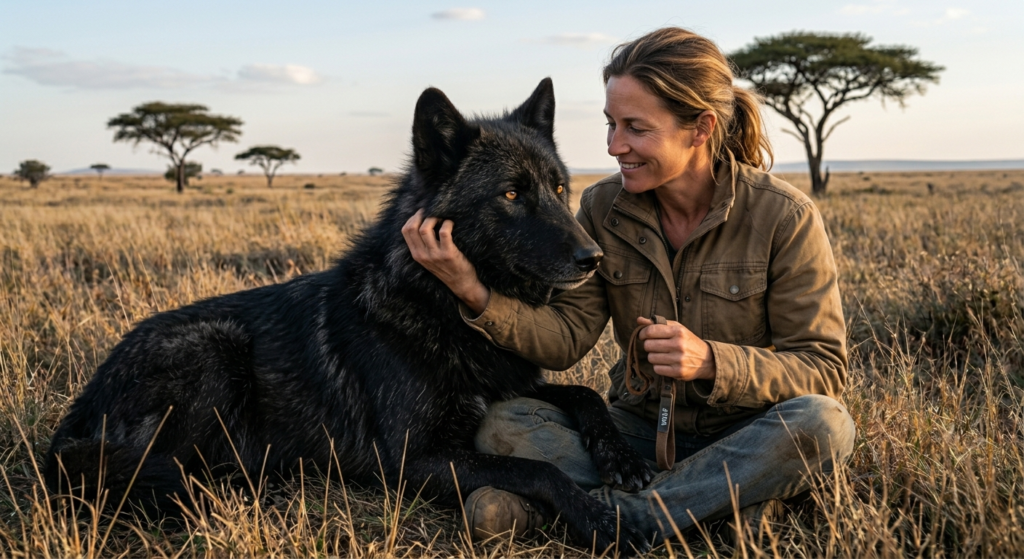
A wolf cannot live in a house. While many “pet” wolves spend time indoors as pups, the adult wolf is a destructive force of nature. Their jaws can exert pressures of over 1,500 psi, allowing them to chew through drywall, furniture, and even standard wooden doors in minutes. Furthermore, wolves are notoriously difficult to housebreak. In the wild, marking territory with urine and feces is a vital communication tool; in a living room, it is a disaster that standard cleaning cannot resolve.
An adult wolf requires a massive, specialized outdoor enclosure. This is not a “kennel” but a fortress. A wolf enclosure must be at least 0.5 to 1 acre in size, with fencing at least 2.5 to 3 meters high, topped with “lean-ins” to prevent the wolf from climbing out. Because wolves are expert diggers, the fence must also extend at least 1 meter underground or be attached to a concrete “apron” to prevent escape. The cost of such a structure often runs into the tens of thousands of dollars.
Dietary Requirements: The Raw Truth
Feeding a wolf is a visceral reminder of their predatory nature. They cannot thrive on commercial dog kibble, which is often too high in carbohydrates and lacking in the specific enzyme profiles wolves need. A wolf’s diet must consist primarily of raw meat, bones, and organs.
An adult wolf consumes between 1kg and 2.5kg of meat per day. To maintain their health, this meat should be “whole prey” whenever possible—deer, elk, or livestock carcasses. This requires massive freezer storage and a source of raw, unproceessed meat. The act of feeding is also a critical behavioral moment; wolves are highly food-aggressive. In a pack, the “Alpha” eats first, and a pet wolf will fiercely guard its meal, making the feeding area a “no-go” zone for humans and other pets.
Social Dynamics and the “Pack” Mentality
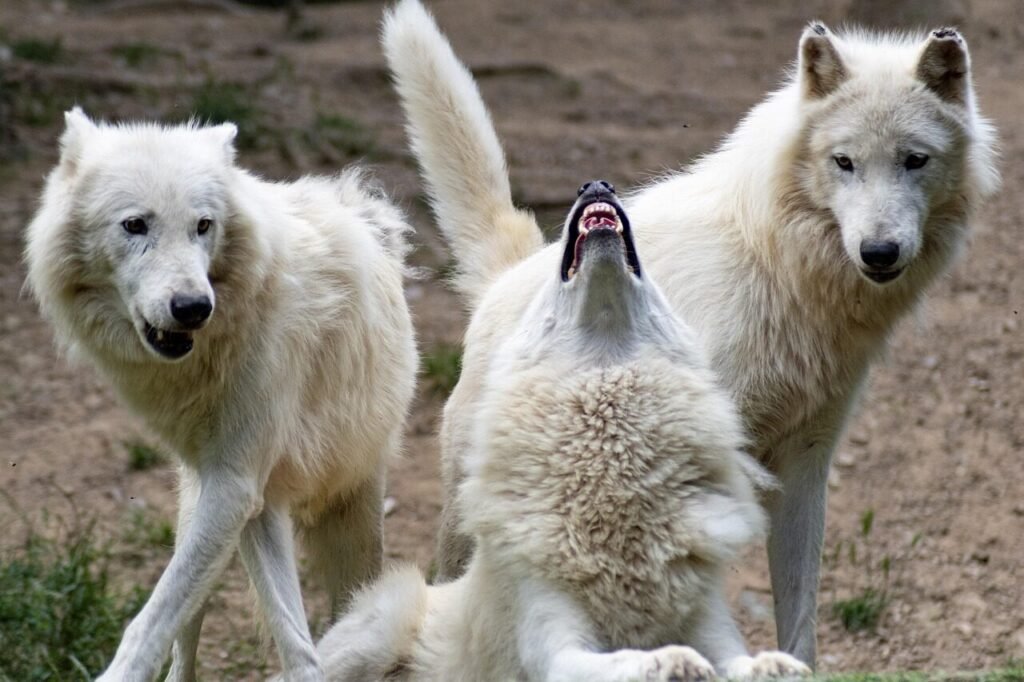
Lions live in prides, but wolves live in families. A wolf is a social obligate; being left alone is a form of psychological torture for them. This creates a massive problem for the human owner. If you are the wolf’s “pack,” you can never leave. Separation anxiety in wolves is extreme, often leading to self-mutilation or the destruction of the enclosure if the owner is gone for even a few hours.
Furthermore, the “social contract” with a wolf is constantly being renegotiated. As the wolf reaches sexual maturity, it will “test” the members of the household to see where it sits in the hierarchy. This is not “aggression” in the human sense, but natural wolf behavior. However, a “test” from a 50kg wolf involves growling, snapping, and physical posturing that can be terrifying and dangerous for the unprepared. Owners must be experts in reading subtle body language—the position of the ears, the tension in the muzzle, and the carriage of the tail—to de-escalate conflicts before they turn into physical confrontations.
The Veterinary Challenge
Finding medical care for a wolf is a significant hurdle. Most domestic veterinarians are not trained to handle wild canids and may refuse to treat them due to liability or lack of specialized knowledge. Routine procedures, such as blood draws or dental checks, often require full sedation. Wolves are also susceptible to standard canine diseases like parvo and distemper, but their immune responses can be different, and they are masters at “masking” illness. By the time a wolf shows signs of being sick, the condition is often advanced and life-threatening.
The Impact on the Human Life
Owning a wolf is an act of social isolation. You cannot have “playdates” with other dogs; a wolf will likely see a strange dog as an intruder on its territory or as prey. You cannot have neighborhood children over, as a wolf’s predatory drive can be triggered by the high-pitched screams and erratic movements of small humans.
Travel becomes impossible. There are no “wolf hotels,” and standard boarding facilities will not take them. The owner becomes a prisoner of the enclosure, bound by the daily needs of a creature that cannot adapt to the human world. The financial burden is also perpetual—meat costs, enclosure maintenance, and specialized vet bills can exceed $5,000 to $10,000 annually.
The Tragedy of the “Mid-Life” Wolf
The most common age for a pet wolf to be abandoned or euthanized is between 18 and 36 months. This is the age of “winter wolf syndrome,” where the animal’s adult hormones kick in and its wild instincts become dominant. The cute, “dog-like” pup suddenly becomes a defiant, territorial, and destructive adult.
Because wolves are human-imprinted, they cannot be “released into the wild.” They would seek out human settlements for food and be shot. Most wolf sanctuaries are perpetually full, and domestic shelters are legally prohibited from adopting out wolves or high-content hybrids. Consequently, many pet wolves meet a premature end when their owners realize they can no longer control the “ghost” they invited into their foyer.
Conclusion: Respecting the Wild
The desire to live with a wolf often stems from a deep love for nature and a wish to be “one with the wild.” However, the greatest act of love one can show a wolf is to let it be wild. Keeping a wolf in a backyard, no matter how large the enclosure, is a shadow of the life they were meant to lead—traversing hundreds of miles of forest, hunting in a natural pack, and living by the ancient laws of the wilderness.
For the vast majority of people, the “wolf itch” is better scratched by adopting a high-energy, wolf-looking dog breed like a Siberian Husky or an Alaskan Malamute, or by supporting wolf conservation and observing these magnificent animals from a distance in their natural habitat. To truly honor the wolf is to respect the boundary between our world and theirs, acknowledging that some spirits are meant to remain untamed.