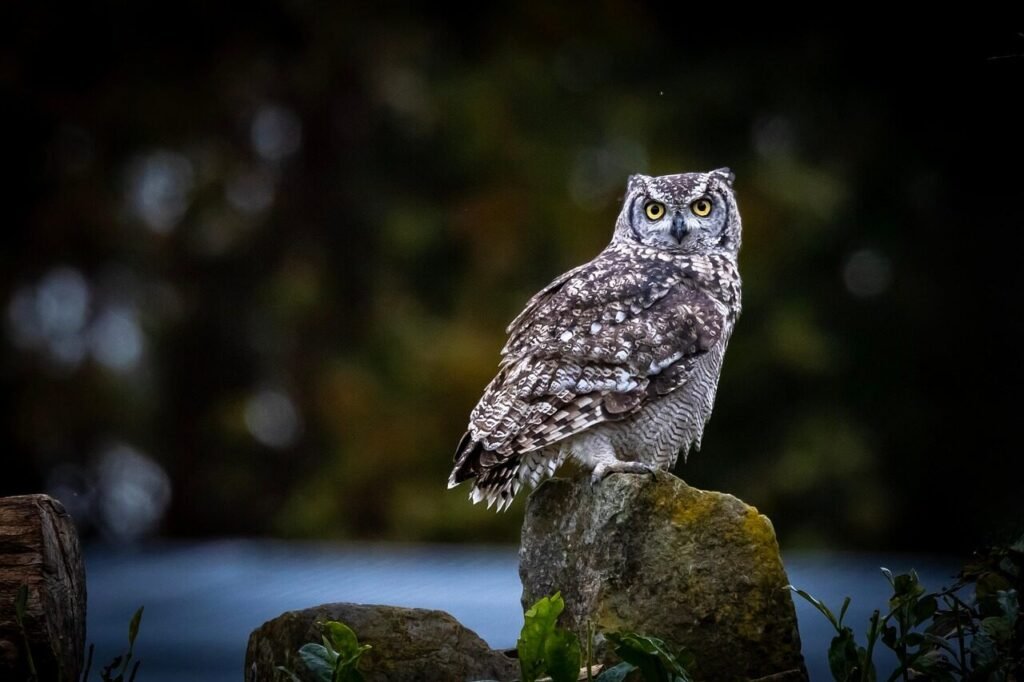

The silent flight, the piercing gaze, and the aura of ancient wisdom—owls have captivated human imagination for millennia. From the messengers of Athena to the magical couriers of modern fantasy, these nocturnal raptors occupy a unique space in our cultural psyche. It is no wonder, then, that many bird enthusiasts find themselves drawn to the idea of keeping an owl as a pet. However, the reality of living with a “parliament” of one is vastly different from the whimsical depictions seen on screen. Owning an owl is not merely a hobby; it is a profound, demanding, and often life-altering commitment that requires a deep understanding of avian biology, specialized legal knowledge, and an unwavering dedication to the well-being of a creature that is, at its core, a wild predator.
The Legal Landscape and Ethical Considerations
Before one can even consider the physical requirements of an owl, the legal hurdles must be cleared. In many parts of the world, including the United States, the United Kingdom, and various European nations, owning an owl is strictly regulated. In the U.S., for instance, the Migratory Bird Treaty Act makes it illegal to possess, transport, or sell native owl species like the Great Horned Owl or the Screech Owl without specific federal and state permits, which are typically only granted for educational, research, or falconry purposes. Exotic species, such as the Spectacled Owl or the Eurasian Eagle-Owl, may be legal in certain jurisdictions, but they often require specialized CITES permits. Prospective owners must conduct exhaustive research into local laws to avoid heavy fines or the confiscation of the bird.
Beyond the legalities lies the ethical debate. Owls are not domesticated animals like dogs or cats; they have not undergone thousands of years of selective breeding to live alongside humans. Every pet owl remains a wild animal with instincts honed for survival in the wilderness. This leads to a fundamental question: Is it ethical to keep a solitary, wide-ranging predator in a captive environment? For those who choose to proceed, the responsibility to provide a “naturalistic” life is immense. The goal is not to turn the owl into a lap pet—which they will never be—but to act as a steward for a magnificent biological entity.
Understanding the Nocturnal Nature
The most defining characteristic of most owls is their nocturnal or crepuscular lifestyle. While humans are diurnal, waking with the sun and sleeping at night, owls are just beginning their day as the twilight fades. This biological mismatch is one of the primary sources of friction for unprepared owners. An owl will be most active, vocal, and demanding during the hours when its human caretaker is trying to sleep. This isn’t just about occasional hooting; it involves the sounds of flight, the scratching of talons against perches, and the potential for territorial vocalizations that can carry through thin walls.
Furthermore, their specialized senses dictate their environment. An owl’s hearing is so sensitive that it can detect a mouse moving under a foot of snow. In a domestic setting, common household noises—a vacuum cleaner, a television, or even loud music—can be incredibly stressful for them. Adapting a home for an owl means creating a quiet, low-stress environment where the bird can retreat during the bright daylight hours. They require a “mews”—a large, specialized outdoor or indoor enclosure—that allows them to hide from direct sunlight and feel secure from perceived threats.
Dietary Demands: The Reality of the Predator
Feeding a pet owl is perhaps the most visceral challenge for the average person. Unlike parrots, which can thrive on pellets, fruits, and seeds, owls are obligate carnivores. Their digestive systems are designed to process whole prey: mice, rats, day-old chicks, and occasionally quail or rabbits. An owner must be comfortable handling, storing, and preparing whole carcasses. This is not a task for the squeamish. To maintain the bird’s health, the prey must be high quality and often “whole,” as the owl derives essential calcium and minerals from the bones and fur or feathers of its meal.
The aftermath of an owl’s meal is equally significant. Because they cannot digest the bones, fur, or feathers of their prey, owls compress these materials in their gizzard and regurgitate them as “pellets” several hours after eating. Finding these pellets around the enclosure is a daily reality of owl ownership. Additionally, their waste—known as “mute”—is highly acidic and can be projectile. Keeping an owl’s environment clean requires a rigorous daily schedule of scrubbing perches and floors to prevent the buildup of bacteria and the degradation of the enclosure materials.
Physical Space and Environmental Enrichment
An owl cannot be kept in a standard birdcage. Such confinement leads to “bumblefoot” (a painful foot infection) and damaged feathers. A proper owl mews must be large enough for the bird to fly short distances and stretch its wings fully. For a larger species like the Eurasian Eagle-Owl, this enclosure might need to be the size of a small room or a large outdoor shed. The flooring should be easy to clean, and the perching must be varied—using natural wood, rope, and specialized mats to ensure the health of their sensitive talons.
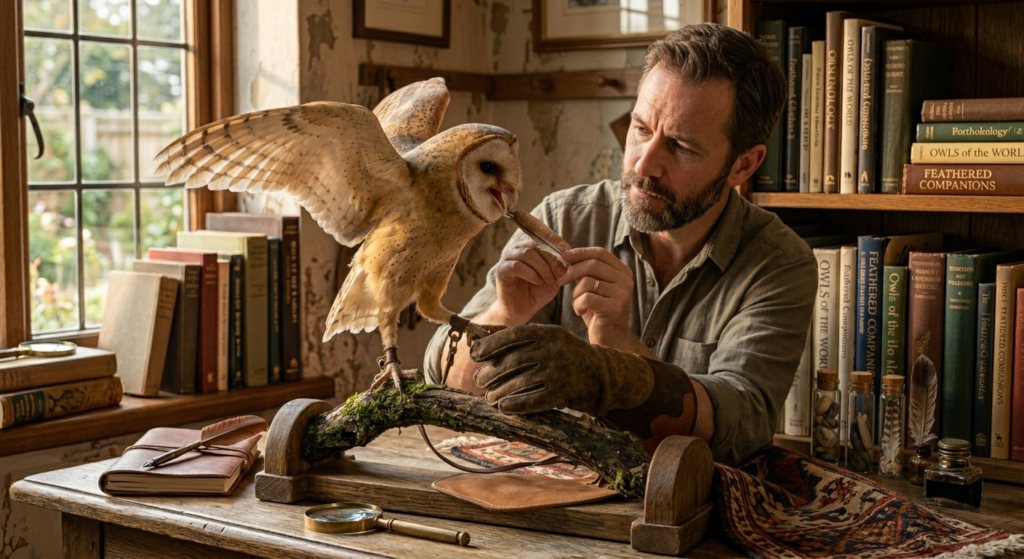
Enrichment is vital for a creature as intelligent and observant as an owl. In the wild, their day is occupied by hunting and territorial defense. In captivity, boredom can lead to self-mutilation or aggressive behavior. Enrichment for an owl doesn’t look like a bell or a mirror for a parakeet; it involves “food puzzles,” varied perching heights, and opportunities for “bath time.” Most owls love to bathe in shallow water to keep their feathers in top condition. Providing a safe, clean space for this behavior is essential for their physical and mental hygiene.
Training and the “Bond”
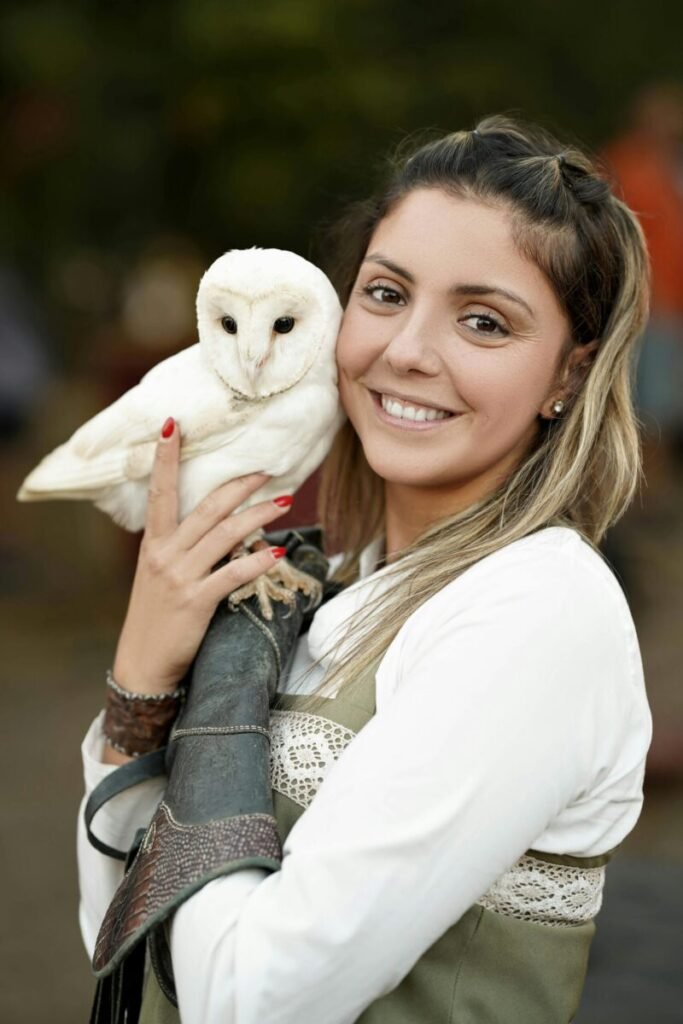
One of the most common misconceptions is that an owl will bond with its owner like a dog. While owls can recognize their caretakers and may even show signs of “friendship” or trust, their primary motivation is food and security. They do not seek out physical affection; in fact, many owls find being petted or cuddled extremely stressful, as it mimics the behavior of a predator or a rival. Training an owl is almost exclusively done through positive reinforcement and weight management—a technique used in falconry where the bird is kept at a specific “hunting weight” to ensure it is motivated to return to the handler.
This training requires extreme precision. An owl that is too heavy will ignore its handler and may become “independent” or aggressive. An owl that is too light is at risk of starvation or illness. For the average pet owner, this level of biological monitoring is incredibly difficult. Furthermore, owls have incredibly powerful talons and sharp beaks. Even a “tame” owl can cause serious injury if it becomes frightened or if its predatory instinct is triggered by a sudden movement. Wearing a heavy leather gauntlet is a mandatory safety measure for any interaction involving the bird’s feet.
Health, Longevity, and Specialized Care
Owls are masters at hiding illness—a survival trait from the wild where showing weakness invites predation. By the time an owl looks sick to the untrained eye, it is often critically ill. Finding an avian veterinarian who is specifically trained in raptor medicine is essential, and these specialists are often rare and expensive. Routine check-ups involve fecal analysis, blood work, and beak/talon trimming.
Longevity is another factor that many fail to consider. Depending on the species, a captive owl can live anywhere from 15 to 30 years, and some larger species have been known to reach 50. This is a multi-decadal commitment. Because owls are so specialized and difficult to rehome, an owner must have a long-term plan for the bird’s care. If the owner’s life circumstances change—such as moving to a city, starting a family, or traveling for work—the owl cannot simply be given to a local animal shelter. Most shelters are not equipped to handle raptors, and many sanctuaries are already at capacity.
The Impact on Lifestyle
The social and personal cost of owning an owl is high. It is virtually impossible to find a “pet sitter” for an owl. You cannot leave a bowl of kibble out and go away for the weekend. The bird requires fresh food daily and consistent monitoring. Vacations become a logistical nightmare, often requiring the owner to stay home or find a fellow raptor enthusiast to step in.
Additionally, the presence of an owl can be dangerous for other pets. A small dog or a cat is not a “friend” to an owl; it is either a potential predator or, more likely, potential prey. Keeping an owl in a multi-pet household requires strict separation and constant vigilance to prevent a tragedy. Even human interactions change; you cannot have guests over who might startle the bird or try to touch it without supervision.
Conclusion: Respect Over Possession
In conclusion, pet owls are magnificent, complex, and demanding creatures that command respect rather than simple affection. They are not pets in the traditional sense; they are wild animals that allow us a glimpse into their prehistoric world under very specific, controlled conditions. For the 99% of people, an owl is better admired in the wild, at a rehabilitation center, or through the lens of a nature documentary.
However, for the rare individual who possesses the legal permits, the financial resources, the physical space, and the unwavering stomach for the realities of raptor life, an owl can be a fascinating companion. It is a relationship built on observation and mutual respect. To live with an owl is to accept their terms—the nighttime hoots, the frozen mice in the freezer, and the fierce, independent spirit that refuses to be tamed. If you can provide all that, you aren’t just an owner; you are a guardian of one of nature’s most incredible hunters.