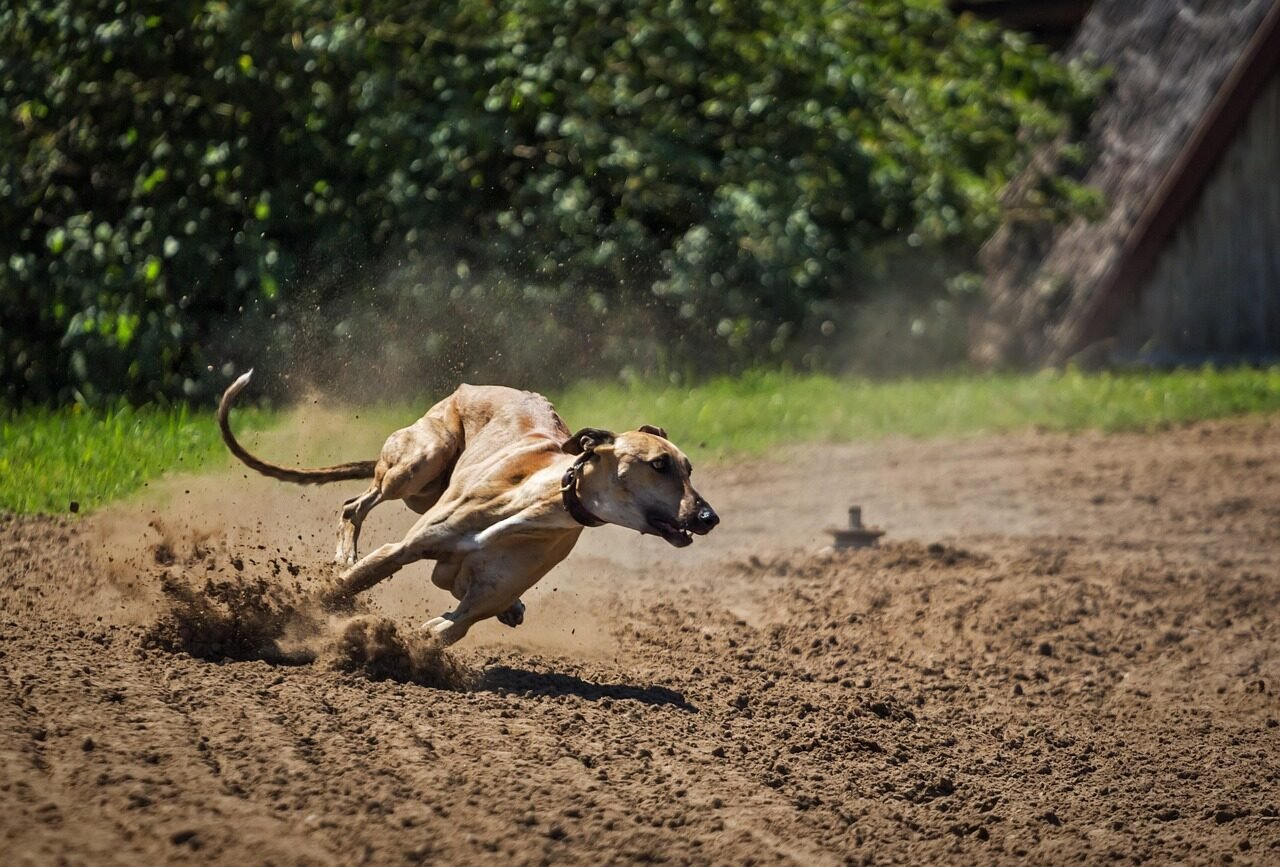
The Greyhound is one of the oldest and most elegant dog breeds in the world. Known for its sleek body, incredible speed, and gentle personality, this remarkable breed has captivated humans for thousands of years. While many people associate Greyhounds primarily with racing, there is far more to this graceful dog than meets the eye.
In this comprehensive guide, we will explore the origins of the Greyhound, its physical characteristics, temperament, health needs, training requirements, and why it makes such an exceptional companion.
The Ancient Origins of the Greyhound
The Greyhound is considered one of the oldest purebred dog breeds in history. Evidence of Greyhound-like dogs appears in ancient Egyptian tomb paintings dating back more than 4,000 years. These dogs were revered by nobility and often depicted alongside pharaohs, symbolizing grace and status.
The breed later spread to Greece and Rome, where it was prized for hunting and coursing game. The name “Greyhound” is believed to have evolved from “gazehound,” referring to the breed’s reliance on sight rather than scent when hunting.
In medieval Europe, Greyhounds were so highly valued that laws restricted ownership to the nobility. Over centuries, the breed was refined for speed and agility, eventually becoming central to organized dog racing in the 19th and 20th centuries.
Today, while racing has declined in many regions, Greyhounds are widely cherished as family pets.
Physical Characteristics of the Greyhound
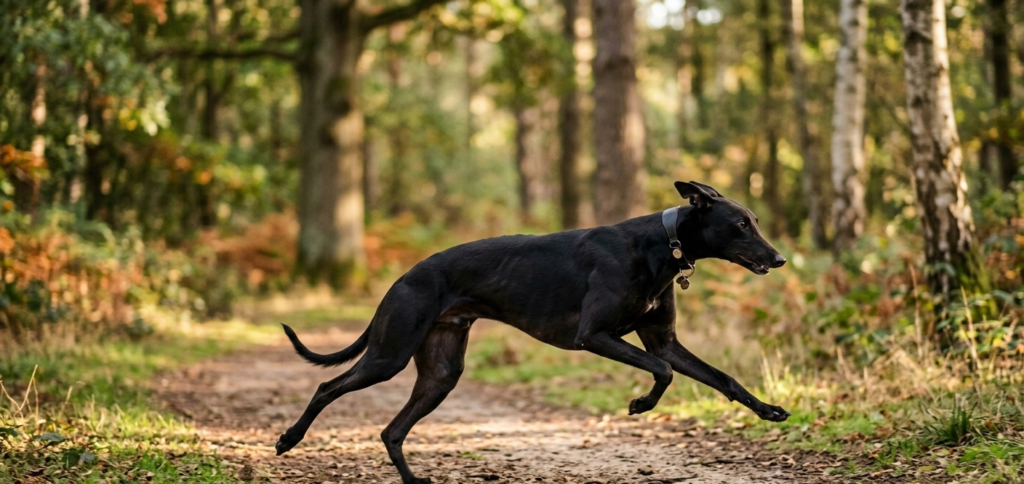
Greyhounds are built for speed. In fact, they are often recognized as the fastest dog breed in the world, capable of reaching speeds up to 45 miles per hour in short bursts.
Key Physical Traits:
- Height: 27–30 inches (males), 26–28 inches (females)
- Weight: 60–70 pounds (females), 65–85 pounds (males)
- Build: Slim, aerodynamic body
- Coat: Short, smooth, and low-maintenance
- Colors: Black, white, brindle, fawn, blue, red, and various combinations
Their long legs, deep chest, narrow waist, and flexible spine allow them to achieve remarkable acceleration. Despite their athleticism, Greyhounds are surprisingly calm and relaxed indoors.
Greyhound Temperament: Gentle and Affectionate
One of the biggest misconceptions about Greyhounds is that they are hyperactive because of their racing background. In reality, Greyhounds are often referred to as “45-mph couch potatoes.”
Personality Traits:
- Gentle and affectionate
- Quiet and rarely bark excessively
- Sensitive and intelligent
- Good with families and older children
- Typically reserved with strangers
Greyhounds thrive on companionship and enjoy being near their owners. They are known for forming strong bonds and often lean gently against their humans as a sign of affection.
Because they are sensitive dogs, they respond best to positive reinforcement training methods rather than harsh discipline.
Greyhound Exercise Needs
Despite their speed, Greyhounds do not require intense daily exercise. They are sprinters, not endurance runners.
Daily Exercise Requirements:
- 20–40 minutes of walking
- Occasional opportunity to run in a securely fenced area
- Mental stimulation through enrichment toys
After a short burst of activity, Greyhounds are perfectly content to relax for hours. This makes them surprisingly suitable for apartment living, provided they receive regular walks.
Training a Greyhound
Training a Greyhound requires patience and understanding. Many retired racing Greyhounds have lived in kennel environments and may need time to adjust to home life.
Training Tips:
- Use positive reinforcement techniques.
- Keep sessions short and engaging.
- Be patient with house training.
- Introduce new environments gradually.
- Use consistent routines.
Greyhounds are intelligent but can be independent thinkers. Early socialization helps them adapt to various environments and situations.

Health and Lifespan
Greyhounds are generally healthy dogs with a lifespan of 10 to 14 years. However, like all breeds, they have certain health considerations.
Common Health Concerns:
- Bloat (gastric torsion)
- Hip dysplasia
- Dental disease
- Osteosarcoma (bone cancer)
- Sensitivity to anesthesia
Because of their low body fat, Greyhounds are more sensitive to extreme temperatures and require protection in cold weather.
Regular veterinary checkups, a balanced diet, and proper dental care contribute significantly to their longevity.
Grooming and Maintenance
Greyhounds are one of the easiest breeds to groom.
Grooming Needs:
- Weekly brushing
- Occasional baths
- Regular nail trimming
- Routine dental care
Their short coat sheds moderately but does not require elaborate grooming routines.
Greyhounds as Family Pets
Greyhounds make exceptional family companions. They are typically calm, adaptable, and affectionate.
Why They Make Great Pets:
- Low grooming requirements
- Moderate exercise needs
- Quiet nature
- Gentle temperament
- Adaptable to apartment living
However, due to their strong prey drive, they may not be suitable for homes with small pets such as rabbits or hamsters. Some Greyhounds coexist peacefully with cats, but careful introduction is essential.
Retired Racing Greyhounds
Many Greyhounds available for adoption are retired racers. Organizations around the world specialize in transitioning these dogs from racing careers into loving homes.
Retired racers may initially be unfamiliar with stairs, mirrors, or glass doors. With patience and gentle guidance, they adapt quickly to domestic life.
Adopting a retired racing Greyhound is often described as a rewarding experience. These dogs are usually well-socialized and accustomed to structured routines.
Diet and Nutrition
Greyhounds require a balanced diet suited to their size and activity level.
Nutritional Considerations:
- High-quality protein sources
- Controlled portion sizes
- Split meals to reduce bloat risk
- Fresh water always available
Because they are lean by nature, new owners sometimes mistakenly believe their Greyhound is underweight. It is normal to see slight rib definition in healthy individuals.
Living Environment
Greyhounds adapt well to various living environments.
Ideal Conditions:
- Soft bedding for joint comfort
- Secure fencing
- Climate-controlled indoor spaces
- Calm household atmosphere
Their thin skin and low body fat mean they appreciate warm, cushioned resting spots.
Greyhounds and Children
Greyhounds are generally gentle with children, especially when properly socialized. However, supervision is always recommended to ensure respectful interaction.
They prefer calm households and may not thrive in extremely chaotic environments.
The Greyhound in Popular Culture
The Greyhound’s elegance and speed have made it a symbol of grace throughout history. From ancient art to modern logos and mascots, the breed remains iconic.
Racing culture further cemented the Greyhound’s image as an elite athlete. In recent decades, public perception has shifted toward seeing them as loving companions rather than competitors.
Pros and Cons of Owning a Greyhound
Pros:
- Calm indoors
- Low grooming needs
- Affectionate and loyal
- Moderate exercise requirements
Cons:
- Strong prey drive
- Sensitive to cold
- May require adjustment period
- Potential health sensitivities
Understanding these traits helps potential owners make informed decisions.
Is a Greyhound Right for You?
The Greyhound is ideal for individuals or families seeking a calm, affectionate companion with moderate activity needs. They thrive in homes where they receive attention, gentle training, and a comfortable environment.
They may not be ideal for those wanting an off-leash hiking partner or a dog that enjoys rough play.
Final Thoughts
The Greyhound is a remarkable blend of athleticism and serenity. While their racing heritage often defines public perception, those who share their homes with Greyhounds quickly discover a loving, sensitive, and deeply loyal companion.
Whether adopted as a retired racer or raised from a puppy, the Greyhound offers a unique combination of grace, gentleness, and quiet devotion. For many owners, life with a Greyhound is not just about having a pet — it is about welcoming an elegant soul into the family.
If you are searching for a low-maintenance, affectionate dog with a fascinating history and calm demeanor, the Greyhound may be the perfect choice.

No responses yet