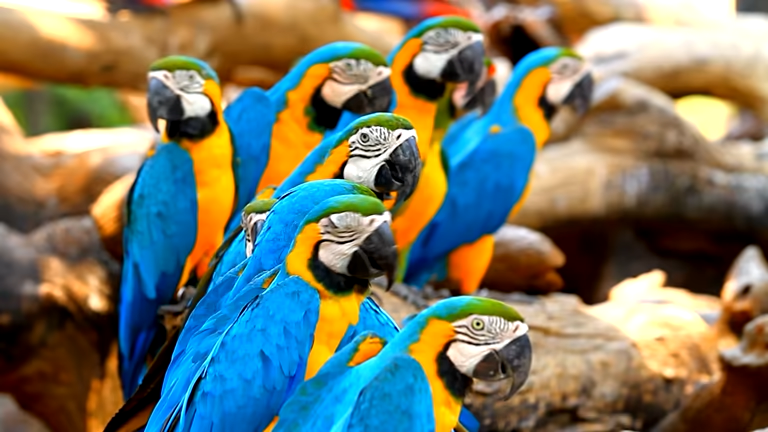
Parrots, members of the order Psittaciformes, are celebrated worldwide for their vibrant colors, remarkable intelligence, and often, their incredible ability to mimic human speech. Adopting a parrot is a commitment to a relationship that can last for decades, demanding preparation, patience, and a deep understanding of their unique needs
Understanding the Commitment
Unlike small, short-lived pets, many parrot species have lifespans comparable to humans. The largest macaws and African Greys can live for 50 to over 70 years, meaning they are often a lifelong companion requiring planning for their future care. They are flock animals, which translates to a profound need for social interaction with their human “flock.”
| Species Group | Size/Lifespan | Notable Traits | Experience Level |
| Budgies (Parakeets) | Small, up to 20 years | Friendly, low-maintenance, can learn to talk/whistle | Beginner |
| Cockatiels | Small/Medium, 15–20 years | Affectionate, expressive crest, good whistlers | Beginner |
| African Greys | Medium, 30–70 years | Exceptional talkers, highly intelligent, can be sensitive | Intermediate/Expert |
| Cockatoos | Large, 30–70 years | Highly affectionate, loud, demand constant attention | Experienced |
| Macaws | Large/Very Large, 50–60+ years | Large beaks require chewing, strong one-person bond | Experienced |

Creating the Ideal Parrot Environment
A parrot’s habitat must address both their physical and psychological needs.
- Cage Size: The enclosure must be large enough for the bird to fully spread its wings without touching the sides or the top, and still have room for toys, food, and perches. A square or rectangular shape is generally preferred as it provides a sense of security.
- Perches and Toys: Provide perches of varying diameters and materials (wood, rope, concrete) to prevent foot problems. Parrots have a strong natural instinct to chew, so a constant supply of destructible toys (wood blocks, cardboard) is necessary for mental stimulation and beak maintenance.
- Location: Place the cage in a busy area of the house to satisfy their social needs, but avoid the kitchen. Fumes from overheated non-stick cookware (Teflon/PTFE), aerosols, and even heavy cooking smoke are highly toxic and often fatal to birds.

Diet and Nutrition: An Obligate Herbivore
Parrots are herbivores, but a simple seed-only diet is inadequate and often leads to obesity and illness.
- Pellets: A high-quality fortified pellet should form the bulk (60–70%) of their diet to ensure complete nutrition.
- Fresh Foods: Vegetables (especially dark leafy greens and carrots) should make up 20–30% of the diet. Fruits are a treat, given in small quantities (around 5%) due to their high sugar content.
- Toxins: NEVER feed your parrot avocado, chocolate, alcohol, caffeine, fruit seeds/pits (like apples or cherries), or anything high in salt, fat, or sugar.
Behavior, Training, and Bonding
Parrot behavior can be complex and requires observation to interpret their body language.
- Vocalization: Screaming is a normal, though challenging, behavior, often used as a “contact call” to locate their human flock. It’s often loudest at dawn and dusk. Ignoring loud calls and rewarding quieter sounds (like whistling or talking) is key.
- Body Language:
- Beak Grinding: A relaxed, content sign, usually done before sleeping.
- Eye Pinning: Rapid dilation and contraction of the pupils. Can signal excitement, aggression, or pleasure—context is essential.
- Head Bobbing: Often a sign of happiness, excitement, or a request for attention. Young birds also do this when begging for food.
- Training: Training, using positive reinforcement (like treats and praise), is vital for a healthy relationship. Essential commands like “Step Up” (perching on a finger/hand) help with handling, vet visits, and socialization. Training provides mental stimulation and reinforces the bird’s place in the social structure.
Caring for a parrot is a rewarding challenge, as you gain the companionship of one of nature’s most intelligent and charismatic creatures. They are a deeply sensitive animal who thrives when their complex needs for mental enrichment and social interaction are consistently met.