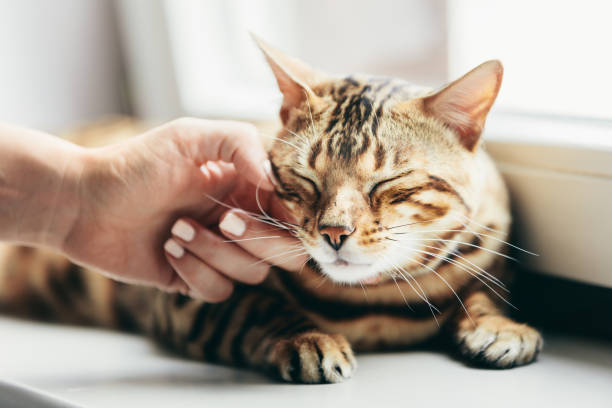
A History of Companionship and Charm
From revered deity to cherished housemate, the domestic cat (Felis catus) has journeyed through history to become one of the world’s most popular pets. More than just a furry face, our feline friends offer a unique blend of independence, affection, and surprising health benefits.
A Storied Past: From Wild Hunter to Domestic Companion
The story of the domestic cat is one of self-domestication, believed to have begun in the Fertile Crescent (the Middle East) around 10,000 years ago, coinciding with the rise of agriculture.
- A Partnership of Convenience: Early human settlements with stored grain attracted rodents, which in turn attracted the Middle Eastern wildcat (Felis silvestris lybica). These cats found a constant food source, and humans benefited from natural pest control. Unlike dogs, which were actively bred for tasks, cats essentially chose to live alongside people.
- The Egyptian Era: Ancient Egypt is famously associated with cats, where they evolved from mere utility to objects of veneration. They were seen as divine protectors and were linked to the goddess Bastet. The practice of mummifying cats further attests to their high status.
- Global Spread: As trade routes expanded, cats journeyed across the world, proving invaluable as mousers on ships. They eventually spread through Europe, Asia, and later, the Americas, solidifying their place in human homes.

The Allure of the Feline: Breeds and Personality
Today’s pet cats exhibit a huge range of appearances and temperaments, though the most common cat in the world is the Domestic Shorthair (often referred to simply as a “moggy” or “mixed breed”).8
| Breed | Key Characteristics | Personality Traits |
| Maine Coon | Large, long-haired, bushy tail | Gentle giant, friendly, social, often described as “dog-like” |
| Ragdoll | Large, semi-long, silky coat, striking blue eyes | Very affectionate, docile, goes limp when held (hence the name) |
| Siamese | Slender, pointed color pattern, loud voice | Highly vocal, demanding of attention, intelligent, and social |
| Persian | Long, thick coat, round face, short nose | Quiet, calm, laid-back, enjoys lounging and gentle attention |
| Bengal | Distinctive spotted or marbled coat, muscular | Energetic, playful, intelligent, with a strong hunting instinct |
Regardless of breed, every cat possesses a unique character, making the bond with a feline a personal and ever-unfolding discovery.
The Science-Backed Benefits of Cat Ownership
Beyond providing companionship, owning a cat has proven positive effects on human health and well-being.
- Stress and Anxiety Relief: Studies show that interacting with cats can decrease cortisol (a stress hormone) and lower blood pressure and heart rate. The simple, rhythmic motion of stroking a cat is profoundly calming.
- The Purr Effect: A cat’s purr vibrates at a frequency of approximately 25 to 150 Hertz. This specific range is scientifically associated with muscle and bone repair, suggesting that their purr might be a natural self-healing mechanism that also benefits humans in close proximity.
- Companionship Without the Clamor: Cats are generally lower maintenance than dogs, making them ideal companions for apartment dwellers or those with busy lifestyles. Their independence means they are content to entertain themselves or simply nap while you are away, yet they still provide unconditional love and a constant presence that combats loneliness.

Essentials for a New Cat Owner
Bringing a new cat home is an exciting commitment. To ensure a happy transition, new owners should focus on the essentials:
- High-Quality Nutrition: Cats are obligate carnivores and require a diet rich in animal protein. Consult your vet to choose the best food for their age and health needs.
- Litter Box Management: Place the litter box in a quiet, accessible location, and scoop it at least once daily. Cats are fastidious and will refuse to use a dirty box.
- Scratching Outlets: Provide sturdy scratching posts (vertical) and scratching pads (horizontal) to satisfy their natural urge to scratch and keep their claws healthy. This saves your furniture!
- Enrichment and Play: Dedicate time each day for interactive play using wand toys or puzzle feeders. This satisfies their innate hunting drive and strengthens your bond.
- Veterinary Care: Schedule an initial wellness check, discuss vaccinations, and arrange for spaying or neutering.
The pet cat, with its graceful movements, quiet purrs, and moments of playful madness, is truly a tiny enigma. They demand respect for their independence yet reward their humans with a quiet, persistent affection that enriches the lives of millions.